
Blooming
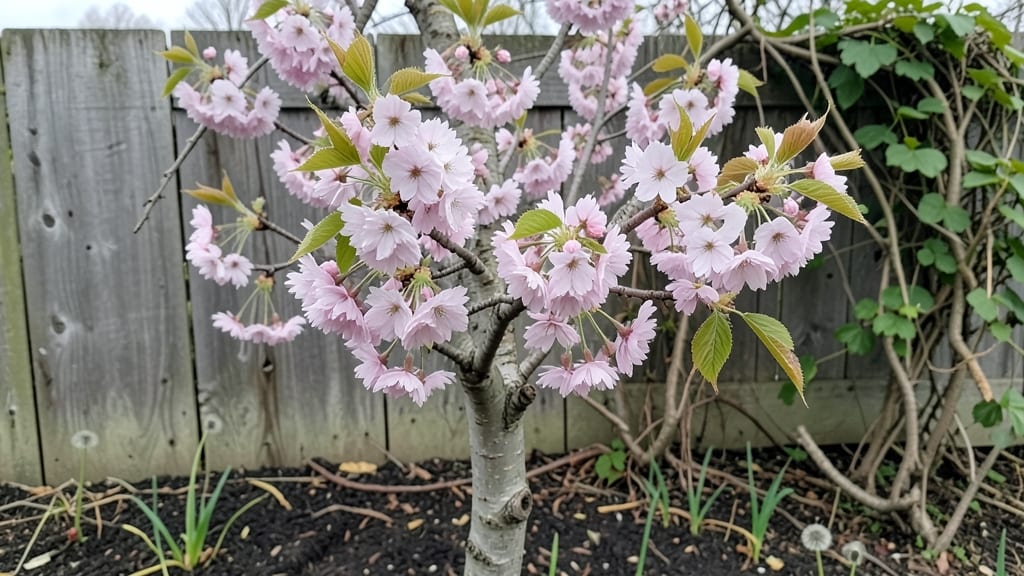
Taking care of a cherry blossom tree means waking up to clouds of pink and white every spring—something I never thought possible in my Seattle backyard until I planted my first frost-resistant variety.
These trees thrive when you match their needs to the Pacific Northwest climate, where cool nights and rainy winters demand a different approach than warmer regions.
The secret to their long-term health starts with well-draining soil rich in organic matter—think compost mixed into the top 12 inches of soil at planting. Water deeply once a week in the first year, then taper to every 10-14 days once established, as soggy roots lead to root rot.
Mulch around the base with 2-3 inches of wood chips to protect roots from winter chill and summer heat.
You'll see the payoff in 3-5 years when your tree bursts into bloom, with branches heavy enough to support the delicate petals. The key is pruning in late winter—remove dead wood first, then shape the tree by opening the center to improve airflow and sunlight penetration.
This keeps the canopy strong and encourages those signature spring displays.
Mature trees need less fuss but still benefit from a light feeding in early spring with a balanced fertilizer. Watch for signs of stress—yellowing leaves often mean overwatering, while sparse blooms could signal insufficient sunlight.
With these adjustments, your cherry blossom will reward you with decades of seasonal beauty and become the centerpiece of your garden.
📚 In This Guide
- What you need
- Instructions
- Tips and common mistakes
- Wrapping up and next steps
What you need
- ● Tree: Frost-resistant variety (e.g., Prunus × yedoensis or Prunus ‘Kanzan’—check local nurseries for PNW-hardy options).
- ● Soil: 50 lbs of well-draining loam (mix garden soil with 20% compost or peat moss).
- ● Fertilizer: Slow-release 10-10-10 granular fertilizer (1 lb per young tree, 2 lbs for mature trees).
- ● Mulch: 3–4 inches of wood chips or bark mulch (avoid fresh sawdust).
- ● Watering tools: Hose with adjustable nozzle (for deep watering).
- ● 5-gallon watering can (for young seedlings).
- ● Pruning tools: Bypass pruners (for small branches).
- ● Loppers (for thicker stems).
- ● Sterilizing solution (70% isopropyl alcohol).
- ○ Support (optional): 3–4 tree stakes + soft ties (for young, top-heavy trees).
- ● Frost cloth: 1–2 rolls (for young trees during late frosts, March–April).
- ● Drainage fabric: 4’ x 10’ roll (if planting in heavy clay soil).
- ● Soil pH test kit: To ensure slightly acidic soil (pH 5.5–6.5).
- ○ Antidesiccant spray (optional): For winter protection in dry PNW winters.
Step-by-step instructions for cultivating a Pacific Northwest cherry blossom tree
Here’s how to nurture a thriving cherry blossom in our region’s unique climate—where cold snaps and wet winters demand special care.
🌱 Step 1: Select the Right Variety for Your Site
Not all cherry blossoms tolerate the Pacific Northwest’s chill. Opt for frost-resistant varieties like Prunus × yedoensis (Yoshino cherry) or Prunus serrulata (Kwanzan cherry), which handle temperatures down to -10°F. These cultivars also resist common fungal diseases like powdery mildew, which thrives in our damp springs.
Check your USDA Hardiness Zone (PNW ranges from Zone 6-9). If you’re in Zone 6, avoid delicate species like Prunus avium (wild cherry), which may suffer dieback in harsh winters. Plant your tree in full sun—at least 6 hours of direct light daily—for optimal blooming. Partial shade reduces flower production and weakens wood structure.
☀️ Step 2: Plant in Late Fall or Early Spring for Best Establishment
Timing matters in our climate. Plant bare-root trees in late fall (November) or container-grown trees in early spring (March-April) to give roots time to establish before summer heat stress. Dig a hole twice as wide as the root ball but no deeper—this prevents soil compaction around critical root zones.
Amend the native soil with 3 inches of compost mixed into the bottom of the hole. Cherry blossoms prefer slightly acidic to neutral soil (pH 6.0-7.0). If your soil is heavy clay (common in PNW), add 10% coarse sand to improve drainage. Water deeply before backfilling to eliminate air pockets, then mulch with 3 inches of wood chips, keeping mulch 6 inches away from the trunk to prevent rot.
💧 Step 3: Water Deeply and Strategically Through the First Two Years
Our region’s wet winters can fool you into thinking trees don’t need water—but drought stress in summer is the #1 killer of young cherry blossoms. Water once a week during the first growing season, delivering 15 gallons per inch of trunk diameter. For a 2-inch trunk, that’s 30 gallons weekly. Use a soaker hose to water at the drip line (not the trunk) to encourage deep root growth.
After two years, mature trees handle PNW rainfall better, but drought years (like 2023) still demand attention. Check soil moisture 6 inches deep—if it’s dry, water again. Overwatering is just as harmful; yellowing leaves often signal root rot from poor drainage. Prune any suckers or water sprouts immediately—they drain energy from flowering.
✂️ Step 4: Prune for Structure and Bloom Health Annually
Prune late winter (February) before buds swell but after the worst cold passes. Remove dead, crossing, or inward-growing branches first to open the canopy for sunlight. Thin 15-20% of the canopy to improve air circulation—critical for preventing fungal diseases in our humid summers.
Never prune in fall; new growth won’t harden off before winter, and frost damage weakens the tree. For flowering spurs (where blooms form), avoid heavy pruning—limit cuts to 1/3 of a branch’s length. Use sterilized pruners to prevent bacterial spread. After pruning, apply a balanced 10-10-10 fertilizer in early spring to support new growth.
⏰ Step 5: Protect from Late Frosts and Pest Pressures
PNW’s late spring frosts (May) can devastate blossoms. Monitor forecasts and cover young trees with frost cloth if temperatures dip below 28°F during bloom time. Remove covers by 10 AM to avoid overheating. Mature trees handle frost better, but young wood is vulnerable—this is where proper variety selection pays off.
Watch for cherry leaf spot (black spots on leaves) and borers (exit holes in bark). Treat preventatively in early June with neem oil or copper fungicide. Avoid chemical sprays during bloom—they harm pollinators. Mulch annually in late fall to insulate roots, and avoid heavy pruning in fall—it stimulates tender growth that won’t survive winter.
Tips & tricks for perfect cherry blossom tree care in the Pacific Northwest
These insights will help you navigate the unique challenges of growing cherry blossoms in our region's unpredictable climate.
Variety Selection Matters: When choosing between Yoshino and Kwanzan cherries, consider your specific location. Yoshino cherries thrive in cooler microclimates and produce abundant white blossoms, while Kwanzan's pink flowers tolerate slightly warmer urban areas. Both handle our winters down to -10°F, but Yoshino may need slightly more protection from late spring frosts in Zone 6 areas. I always verify the exact variety's cold hardiness rating from your local nursery before purchasing.
Planting Timing is Critical: The late fall to early spring window (November to March-April) gives roots time to establish before summer heat stress. If planting in late fall, choose a day when temperatures are above freezing to prevent root shock. For container-grown trees, water thoroughly before planting to maintain root integrity. I've learned the hard way that planting during winter freezes or summer drought periods drastically reduces survival rates.
Watering Strategy for Young Trees: The 15 gallons per inch of trunk diameter calculation might seem excessive, but it's essential for deep root development. For a 2-inch trunk, that's 30 gallons weekly—don't skimp! Use a moisture meter to check soil moisture at 6 inches deep before watering again. I've seen many trees fail because well-meaning gardeners assumed PNW's wet winters were enough—summer drought is the real killer for young specimens.
Pruning Precision: When thinning 15-20% of the canopy in Step 4, focus on removing branches that cross or grow inward. These create weak points where diseases can enter. I always make cuts just outside the branch collar where it meets the trunk—this promotes better healing. For flowering spurs, limit cuts to one-third of the branch length to preserve next year's blossoms. Sterilize your pruners between cuts with rubbing alcohol to prevent bacterial spread.
Pro Tips for Take Care Of A Cherry Blossom Tree
- These insights will help you navigate the unique challenges of growing cherry blossoms in our region's unpredictable climate.
- Variety Selection Matters: When choosing between Yoshino and Kwanzan cherries, consider your specific location.
- Planting Timing is Critical: The late fall to early spring window (November to March-April) gives roots time to establish before summer heat stress.
Frequently asked questions
Got questions about nurturing your cherry blossom tree? You’re not alone!
Here are some of the most common concerns—plus expert answers to keep your tree thriving in the Pacific Northwest’s unique climate.
Can cherry blossom trees survive PNW winters?
Yes! Frost-resistant varieties like Prunus × yedoensis or Prunus serrulata ‘Kwanzan’ handle PNW winters well (down to 0°F). Mulch heavily in fall and water deeply before freezing to protect roots. Avoid late-season pruning, which can stress the tree.
When is the best time to plant a cherry blossom tree?
Plant in early spring or fall (3–4 weeks before frost) for optimal root establishment. Spring planting lets roots grow before summer heat, while fall planting avoids drought stress. Avoid planting in summer—heat and dry soil can shock young trees.
Why aren’t my cherry blossom tree’s leaves turning pink?
Pinkish leaves often signal nutrient deficiency (like iron or zinc) or pH imbalance. Test your soil and amend with chelated iron or sulfur if needed. Overwatering or compacted soil can also stunt color. Prune dead branches to encourage healthier growth.
How do I prune a cherry blossom tree safely?
Prune in late winter or early spring (before buds swell) to remove dead, crossing, or weak branches. Use clean, sharp tools to avoid disease. Never top the tree—it weakens structure and reduces blooms. Aim for an open center to improve airflow and sunlight.
Are cherry blossom trees prone to pests in the PNW?
Watch for aphids, borers, or spider mites, especially in dry summers. Spray with horticultural oil or insecticidal soap early. Japanese beetles can defoliate trees—handpick them or use neem oil. Healthy soil and proper watering boost natural pest resistance.
Wrapping up and next steps
Caring for a cherry blossom tree in the Pacific Northwest is a rewarding journey that brings bursts of color and natural beauty to your space. 🌸 By choosing the right frost-resistant variety, providing proper sunlight, water, and soil, and staying vigilant against pests and diseases, you’ll enjoy stunning blooms for years.
Now that you’re armed with the knowledge, why not plant one this spring and watch your garden transform into a picturesque haven?
Ready to take the next step? Start by selecting a young tree from a local nursery and prepare your garden bed today! 🌱