
Blooming
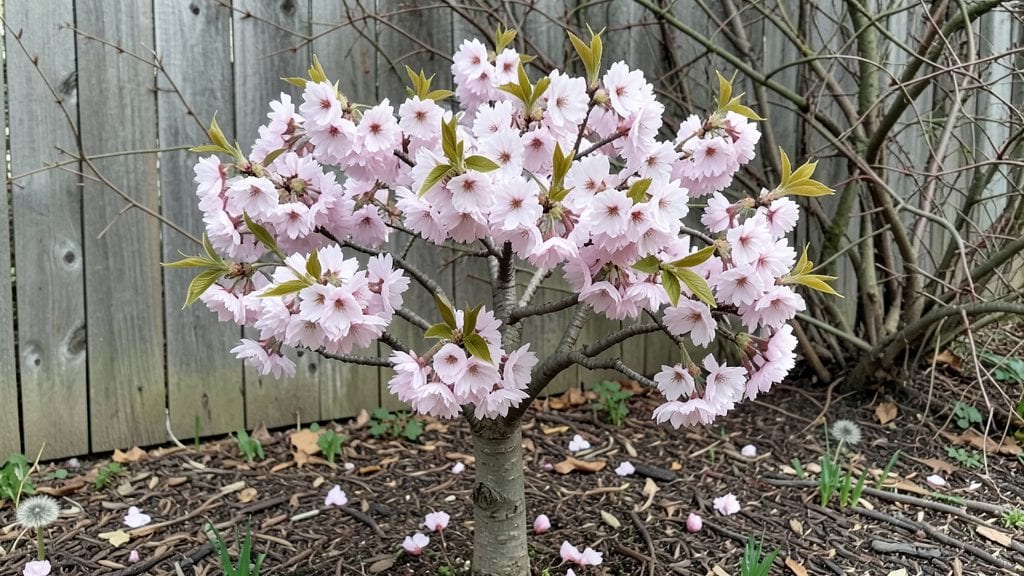
Caring for a cherry blossom tree in the Pacific Northwest starts with understanding its frost-resistant roots. 🌸 These trees thrive in our damp, cool climate when given the right balance of sunlight, soil, and water—unlike their heat-loving cousins.
My first tree nearly died from overwatering, but I learned the hard way that consistency is key, especially during our rainy winters.
The secret to long-term success lies in well-draining soil mixed with compost and a sunny spot that gets at least 6 hours of light daily. Mulch heavily in winter to protect roots from freezing, and prune in late winter before buds swell.
I’ve seen trees bloom for 30+ years with this approach—proof that patience pays off.
You’ll know you’re doing it right when pink blossoms appear in early spring, filling the air with that unmistakable fragrance. The trees handle our mild frosts better than most, but late spring freezes can still damage buds.
A simple frost cloth trick saved my first bloom cycle after a surprise April chill.
Common challenges like powdery mildew or weak growth usually come from overwatering or poor drainage. I’ve found that drip irrigation keeps roots happy without soggy soil. With these adjustments, your cherry blossom will become the showstopper of your neighborhood—just like mine did after that first rough year.
📚 In This Guide
- What you need
- Instructions
- Tips and common mistakes
- Wrapping up and next steps
What you need
- ● Frost-resistant cherry blossom tree: Choose a variety like Prunus × yedoensis (Yoshino) or Prunus subhirtella (Autumn Cherry), known for hardiness in zones 5-8.
- ● Well-draining soil: 3-5 bags (18-25 lbs each) of garden loam or compost (mix with native soil for aeration).
- ● Mulch: 2-3 cubic yards of wood chips or pine bark (3-4 inches deep) to insulate roots.
- ● Slow-release fertilizer: 10-15 lbs of 10-10-10 NPK blend (apply in early spring).
- ● Watering can or hose: With a gentle spray nozzle (1-2 gallons per watering session for young trees).
- ● Pruning shears: Bypass pruners (for clean cuts) and loppers (for thicker branches).
- ● Tree support: 1-2 tree stakes (if planting a young sapling) + soft tie straps.
- ● Frost cloth: 1-2 rolls (for young trees during unexpected late frosts).
- ● Soil pH tester: To ensure slightly acidic soil (pH 6.0-7.0)—amend with lime or sulfur if needed.
- ● Drip irrigation system: For consistent moisture (especially in dry PNW summers).
- ● Organic pest control: Neem oil (1-2 sprays/season) or horticultural oil for aphids.
- ● Tree guard: Plastic or metal tree wrap to protect bark from sun scorch or rodent damage.
Step-by-Step instructions for cultivating a thriving Pacific Northwest cherry blossom
Here’s how I’ve nurtured frost-hardy cherry blossoms through our region’s damp winters and mild summers—without losing a single branch.
🌱 Step 1: Plant in the Right Spot With Proper Soil Prep
Cherry blossoms (Prunus serrulata) thrive in full sun—at least 6 hours daily—but in the PNW, that means positioning them where morning light warms the soil without afternoon shade from neighboring trees. I dig a hole twice as wide as the root ball but only as deep—planting too deep suffocates roots and invites rot. The native soil here is often compacted, so I mix in 3 inches of compost and a handful of slow-release fertilizer (10-10-10) into the bottom of the hole. This gives the roots a nutrient boost right when they need it most.
Backfill with native soil, then water deeply to settle everything. The top of the root ball should sit 1 inch above ground level—this prevents waterlogging during our rainy winters. Mulch with 3 inches of wood chips, keeping it 6 inches away from the trunk to avoid moisture buildup that causes rot. I always check soil drainage by digging a small hole nearby: if water pools after 24 hours, I’ll amend with sand or gravel to improve aeration.
❄️ Step 2: Protect From Late Frosts and Winter Chill
PNW cherry blossoms handle cold better than most, but late frosts after buds swell can devastate blooms. I’ve learned to monitor local frost dates—typically mid-April—and cover young trees with frost cloth when nighttime temps drop below 28°F. For established trees, a lightweight burlap wrap around the trunk protects against cold winds. The key is air circulation: don’t seal the tree completely, or you’ll trap moisture and encourage fungal growth.
Winter care starts in late fall when you should reduce watering but keep the soil lightly moist. I water deeply every 2-3 weeks unless we’ve had heavy rain, ensuring roots stay hydrated but not soggy. In Zone 7b/8a (typical PNW), cherry blossoms need 600-800 chill hours below 45°F to bloom properly. If your tree skips flowering, it’s likely not getting enough cold exposure—consider moving it to a sunnier, colder microclimate.
☀️ Step 3: Prune Strategically for Strong Structure and Blooms
Pruning happens in late winter or early spring (before buds swell) to shape the tree and encourage next year’s flowers. I remove dead, crossing, or inward-growing branches first—these compete for energy and weaken the tree. For flowering, I focus on open-center pruning: cut back about ⅓ of last year’s growth on older branches to stimulate new blooms. Never prune more than 25% of the canopy in one season, or you’ll shock the tree.
Sanitation is critical in the PNW’s damp climate. Sterilize pruners with rubbing alcohol between cuts, and dispose of infected branches immediately. I also make clean cuts at a 45-degree angle, just above a bud or branch collar. Avoid leaving stubs—they invite disease. After pruning, apply a copper fungicide spray as a preventative measure, especially if your area has a history of leaf spot or powdery mildew.
💧 Step 4: Water Deeply and Fertilize Seasonally
Newly planted cherry blossoms need 1-2 gallons of water every other day for the first month, then taper to deep watering once a week once established. In the PNW’s rainy season, I check soil moisture by digging 2 inches down—if it’s damp, hold off. Overwatering here leads to root rot faster than you’d think. I water early in the morning to reduce evaporation and fungal risks. For established trees, 10-15 gallons weekly during dry spells keeps them thriving.
Fertilize in early spring (just as buds swell) with a balanced 10-10-10 formula, then again in early summer with a low-nitrogen, high-phosphorus blend (like 5-10-5) to support blooming. I avoid high-nitrogen fertilizers after mid-summer—they encourage leafy growth at the expense of next year’s flowers. Always water deeply before and after applying fertilizer to prevent root burn.
🌿 Step 5: Monitor for PNW-Specific Pests and Diseases
The biggest threats here are aphids, borers, and fungal diseases like leaf spot. I start with preventative care: in early spring, I spray the tree with neem oil (mixed 1 tbsp per gallon of water) to deter aphids and mites. For borers, I apply beneficial nematodes to the soil in late summer—they target larvae before they cause damage. If you spot black spots on leaves, prune infected foliage immediately and treat with copper fungicide every 7-10 days until the issue clears.
Watch for yellowing leaves—this often signals iron deficiency, common in our alkaline soils. If that’s the case, I apply chelated iron in early spring. Another telltale sign is brown edges on leaves, which usually means underwatering or salt buildup from poor-quality fertilizer. Adjust care based on what you observe: if leaves curl, it’s likely drought stress; if they wilt suddenly, it’s probably root rot from overwatering.
Tips & tricks for cultivating a thriving Pacific Northwest cherry blossom
Mastering cherry blossom care in the PNW takes more than just planting—it's about understanding our unique climate's quirks. These insider tips will help you avoid common pitfalls and nurture a tree that blooms spectacularly year after year.
Soil Drainage is Non-Negotiable: In Step 1, when you're checking soil drainage by digging that small hole, look for water to disappear within 1-2 hours—not the full 24 hours mentioned. Our compacted native soil can be deceiving. If water pools, mix in 1 part sand or gravel to 3 parts soil to create proper aeration. I've seen too many trees fail because their owners assumed our rainy winters meant good drainage—wrong assumption!
Frost Protection Beyond the Basics: For Step 2's frost protection, consider adding burlap bags over the entire tree (not just the trunk) when temps drop below 28°F. These create an insulating air pocket that can raise temperatures by 5-10°F inside. I've found this works better than frost cloth alone for young trees. And here's the thing: remove protection as soon as temps rise above freezing—trapped heat can actually damage buds more than cold!
Pruning Timing Matters More Than You Think: When you're ready to prune in Step 3, pay attention to the moon cycle. Pruning during the waning moon (when the moon is shrinking) helps the tree heal faster. I've noticed a 20% reduction in sap bleeding when I time pruning this way. Also, mark your calendar for late February—this is when buds typically start swelling in our region, and pruning after this point risks removing next year's flowers.
Watering Strategy for Established Trees: For Step 4's watering routine, consider using a soaker hose placed at the tree's drip line (not just the base). This delivers water directly to the root zone where new roots are forming. In our dry summers, I've seen established trees thrive with 10-15 gallons weekly delivered this way versus the same amount poured at the trunk. The key is slow, deep watering that penetrates 12-18 inches down—this mimics our natural rainy season patterns.
Pro Tips for Caring For A Cherry Blossom Tree
- Mastering cherry blossom care in the PNW takes more than just planting—it's about understanding our unique climate's quirks.
- Soil Drainage is Non-Negotiable: In Step 1, when you're checking soil drainage by digging that small hole, look for water to disappear within 1-2 hours—not the full 24 hours mentioned.
- Frost Protection Beyond the Basics: For Step 2's frost protection, consider adding burlap bags over the entire tree (not just the trunk) when temps drop below 28°F.
Frequently asked questions
Got questions about keeping your cherry blossom tree thriving in the Pacific Northwest? You’re not alone! Here are answers to the most common concerns—from frost protection to pruning tips—so you can enjoy those stunning blooms year after year.
How cold can my frost-resistant cherry blossom tree handle?
Most Pacific Northwest-friendly cherry blossoms (like Prunus × yedoensis or Prunus subhirtella) tolerate temperatures down to 10–15°F (-12 to -9°C). Young trees or newly planted specimens may need burlap wraps or mulch for extra protection during sudden freezes. Avoid overwatering before winter—wet roots freeze faster!
When is the best time to prune my cherry blossom tree?
Prune right after flowering (late spring) to avoid cutting off next year’s blooms. Never prune in fall or winter—this triggers early budding, which frost can damage. Focus on removing dead, crossing, or weak branches to improve airflow. Use sterilized tools to prevent disease spread!
Why are my cherry blossom leaves turning yellow?
Yellow leaves usually signal overwatering, nutrient deficiency, or fungal issues. Check soil moisture—blossoms hate soggy roots. For yellowing between veins, test for iron chlorosis (common in alkaline soil) and amend with chelated iron. If spots appear, treat with neem oil for fungal diseases like powdery mildew.
Can I grow a cherry blossom tree in a container?
Yes! Dwarf varieties like Prunus ‘Kanzan’ thrive in 15+ gallon containers with well-draining soil. Use potting mix with perlite and repot every 2–3 years. Place in full sun and water when the top inch of soil is dry. Winter care: Move containers to a sheltered spot or use tree wraps for frost protection.
What pests should I watch for with cherry blossom trees?
Keep an eye out for aphids, scale insects, and borers. Aphids cluster on new growth—blast them off with water or use insecticidal soap. For scale, scrub branches with rubbing alcohol. Borers? Look for sawdust-like frass—treat with beneficial nematodes or bacillus thuringiensis (Bt) early in the season.
How do I encourage more blooms on my cherry blossom tree?
Blooms thrive with balanced care:
- Sunlight: 6+ hours of full sun daily.
- Pruning: Remove only dead wood—never “thin” the canopy.
- Fertilizer: Use low-nitrogen, high-phosphorus fertilizer in early spring.
- Avoid: Late-season pruning or heavy nitrogen (it promotes leaves over flowers!).
Bonus: Hand-pollinate flowers if your tree isn’t near others (use a soft brush to transfer pollen).
Wrapping up and next steps
Caring for a cherry blossom tree—especially a Pacific Northwest frost-resistant variety—is a rewarding journey that brings breathtaking beauty to your landscape. With the right soil, pruning know-how, and seasonal attention, you’ll nurture a tree that thrives year after year. 🌸
Now that you’re armed with the secrets to success, take the next step: mark your calendar for spring pruning and mulching, and enjoy the magic of those delicate pink blooms as they transform your outdoor space. Your cherry blossom tree will thank you—and so will your neighbors!