
Propagation
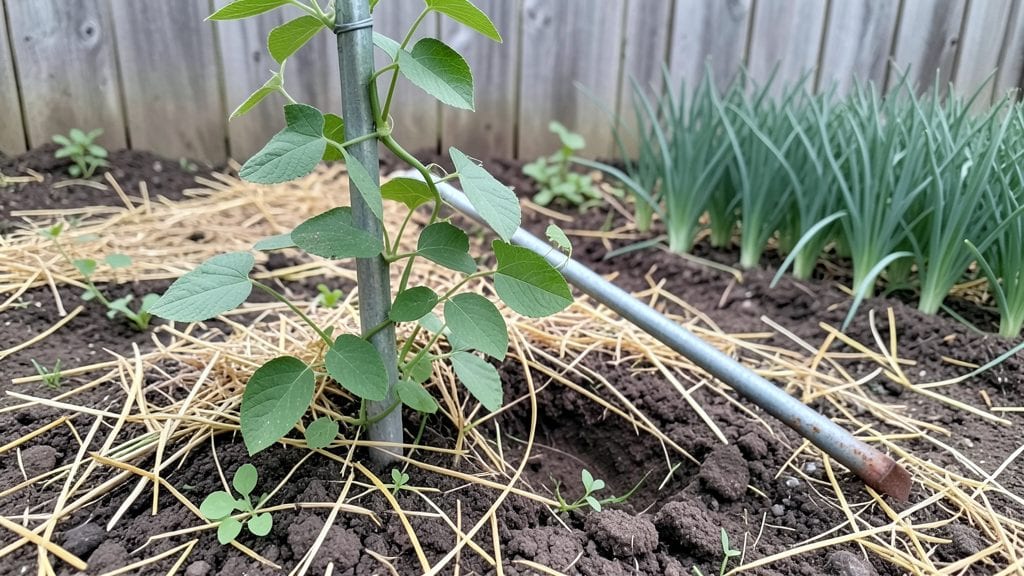
Learn how to remove metal tree stakes from the ground without wrestling with rusted roots—just use these clever tricks. I’ve wrestled with these stubborn metal sticks for years, and I’ve learned that brute force often backfires, leaving roots tangled or soil torn up.
The key? A mix of patience, the right tools, and a method that protects both your plants and your sanity.
You’ll need a few simple tools: a sturdy pry bar, heavy-duty gloves, safety goggles, and maybe a hammer for stubborn stakes. Before you dig, always call 811 to check for underground utilities—because nobody needs a surprise encounter with buried wires or pipes.
For rusted stakes, a little WD-40 or penetrating oil can work wonders, loosening them up without damaging the soil structure around delicate roots.
Start by prying at the base of the stake, working your way up to loosen it gradually. If the stake is deeply embedded, wiggle it gently side-to-side while pulling upward—this reduces the risk of snapping roots or tearing up the surrounding soil.
Once free, inspect the roots for any damage and trim carefully if needed. The goal is to leave your plants as undisturbed as possible, so they can keep growing strong.
Now, what do you do with all those rusty stakes? If they’re too corroded to reuse, recycle them at a local metal recycling center. Or, get creative—repurpose them as garden markers, trellis supports, or even art installations.
Either way, you’re keeping them out of the landfill and giving them a second life. Ready to tackle those stakes like a pro?
📚 In This Guide
- What you need
- Instructions
- Tips and common mistakes
- Wrapping up and next steps
What you need
- ● Heavy-duty pry bar (12–18 inches long, with a sturdy handle for leverage) – critical for prying stakes without bending them.
- ● Adjustable wrench or channel locks (10–12 inches) – for gripping and turning rusted stakes.
- ● Hammer or mallet (16–20 oz) – to loosen compacted soil around the stake.
- ● Garden fork or digging bar – for breaking up hard-packed soil without damaging roots.
- ● Rust penetrant or WD-40 (spray can) – to lubricate and loosen rusted stakes stuck in place.
- ● Work gloves (heavy-duty, cut-resistant) – protects hands from sharp edges and debris.
- ● Knee pads or a small stool – for comfort during prolonged kneeling.
- ● Bucket or wheelbarrow – to collect soil and debris.
- ● Vise grips or locking pliers – for extra grip on slippery or rounded stakes.
- ● Metal file or wire brush – to clean rust off stakes for reuse or disposal.
- ● Hose with spray nozzle – to wet stubborn soil and make extraction easier.
- ○ Shovel (optional) – if stakes are buried deep in loose soil.
- ● Safety glasses – to shield eyes from flying debris.
Step-by-Step instructions for removing metal tree stakes safely
Here’s how to pull out rusted stakes without tearing roots or leaving behind stubborn metal.
Gather the Right Tools for Clean Removal
You’ll need a sturdy pair of locking pliers or a hacksaw for stubborn stakes, a garden fork to loosen compacted soil, and a putty knife or pry bar to gently separate roots. Avoid digging tools like shovels—they risk cutting roots or bending stakes further into the ground. I always keep a bucket or tarp nearby to collect debris and old stakes for recycling.
Wear gloves and safety glasses—rusty metal can be sharp, and soil may contain hidden debris. If the stakes are deeply embedded, a small hammer can help loosen them without damaging the tree’s root system. The key is patience; forcing the removal will only make it harder.
Loosen the Soil Around the Stake
Use the garden fork to carefully work the soil around the stake, creating a 1- to 2-inch gap between the metal and the root ball. Insert the fork at a slight angle and wiggle it gently to break up compacted soil without disturbing the roots. Think of it like untangling a knot—you’re separating the stake from the tree’s anchor without cutting anything.
If the stake is rusted in place, a light spray of WD-40 or penetrating oil can help loosen it over 10-15 minutes. Let it sit while you work on the next stake. Avoid excessive force; the goal is to free the stake, not the tree. You’ll know you’re doing it right when the soil around the stake crumbles easily with your fingers.
Extract the Stake Without Damaging Roots
Grip the top of the stake with locking pliers and pull upward with steady pressure. If the stake resists, use the pry bar to gently lift it sideways while twisting slightly—this reduces resistance and prevents roots from snapping. If the stake bends or breaks, cut it at the soil line with a hacksaw and leave the remaining piece buried; it won’t interfere with the tree’s growth.
Check the root ball for any remaining metal fragments or bent stakes. Even small pieces can hinder root expansion, so remove everything above the topsoil level. Once the area is clear, fill the hole with fresh soil and tamp it down lightly. The tree will thank you—no more stubborn metal blocking its growth.
Clean and Dispose of Stakes Properly
Rinse the removed stakes with water to remove soil and rust, then scrape off any stubborn debris with a wire brush. If the stakes are heavily corroded, soak them in a vinegar and water solution (1:1 ratio) for 30 minutes to dissolve rust before recycling or repurposing. Never leave rusted metal in the garden—it can leach harmful chemicals into the soil over time.
For future plantings, consider switching to biodegradable stakes or fabric supports, which won’t require removal. If you must reuse metal stakes, coat them with a clear automotive sealant to prevent rust next time. Proper cleanup ensures your garden stays healthy and your tools last longer.
Tips & tricks for removing metal tree stakes safely
Here's what I've learned from years of wrestling with stubborn metal stakes—these tricks will save your roots and your sanity.
Tool Selection Matters: In Step 1, don't underestimate the importance of locking pliers. Regular pliers can slip, causing the stake to twist and potentially damage roots. For extra grip, wrap the pliers with a rubber band or duct tape—this gives you better traction without marring the metal. If you're dealing with multiple stakes, consider borrowing a stake puller from your local hardware store; they're designed specifically for this job and make the process much faster.
Soil Loosening Technique: When creating that 1- to 2-inch gap in Step 2, work the garden fork in a circular motion around the stake rather than just pushing straight down. This helps break up compacted soil more effectively while minimizing root disturbance. If the soil is particularly hard, try wetting it slightly first—the moisture helps loosen the dirt without requiring excessive force.
Rust Removal Strategy: For those heavily corroded stakes mentioned in Step 4, the 30-minute vinegar soak works wonders, but don't stop there. After soaking, scrub the stakes with a wire brush while they're still wet—the rust will lift right off. For extra stubborn spots, a bit of baking soda paste (mix with water) applied with a toothbrush can work miracles. This thorough cleaning prevents rust particles from contaminating your garden soil.
Root Protection Priority: In Step 3, when using the pry bar, remember that the goal is to lift sideways—not to pry upward with all your strength. Think of it like opening a stubborn jar: you want to work with the resistance, not against it. If you feel significant resistance, it's better to cut the stake at the soil line with the hacksaw than to risk damaging roots by forcing it out.
Pro Tips for Remove Metal Tree Stakes From Ground
- Here's what I've learned from years of wrestling with stubborn metal stakes—these tricks will save your roots and your sanity.
- Tool Selection Matters: In Step 1, don't underestimate the importance of locking pliers.
- Soil Loosening Technique: When creating that 1- to 2-inch gap in Step 2, work the garden fork in a circular motion around the stake rather than just pushing straight down.
Frequently asked questions
Got questions about removing metal tree stakes?
You’re not alone! Here are the most common concerns—and straightforward answers—to make the job smoother than a freshly pruned hedge.
Can I remove metal tree stakes in winter or rainy weather?
While it’s possible, timing matters. Wet or frozen soil can make stakes harder to pull and may damage roots. Aim for dry, workable conditions—spring or early fall are ideal. If you must remove them in winter, loosen the soil first with a shovel or digger to avoid tearing roots. Pro tip: Use a rubber mallet to gently tap the stake loose if the ground is stubborn!
Will removing metal stakes hurt my tree’s roots?
Not if done carefully! Metal stakes are usually placed away from the trunk, but roots can grow toward them over time. To minimize damage, use a pry bar or tree stake remover to lift stakes straight up—never twist or yank. If roots are tangled, cut them cleanly with pruning shears and mulch the area afterward to encourage regrowth.
Are there cheaper alternatives to buying a stake puller?
Skip the $20 tool and try these DIY fixes:
- Lever method: Place a sturdy board under the stake, then drive a crowbar between the board and stake to pry it out.
- Heat trick: Use a propane torch to warm the stake (safely!)—expanding metal loosens it from the soil.
- Vinegar soak: Pour white vinegar around the stake to dissolve rust, making it easier to pull after 10–15 minutes.
What do I do with old metal stakes after removal?
Recycle or repurpose them! Most scrap metal centers accept rusty stakes for free. For creative reuse:
- Turn them into garden art (e.g., rustic trellises or plant markers).
- Use them as DIY fence posts for lightweight projects.
- Donate to community gardens or schools for propagation projects.
My stake won’t budge—what’s the best way to break it out?
If brute force fails, try this step-by-step rescue plan:
- Cut it: Use a hacksaw or angle grinder to sever the stake just below ground level.
- Dig it out: Carefully excavate the remaining piece with a trowel, following root paths to avoid snags.
- Soak & repeat: For stubborn rusted sections, soak the area with WD-40 or penetrating oil, wait 30 minutes, then retry.
Wrapping up and next steps
Removing metal tree stakes without rust or root damage is totally doable—just take your time and use the right tools! Whether you’re tackling rusted stakes, delicate roots, or stubborn soil, patience and the proper techniques will make the job smooth.
Once those stakes are out, consider repurposing them or recycling them to keep your garden eco-friendly.
Now that you’re a pro at extraction, why not upgrade your garden setup? 🌱 Check out rust-resistant alternatives or plan your next planting project with confidence—your green thumb is ready for more!