Pruning
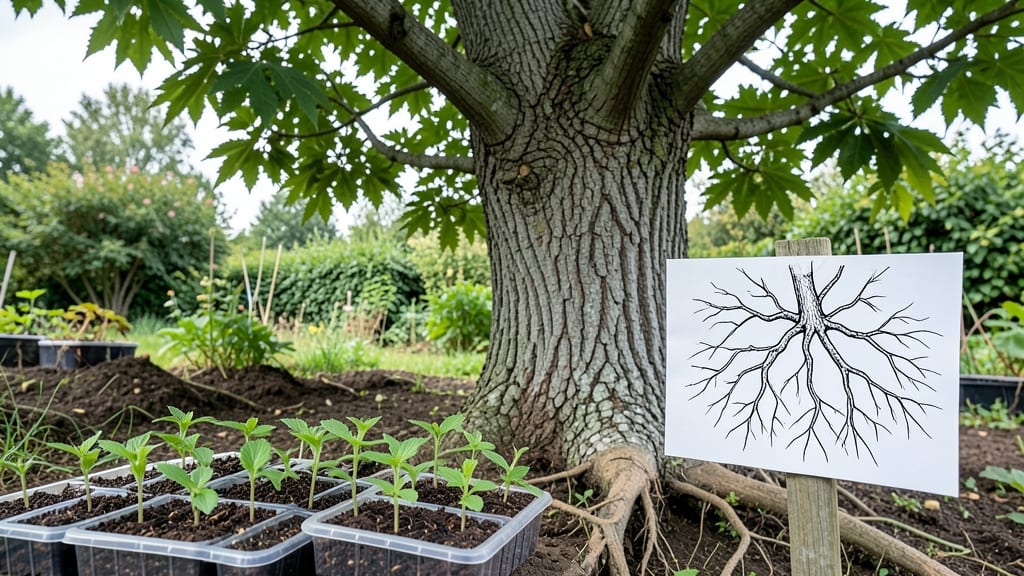
The Tree of Heaven spreads with alarming speed—its roots and seeds create a relentless takeover that can smother your yard in just a few years. 🌳 I’ve watched this tree transform quiet backyards into dense thickets, choking out native plants and making lawn care nearly impossible.
The real danger isn’t just its rapid growth, but how it outcompetes everything else, leaving no room for the plants you actually want.
This tree spreads in two sneaky ways: underground roots that send up new shoots and lightweight seeds that hitch rides on wind, water, and even your shoes.
A single mature tree can produce 50,000 seeds per year, and those roots can spread 100 feet or more from the original trunk. Once established, it’s nearly impossible to eradicate without aggressive methods—so early action is your best defense.
What you’ll gain from controlling it now is a yard that stays open, a landscape that thrives with your chosen plants, and the peace of mind that comes from knowing you’re not feeding an invasive monster.
The key is acting before it takes root—literally. We’ll cover the tools and techniques that actually work, from manual removal to long-term suppression strategies.
Whether you’re dealing with a single sapling or a full-blown infestation, the right approach depends on your yard’s size and how far the roots have spread. Some methods work better in urban areas, while others suit rural landscapes. Let’s tackle this before it becomes a full-time battle.
📚 In This Guide
- What you need
- Instructions
- Tips and common mistakes
- Wrapping up and next steps
What you need
- ● Pruning shears or loppers (for small branches, 16–24-inch blades recommended)
- ● Handsaw or chainsaw (for thicker stems/trunks, 8–10-inch blade for precision)
- ● Gloves (heavy-duty, nitrile-coated to resist sap and thorns)
- ● Work boots or sturdy shoes (with ankle support for uneven terrain)
- ● Shovel or root saw (for digging out roots, flat-head shovel preferred)
- ● Wheelbarrow or heavy-duty bags (for debris disposal, 10–20-gallon capacity)
- ● Root killer/herbicide (glyphosate-based, 1–2% concentration—follow label instructions)
- ● Hose with nozzle (for diluting herbicide or rinsing tools)
- ● Safety goggles (to protect from debris and sap)
- ● Root barrier fabric (to prevent regrowth, 1–2mm thick HDPE)
- ● Mulch or landscape fabric (to smother young sprouts)
- ● Drill with augers (for deep root injection of herbicide)
- ● Disposable coveralls (to avoid sap stains on clothing)
- ● Trash bags (heavy-duty) (for sealing cut branches to prevent seed dispersal)
How tree of heaven spreads: understanding its aggressive growth patterns
This invasive tree spreads faster than you might think—here's how to spot and stop it before it takes over.
🌱 Step 1: Identify the Two Primary Spread Methods
The tree of heaven (Ailanthus altissima) spreads through two aggressive methods: prolific seed production and an expansive root system. It produces thousands of seeds per tree that spread via wind, water, and wildlife, germinating within 2-3 weeks of landing in disturbed soil. These seeds can remain viable for years in the soil bank, waiting for the right conditions.
Even more concerning are its suckering roots, which sprout new shoots up to 50 feet away from the parent plant. These roots can even grow through concrete cracks and sewer pipes, making complete eradication nearly impossible without proper techniques. Watch for new shoots emerging in cracks or along property edges—this is your first sign of an established infestation.
🌿 Step 2: Recognize Early Signs of Spread in Your Landscape
Young tree of heaven seedlings have compound leaves with 7-13 leaflets, each 1-3 inches long, and a distinctive foul odor when crushed. The leaves are green and glossy on top but paler underneath. These seedlings appear in disturbed areas like construction sites, garden beds, or along fences where soil has been disrupted.
Mature trees develop thick, gray bark with sharp thorns along branches. If you notice clusters of small trees growing in a pattern, that’s a red flag—they’re likely from the same root system. Check for new shoots around the base of existing trees or along underground utility lines, where roots often travel unseen.
✂️ Step 3: Implement Immediate Control Measures
For seedlings, pull them by hand or use a dandelion digger to remove the entire root system. Even a 1-inch root fragment can regrow into a new plant. For larger plants, cut stumps at ground level and apply horticultural vinegar or a glyphosate-based herbicide directly to the fresh cut to prevent regrowth. Reapply every 2-4 weeks until the plant dies back completely.
For root suckers, dig a 12-inch deep trench around the perimeter of the infestation to sever underground connections. Monitor the area for new shoots for at least 1 year, as dormant roots can sprout later. If the tree is near a foundation or driveway, consider professional stump grinding to access deeper roots.
🪴 Step 4: Prevent Future Spread Through Landscape Management
Tree of heaven thrives in disturbed, sunny areas, so mulch garden beds with 3-4 inches of wood chips to suppress seed germination. Avoid tilling or digging in infested areas, as this disturbs seeds and encourages new growth. If you must remove large trees, burn or chip the debris on-site—never compost it, as seeds can survive.
Plant native, competitive species like oak, hickory, or black walnut to outcompete tree of heaven in your yard. These trees shade out sunlight and crowd out invasive roots. Regularly inspect property edges and utility lines for new shoots, especially after storms or construction, when seeds are most likely to germinate.
⏰ Step 5: Monitor and Maintain Long-Term Control
Check your property monthly during growing season for new seedlings or suckers. Use a spray bottle with vinegar and dish soap for small infestations—this natural herbicide kills young plants without harming established vegetation. For larger areas, reapply herbicide in early spring before new growth emerges.
If the infestation persists, consider professional tree removal services that specialize in invasive species. They can inject systemic herbicides directly into the root system for complete eradication. Document new growth locations with photos to track progress—some roots can take 2-3 years to fully die off.
Tips & tricks for controlling tree of heaven spread
Stopping this invasive tree requires vigilance—and knowing where to look first. Here are the key strategies to prevent it from taking over your yard.
Seed Germination Timing: Tree of heaven seeds germinate within just 2-3 weeks after landing in disturbed soil, so act fast when you spot seedlings. The years-long viability of these seeds means even old construction sites can become new infestation hotspots. Clear debris immediately after disturbances like landscaping or storms to remove potential seed sources.
Root System Awareness: Those suckering roots can send up new shoots up to 50 feet away from the parent plant—farther than most people realize. If you see clusters of small trees growing in a line, they're almost certainly connected underground. Digging a 12-inch deep trench around infestations severs these hidden connections, but you'll need to monitor for new shoots for at least a year.
Visual Identification Shortcuts: The 7-13 leaflets on compound leaves and that distinctive foul odor when crushed are your best friends for early detection. I always check cracks in concrete and utility line edges first—these are prime real estate for root suckers. The paler undersides of leaves make them easier to spot from above when scanning your property.
Pro Tips for How Does Tree Of Heaven Spread
- Stopping this invasive tree requires vigilance—and knowing where to look first.
- Seed Germination Timing: Tree of heaven seeds germinate within just 2-3 weeks after landing in disturbed soil, so act fast when you spot seedlings.
- Root System Awareness: Those suckering roots can send up new shoots up to 50 feet away from the parent plant—farther than most people realize.
Frequently asked questions
Got questions about how Tree of Heaven spreads and how to stop it? You’re not alone! Here are some of the most common concerns—and practical answers—to help you take control of this invasive species.
How fast does Tree of Heaven spread?
The Tree of Heaven (Ailanthus altissima) spreads rapidly—both through seeds and its extensive root system. A single tree can produce 30,000+ seeds per year, which germinate quickly and grow aggressively. Its roots also sprout new shoots (called "suckers") up to 20 feet away from the parent plant. Without intervention, it can dominate an area in just a few years!
Can Tree of Heaven grow from just a small root fragment?
Yes! Even a tiny piece of root—just a few inches long—can regenerate into a new tree. The roots are highly resilient and store enough energy to sprout multiple shoots. If you’re removing Tree of Heaven, dig deep (at least 12 inches) and dispose of all root fragments in sealed bags or heavy mulch to prevent regrowth.
What’s the best way to kill Tree of Heaven permanently?
Complete eradication requires a two-pronged approach:
- Cut stumps and apply herbicide (like glyphosate) to fresh cuts to kill the root system.
- Solarize soil in small areas by covering with clear plastic for 4–6 weeks to kill roots.
- Monitor for new shoots—even after removal, regrowth is common.
For large infestations, consider professional help to ensure total removal.
Are there any natural alternatives to control Tree of Heaven?
While no natural method is 100% effective, you can slow its spread with these tactics:
- Hand-pulling young seedlings (wear gloves—its sap can irritate skin!).
- Smothering with thick mulch or cardboard to block sunlight.
- Planting competitive native species (like black walnut or white oak) to outcompete it.
Warning: Tree of Heaven releases a chemical called ailanthone, which suppresses other plants—so natural methods work best in combination with other controls.
What should I do if Tree of Heaven is already in my yard?
Act fast! Start by:
- Identifying and removing all trees, including roots.
- Checking nearby properties—its seeds travel via wind and wildlife.
- Treating stumps with herbicide or vinegar-based solutions (for small areas).
- Setting up a barrier (like landscape fabric) to prevent root spread.
If it’s widespread, consult a local invasive species specialist for a tailored plan.
Wrapping up and next steps
Understanding how the Tree of Heaven spreads—through its aggressive roots and prolific seeds—is the first step to managing it effectively. 🌱 While its hardiness and adaptability make it a challenge, proactive measures like regular pruning, root barriers, and seed collection can help keep it in check.
Don’t let its persistence overwhelm you; with the right tools and knowledge, you can regain control of your yard or landscape.
Ready to take action? Start by inspecting your property for young saplings or root sprouts—early intervention makes all the difference! 💪