
Fertilization
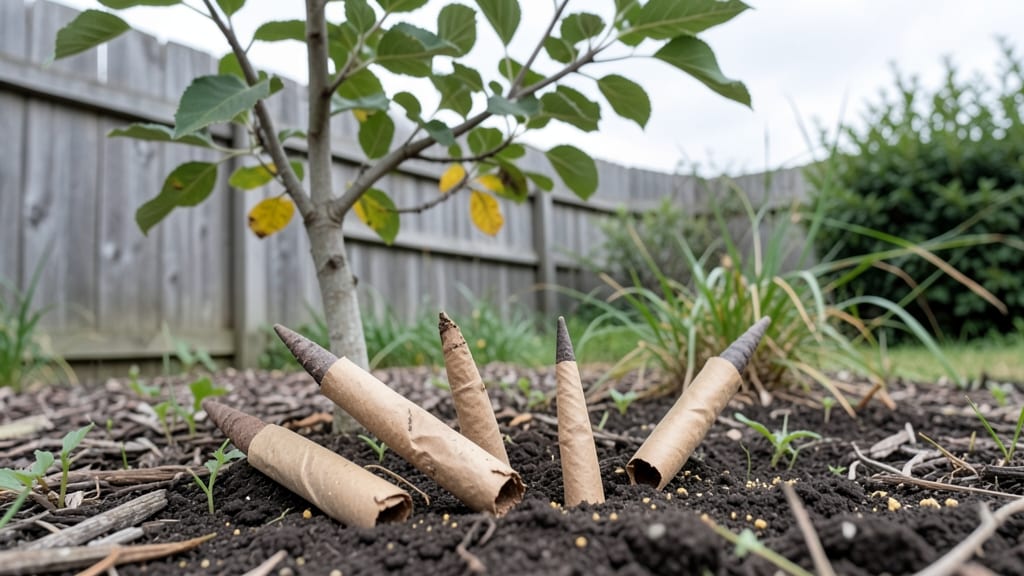
Fertilizer spikes for fruit trees are the lazy gardener’s secret weapon—no messy bags, no guesswork, just steady growth all season long. 🌳 I remember the first time I used them on my apple tree: instead of wrestling with granular fertilizer and uneven distribution, I just hammered in a few spikes and watched the leaves turn a deeper green within weeks.
The beauty of spikes is their simplicity: just measure your tree’s trunk diameter, pick the right size, and drive them into the soil near the drip line. No math, no spills, and no wondering if you overdid it.
They release nutrients slowly, so you don’t have to remember monthly feedings—just pop in new ones every 3-6 months depending on your tree’s hunger.
What you’ll get is fruit trees that look like they’re on steroids—thicker trunks, glossier leaves, and bigger harvests. My peach tree went from producing a handful of small fruits to bursting with juicy peaches after just one season.
Plus, they’re safer for kids and pets than granular fertilizers that can burn roots if overapplied.
Works for citrus, apples, peaches, and even young trees—just adjust the number of spikes based on size. No more digging, no more spills, and no more wondering if you’re doing it right. Let’s get those trees growing!
📚 In This Guide
- What you need
- Instructions
- Tips and common mistakes
- Wrapping up and next steps
What you need
- ● Slow-release fertilizer spikes: Choose fruit-tree-specific spikes (e.g., 18-6-12 NPK ratio) with 6–12 months of nutrient release. Buy 10–20 spikes per tree (depending on size).
- ● Drill or spike driver: A cordless drill with a wood bit attachment (1/4"–3/8" diameter) or a manual spike inserter for precision.
- ● Measuring tape: To mark spike placement 6–12 inches from the trunk in a circular pattern.
- ● Gloves & safety goggles: Protect your hands and eyes from debris.
- ● Watering can or hose: For post-installation hydration (1–2 gallons per tree).
- ● Soil test kit: Check pH (ideal: 6.0–7.0) before installing spikes to avoid nutrient lockout.
- ● Mulch (wood chips or compost): Apply a 2–3 inch layer around the base (keep 6" away from the trunk) to retain moisture.
- ● Labeling flags: Mark spike locations if you’re installing multiple rounds per year.
- ● Organic compost tea: Mix with water (1:10 ratio) and pour around the base 1 week before spike installation for a pre-boost.
How to use fertilizer spikes for fruit trees
Skip the messy granules and bags—these spikes make feeding your fruit trees effortless.
🌱 Step 1: Choose the Right Spikes for Your Tree Type
Fertilizer spikes come in formulas tailored to different fruit trees. For citrus, look for spikes labeled for acid-loving plants—they’ll have higher nitrogen and micronutrients like iron. Apple and peach trees thrive on balanced spikes with equal parts nitrogen, phosphorus, and potassium. Check the label for slow-release guarantees; these dissolve over 3-6 months, so you won’t need to reapply often.
I always double-check the spike length against my tree’s root zone. Most spikes are 4-6 inches long, but younger trees need shorter spikes (2-3 inches) to avoid overfeeding shallow roots. If your tree is mature, opt for the longer spikes—they’ll reach deeper soil layers where roots actively absorb nutrients.
✂️ Step 2: Apply Spikes at the Right Time and Depth
Timing matters. For spring-flowering trees (like peaches or cherries), drive spikes into the soil 4-6 weeks before bloom. For summer-bearing trees (like citrus or figs), apply spikes right after harvest. This ensures nutrients are available when the tree needs them most.
Use a hammer or mallet to insert spikes 2-4 inches deep into the soil, about 6-12 inches away from the trunk. Space them evenly in a circle around the drip line—that’s where the tree’s feeder roots live. If your tree is young, stick to one spike per quadrant. Mature trees can handle 2-3 spikes per quadrant, but never overlap application zones.
💧 Step 3: Water Immediately After Application
After inserting the spikes, water deeply to activate the slow-release nutrients. Aim for 1-2 gallons per spike, soaking the soil 6-8 inches down. This helps the spikes dissolve evenly and prevents salt buildup around the roots. I like to use a soaker hose for this—it delivers water right where it’s needed without disturbing the spikes.
Watch for yellowing leaves in the days after application. This usually means the spikes are working, but if the yellowing spreads beyond the outer leaves, you’ve overdone it. Cut back on watering for a week and monitor closely. The goal is steady, not sudden, nutrient uptake.
☀️ Step 4: Monitor and Repeat Seasonally
Fruit trees need two applications per year for optimal growth. The first is in early spring (as mentioned earlier), and the second comes 6-8 weeks after harvest. This timing ensures the tree has nutrients for root growth in spring and fruit development in summer/fall. Keep an eye on your tree’s leaves—dark green and glossy means it’s happy; pale or curled means it’s time to reassess your spike schedule.
Real talk: I’ve seen gardeners skip the second application, and their trees still produce fruit. But the difference in fruit size, sweetness, and yield is noticeable. If your tree is struggling—maybe it’s in poor soil or had a rough winter—add a third application in late winter to give it a boost.
⏰ Step 5: Adjust for Special Conditions
If your tree is in sandy soil, spikes will dissolve faster, so check the soil every 2 months and reapply if needed. For clay soil, nutrients release slower—wait the full 6 months before reassessing. Container-grown trees need more frequent feeding (every 3-4 months) because roots have less access to nutrients.
Here’s the thing—if your tree is newly planted, hold off on spikes for the first year. Instead, focus on watering deeply and mulching well. After that, you can ease into the spike routine. And if your tree is stressed (from drought, pests, or disease), skip the spikes and address the root cause first. Nutrients won’t fix what’s already broken.
Tips & tricks for perfect fertilizer spike application
These simple tricks will help you maximize your fertilizer spikes for healthier fruit trees with minimal effort.
Spike Selection: Always read the label carefully—spikes aren't one-size-fits-all. For example, citrus trees need acid-loving spikes with extra iron, while apple trees do better with balanced spikes. I've seen people use the wrong type and wonder why their trees weren't thriving. The 3-6 month slow-release guarantee means you won't need to reapply constantly, but don't assume all spikes work the same!
Root Zone Awareness: In Step 1, when choosing spike length, remember that younger trees have shallower roots. Use 2-3 inch spikes for saplings and 4-6 inch spikes for mature trees. The deeper roots of established trees can handle the longer spikes without overfeeding. I learned this the hard way after over-fertilizing a young peach tree and nearly burning its roots.
Application Timing: The 4-6 weeks before bloom window for spring-flowering trees is critical. If you miss it, you'll be fertilizing when the tree is already focusing energy on fruit production. For summer-bearing trees, applying right after harvest gives them nutrients for next year's growth. I mark my calendar with bloom dates and harvest times so I never miss the window.
Watering Technique: Don't just splash water around the base—aim for 1-2 gallons per spike to soak the soil 6-8 inches deep. I use a soaker hose for this because it delivers water directly to the root zone without disturbing the spikes. Proper watering activates the slow-release nutrients and prevents salt buildup that can damage roots.
Pro Tips for Fertilizer Spikes For Fruit Trees
- These simple tricks will help you maximize your fertilizer spikes for healthier fruit trees with minimal effort.
- Spike Selection: Always read the label carefully—spikes aren't one-size-fits-all.
- Root Zone Awareness: In Step 1, when choosing spike length, remember that younger trees have shallower roots.
Frequently asked questions
Got questions about using fertilizer spikes for your fruit trees?
You’re not alone! Here are some of the most common concerns—and straightforward answers—to help you grow confidently.
How often should I apply fertilizer spikes to fruit trees?
Most spikes are designed for seasonal use—typically 2–4 times per year, depending on the brand. Check the packaging for timing (e.g., spring, summer, or fall). For heavy feeders like peaches or plums, follow the recommended schedule to avoid over-fertilizing. Pro tip: Skip winter applications unless your climate is mild.
Can I use fertilizer spikes on newly planted fruit trees?
Yes, but wait 6–12 months after planting to let roots establish. Young trees are sensitive to spikes’ concentrated nutrients. Start with half the recommended dose and monitor for leaf burn. For container-grown trees, follow the spike instructions carefully—overdoing it can stress delicate root systems.
Are fertilizer spikes cheaper than granular or liquid fertilizers?
Cost varies, but spikes are often more budget-friendly per application because they require less product. A single spike can replace a bag of granular fertilizer for one tree. However, long-term costs depend on your tree’s needs—spikes are convenient but may not replace soil amendments for heavy feeders. Compare prices per "feeding" to decide!
What should I do if my fruit tree leaves turn yellow after using spikes?
Yellowing leaves often signal over-fertilization or nutrient burn. Flush the soil with water to dilute excess salts, and hold off on spikes for 2–3 months. If the issue persists, test your soil’s pH (ideal: 6.0–7.0 for most fruit trees). Pro tip: Water deeply before applying spikes to prevent root damage.
Can I mix fertilizer spikes with other fertilizers?
Avoid mixing spikes with other slow-release or high-nitrogen fertilizers to prevent nutrient overload. If you use organic compost or manure, apply them separately—compost in spring, spikes in early summer. Exception: Some spikes are labeled "compatible" with compost; always read the instructions!
Should I use spikes in winter for cold-climate fruit trees?
Generally, no. Winter applications can burn roots in freezing temps. Focus on late fall or early spring (before bud break). For evergreens or subtropical trees, follow the spike’s climate-specific guidelines. Pro tip: Mulch heavily in winter to protect roots from temperature swings.
Wrapping up and next steps
Growing lush, bountiful fruit trees doesn’t have to be a messy or complicated task—fertilizer spikes are your secret weapon for year-round nutrition with minimal effort! 🌳✨ By choosing the right spikes, applying them at the perfect times, and monitoring your trees’ needs, you’ll set the stage for healthier roots, bigger blooms, and tastier harvests.
Whether you’re a seasoned gardener or just starting out, these simple steps make fertilization feel like a breeze.
Ready to transform your fruit trees into thriving powerhouses? Start small—pick one tree, test a few spikes, and observe the results. Soon, you’ll be confidently balancing nutrients and watching your orchard flourish. Happy growing!