
Trees
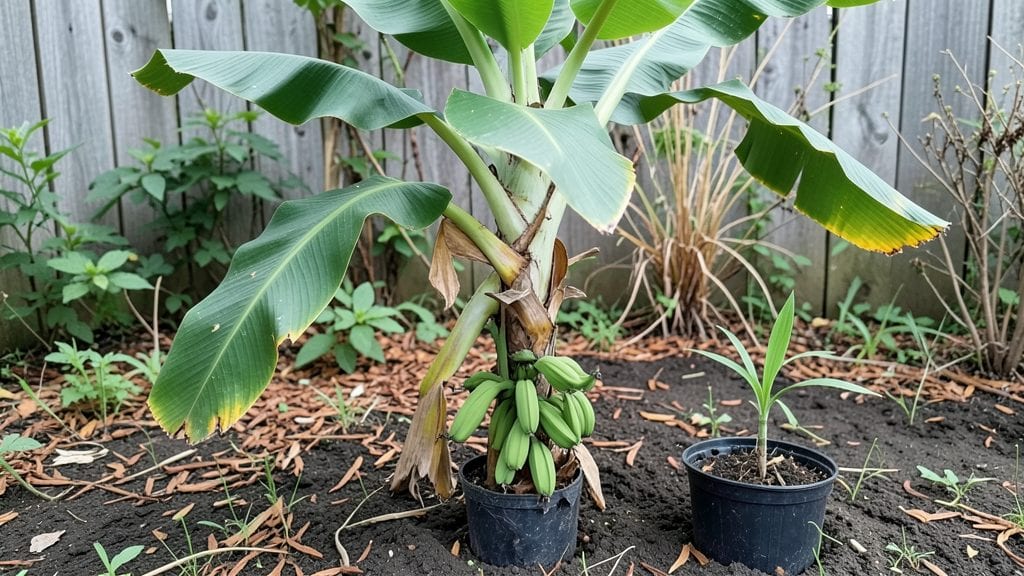
Raising banana trees from scratch is easier than you think—even in containers. 🌱 I’ve grown them in pots on my Florida patio, and they produce fruit just as reliably as in-ground plants.
The key is mimicking their tropical roots: warm soil, consistent moisture, and the right variety for your climate zone.
Start with a dwarf variety like ‘Dwarf Cavendish’ or ‘Lady Finger,’ both perfect for home gardens. You’ll need well-draining soil mixed with compost, a spot that gets 6+ hours of sunlight daily, and a container at least 15 gallons if growing in pots.
Bananas thrive in zones 10-12 but can survive cooler areas with winter protection.
Within 12-18 months, you’ll see those iconic banana leaves unfurl—and with proper care, your first fruit appears in 2-3 years. The sweet, creamy rewards make the wait worth it, especially when you’re harvesting directly from your own backyard or balcony.
No pesticides needed if you keep pests in check.
Whether you’re in a warm climate or a cooler zone with winter wraps, this method adapts. The biggest mistake? Overwatering or letting the soil dry out completely. Stick to the routine, and you’ll have a productive banana tree that’s far more rewarding than store-bought fruit.
📚 In This Guide
- What you need
- Instructions
- Tips and common mistakes
- Wrapping up and next steps
What you need
- ● Banana plant pup (sucker): 1 healthy, disease-free pup (6–12 inches tall) from a mature banana tree. Pro tip: 💡 Choose a variety suited to your climate (e.g., 'Cavendish' for warmer zones or 'Red Dacca' for colder areas).
- ● Well-draining soil: 5–10 gallons of a mix of: 60% potting soil or garden loam
- ● 30% compost or aged manure
- ● 10% perlite or coarse sand (for aeration)
- ○ Container (if using): 1 large pot (15+ gallons) with drainage holes or a fabric grow bag (24+ inches deep). ✨ Optional: Add a saucer for water runoff.
- ● Organic mulch: 2–3 inches of straw, wood chips, or pine bark to retain moisture and regulate temperature.
- ● Balanced fertilizer: 10-10-10 or 8-3-9 (organic options like fish emulsion or banana peel tea work too!).
- ● Garden trowel or shovel: For planting and soil prep.
- ● Pruners or sharp knife: To trim dead leaves or excess suckers.
- ● Watering can or hose with nozzle: Banana trees love consistent moisture (1–2 inches per week).
- ● Support stake or trellis: 1–2 bamboo stakes or a cage (6+ feet tall) to secure the plant as it grows.
- ○ Spray bottle (optional): For misting leaves in dry climates.
- ○ pH test kit (optional): Aim for soil pH 5.5–7.0 (bananas thrive in slightly acidic to neutral soil).
- ● Sunlight: Full sun (6+ hours daily) or partial shade in scorching climates.
- ● Warmth: Banana trees hate frost—plant after the last frost date in your zone (or grow indoors near a sunny window).
- ● Space: Containers need 12+ inches of space per year for roots; ground-planted trees require 10+ feet of diameter for mature growth.
Step-by-Step guide to raising banana trees
Here's how I've successfully grown banana trees from propagation to fruiting—whether in pots or planted directly.
🌱 Step 1: Select and Prepare Your Banana Plant
Start with a healthy banana plant from a nursery or propagate from a mature plant's suckers. Look for suckers that are at least 12-18 inches tall with 3-4 leaves—these have the energy to establish roots quickly. If using a nursery plant, choose one with vibrant green leaves and no brown spots, which signal disease or stress.
Before planting, trim any damaged leaves or yellowing fronds with clean, sharp pruners. This reduces stress on the plant and directs energy toward root development. For container growing, ensure your pot is at least 18 inches deep and wide—banana trees have extensive root systems. If planting in ground, choose a location with full sun exposure (6+ hours daily) and well-draining soil.
🪴 Step 2: Plant in Well-Draining Soil
Banana trees thrive in slightly acidic to neutral soil with a pH between 5.5 and 7.0. Mix 2 parts potting soil with 1 part perlite or coarse sand to improve drainage—banana roots rot quickly in soggy conditions. For ground planting, amend the soil with compost or well-rotted manure to enrich it without compacting.
Dig a hole twice as wide as the root ball but only as deep. Place the banana plant in the hole, ensuring the base of the stem sits just above soil level. Backfill with soil, pressing gently to eliminate air pockets. Water deeply to settle the soil and encourage root contact. Avoid overwatering immediately—banana trees prefer slightly moist soil, not soggy conditions.
☀️ Step 3: Provide Warmth and Consistent Care
Banana trees love warmth and humidity. In containers, keep them in a location where temperatures stay above 60°F—they’ll struggle in cold drafts or frost. If growing outdoors in cooler climates, move pots indoors during winter or use a greenhouse. Mulch around the base with 2-3 inches of organic mulch to retain moisture and regulate soil temperature.
Fertilize monthly during the growing season with a balanced, water-soluble fertilizer (10-10-10 or similar). Reduce feeding in winter when growth slows. Watch for new leaves—healthy banana plants produce 1-2 new leaves per month during active growth. If leaves yellow or wilt, it’s often a sign of overwatering or nutrient deficiency.
✂️ Step 4: Prune and Support for Fruit Production
Remove any dead or diseased leaves promptly to prevent pests and diseases from spreading. As the plant matures, you’ll notice a large central leaf (the "mother leaf") that eventually dies. Once it turns brown and dries, cut it off at the base—this signals the plant to redirect energy toward fruit production. New suckers will emerge from the base; choose the strongest one to replace the mother plant.
Banana trees need support as they grow. Install a sturdy stake or trellis near the plant and tie the stem loosely with soft plant ties as it grows. This prevents the heavy pseudostem from bending or breaking under wind or fruit weight. Harvest bananas when the fruit is fully colored but still slightly firm—overripe bananas on the tree won’t ripen properly off the plant.
💧 Step 5: Monitor and Adjust for Long-Term Success
Water banana trees deeply 2-3 times per week during the growing season, adjusting for rainfall. Let the top 2 inches of soil dry out between waterings to prevent root rot. In containers, check soil moisture daily—potted plants dry out faster. If the soil feels dry to the touch, water thoroughly until it drains from the bottom.
Watch for pests like aphids or spider mites, which thrive in dry conditions. Spray leaves with water regularly to deter pests and keep the plant hydrated. If you notice brown spots or holes in leaves, treat with neem oil or insecticidal soap. With consistent care, your banana tree can produce fruit within 1-2 years—patience is key, as they grow quickly once established.
Tips & tricks for perfect banana tree cultivation
Growing banana trees successfully requires understanding their unique needs—here are my hard-earned insights to help you avoid common pitfalls and maximize your tropical harvest.
Sucker Selection: When choosing suckers in Step 1, look for ones that are at least 12 inches tall with vibrant green leaves—this indicates they have enough stored energy to establish strong roots. I've learned the hard way that smaller suckers often struggle to thrive, especially in containers where space is limited. For container growing, select the most robust sucker and remove others to prevent competition for nutrients.
Soil Mix Matters: The 2:1 ratio of potting soil to perlite or sand in Step 2 is crucial—banana roots need excellent drainage to prevent rot, but they also require moisture retention. I recommend adding a handful of worm castings to your mix for extra nutrients. If you're planting in ground, test your soil's pH first; banana trees prefer slightly acidic to neutral soil (5.5-7.0), and adjusting with sulfur or lime may be necessary.
Temperature Management: Maintaining temperatures above 60°F as mentioned in Step 3 is non-negotiable for banana trees. In cooler climates, I've found that using a small greenhouse or even a clear plastic cover during winter can make all the difference. Banana trees are tropical plants at heart—they'll reward you with faster growth and better fruiting when kept warm. Consider using a heat mat for container plants in winter months.
Pruning Strategy: When that mother leaf turns brown in Step 4, don't be tempted to cut it off early—wait until it's completely dried and crispy. This signals the plant to redirect all its energy toward fruit production. I've seen plants that produced fruit sooner when we followed this exact timing. After pruning, choose your replacement sucker carefully—it should be at least 6 inches tall with healthy leaves to ensure a smooth transition.
Pro Tips for Raise Banana Trees
- Growing banana trees successfully requires understanding their unique needs—here are my hard-earned insights to help you avoid common pitfalls and maximize your tropical harvest.
- Sucker Selection: When choosing suckers in Step 1, look for ones that are at least 12 inches tall with vibrant green leaves—this indicates they have enough stored energy to establish strong roots.
- Soil Mix Matters: The 2:1 ratio of potting soil to perlite or sand in Step 2 is crucial—banana roots need excellent drainage to prevent rot, but they also require moisture retention.
Frequently asked questions
Got questions about growing banana trees? You’re not alone! Here are some of the most common queries—and their answers—to help you navigate your tropical gardening journey with confidence.
Can I grow a banana tree in a pot, or does it need to be planted in the ground?
Banana trees thrive in containers if you choose the right variety (like Musa basjoo or dwarf types) and provide enough space (at least 18–24 inches in diameter). Just ensure the pot has drainage holes and you repot every 2–3 years as the plant grows. For tropical climates, ground planting is ideal, but containers work beautifully for cooler areas or small spaces.
How long does it take for a banana tree to produce fruit?
Patience is key! Most banana trees take 18–24 months to mature and bear fruit from seed. If you start with a potted sapling (like a Musa acuminata), you might see fruit in 1–2 years. Cold-hardy varieties like Musa basjoo are ornamental and won’t produce edible fruit but still offer stunning foliage.
What do I do if my banana tree’s leaves turn yellow or brown?
Yellowing leaves often signal overwatering or poor drainage, while brown tips can mean underwatering or fluoride buildup (common in tap water). Check the soil moisture—it should stay evenly damp but not soggy. If fluoride is the issue, use rainwater or distilled water instead. Cold damage (below 30°F) can also cause browning, so protect your tree in chilly climates.
Can I eat bananas from a homegrown tree, and are they better than store-bought?
Yes! Homegrown bananas are often sweeter, firmer, and more flavorful than commercial varieties, which are picked green for shipping. However, they may not keep as long. If you’re growing Musa acuminata or Musa balbisiana hybrids, expect a shorter shelf life—enjoy them fresh or use them in smoothies, baking, or cooking. Always research your specific variety’s edibility first!
Do banana trees need a lot of sunlight, or can they grow in shade?
Banana trees love full sun (6–8 hours daily) for optimal growth and fruiting. In hot climates, partial shade (morning sun + afternoon shade) can help prevent leaf scorch. If growing indoors or in low-light areas, supplement with grow lights (12–14 hours/day) to keep your tree healthy. Variegated varieties tolerate shade slightly better but may produce fewer fruits.
Wrapping up and next steps
Raising banana trees is a rewarding journey that brings a touch of the tropics to your space—whether in a pot or planted in the ground! 🌿 With the right soil, sunlight, water, and a little patience, you can enjoy lush foliage and even sweet fruit.
Remember, consistency is key, and don’t be afraid to troubleshoot common issues like pests or yellowing leaves.
Now that you’re armed with the knowledge, why not take the next step? Start with a single plant or expand your collection—your tropical oasis awaits! Share your progress with fellow plant enthusiasts or even gift a banana pup to a friend. Happy growing! 🌱