Pruning
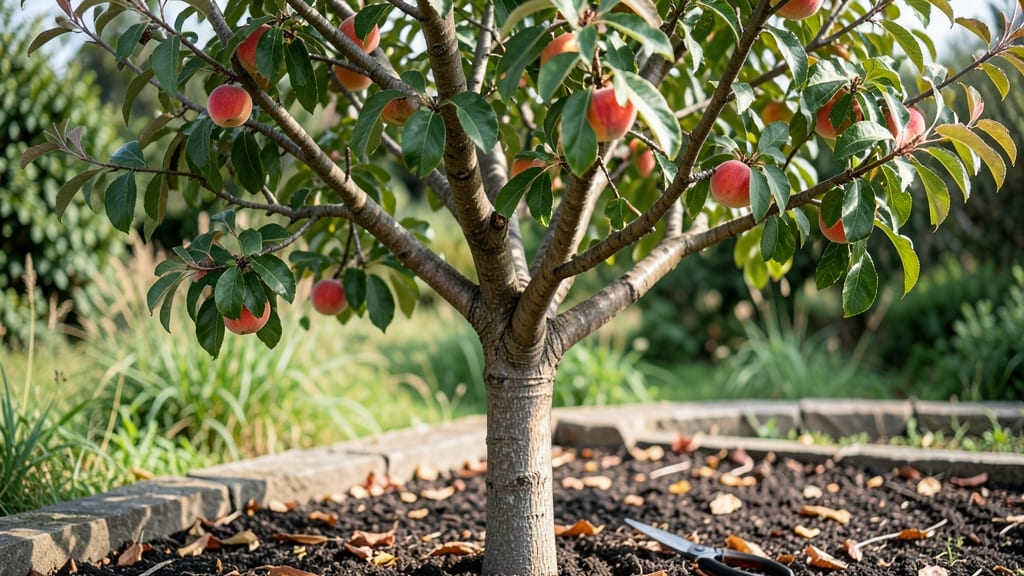
Growing a red peach tree in the Pacific Northwest means choosing the right frost-resistant variety—like 'Redhaven' or 'Suncrest'—and mastering a pruning schedule that keeps it productive year after year. 🌱 I learned the hard way that winter dieback isn’t inevitable when you time your cuts just right.
The key is balancing fruit production with cold protection, and the PNW’s damp winters add another layer of strategy.
You’ll need sharp pruners, a ladder for taller branches, and a clear calendar marking late winter (before buds swell) and summer (after harvest) as your pruning windows. The goal is to open the canopy for sunlight while protecting tender wood from late frosts.
My trees now produce hundreds of juicy peaches each summer, thanks to this precise timing and a few extra tricks.
What you’ll end up with is a tree that thrives despite the region’s challenges—fewer split fruits, stronger branches, and harvests that stretch into early fall. The first year is about shaping the structure; by year three, you’ll see how much easier maintenance becomes when you prune like a pro.
Let’s get those branches in line!
This method works for both backyard orchards and container-grown trees, though dwarf varieties need slightly lighter pruning. The PNW’s wet springs mean you’ll also want to watch for fungal issues, but a well-pruned tree handles humidity better. Ready to turn that bare branch into a peach-producing powerhouse?
📚 In This Guide
- What you need
- Instructions
- Tips and common mistakes
- Wrapping up and next steps
What you need
- ● Pruning shears: Bypass pruners (sharp, sterilized) for small branches (1/4"–3/4" diameter).
- ● Loppers: Bypass or anvil type (for branches 3/4"–2" diameter). Test tension before buying!
- ● Pruning saw: Curved-tooth saw for thicker branches (2"–4" diameter). Carbon steel blade recommended.
- ● Disinfectant: 70% isopropyl alcohol or 10% bleach solution (1 part bleach to 9 parts water) to sterilize tools between cuts.
- ● Gloves: Heavy-duty, cut-resistant gloves (e.g., Mechanix Wear or Tiger Claw).
- ● 5-gallon bucket: For collecting debris (or a tarp if you prefer composting).
- ○ Pruning sealant: Optional but helpful for large cuts (>1" diameter) to prevent disease (e.g., Tanglefoot Tree Wound Pruning Seal).
- ● Ladder: Extendable or step ladder (6–10 ft) for taller trees.
- ● Work gloves: Lightweight, breathable gloves for comfort during long sessions.
- ● Tree wrap: If your tree has fresh cuts, use tree wound dressing (like Dynamat) to protect from pests.
- ● Notebook & pen: To sketch your pruning plan or track growth progress.
- ● Safety glasses: Protect your eyes from debris, especially when using a saw.
- ● Know your red peach tree variety—some (like 'Redhaven' or 'Suncrest') are more frost-hardy than others!
- ● Check the USDA Hardiness Zone for your PNW location (Zones 7–9 are ideal for red peaches).
- ● Review your last year’s pruning notes (if available) to avoid over-pruning.
- ● Schedule pruning on a dry, overcast day to minimize stress on the tree.
Step-by-Step guide to pruning a frost-resistant red peach tree in the PNW
Here's how I keep my PNW peach tree thriving through cold winters and rainy springs.
✂️ Step 1: Prune for Winter Hardiness in Late Fall
After leaves drop but before hard frosts, remove any dead, diseased, or crossing branches—these are weak points where cold air collects. I look for branches thinner than a pencil or those rubbing against others; these will break under ice or snow. Use clean, sharp pruners to make cuts at a 45-degree angle, about ¼ inch above an outward-facing bud. This encourages new growth away from the center of the tree.
Real talk: Don't overdo it. You're not shaping the tree yet—just cleaning up. Aim to remove no more than 20% of the foliage in this first cut. The goal is to reduce stress before winter sets in. If you're unsure which branches to cut, snap a photo and compare it to healthy PNW peach trees online—they'll have a more open, vase-like shape.
⏰ Step 2: Light Pruning in Early Spring (Before Bud Break)
When daytime temperatures hit 50°F consistently but buds haven't swollen yet, do a second light pruning. This is where you shape the tree for airflow and sunlight penetration. Remove any suckers (shoots growing from the base) and water sprouts (vertical shoots growing from the trunk or branches). These compete with fruit-bearing wood for energy.
I focus on opening the center of the tree by cutting back branches that crisscross or grow inward. Make cuts just outside the branch collar—the swollen area where the branch meets the trunk. This prevents wounds from healing poorly in cold, wet PNW weather. If you see any mummified fruit (dried-up peaches from last year), remove those too—they harbor pests and diseases.
☀️ Step 3: Summer Pruning After Harvest (June-July)
Once you've harvested your peaches, it's time for summer thinning. This isn't about removing branches—it's about selective pruning of individual limbs to improve fruit quality and tree health. Look for branches that are too crowded or growing straight up (they'll block light). Cut these back to a side bud or lateral branch to encourage outward growth.
Watch for sucker growth again—these pop up after harvest as the tree recovers. Remove them immediately with your fingers or pruners, as they drain energy from fruit production. Thin out overlapping branches so air circulates freely; this reduces humidity inside the tree, which prevents fungal diseases like brown rot—a common PNW peach tree enemy.
✂️ Step 4: Final Light Pruning in Late Summer (August-September)
About 6-8 weeks before your first frost, do one last light pruning to prepare for winter. Focus on removing any weak, diseased, or damaged growth that appeared during the summer. This is also the time to shorten last year's fruit spurs (the small branches where peaches grow) by one-third to encourage next year's bloom.
Seal any large cuts (over ½ inch in diameter) with pruning sealant to protect against fungal infections. For smaller cuts, no sealant is needed—the tree's natural healing response is faster. Avoid heavy pruning now; you want the tree to harden off before winter. If you're in a colder PNW microclimate (like the mountains), push this pruning back to early September to give the tree more time to recover.
🌱 Step 5: Post-Pruning Care for Frost Resistance
After pruning, give your peach tree a deep watering to help it recover. Spread 2-3 inches of mulch (like wood chips or straw) around the base, but keep it 6 inches away from the trunk to prevent rot. This mulch acts like a blanket, protecting roots from freeze-thaw cycles common in PNW winters.
I also apply a balanced fertilizer (like 10-10-10) in early spring to replenish nutrients lost during pruning. Avoid high-nitrogen fertilizers in late summer—they encourage tender new growth that won't survive frost. If your peach tree is young (under 5 years), hold off on heavy fertilizing until it's established; frost resistance comes from root strength, not just top growth.
Tips & tricks for pruning a frost-resistant red peach tree in the PNW
Pruning your red peach tree properly is the key to surviving PNW winters—and these tricks will help you avoid common mistakes that can stress your tree.
Timing is Everything: The 50°F threshold in Step 2 is critical because it ensures buds haven't started swelling yet. If you prune too early, the tree is still vulnerable to late frosts. If you wait too late, you risk encouraging new growth that won't harden off before winter. Check your local frost dates and plan your spring pruning accordingly—this is especially important in colder PNW microclimates like the mountains.
Branch Collar Matters: In Steps 2 and 4, when making cuts just outside the branch collar, don't cut too close to the trunk. The collar contains protective cells that help wounds heal properly in our damp PNW climate. If you accidentally cut into the collar, the wound won't seal well and may become an entry point for fungal infections. A good rule of thumb is to leave at least 1/8 inch of collar intact—this small detail makes a huge difference in winter survival.
Sucker Control Strategy: Those pesky suckers in Step 3 can drain your tree's energy faster than you think. I've found that removing them immediately with your fingers (no need for pruners) works best. The key is consistency—check for new suckers every 2-3 weeks after harvest. Pro tip: If you have a young tree, consider wrapping the trunk with tree guard to prevent suckers from emerging at the base in the first place.
Mulch Placement Precision: When applying that 2-3 inches of mulch in Step 5, precision matters. The 6-inch clearance from the trunk isn't just about preventing rot—it also helps regulate soil temperature. Too much mulch piled against the trunk can actually trap moisture and encourage rot. For extra frost protection in colder areas, consider adding a layer of straw mulch on top of your regular mulch—this creates an insulating blanket effect.
Pro Tips for Red Peach Tree
- Pruning your red peach tree properly is the key to surviving PNW winters—and these tricks will help you avoid common mistakes that can stress your tree.
- Timing is Everything: The 50°F threshold in Step 2 is critical because it ensures buds haven't started swelling yet.
- Branch Collar Matters: In Steps 2 and 4, when making cuts just outside the branch collar, don't cut too close to the trunk.
Frequently asked questions
Got questions about your red peach tree? Whether you're a pruning pro or a first-timer, these answers will help you keep your tree thriving in the Pacific Northwest’s unique climate.
When is the best time to prune a red peach tree in the PNW?
The ideal time is late winter to early spring (February–March), before buds swell. This timing avoids frost damage while promoting strong growth. If you must prune in summer, do it after harvest to prevent disease spread. Learn more about PNW-specific pruning windows.
How do I protect my red peach tree from frost in the Pacific Northwest?
PNW frost can be tricky! Use frost cloths or row covers on young trees or during late-season blooms. Avoid overhead watering before frost—wet leaves freeze faster. For mature trees, prune to improve airflow and reduce frost pockets. Discover frost-resistant varieties suited for your zone.
What if my red peach tree’s branches are dying after pruning?
Don’t panic! Dead or diseased branches should be removed immediately (cut 6–12 inches below the damage). If new growth is slow, check for bacterial leaf spot or peach leaf curl—common in PNW. Sterilize tools with 70% rubbing alcohol to prevent spread. Identify common peach tree diseases here.
Can I grow a red peach tree in a container, or does it need a yard?
Red peach trees thrive in containers if the pot is at least 24 inches wide/deep with drainage holes. Use well-draining soil and repot every 2–3 years. However, they’ll need full sun (6+ hours/day) and winter protection (move indoors or use insulation). Dwarf varieties like ‘Bonanza’ are perfect for small spaces! See container-grown care tips.
Why aren’t my red peach tree’s fruits ripening evenly?
Uneven ripening often stems from inconsistent sunlight or overcrowded branches. Thin fruit to 6–8 inches apart early in the season to improve size/quality. Check for pests like oriental fruit moths (common in PNW) and use organic sprays if needed. Troubleshoot ripening issues with this guide.
Still stumped? Drop your question in the comments—we’re happy to help your red peach tree shine!
Wrapping up and next steps
Growing a red peach tree in the Pacific Northwest is totally doable—even with frost!
By following this pruning calendar, you’ll keep your tree healthy, productive, and beautiful year-round. 🌸 Whether you’re a seasoned gardener or just starting out, a little strategic trimming goes a long way in ensuring your tree thrives.
Ready to take the next step? Mark your calendar, gather your tools, and get pruning! With patience and care, your red peach tree will reward you with delicious fruit and stunning blooms for seasons to come. Happy gardening! 🌱