
How To
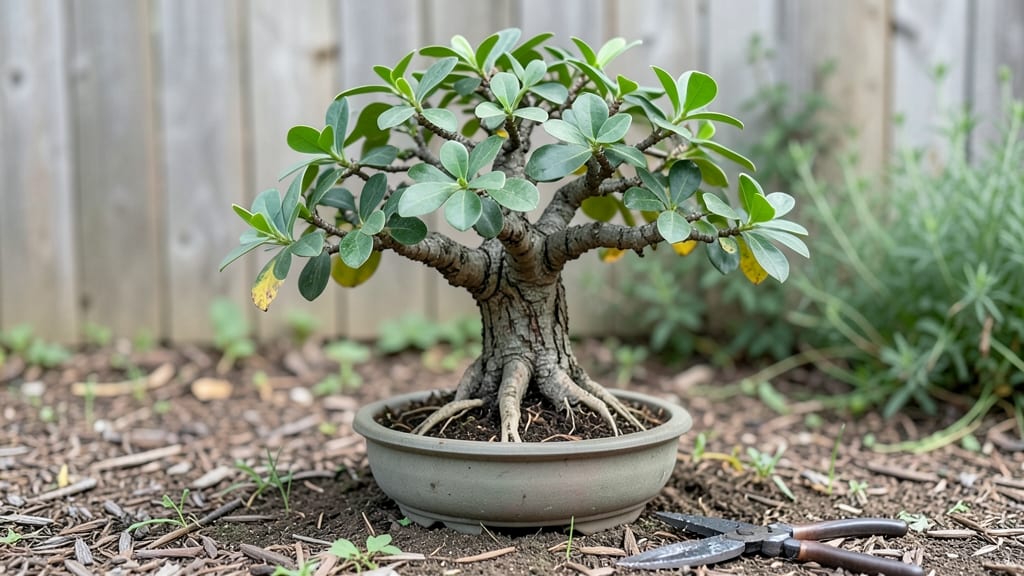
Pruning a bonsai tree isn’t just about trimming branches—it’s the secret to keeping your miniature masterpiece healthy and thriving for decades. I’ve spent years shaping my own collection, and the difference between a thriving bonsai and a struggling one often comes down to when and how you prune.
The right cuts encourage new growth, maintain the tree’s shape, and even strengthen its structure over time.
Start by gathering your tools: sharp bonsai scissors for fine cuts, a wire cutter for shaping branches, and a small brush to clean up debris. Timing matters too—spring and early summer are ideal for most species, while deciduous trees can handle light pruning in late fall.
The key is to work slowly, making small adjustments rather than drastic cuts, so you don’t shock the tree. Confidence comes with practice, but even a few careful snips will make a noticeable difference in just a few weeks.
📚 In This Guide
- What you need
- Instructions
- Tips and common mistakes
- Wrapping up and next steps
What you need
- ● Sharp bonsai scissors or shears – Choose high-quality, precision pruners (e.g., Felco or Corona) with a blade length of 4-6 inches for clean cuts.
- ● Concave cutters – Ideal for branch removal (1-2 pairs, depending on tree size).
- ● Wire cutters – If your bonsai uses training wire (small, sturdy pair for 1-2mm wire).
- ● Rubbing alcohol (70%+) – Sanitize tools before/after use (small bottle, 2-4 oz).
- ○ Pruning saw – For thick branches (>¼ inch) (optional but handy for mature trees).
- ● Horticultural sealant (e.g., Tree Topp®) – Prevents sap bleeding (small jar, ~2 oz).
- ○ Rooting hormone (optional) – For cuttings (powder or gel, ~1 oz).
- ● Gloves – Protects hands from sap or thorns (lightweight gardening gloves).
- ● Tray or bucket – Collects clippings/debris (any shallow container).
- ○ Notebook & pen – Sketch your tree’s shape before pruning (optional but helpful!).
- ● Know your bonsai’s species – Research pruning seasons (e.g., deciduous trees prune in late winter; evergreens in early spring).
- ● Healthy tree – Avoid pruning if the tree is stressed, diseased, or dormant.
- ● Good lighting – Natural light helps you spot details (near a window or outdoors).
- ● Patience – Bonsai pruning is an art, not a rush!
Step-by-step guide for pruning a bonsai tree
Pruning isn’t just about shaping—it’s about keeping your bonsai alive and thriving. Here’s how to do it right.
Gather Your Tools and Assess the Tree
Start by sharpening your concave bonsai scissors—dull blades crush stems instead of cutting cleanly. You’ll also need a wire cutter for any shaping wires and a small brush to clean up debris. Before making any cuts, examine the tree for dead or diseased branches. These should be removed first, as they drain energy and invite pests.
Look for branches that cross or grow inward—they’ll rub against each other as the tree moves, creating wounds. Also, check for stems that are too thick for the tree’s size; these can be thinned to maintain balance. I always prune in the early spring, just as new growth begins, but avoid pruning during flowering or fruiting unless absolutely necessary.
Prune for Structure and Health
Begin with structural pruning—this is where you shape the tree’s silhouette. Use your scissors to trim back branches to the nearest bud or joint, making cuts at a 45-degree angle just above it. This encourages new growth in the right direction. For thicker branches, make the cut just outside the branch collar (the swollen area where the branch meets the trunk) to prevent damage.
Don’t remove more than one-third of the foliage in a single session—this stresses the tree. If you’re unsure, err on the side of caution and prune less. Watch for new growth buds along the stems; these tell you where the tree naturally wants to grow. Pruning too aggressively here can stunt future development, so I like to leave a few extra buds as a buffer.
Thin Out Crowded Branches
Thinning is about opening up the tree’s interior to improve airflow and light penetration. Remove branches that grow directly behind others, as they’ll be shaded and weak. Use your scissors to cut these branches back to their base, right where they meet the trunk or another branch. This step is critical for preventing fungal issues and encouraging stronger, healthier growth.
Pay special attention to the lower branches. If they’re too dense, the tree’s roots won’t get enough oxygen, and the soil can stay damp too long. I often remove a few of the oldest, thickest branches from the bottom to create a more natural, age-appropriate look. Just remember: less is more. A bonsai should look refined, not stripped.
Refine the Canopy and Wires
Now it’s time to fine-tune the canopy. Use your scissors to trim back any branches that are growing too long or out of place. Aim for a balanced, harmonious shape—think of the tree as a miniature version of its species in nature. For example, a pine bonsai should have a more irregular, natural look, while a deciduous tree like a maple can be more refined.
If your bonsai has shaping wires, now’s the time to check them. Gently bend branches into position, but don’t wrap the wire too tightly—it should be snug enough to hold the branch but not so tight that it cuts into the bark. Remove any wires that have been in place for more than 3-4 months, as they can leave permanent scars if left too long.
Clean Up and Monitor Growth
After pruning, use your small brush to remove any fallen leaves or debris from the soil surface. This keeps the area clean and reduces the risk of mold or pests. Water the tree lightly to help it recover from the stress of pruning, but avoid overwatering—bonsai trees are sensitive to root rot, especially after heavy pruning.
Place your bonsai in a spot with bright, indirect light for a few days to recover. Over the next few weeks, watch for new growth. If you see soft, vibrant new leaves, your pruning was successful. If the tree looks weak or stops growing, you may have pruned too aggressively. Adjust your approach for next time—bonsai pruning is a learning process, and every tree responds differently.
Tips & tricks for perfect bonsai pruning
Pruning your bonsai isn't just about aesthetics—it's about keeping your tree thriving. Here are the key strategies I've learned after years of working with bonsai that'll help you avoid common pitfalls and achieve the best results.
Tool Preparation: Before you begin, take 5 minutes to properly sharpen your concave bonsai scissors. A dull blade will crush stems instead of making clean cuts, which can damage the tree and invite infections. I like to use a fine-grit sharpening stone to maintain the blade's edge between pruning sessions. Also, make sure your wire cutter is clean and sharp—rusty or dull tools can leave jagged edges that harm the branches.
Seasonal Timing: Early spring is the ideal time to prune most bonsai species, just as new growth begins. This timing allows the tree to recover quickly and grow new foliage. However, if you notice dead or diseased branches at any time of year, remove them immediately to prevent the spread of problems. I've learned the hard way that waiting for the "right season" can sometimes mean losing a branch entirely to disease.
Structural Pruning Technique: When making structural cuts in Step 2, focus on cutting just above a bud at a 45-degree angle. This angle helps water run off the cut, preventing rot. For thicker branches, always cut just outside the branch collar—the swollen area where the branch meets the trunk. This technique promotes faster healing and reduces the risk of infection. I've seen many beginners make cuts too close to the trunk, which can girdle the branch and kill it.
Thinning Strategy: In Step 3, prioritize removing branches that grow directly behind others. These shaded branches will never receive enough light to thrive and can create a dense, unhealthy canopy. When thinning, don't be afraid to remove entire branches back to their base if they're not contributing to the tree's overall shape. Remember, the goal is to create a balanced, open structure that allows light and air to reach all parts of the tree.
Pro Tips for Prune A Bonsai Tree
- Pruning your bonsai isn't just about aesthetics—it's about keeping your tree thriving.
- Tool Preparation: Before you begin, take 5 minutes to properly sharpen your concave bonsai scissors.
- Seasonal Timing: Early spring is the ideal time to prune most bonsai species, just as new growth begins.
Frequently asked questions
Got questions about pruning your bonsai?
Here are answers to the most common ones—so you can keep your tree thriving with confidence!
When is the best time to prune a bonsai tree?
The ideal time depends on your tree’s species, but generally, late winter or early spring (before new growth starts) is best for structural pruning. For leaf pruning (pinching), spring and summer work well. Avoid heavy pruning in fall or winter unless dealing with dead or diseased branches.
How much can I prune off a bonsai without harming it?
For most bonsai, never remove more than 25-30% of the foliage at once—this prevents shock. Structural pruning (removing large branches) should be even more conservative (10-15%). Over-pruning stresses the tree and can stunt growth or invite pests. When in doubt, prune less!
What if my bonsai doesn’t grow after pruning?
If your tree seems stagnant, check these first:
- Light: Ensure it’s getting 4-6 hours of direct sunlight daily (adjust based on species).
- Water: Overwatering or underwatering can halt growth. Let soil dry slightly between waterings.
- Fertilizer: Use a balanced bonsai fertilizer (like 10-10-10) every 2-4 weeks during growing seasons.
- Patience: Some trees (like junipers) grow slowly—give it time!
Can I prune a bonsai in the winter?
Yes, but only for maintenance tasks like removing dead, diseased, or crossing branches. Avoid heavy pruning in winter, as dormancy means the tree can’t recover quickly. If you must prune, do it on mild days (above freezing) and keep the tree protected from cold drafts.
What’s the difference between pruning and trimming a bonsai?
| Pruning | Trimming |
|---|---|
| Removes larger branches or stems to shape the tree’s structure and encourage backbone growth. | Involves smaller cuts (like pinching leaves or snipping twigs) to refine foliage density and encourage bushiness. |
| Done with bypass pruners or concaves for clean cuts. | Uses small scissors or your fingers for precise leaf adjustments. |
Pro tip: Combine both techniques—prune structurally in spring, then trim leaves throughout the growing season!
Wrapping up and next steps
Pruning your bonsai tree is both an art and a science—one that rewards patience with stunning, miniature masterpieces. 🌿 By mastering the basics of timing, technique, and tool care, you’ll encourage lush growth, strengthen structure, and keep your tree thriving for years.
Remember, every trim is a step toward refining your bonsai’s beauty, so don’t hesitate to start small and build confidence over time!
Ready to take the next step? Experiment with different styles, like juniper or maple, and explore advanced pruning methods (like wire shaping) to elevate your skills. Your bonsai journey is just beginning—happy pruning! ✂️✨