
Propagation
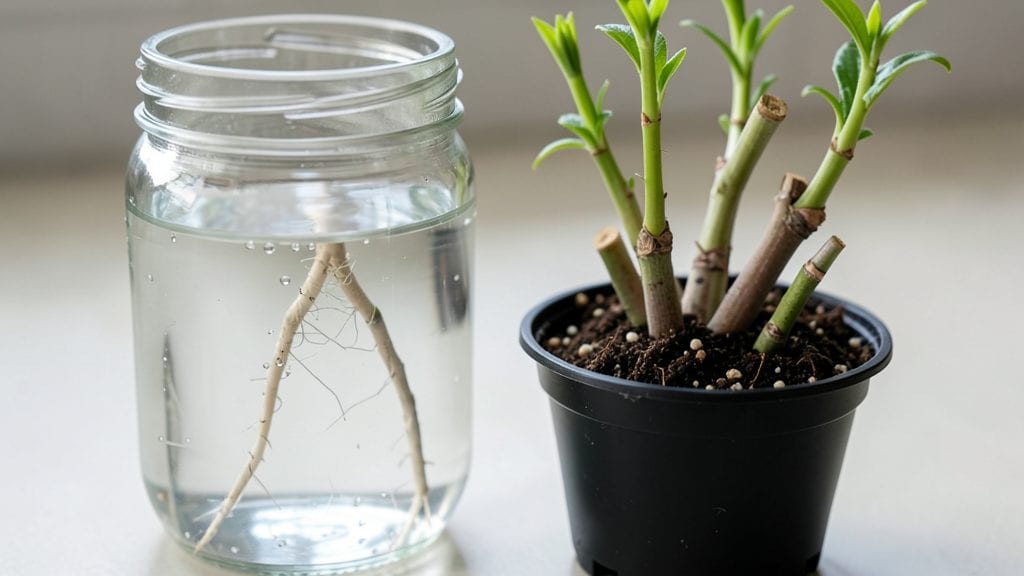
Propagating willow trees from stem cuttings is the fastest way to grow these fast-growing beauties—roots appear in just 2-3 weeks with the right technique. 🌱 I’ve turned dozens of bare branches into thriving saplings using nothing but water and a sunny windowsill, and you can too.
The secret lies in timing and preparation: take 4-6 inch cuttings in late winter or early spring, right before new growth begins. Willow stems root like weeds once you get the balance of moisture and air circulation right—no fancy soil mixes needed. Just clean water, indirect light, and patience.
By summer, your cuttings will have 3-4 feet of new growth, ready to transplant. The best part? Willows tolerate wet feet, so they’re perfect for ponds, streambanks, or even as living fences. Just avoid overcrowding once they mature.
Whether you’re restoring a stream bank or adding privacy screens, willows deliver fast, dramatic results. Let’s get those cuttings rooted and growing—your future shade tree starts now.
📚 In This Guide
- What you need
- Instructions
- Tips and common mistakes
- Wrapping up and next steps
What you need
- ● Willow cuttings: 12–18-inch-long, pencil-thick stems (preferably greenwood from current season’s growth or hardwood from dormant branches). Aim for 5–10 healthy cuttings.
- ○ Rooting hormone: (Optional but recommended) A powder or gel to boost root growth (e.g., clonex or dip ‘n grow).
- ● Containers: Small pots (4–6 inches deep) or a shallow tray with drainage holes. Use 5–10 containers depending on cuttings.
- ● Potting mix: A well-draining blend of perlite, sand, and peat moss (or a 50/50 mix of sand and compost). Avoid heavy garden soil.
- ● Watering can or spray bottle: For gentle hydration (avoid soaking the cuttings).
- ● Pruning shears or sharp knife: Sterilized to make clean cuts (avoid jagged edges!).
- ○ Plastic bag or clear dome: (Optional) To create a humid microclimate (e.g., a ziplock bag with holes or a propagation dome).
- ○ Twine or rubber bands: (Optional) To secure bags/domes in place.
- ● Timing: Best done in late winter/early spring (for hardwood) or summer (for greenwood). Avoid extreme heat or frost.
- ● Location: A bright, indirect light spot (e.g., a sunny windowsill or greenhouse). Willows love moisture but need airflow.
- ● Water source: Access to room-temperature water (avoid tap water if it’s heavily chlorinated—let it sit for 24 hours).
- ● Patience: Root growth can take 2–8 weeks, depending on the willow variety and conditions.
Step-by-step instructions for propagating willow trees
Willow cuttings root faster than most trees—here’s how to harness that speed for your own thriving plants.
🌱 Step 1: Select Healthy Willow Stems
Choose 4-6 foot long stems from current year’s growth—they’re flexible and green, not woody. I look for branches that are about pencil-thick with smooth bark and no signs of disease. Cut just below a leaf node where roots will form most easily. Use clean, sharp pruners to avoid crushing the stem.
Timing matters: take cuttings in late winter or early spring when the tree is still dormant but sap begins to flow. Avoid summer cuttings—they root poorly because the tree is focused on leaf production. Store stems upright in a bucket of water until you’re ready to plant, changing the water every 2-3 days to prevent bacterial growth.
💧 Step 2: Prepare Cuttings for Root Growth
Strip off all but the top 2-3 leaves to reduce water loss. Make a 1-inch diagonal cut at the base of each stem—this increases surface area for root formation. I like to dip the cut end in rooting hormone powder (optional but speeds things up), then plant 1-2 inches deep in a moist, sandy potting mix or directly in water if using the water propagation method.
For water propagation, use a clear container so you can watch roots develop. Change the water weekly to prevent algae and keep it fresh. Roots typically appear in 2-4 weeks—you’ll see tiny white tendrils forming along the submerged stem. Keep the container in bright, indirect light (no direct sun) to avoid overheating the water.
☀️ Step 3: Provide Ideal Conditions for Fast Root Establishment
Willows love moisture, so keep the soil or water consistently damp—never soggy. If planting in soil, use a mix of 50% perlite and 50% peat moss for excellent drainage. Place cuttings in a shaded area (like under a tree canopy) where temperatures stay between 60-75°F. Too much heat causes stress, while cold slows root growth.
Watch for new leaf growth—this signals successful rooting. If leaves yellow or wilt, your cuttings may be getting too much sun or not enough water. After 4-6 weeks, gently tug on the stem. If resistance means roots have formed, it’s time to transplant. For water-propagated cuttings, wait until roots reach 2-3 inches long before moving to soil.
✂️ Step 4: Transplant Young Willow Trees
Choose a moist, sunny location with well-draining soil. Dig a hole twice as wide as the root ball but only as deep as the container. Gently remove the cutting from water or soil, keeping roots intact. Place it in the hole at the same depth it grew in the nursery pot—burying too deep can suffocate the stem.
Water deeply after planting to settle the soil and eliminate air pockets. Mulch around the base with 2-3 inches of organic mulch (like shredded bark) to retain moisture and regulate soil temperature. Willow trees grow aggressively, so give them space—plant 10-15 feet apart to prevent future crowding. Keep soil moist for the first month to help roots establish.
🌿 Step 5: Maintain Growth and Prevent Common Mistakes
Willows are tough but need consistent moisture—especially in their first year. Water deeply once a week (or more in hot weather) until the tree is established. Avoid overwatering, though—soggy soil leads to rot. Fertilize lightly in spring with a balanced 10-10-10 formula to encourage strong growth without overstimulating foliage.
Here’s the thing—willows spread fast. If you’re planting near a pond or stream, expect roots to wander. To control spread, prune back aggressive shoots in early spring before new growth starts. Watch for leaf spot or rust diseases—remove infected leaves immediately and improve air circulation around the tree to prevent outbreaks.
Tips & tricks for perfect willow tree propagation
Willow trees root with surprising speed—here's how to maximize that natural advantage for foolproof success.
Timing is Everything: The late winter to early spring window is critical for fast rooting because the tree's energy is focused on new growth rather than leaf production. If you miss this timing, your next best option is fall planting when the tree begins its dormancy cycle. I've tried summer cuttings, and they take twice as long to root—sometimes failing completely because the tree prioritizes leaf development over root formation.
Cutting Technique Matters: That 1-inch diagonal cut at the base isn't just about aesthetics—it creates more surface area for roots to form. Make sure your cut is clean and precise, just below a leaf node where root hormones naturally concentrate. I've found that using a sharp pruner gives you a smoother cut than a saw, which can crush the stem and prevent proper root development.
Water Propagation Secrets: For water propagation, use a clear container so you can track root development—those tiny white tendrils appear in just 2-4 weeks! Change the water weekly to prevent bacterial growth and algae formation. I've learned the hard way that letting water sit too long turns it murky, which can actually suffocate developing roots. Keep the container in bright, indirect light to maintain the right temperature without overheating the water.
Transplanting Wisdom: When transplanting, the "twice as wide" hole rule is crucial for proper root establishment. This gives the roots plenty of room to spread without crowding. I've made the mistake of planting too deep, which can suffocate the stem—always match the depth of the nursery container. After transplanting, keep the soil consistently moist (not soggy) for the first month to help roots establish in their new location.
Pro Tips for Propagate Willow Trees
- Willow trees root with surprising speed—here's how to maximize that natural advantage for foolproof success.
- Timing is Everything: The late winter to early spring window is critical for fast rooting because the tree's energy is focused on new growth rather than leaf production.
- Cutting Technique Matters: That 1-inch diagonal cut at the base isn't just about aesthetics—it creates more surface area for roots to form.
Frequently asked questions
Got questions about growing willow trees from cuttings?
Here are answers to the most common ones—so you can propagate with confidence!
When is the best time to take willow cuttings?
The ideal time is late winter to early spring (just before new growth starts) or late summer to early fall. Avoid extreme heat or frost—willow cuttings root best in mild, moist conditions. For fastest results, aim for dormancy periods when the tree isn’t actively growing.
How long does it take for willow cuttings to root?
Willow cuttings are fast growers—expect roots in 2–4 weeks if kept in water or moist soil. Check for resistance when tugging gently; tiny white roots at the base confirm success! Patience pays off, but don’t wait longer than 6 weeks without signs of rooting.
Can I propagate willows in soil instead of water?
While water rooting is classic, direct soil propagation works too. Use a mix of peat and perlite, keep it damp, and cover with a plastic bag to retain humidity. Soil-rooted cuttings may root slightly slower but adapt better to transplanting later.
Why aren’t my willow cuttings rooting?
Common culprits:
- Stale water (change water every 2–3 days to prevent bacteria).
- Low humidity (mist leaves or use a humidity dome).
- Poor cutting quality (use 4–6" stems with 2–3 buds, not woody branches).
- Temperature stress (keep cuttings in 60–75°F ranges).
How do I transplant rooted willow cuttings outdoors?
Wait until roots are 1–2 inches long (or after 4–6 weeks in water). Plant in moist, well-draining soil, stake young trees for support, and water deeply. Mulch lightly to retain moisture—willows thrive in wet areas but hate drought stress after transplanting.
Wrapping up and next steps
Propagating willow trees is a rewarding journey—whether you’re reviving a favorite variety or expanding your garden’s charm! With the right stem cuttings, a little patience, and these stem-cutting secrets, you’ll soon watch roots sprout like magic. 🌱
Now that you’re armed with the know-how, roll up your sleeves and give it a try! Start small—even a single cutting can kickstart your willow tree adventure. Happy propagating! 🌿