Propagation
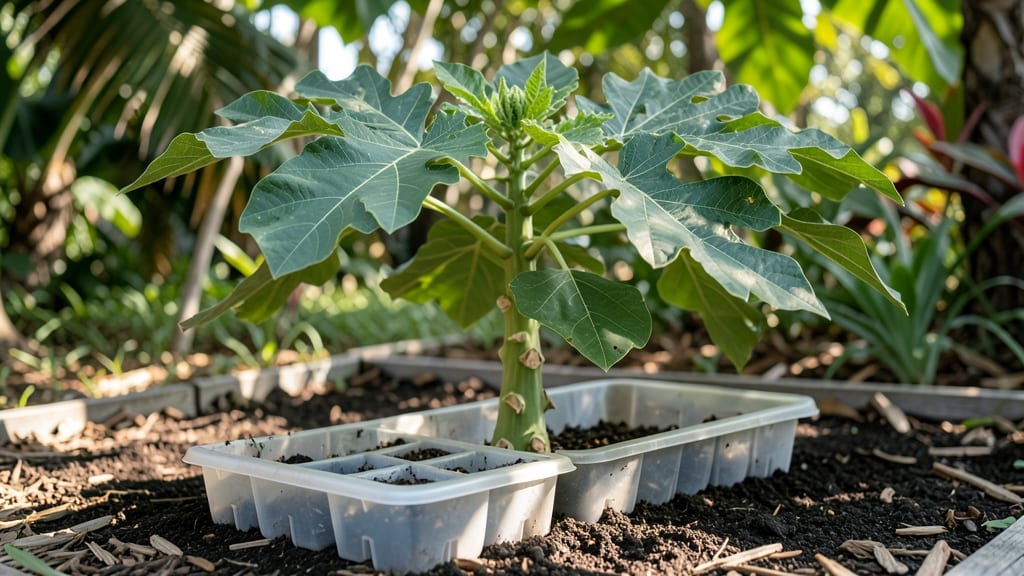
Planting a papaya tree from seeds turns your kitchen counter into a tropical oasis—imagine harvesting your own fruit in just six months. 🌱 The key starts with selecting fresh seeds from ripe papayas (the ones with the most pulp are your best bet).
I learned this the hard way when my first batch of store-bought seeds never sprouted—soaking them in warm water overnight makes all the difference.
You’ll need a small pot with well-draining soil mix, a plastic bag to create humidity, and patience for the 2-4 week germination window. Once sprouts appear, move them to a sunny spot indoors or under grow lights, keeping the soil consistently moist but never soggy.
The real magic happens when you transplant seedlings outdoors after the last frost—just be ready to shield them from cold drafts.
By month 3, you’ll spot those signature papaya leaves unfurling, and by month 6, you might even see flowers (though fruiting takes a bit longer). The trick is balancing water—too much and roots rot, too little and growth stalls.
With the right care, your tree could bear fruit within a year, and you’ll never buy papayas again.
Perfect for warm climates or greenhouses, but even indoor growers can coax papayas along with supplemental light. Here’s where the real fun begins—watch those vines climb and those fruits ripen to golden perfection. Let’s get those seeds started!
📚 In This Guide
- What you need
- Instructions
- Tips and common mistakes
- Wrapping up and next steps
What you need
- ● Papaya seeds: 3–5 fresh, viable seeds (harvested from a ripe papaya or purchased from a nursery). Pro tip: 💡 Store seeds in a damp paper towel in the fridge for 1–2 weeks to break dormancy if needed.
- ○ Seed-starting pots or small containers: 3–5 small pots (4–6 inches in diameter) with drainage holes, or a seed tray with individual cells. Optional: Biodegradable pots for easy transplanting!
- ● Well-draining potting mix: 2–3 bags of a lightweight, organic mix (e.g., coconut coir + perlite or a seed-starting blend). Avoid heavy garden soil.
- ● Plastic wrap or clear lid: To create a humid microenvironment for germination.
- ● Spray bottle: For gentle watering without disturbing seeds.
- ○ Heat mat (optional but helpful): Maintains soil warmth (75–90°F) to speed up germination. Alternative: Place pots near a sunny window or under grow lights.
- ● Grow lights or sunny windowsill: 12–16 hours of light daily for seedlings (a full-spectrum LED bulb works great).
- ● Fertilizer (after germination): Balanced liquid fertilizer (e.g., 10-10-10) diluted to half-strength for young seedlings.
- ● Warm climate or indoor setup: Papaya thrives in temperatures above 60°F (15°C). If planting outdoors, wait until the last frost or use a greenhouse.
- ● Space for mature trees: Papaya trees can grow 10–30 feet tall! Ensure your garden or container has room (or plan for pruning).
- ● Patience: Germination takes 10–30 days, and fruiting can take 6–12 months. Pro tip: 🌡️ Keep soil consistently moist but not soggy—overwatering is a common pitfall!
- ● Humidity dome or mini greenhouse for faster germination.
- ● pH testing kit (ideal soil pH: 6.0–7.0 for papaya).
- ● Epsom salt (for magnesium boost if leaves yellow).
- ● Trellis or support stakes (for outdoor planting in windy areas).
Step-by-Step instructions for planting papaya trees from seeds
Here’s the straightforward method I’ve used to grow papaya trees from seed—no fancy equipment needed.
🌱 Step 1: Prepare and Plant the Seeds
Papaya seeds germinate quickly, so start indoors 2-3 months before your last frost or year-round in warm climates. Fill 4-inch pots with well-draining potting mix (I mix equal parts coconut coir, perlite, and compost for best results). The mix should feel moist but not soggy—squeeze a handful; if water drips out, it’s too wet.
Place 3-4 seeds per pot ½ inch deep—papayas sprout fast, and you’ll likely have multiple seedlings. Cover lightly with soil and mist gently with warm water (cold water shocks the seeds). Label each pot with the planting date, since papaya trees grow surprisingly fast once they start.
💧 Step 2: Provide Warmth and Moisture for Germination
Papaya seeds need warmth to germinate—aim for 75-85°F soil temperature. If your home runs cooler, place pots on a seedling heat mat or near a sunny window. You’ll see sprouts in 7-14 days—watch for the first tiny leaves (cotyledons) to push through the soil.
Keep the soil evenly moist but never waterlogged. I use a spray bottle to mist the surface daily until sprouts appear, then switch to bottom-watering (place pots in a tray of water for 10 minutes) to avoid disturbing the delicate seedlings. Once true leaves (the second set, not the first tiny ones) appear, thin to one strongest seedling per pot—snip the others at the base with clean scissors.
☀️ Step 3: Move to Bright Light and Harden Off
Papaya seedlings crave light—place them under grow lights (14-16 hours daily) or in the sunniest window (south-facing is ideal). If leaves stretch toward the light or turn pale, they’re not getting enough. You’ll know they’re happy when leaves stay dark green and compact—no leggy growth.
After 4-6 weeks, when seedlings have 4-6 true leaves, start hardening them off. Move pots outside for 1-2 hours daily, gradually increasing time over 10-14 days. This toughens them up for transplanting. If nighttime temps drop below 55°F, bring them back inside—papayas won’t survive frost.
🪴 Step 4: Transplant to a Permanent Spot
Choose a sunny, sheltered location with well-draining soil—papayas hate soggy roots. Dig a hole twice as wide as the pot but no deeper. Gently remove the seedling, loosen roots if they’re circling, and place it in the hole so the soil line matches the pot’s rim. Backfill with soil, tamp lightly, and water deeply to settle everything.
Mulch around the base with 2-3 inches of organic mulch (like shredded leaves or straw) to retain moisture and regulate soil temperature. Space plants 10-15 feet apart—papayas grow tall and need room. Water 2-3 times weekly (more in heatwaves) until established, then let soil dry slightly between waterings. You’ll see flower buds in 6-12 months—patience pays off!
Tips & tricks for planting papaya trees from seeds
Here's what I learned after growing papaya trees from seed—these tricks will help you avoid common pitfalls and get the best start for your tropical fruit.
Soil Temperature Matters: In Step 2, maintaining that 75-85°F soil temperature is crucial for germination. If your home is cooler, I recommend using a seedling heat mat—it makes all the difference. Place a thermometer in the soil to monitor temperature, especially if you're using a sunny windowsill. The seeds won't sprout if the soil stays below 70°F, no matter how much you water.
Visual Cues for True Leaves: When thinning seedlings in Step 2, remember that the first set of leaves (cotyledons) aren't true leaves. Wait until you see the second set of leaves—these are the real deal and indicate your seedling is ready for the next growth phase. The true leaves will be smaller but more numerous, and they'll look like miniature versions of mature papaya leaves.
Lighting Strategy: For Step 3's 14-16 hours of light, I've found that a simple LED grow light works wonders. Position it just 4-6 inches above the seedlings—closer than you might think. You'll notice the leaves stay dark green and compact rather than stretching toward the light. If you don't have grow lights, a south-facing window with supplemental fluorescent lighting can work, but rotate the pots daily for even growth.
Hardening Off Hack: During the 10-14 day hardening off period in Step 3, I gradually increase outdoor time by 30 minutes every other day. Start with morning sun only—afternoon heat can be too intense for tender seedlings. Watch for any wilting or yellowing leaves; if you see these signs, bring the plants back inside and extend the hardening period by a few days.
Pro Tips for Plant Papaya Tree From Seeds
- Here's what I learned after growing papaya trees from seed—these tricks will help you avoid common pitfalls and get the best start for your tropical fruit.
- Soil Temperature Matters: In Step 2, maintaining that 75-85°F soil temperature is crucial for germination.
- Visual Cues for True Leaves: When thinning seedlings in Step 2, remember that the first set of leaves (cotyledons) aren't true leaves.
Frequently asked questions
Got questions about growing your own papaya tree from seeds? You’re not alone—this tropical fruit is full of surprises! Here are answers to the most common queries to help you succeed.
How long does it take for papaya seeds to germinate?
Papaya seeds typically sprout within 7–14 days if kept warm (70–90°F) and moist. For faster results, soak seeds in warm water for 24 hours before planting. Patience is key—some varieties may take up to 3 weeks, especially in cooler climates. Pro tip: Use a seedling heat mat if your home runs chilly!
Can I plant papaya seeds directly in the ground, or should I start indoors?
For tropical climates (zones 10–11), you can direct-sow seeds outdoors after the last frost when soil is warm. However, starting indoors 6–8 weeks before the last frost gives seedlings a head start and protects them from pests. If you live in a cooler zone, always start seeds indoors or in a greenhouse.
Why aren’t my papaya seedlings growing tall? What’s wrong?
Slow growth is often due to cool temperatures, poor light, or overcrowding. Papayas thrive in full sun (6+ hours/day) and warm soil. If seedlings are leggy or weak:
- Move them to a sunny windowsill or grow light.
- Thin seedlings to 12+ inches apart to avoid competition.
- Check for root rot (yellow leaves = overwatering).
Do papaya trees need male and female plants to produce fruit?
Most papaya varieties are hermaphroditic (self-pollinating), meaning a single tree can produce fruit without another plant. However, some varieties (like ‘Solo’) are all-female and require a male tree for pollination. Check your seed packet—if unsure, plant 2–3 trees to ensure cross-pollination and better yields.
Can papaya trees survive winter? How do I protect them?
Papayas are tropical plants and cannot tolerate frost (below 32°F). In cooler climates:
- Grow them in containers and move indoors during winter.
- Use row covers or mulch to insulate roots in mild winters.
- If outdoors, prune back and protect with a greenhouse or cold frame.
What’s the best climate for growing papayas from seed?
Papayas love warm, humid climates with:
- Year-round temperatures between 70–95°F.
- Well-draining, slightly acidic soil (pH 6.0–7.0).
- High humidity (ideal for tropical regions like Florida, Hawaii, or Southeast Asia).
Wrapping up and next steps
Growing a papaya tree from seed is a rewarding journey that brings tropical vibes to your backyard! 🌱 With the right soil, sunlight, and care, you’ll enjoy luscious fruit in just 6 months—plus, the sweet satisfaction of nurturing a plant from scratch.
Now that you’re armed with tips on seed selection, planting, and troubleshooting, take the first step: grab those seeds and get growing!
Need extra guidance? Bookmark this guide and revisit it as your papaya sprouts—happy planting! 🌴