Planting
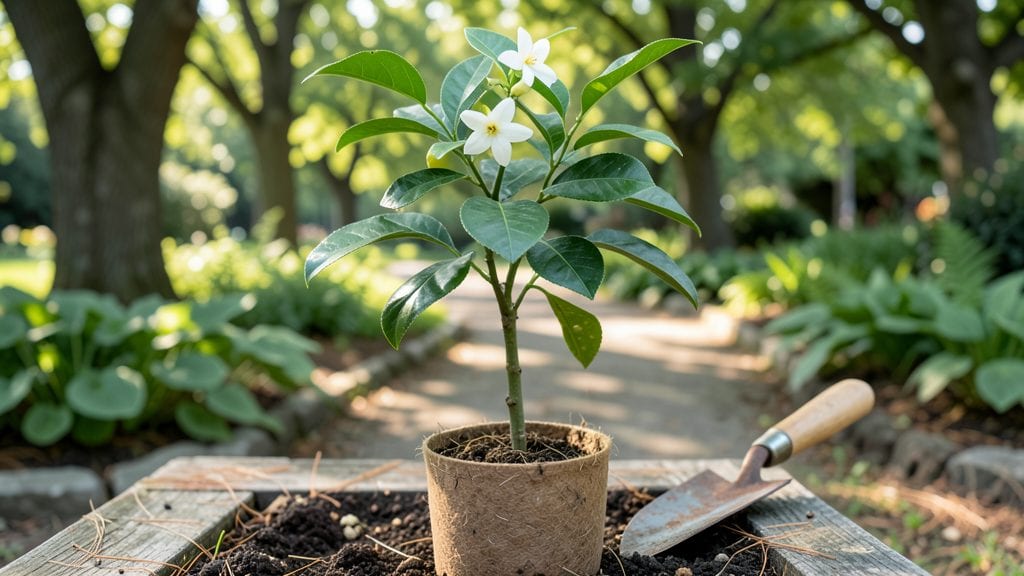
The best way to plant a lemon tree starts with choosing the right variety for your climate—because nothing beats the smell of fresh lemons when you pick them straight from the tree. 🌿 I learned this the hard way with my first Meyer lemon, which struggled in my cold winters until I moved it indoors.
The key is matching your tree to your zone, whether you're planting in the ground or a container.
You'll need well-draining soil, a sunny spot with at least 6 hours of light daily, and a location protected from strong winds. For containers, pick a pot 12-18 inches wide with drainage holes—lemon trees hate soggy roots.
If planting in the ground, amend heavy soil with compost or sand to improve drainage, and consider a slightly raised bed in wet climates.
Once planted, keep the soil consistently moist but never waterlogged for the first 3-4 weeks, then taper off to 1-2 times per week once established. Mulch around the base to retain moisture and protect roots from temperature swings.
With the right care, your tree will reward you with fragrant blossoms and tart-sweet fruit within 2-3 years—and you'll never buy lemons again.
Container growers can bring their trees indoors before winter, while in-ground trees need winter protection in colder zones. The secret to long-term success? Patience and consistency—lemon trees thrive when treated like the delicate tropical plants they are, not tough desert shrubs. Let's get your tree off to the right start!
📚 In This Guide
- What you need
- Instructions
- Tips and common mistakes
- Wrapping up and next steps
What you need
- ● Lemon tree sapling: Choose a dwarf variety (like 'Meyer' or 'Eureka') for containers or a standard variety for in-ground planting. Ensure it’s healthy, with no yellowing leaves or pests.
- ● Pot (if container-growing): A 5-gallon container or larger with drainage holes. Terracotta or fabric pots work best for airflow.
- ● Well-draining soil: A mix of 60% potting soil, 30% perlite or coarse sand, and 10% compost. Avoid heavy clay soil.
- ● Garden trowel or shovel: For digging holes (if planting outdoors). A 5-inch wide trowel is ideal.
- ● Mulch: Organic mulch (like wood chips or straw) to retain moisture and regulate temperature.
- ● Watering can or hose with a gentle nozzle: Lemon trees need consistent moisture but hate soggy roots.
- ● Fertilizer: A balanced citrus fertilizer (e.g., 6-6-6 or 8-3-9) or organic options like fish emulsion or citrus-specific granules.
- ● Pruning shears: For shaping and removing dead branches as your tree grows.
- ● Soil pH test kit: Lemon trees thrive in slightly acidic soil (pH 6.0–7.0). Adjust with lime or sulfur if needed.
- ● Drip irrigation system: For automated, slow watering—perfect for busy gardeners!
- ● Epsom salt: A magnesium boost (1 tablespoon per gallon of water monthly) can prevent yellowing leaves.
- ● Pest control (neem oil or insecticidal soap): Prep for aphids, spider mites, or scale with natural remedies.
- ● Support stake or trellis: Useful for young trees in windy areas or if growing in containers.
Step-by-Step instructions for planting a lemon tree
Here's the method I use to get lemon trees thriving—whether you're planting a young tree or a mature citrus.
🌱 Step 1: Choose the Right Location and Prepare the Soil
Lemon trees need full sun (6-8 hours daily) and well-draining soil. I always pick the warmest, sunniest spot in my garden because citrus is finicky about cold drafts. Dig a hole twice as wide as the root ball but only as deep—planting too deep suffocates the roots.
Mix the native soil with equal parts compost to improve drainage and fertility. Lemon trees hate soggy roots, so if your soil is heavy clay, add a handful of perlite or coarse sand to the mix. The goal is loose, airy soil that lets water drain freely within 30 minutes of watering.
🪴 Step 2: Plant the Tree and Stake for Support
Gently remove the tree from its container and loosen any circling roots with your fingers—this encourages outward growth. Place the tree in the hole so the top of the root ball sits 1 inch above ground level. You'll see a slight swell at the base where the trunk meets the roots; this should be just above soil line.
Fill the hole with your soil mix, pressing lightly to remove air pockets but not compacting too firmly. Water deeply to settle the soil, then add a 6-foot stake next to the tree. Tie the trunk loosely to the stake with soft garden twine—too tight will strangle the tree as it grows. Mulch around the base with 2-3 inches of organic mulch, keeping it 6 inches away from the trunk to prevent rot.
☀️ Step 3: Water and Protect for the First Critical Month
Water the tree deeply every 2-3 days for the first month, checking that the soil feels dry 2 inches down before watering again. Overwatering is the #1 killer of young citrus—you'll know it's right when water drains freely from the bottom of the hole.
Protect your tree from strong winds and frost. If temperatures dip below 30°F, cover the tree with a frost blanket or move it to a sheltered spot. Lemon trees are tender; even a light frost can damage leaves. I also spray the leaves lightly with water in hot afternoons to prevent sunburn, which looks like white, crispy patches.
✂️ Step 4: Prune and Fertilize for Long-Term Health
Wait until spring to prune—never cut back in fall or winter. Remove any dead, diseased, or crossing branches with clean, sharp pruners, cutting just above a leaf node. I also thin out crowded branches to improve airflow, which prevents fungal diseases. Never remove more than 25% of the tree's foliage in one pruning.
Fertilize every 2 months with a balanced citrus fertilizer (10-10-10 or similar). In late summer, switch to a low-nitrogen, high-potassium formula to encourage blooming. Always water the tree 24 hours before fertilizing—this prevents root burn. You'll see new growth within 4-6 weeks if the fertilizer is working.
🌿 Step 5: Monitor and Adjust for Year-Round Growth
Check the tree weekly for pests like aphids or spider mites—citrus is a magnet for them. Wipe leaves with a damp cloth or spray with neem oil if you spot any. Yellowing leaves usually mean overwatering or poor drainage, while brown edges signal underwatering or windburn.
In winter, reduce watering to every 10-14 days unless your area gets heavy rain. Lemon trees go semi-dormant in cool weather, so less water is better. If you're growing in a pot, move it to a garage or covered patio when temperatures drop below 40°F—citrus won't survive freezing, even briefly.
Tips & tricks for perfect lemon tree planting
A few simple tricks will help your lemon tree thrive from day one—these are the secrets I've learned after years of growing citrus.
Soil Drainage is Non-Negotiable: In Step 1, if your soil drains too slowly, test it by digging a small hole and filling it with water. If it doesn't drain within 30 minutes, you need to amend it more aggressively. I've seen lemon trees fail because of soggy roots—don't let that happen to yours. For heavy clay soil, consider planting in a raised bed or large pot with drainage holes.
Root Ball Position Matters: When placing your tree in Step 2, check that the top of the root ball sits exactly 1 inch above ground level. That slight elevation prevents water from pooling around the trunk, which causes rot. I've made the mistake of planting too deep, and the tree struggled for months to recover.
Watering Wisdom: During that critical first month in Step 3, stick your finger 2 inches into the soil—if it feels dry, water deeply until it drains freely. Overwatering is the silent killer of young citrus. I use a moisture meter now, but even a simple finger test works. Remember, lemon trees hate wet feet!
Frost Protection Plan: If you're in a colder climate, have your frost protection ready before temperatures drop below 30°F. I've lost trees to unexpected freezes, so I keep frost blankets and a space heater on standby. For potted trees, move them to a garage or covered patio when nighttime temps approach 40°F—citrus won't tolerate freezing, even briefly.
Pro Tips for Best Way To Plant A Lemon Tree
- A few simple tricks will help your lemon tree thrive from day one—these are the secrets I've learned after years of growing citrus.
- Soil Drainage is Non-Negotiable: In Step 1, if your soil drains too slowly, test it by digging a small hole and filling it with water.
- Root Ball Position Matters: When placing your tree in Step 2, check that the top of the root ball sits exactly 1 inch above ground level.
Frequently asked questions
Got questions about planting your lemon tree?
Here are the most common ones—plus expert answers to help you grow a thriving citrus plant with confidence!
When is the best time to plant a lemon tree?
The ideal time is early spring (after the last frost) or early fall when temperatures are mild. Avoid extreme heat or cold—root systems struggle in below 40°F or above 90°F. If you’re in a warm climate, plant in late winter to give roots time to establish before summer.
Can I grow a lemon tree from a store-bought lemon?
Yes! Sprout a lemon from seed, but expect years of waiting (3–5 years) for fruit—if it ever produces. For faster results, buy a grafted tree from a nursery. Grafted trees mimic parent varieties (like Meyer lemons) and bear fruit in 1–2 years.
Why is my lemon tree’s leaves turning yellow?
Yellow leaves usually signal overwatering, nutrient deficiency, or root rot. Check soil moisture—it should be damp but not soggy. If roots smell foul or are mushy, repot in fresh, well-draining soil. Lack of nitrogen? Fertilize with citrus-specific food (high in nitrogen) every 2–3 months.
How big should the planting hole be for a lemon tree?
The hole should be twice as wide as the root ball but only as deep. Loosen the sides to encourage root spread. If planting in a container, use a pot at least 12–15 inches wide with drainage holes. Pro tip: Mix compost into the native soil for better nutrient retention!
Do lemon trees need full sun, or can they tolerate partial shade?
Lemon trees thrive in full sun (6–8+ hours daily), but young trees can handle morning sun + afternoon shade in hot climates. Too much shade leads to weak growth and poor fruiting. If indoors, place near a south-facing window or use grow lights for 12+ hours/day.
Wrapping up and next steps
Planting a lemon tree is a rewarding journey that combines patience, care, and a dash of sunshine! 🌱 By choosing the right variety, preparing the soil, and providing consistent watering and sunlight, you’ll set the stage for a thriving citrus tree that gifts you with fresh, zesty lemons year after year. Remember: whether you’re starting from a seed or a sapling, the key is to nurture it like the precious treasure it is.
Now that you’re armed with the best practices, why not take the next step? Visit your local nursery or order a high-quality lemon tree today—your future harvest (and happy kitchen!) will thank you. 🍋✨