Pruning
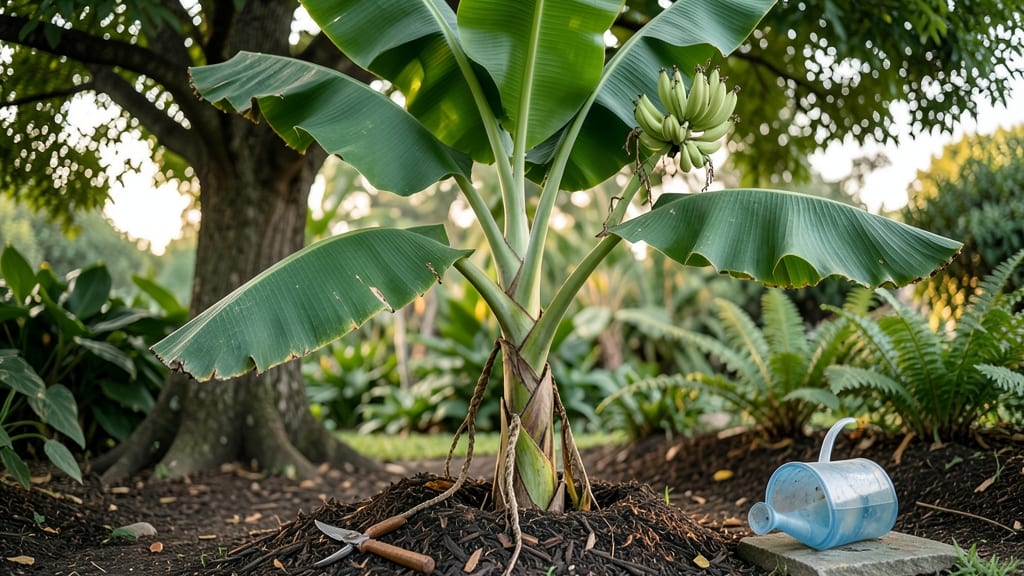
Learn how to growth a banana tree from seed to harvest—even in zone 7—and enjoy tropical fruit on your porch in just two years. 🌿 I’ve watched mine shoot from a tiny seedling to a leafy giant, and the first harvest was worth every late-night watering.
The key isn’t just heat and humidity; it’s the right variety, soil, and a little patience with its slow start.
You’ll need a dwarf banana variety like ‘Dwarf Cavendish’ for small spaces, a 5-gallon pot (or ground) with well-draining soil, and a spot that gets full sun (6+ hours daily).
Bananas hate soggy roots, so raised beds or containers with drainage holes are non-negotiable. Fertilizer? A balanced 10-10-10 mix every 2 months keeps them happy—no fancy tropical blends needed.
By year three, you’ll be peeling your own bananas, their sweetness beating anything from the store. The plant’s broad leaves create shade for other tropicals, and even ornamental varieties add drama to any yard. Just be ready for the 10-foot-tall surprise—bananas grow fast once they start!
Container growers in cold zones: bring pots indoors before frost, and expect a slower harvest. The trade-off? Fresh bananas in winter that taste like childhood. Let’s get those seeds sprouting!
📚 In This Guide
- What you need
- Instructions
- Tips and common mistakes
- Wrapping up and next steps
What you need
- ● Banana seeds: 2–5 fresh, plump seeds (harvested from a ripe banana or purchased from a specialty store). Pro tip: 💡 Soak seeds in water for 24 hours to speed up germination!
- ● Seed-starting mix: 1 small pot (4–6 inches deep) filled with well-draining, peat-based or coconut coir mix (avoid garden soil—it’s too dense!).
- ● Plastic wrap or clear lid: To create a mini greenhouse and retain humidity.
- ● Spray bottle: For gentle watering (avoid over-saturating the soil!).
- ● Grow lights or sunny windowsill: A spot with 10–12 hours of indirect light daily (south-facing windows or LED grow lights work best).
- ● Fertilizer: A balanced, water-soluble fertilizer (5-5-5 or 10-10-10 NPK ratio) for young seedlings.
- ● Heating mat: Keeps soil warm (70–85°F) to encourage faster germination.
- ● Humidity dome: Retains moisture better than plastic wrap for long-term growth.
- ● Larger pots (1–2 gallons): For transplanting once seedlings sprout 2–3 true leaves.
- ● Pruning shears: For trimming dead leaves or shaping the plant as it grows.
- ● Mulch (straw or wood chips): Helps retain soil moisture in outdoor plantings.
Step-by-step guide to growing a banana tree from seed
Here's how I've grown healthy banana trees—no green thumb required, just patience and the right conditions.
🌱 Step 1: Germinate the Seed Properly
Banana seeds need warmth and moisture to sprout. Place the seed in a small container with lukewarm water and let it soak for 24 hours. This softens the tough outer shell, helping the seed break through faster. After soaking, wrap the seed in a damp paper towel and tuck it inside a sealed plastic bag.
Store the bag in a warm spot—75-85°F works best—like on top of your fridge or near a sunny window. Check the seed every 2-3 days, misting the towel if it feels dry. Within 2-4 weeks, you'll see a small sprout emerge. This is your signal to move to soil.
I know it seems slow, but rushing this step often leads to weak seedlings. The key is patience—banana seeds are stubborn but rewarding once they sprout.
🪴 Step 2: Plant the Sprouted Seed in Soil
Fill a 6-inch pot with well-draining potting mix—banana trees hate soggy roots. Dig a 1-inch deep hole in the center and gently place the sprouted seed inside, covering it lightly with soil. Press down very lightly to secure it without compacting the mix.
Water the soil until it’s evenly moist, but avoid drowning the seed. A good rule is to water until you see moisture seep from the drainage hole. Place the pot in a bright, indirect light spot—direct sun can scorch the delicate young plant. A humidity dome or plastic wrap helps retain moisture while the seedling establishes roots.
Keep the soil consistently moist but never waterlogged. You'll know it's right when the top inch feels damp to the touch. Banana seedlings are sensitive to overwatering, so let the top layer dry slightly between waterings.
☀️ Step 3: Provide Ideal Light and Temperature
Once the seedling shows first true leaves (not the initial seed leaves), move it to a location with bright, indirect light for 6-8 hours daily. A south-facing window or grow light works well. Banana trees need warmth—ideally 70-85°F—to thrive. If your home runs cooler, a small space heater or heat mat can help.
Rotate the pot quarter-turn weekly so the plant grows straight instead of leaning toward the light. You'll notice the leaves becoming thicker and darker green as the plant adjusts. Avoid cold drafts—banana trees are tropical and won’t tolerate temperatures below 55°F. If you live in a cooler climate, grow it indoors near a sunny window.
Here’s the thing—banana trees grow fast once they’re happy. Within 3-6 months, you’ll see new leaves unfurling rapidly. That’s your cue to start fertilizing lightly with a balanced, water-soluble fertilizer every 4-6 weeks.
🌿 Step 4: Transplant and Support Growth
When the seedling reaches 12-18 inches tall and shows 4-5 mature leaves, it’s time to upgrade to a 12-inch pot. Use the same well-draining potting mix and gently remove the seedling, keeping as much soil around the roots as possible. Place it in the new pot and fill in with fresh soil, pressing lightly to eliminate air pockets.
Banana trees grow tall and top-heavy, so stake the pot with a 3-foot bamboo stake or small tree support. Tie the main stem loosely to the stake as it grows to prevent it from toppling. Water deeply after transplanting to help the roots settle into the new space.
Outdoor growers can move potted banana trees outside after the last frost, placing them in a sheltered, warm spot with partial shade. If you’re in a cold climate, bring it indoors before temperatures drop below 55°F. The goal is to mimic the tropical conditions where banana trees naturally thrive.
⏰ Step 5: Care for Maturity and Encourage Fruiting
Mature banana trees need large containers—18-24 inches deep—to support their root systems. Feed them with a banana-specific fertilizer or one high in potassium every 2 months during the growing season. You’ll see new leaves emerging every 2-3 weeks if conditions are right.
Banana trees flower and fruit only when they’re 2-3 years old and established. If your plant is slow to flower, try reducing water slightly or providing a dry period for a few weeks—this mimics seasonal changes and can trigger flowering. Once flowers appear, protect them from wind and pests, as they’re delicate.
Real talk: Banana trees grown from seed rarely produce fruit as reliably as grafted varieties, but the process is still incredibly rewarding. Even if you don’t get fruit, the large, dramatic leaves and tropical vibe make it worth growing.
Tips & tricks for perfect banana tree growth
Growing a banana tree from seed takes patience, but these simple tricks will help you avoid common pitfalls and give your plant the best start possible.
Germination Secret: Don't be tempted to rush the 24-hour soaking period—this is crucial for breaking down the seed's tough outer shell. I've tried skipping it, and the seeds either fail to sprout or produce weak seedlings. After soaking, place the damp paper towel in a sealed plastic bag to create a mini greenhouse effect that maintains humidity. Check the seed every 2-3 days, but avoid opening the bag too often to prevent moisture loss.
Temperature Matters: Maintaining the 75-85°F range during germination is non-negotiable. If your home runs cooler, place the bag on top of your fridge or near a sunny window. I've used a small heat mat under the container for extra warmth, which cut the germination time from 4 weeks down to 2. Just avoid placing it near drafts or air conditioning vents—banana seeds are tropical and sensitive to temperature swings.
Lighting Strategy: Once your seedling shows its first true leaves, that 6-8 hours of bright, indirect light becomes critical. I've found that placing the pot on a rotating tray (quarter-turn weekly) prevents the plant from leaning toward the light source. If you don't have a south-facing window, a simple LED grow light on a timer works perfectly. The key is avoiding direct sunlight at this stage—it can scorch those delicate young leaves.
Transplanting Wisdom: When upgrading to the 12-inch pot, resist the urge to bury the seedling too deeply. The soil line should be at the same level as it was in the smaller pot—burying too deep can cause stem rot. After transplanting, water deeply but let the top inch of soil dry slightly before watering again. This helps establish strong roots without overwatering, which is the #1 killer of young banana seedlings.
Pro Tips for Growth Banana Tree
- Growing a banana tree from seed takes patience, but these simple tricks will help you avoid common pitfalls and give your plant the best start possible.
- Germination Secret: Don't be tempted to rush the 24-hour soaking period—this is crucial for breaking down the seed's tough outer shell.
- Temperature Matters: Maintaining the 75-85°F range during germination is non-negotiable.
Frequently asked questions
Got questions about growing your own banana tree? You’re not alone—banana cultivation can feel tricky, but with the right knowledge, you’ll be harvesting tropical fruit in no time! Here are some of the most common queries (and answers) to help you along the way.
How long does it take for a banana tree to grow from seed to fruit?
A banana tree grown from seed can take 3 to 5 years to produce fruit, depending on the variety and growing conditions. If you’re impatient, consider planting a mature tissue-cultured banana (available at nurseries), which may fruit in 1 to 2 years. Patience is key—banana trees are slow starters but rewarding long-term!
Can banana trees survive winter? What’s the coldest temperature they can handle?
Banana trees are tropical plants and thrive in USDA Zones 10–12. They’ll die back in temperatures below 30°F (-1°C), but don’t fret! In colder climates, grow them in containers and move them indoors during winter. With proper care, you can enjoy bananas year-round, even in chilly regions.
Why isn’t my banana tree flowering or fruiting? What am I doing wrong?
Banana trees need specific conditions to flower: mature size (5+ feet tall), warm temperatures (75–90°F), and consistent care. Common mistakes include:
- Over-fertilizing with nitrogen (promotes leaves, not flowers). Use a balanced fertilizer (10-10-10) or one high in phosphorus.
- Not enough sunlight (6+ hours of direct sun daily).
- Sudden temperature drops (stress delays flowering).
Do banana trees need pruning? How do I prune them correctly?
Yes! Pruning keeps your banana tree healthy, productive, and manageable. Here’s how:
- Remove dead or yellowing leaves to redirect energy to new growth.
- Trim suckers (offshoots) at the base—keep 1–2 strong ones for propagation.
- Avoid heavy pruning; banana trees are sensitive. Focus on maintenance, not drastic cuts.
Can I grow a banana tree in a pot? What’s the best container size?
Banana trees thrive in large containers (15+ gallons) with drainage holes. Choose a wide, shallow pot (they have shallow roots) and use a well-draining potting mix (like a blend of coconut coir, perlite, and compost). Rotate the pot occasionally for even sunlight exposure. Just remember: potted banana trees need regular watering (they dry out faster in containers)!
Wrapping up and next steps
Growing a banana tree from seed to harvest is a rewarding journey that blends patience, care, and a touch of tropical magic! 🌱 By choosing the right variety, providing optimal soil and sunlight, and mastering pruning techniques, you’ll unlock the joy of harvesting your own sweet, homegrown bananas.
Whether you’re a seasoned gardener or a curious beginner, every step—from planting to fruiting—is an opportunity to connect with nature.
Now that you’re armed with knowledge, take the next step! Start small with a single plant, experiment with care techniques, and watch your banana tree thrive. Share your progress with fellow gardeners—your green thumb might inspire others to grow their own tropical paradise. Happy planting! 🌿