
Propagation
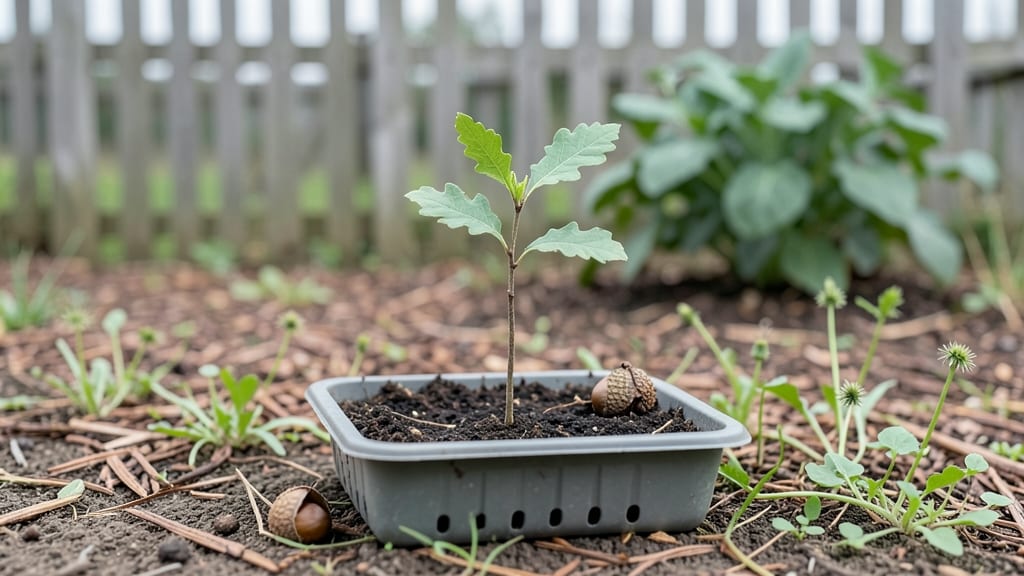
Growing oak trees from seeds is a patient gardener’s dream—turning acorns into towering giants takes years, but the satisfaction of nurturing a future forest is unmatched. 🌳 The process starts with fresh acorns from mature oaks, but don’t rush: proper stratification (cold treatment) is the secret to breaking dormancy and coaxing life from those hard shells.
You’ll need a few simple supplies: acorns, a plastic bag with damp peat moss or sand, and a fridge for stratification. Once sprouted, tiny seedlings demand bright light and consistent moisture—think of them as delicate as glasshouse babies.
The real magic happens when they’re ready to transplant, where they’ll slowly build strength for decades of growth.
By year five, you’ll see sturdy saplings ready to stake their claim in the yard, their leaves turning that signature oak green. The journey rewards you with shade, wildlife habitat, and a legacy that outlasts your garden. Just remember: oak trees grow at their own pace—no shortcuts, no rushing.
This method works for red, white, or pin oak varieties, though some species germinate more reliably than others. Whether you’re starting with a handful of acorns or a bucketful, the key is consistency. Let’s get those future giants growing!
📚 In This Guide
- What you need
- Instructions
- Tips and common mistakes
- Wrapping up and next steps
What you need
- ● Oak acorns: Collect fresh, plump acorns from mature oak trees (preferably white or red oak varieties). Aim for at least 10-15 seeds to increase your chances of success.
- ● Well-draining potting mix: Use a blend of 50% peat moss or coconut coir and 50% perlite or coarse sand (sterilized). Avoid heavy garden soil—oaks hate soggy roots!
- ● Small pots or seed trays: 3-4 inch diameter pots with drainage holes (or a seed tray with individual cells). Reuse plastic containers if cleaned thoroughly.
- ● Drainage material: Small pebbles, gravel, or broken pottery shards to layer at the bottom of pots (about ½ inch deep).
- ● Spray bottle: For gentle watering to keep seeds moist without over-saturating.
- ○ Plastic wrap or humidity dome: To maintain a warm, humid environment while seeds germinate (optional but highly recommended).
- ● Labeling tags and marker: Track varieties and planting dates—oaks take years to mature!
- ● Pruning shears or knife: To carefully remove acorn caps and inspect seeds for pests/damage.
- ○ Fungicide (optional): A mild solution like hydrogen peroxide (3%) to soak acorns for 10 minutes and prevent rot.
- ● Heat mat or warm location: Oaks germinate best in 65–75°F (18–24°C) soil. A seedling heat mat ($15–$25) speeds up the process.
- ● Grow lights or sunny windowsill: Seedlings need bright, indirect light (6+ hours/day) once sprouted. A basic LED grow light (~$20) works well.
- ● Fertilizer (after germination): A balanced, slow-release fertilizer (e.g., 10-10-10) diluted to half-strength for young seedlings.
- ● Outdoor hardening space: A sheltered area (like a porch or greenhouse) to gradually acclimate seedlings to outdoor conditions before transplanting.
Step-by-Step instructions for growing oak trees from acorns
Oak trees take patience, but these simple steps turn tiny acorns into towering giants.
🌱 Step 1: Collect and Stratify Acorns for Germination
Gather fresh acorns from the ground in fall—they need a cold period to break dormancy. Place them in a breathable container with damp sand or peat moss. Store the container in your refrigerator's crisper drawer for 90-120 days at 35-40°F. This mimics winter conditions and signals the seed it's time to grow.
Check weekly to ensure the mix stays moist but not soggy. If mold appears, discard the batch—fungus will kill your seeds. After stratification, you'll see the acorns plump up slightly, a sign they're ready for planting. Real talk: Some acorns won't sprout, so collect 10-15 to ensure you get strong seedlings.
💧 Step 2: Plant Stratified Acorns in Containers
Fill small pots (3-4 inches deep) with a mix of 50% potting soil and 50% perlite for drainage. Plant one acorn per pot, burying it 1 inch deep with the pointed end up. Water gently until moisture reaches the bottom—you'll know it's right when water runs out the drainage holes.
Place the pots in a warm, sunny spot (65-75°F) with indirect light at first. Oak seedlings hate drying out, so keep the soil consistently moist. You'll see the first true leaves (not the tiny seed leaves) emerge in 4-8 weeks. If nothing happens after 10 weeks, the acorn may not have viable life—don't give up, try another!
☀️ Step 3: Transplant Seedlings to Larger Pots
Once seedlings reach 6-12 inches tall, move them to 5-gallon containers with fresh potting mix. Oak roots grow deep, so use a 12-inch deep pot to accommodate their needs. Water thoroughly after transplanting to settle the soil around delicate roots.
Place seedlings in full sun (6+ hours daily) and gradually increase sunlight exposure over 2 weeks to avoid shock. You'll notice new growth within 3-4 weeks if conditions are right. Here's the thing—oak trees grow slowly, so don't rush. Patience now means a stronger tree later.
🪴 Step 4: Acclimate and Plant Outdoors
After 1-2 growing seasons in containers, your oak seedlings will be ready for the ground. Choose a permanent spot with full sun and well-draining soil. Dig a hole twice as wide as the root ball but no deeper—planting too deep can suffocate the tree.
Water deeply after planting to eliminate air pockets. Mulch around the base with 2-3 inches of wood chips, keeping mulch 6 inches away from the trunk to prevent rot. Oak trees thrive in USDA zones 3-9, but young trees need protection from strong winds and extreme temperatures for their first few years.
⏰ Step 5: Maintain and Protect Young Trees
Water newly planted oaks once a week during dry spells, aiming for 1-2 inches of water per week. Mature oaks are drought-tolerant, but young trees need consistent moisture. Avoid overwatering—oaks hate soggy roots.
Fertilize lightly in spring with a balanced 10-10-10 formula if growth stalls. Oak trees grow 1-2 feet per year, so don't expect rapid results. Watch for pests like oak wilt or gypsy moths—early intervention with neem oil or pruning can save your tree. With care, your acorn could live for centuries!
Tips & tricks for growing oak trees from acorns
A few simple tricks will help you turn those tiny acorns into mighty oaks—without the guesswork.
Acorn Selection Tip: Not all acorns are created equal! Look for plump, heavy acorns with no cracks or holes—they're the most likely to sprout. Avoid acorns that feel hollow when tapped or have visible damage. I've found that white oak acorns (with flat caps) often germinate better than red oak acorns, though both can work with patience. Collect from mature trees if possible, as their seeds tend to be more vigorous.
Stratification Strategy: The 90-120 day cold period in Step 1 is non-negotiable—it mimics winter and breaks the acorn's dormancy. I like to mark my calendar when I start stratification so I don't forget to check on them weekly. If you're short on time, you can extend this to 150 days, but don't rush it—acorns need that cold period to develop properly. Pro tip: Use a clear container so you can easily see the moisture level without opening it.
Container Wisdom: Those 3-4 inch pots in Step 2 are perfect for starting, but here's what I've learned: Use pots with drainage holes—oaks hate soggy roots. If you're using plastic containers, poke holes in the bottom yourself. Also, opt for lightweight pots you can easily move around as your seedlings grow. When transplanting to 5-gallon containers in Step 3, choose ones with handles—they make moving those heavy pots much easier.
Sunlight Transition: The gradual increase to full sun over 2 weeks in Step 3 is crucial—oaks can get sunburned if you move them too quickly. Start with morning sun only, then slowly add afternoon sun. I've seen seedlings get crispy brown patches when moved too fast, so take your time. Once they're fully acclimated, those 6+ hours of sun will give you strong, healthy growth.
Pro Tips for Grow Oak Trees From Seeds
- A few simple tricks will help you turn those tiny acorns into mighty oaks—without the guesswork.
- Acorn Selection Tip: Not all acorns are created equal!
- Stratification Strategy: The 90-120 day cold period in Step 1 is non-negotiable—it mimics winter and breaks the acorn's dormancy.
Frequently asked questions
Got questions about growing oak trees from seeds? You’re not alone—this process takes patience and care! Here are answers to the most common queries to help you get started on the right foot.
How long does it take for oak seeds to germinate?
Oak seeds can take anywhere from 30 days to 2 years to germinate, depending on the species and stratification method. White oaks often sprout faster (3–6 months), while red oaks may need up to a year. Don’t panic if nothing happens quickly! Cold stratification (mimicking winter) is key—patience is part of the oak-growing adventure.
Can I grow an oak tree indoors from seed?
While possible, it’s not ideal for most oak species. Oaks thrive outdoors and need space to develop strong roots. Start seeds indoors in a cool, humid environment (like a greenhouse or sunny windowsill) for stratification, but transplant seedlings outside as soon as possible—preferably within 1–2 years. Skip indoor attempts for red or white oaks unless you have a large, controlled setup.
Why aren’t my oak seeds sprouting? Troubleshooting tips.
If your seeds refuse to sprout, check these common issues:
- Insufficient stratification: Oaks need cold, moist conditions (40–50°F) for 60–90 days. Try a refrigerator or outdoor winter exposure.
- Low viability: Old or damaged seeds may not sprout. Test freshness by cutting open a seed—look for a plump, firm interior.
- Poor drainage: Overwatering or compacted soil can suffocate seeds. Use a well-draining mix (like sand + peat) and keep soil moist but not soggy.
- Species-specific needs: Bur oaks germinate faster than live oaks. Research your oak type!
When is the best time to plant oak seeds outdoors?
The ideal window is late fall or early winter (November–January), when natural cold stratification occurs. If planting in spring or summer, pre-stratify seeds indoors for 2–3 months first. Avoid planting in extreme heat—oaks hate drought stress. Timing tip: Mimic nature by planting after acorns fall (typically September–October).
What’s the fastest-growing oak tree I can grow from seed?
If you’re short on time (but still patient!), bur oak (Quercus macrocarpa) and pin oak (Quercus palustris) are the quickest, reaching 1–2 feet per year under ideal conditions. White oaks and red oaks grow slower (6–12 inches/year). Remember: Even "fast" oaks take decades to mature—think of it as a long-term investment in shade and beauty.
Wrapping up and next steps
Growing oak trees from seeds is a rewarding journey that blends patience with the joy of nurturing nature’s majesty. 🌱 While it takes time—sometimes years—each step you take strengthens your connection to the earth and the future of your garden. Now that you’re armed with the right knowledge, why not start today? Grab those acorns, prepare your pots, and let your green thumb guide you toward a towering legacy!