Propagation
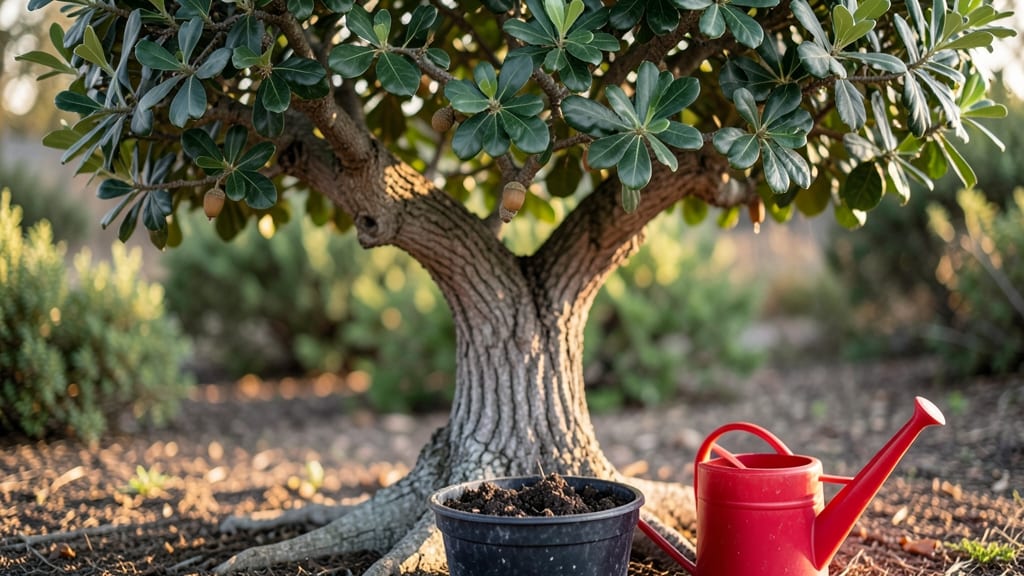
Growing live oak trees from acorns is a patient gardener's dream—imagine watching a single seedling grow into a towering, centuries-old giant. 🌳 The process starts with the right acorns, a little winter magic called stratification, and a lot of time.
Most people skip this step and wonder why their acorns never sprout, but I’ve learned that breaking dormancy is half the battle.
You’ll need fresh, plump acorns from mature live oaks (the bigger, the better), a damp paper towel or peat moss for stratification, and a sunny spot in your yard. The key is mimicking nature: cold, moist conditions trick the seed into thinking winter has passed.
After 60-90 days in the fridge, those acorns will crack open, and you’ll see tiny roots peeking out—proof you’re on the right track.
Once they sprout, plant them in well-draining soil, keep them moist but not soggy, and give them full sun from day one. These seedlings grow slow—think inches per year—but with care, they’ll reward you with deep roots, glossy leaves, and that iconic oak shade in just a few decades.
The payoff? A tree that outlives you, feeds wildlife, and becomes a neighborhood landmark.
Between you and me, the hardest part is waiting. But every gardener who’s nurtured a live oak from acorn to sapling knows the satisfaction of growing something that lasts. Here’s how to avoid the common pitfalls and set yours up for success.
📚 In This Guide
- What you need
- Instructions
- Tips and common mistakes
- Wrapping up and next steps
What you need
- ● Fresh live oak acorns – Collect at least 10-20 acorns (more increases your chances of success!). Ensure they’re plump, firm, and free of cracks or mold. 🌰
- ● Potting soil or seed-starting mix – A well-draining, sterile mix (e.g., 50% peat moss, 30% perlite, 20% vermiculite) works best for germination.
- ● Small pots or seed trays – Use 3-4 inch pots or a tray with individual cells (biodegradable pots are eco-friendly!).
- ● Plastic bags or airtight containers – For stratification (a cold-moisture process to break seed dormancy).
- ● Watering can or spray bottle – Keep soil moist but not soggy during germination.
- ● Grow lights or sunny windowsill – Live oak seedlings need bright, indirect light (6+ hours/day) once sprouted.
- ○ Fertilizer (optional but helpful) – A balanced, water-soluble fertilizer (e.g., 10-10-10) diluted to half-strength for young seedlings.
- ● A patient mindset – Live oak germination can take 30-90 days (or longer!).
- ● Access to a cool, dark place (e.g., fridge) for stratification (if acorns aren’t freshly collected).
- ● A warm, humid environment (70-75°F) for sprouting.
- ● Space for outdoor transplanting – Live oaks need full sun and room to grow (they can reach 60+ feet tall! 🌳).
- ● Test your acorns: Float test—sinkers are viable; floaters are likely empty.
- ● Label your pots with dates to track germination progress.
- ● Use a humidity dome (or plastic wrap) to retain moisture during early growth.
Step-by-step instructions for growing live oak trees from acorns
Here's how to turn those backyard acorns into majestic live oaks—with patience and the right techniques.
🌱 Step 1: Collect and Clean the Acorns
Gather fresh, plump acorns from mature live oaks in late fall or early winter. Avoid cracked or worm-infested ones—they won’t sprout. Rinse them gently in cool water to remove dirt, then let them dry completely on a paper towel for 24 hours. I like to store them in a paper bag in the fridge until I’m ready to stratify, which mimics their natural winter dormancy.
If you’re impatient, skip the fridge and start stratifying right away. The key is moisture—not soggy. Place the acorns in a container with slightly damp (not wet) sand or peat moss. This ensures they stay hydrated without rotting. You’ll know it’s right when the mix feels like a wrung-out sponge.
🌿 Step 2: Stratify for Germination
Live oak acorns need 60-90 days of cold stratification to break dormancy. Mix your acorns with damp sand or peat moss in a sealed container, then refrigerate at 35-45°F for 2-3 months. I check them monthly—if they smell musty or feel slimy, dump the mix and start fresh. The goal is steady moisture, not a swamp.
After stratification, plant the acorns 1 inch deep in individual pots filled with a mix of 50% potting soil and 50% perlite or sand. This prevents root rot while allowing airflow. Place them in a warm, sunny spot—70-75°F is ideal. You’ll see sprouts in 2-6 weeks, but don’t rush it. Some acorns take longer, especially if they’re older.
☀️ Step 3: Provide Light and Care for Young Seedlings
Once sprouts emerge, move them to bright, indirect light for 2-3 weeks to harden off. Direct sun can scorch tender leaves. Water gently at the base—never overhead—to avoid fungal diseases. You’ll know they’re thriving when new leaves appear and the stem thickens. At this stage, I fertilize lightly with a balanced 10-10-10 mix every 4-6 weeks to encourage strong root growth.
After 6 months, transplant seedlings into 5-gallon containers with well-draining soil. Live oaks hate soggy roots, so ensure pots have drainage holes. Keep them outdoors in partial shade during hot afternoons. By 2 years old, they’re ready for permanent planting in the ground—just dig a hole twice as wide as the root ball and water deeply afterward.
⏰ Step 4: Transition to Outdoor Planting
Choose a sunny spot with 6+ hours of light daily and well-draining soil. Live oaks thrive in USDA Zones 7-10, so check your local climate. Plant in early spring or fall to avoid extreme heat or cold. Water the hole before placing the seedling in, then backfill with native soil. Mulch around the base (but not touching the trunk) to retain moisture and suppress weeds.
For the first year, water deeply once a week during dry spells. Avoid overwatering—live oaks are drought-tolerant once established. You’ll see steady growth if the soil stays slightly moist but never waterlogged. After 3-5 years, your young oak will be ready to shade a small patio or garden. Patience pays off—these trees live for centuries!
Tips & tricks for growing live oak trees from acorns
Real talk: Growing live oak trees from acorns is a marathon, not a sprint. These simple tricks will help you avoid common pitfalls and give your little acorns the best shot at becoming century-old giants.
Stratification Secrets: Don't cut corners on the 60-90 day cold treatment—this is non-negotiable for breaking dormancy. I've seen people try skipping it, and their acorns just sit there like they're on permanent vacation. Use a clear container so you can check moisture levels without disturbing them. If condensation forms on the inside, that's perfect—like a mini greenhouse effect.
The Moisture Balance: When mixing acorns with sand or peat moss, squeeze a handful—it should feel like a wrung-out sponge. Too wet and you'll get mold; too dry and your acorns won't germinate. I like to use a spray bottle to mist occasionally during stratification, keeping everything just barely damp. Think "damp newspaper" not "swamp water."
Patience Pays Off: Those 2-6 weeks for sprouts to appear can feel like an eternity, but don't rush it. Some acorns, especially older ones, might take longer. I've had acorns sprout after 8 weeks—they're not lazy, they're just following their own timeline. Once you see that first little shoot, though, it's worth every second of waiting.
Light Transition: When moving seedlings to bright indirect light after sprouting, don't just plop them in direct sun. Start with a shady spot and gradually increase sunlight over 2-3 weeks. I use a sheer curtain to diffuse harsh light at first. This hardening-off period prevents sunburn on those delicate new leaves—trust me, you don't want to see a seedling with crispy leaf edges.
Pro Tips for Grow Live Oak Trees From Acorns
- Real talk: Growing live oak trees from acorns is a marathon, not a sprint. These simple tricks will help you avoid co...
- Stratification Secrets: Don't cut corners on the 60-90 day cold treatment—this is non-negotiable for breaking dormanc...
- The Moisture Balance: When mixing acorns with sand or peat moss, squeeze a handful—it should feel like a wrung-out sp...
Frequently asked questions
Growing live oak trees from acorns is rewarding but comes with unique challenges. Here are answers to the most common questions to help you succeed:
How long does it take for an acorn to sprout?
With proper stratification (cold treatment), live oak acorns typically sprout within 4–12 weeks after planting. Patience is key—some may take longer, especially in cooler climates. Keep soil consistently moist but not waterlogged to encourage germination.
Can I skip stratification and still grow a live oak?
Stratification mimics winter conditions and breaks the acorn’s dormancy. Skipping it dramatically reduces germination rates—often below 10%. For best results, follow the 3–4 month cold treatment (or use a fridge method). Without it, you might wait years (or never see) sprouts!
Why are my acorns rotting or molding?
Overwatering or poor drainage are the top culprits. Acorns need moist but not soggy conditions. Use a mix of sand and peat, and ensure pots have drainage holes. If mold appears, remove affected acorns and repot healthy ones in fresh, sterile soil.
How big should my live oak seedling be before transplanting outdoors?
Aim for seedlings with 2–3 sets of true leaves (not cotyledons) and a height of 6–12 inches. Transplant in spring or early fall to avoid stress. Harden off seedlings gradually by exposing them to outdoor conditions for 1–2 weeks before moving.
What’s the best location to plant a young live oak?
Live oaks thrive in full sun (6+ hours daily) and well-draining soil. Choose a spot with space to grow (they can reach 60+ feet tall!). Avoid low-lying areas where water pools. For urban settings, plant at least 30 feet from structures to prevent root conflicts.
Wrapping up and next steps
Growing live oak trees from acorns is a rewarding journey that connects you to nature’s resilience and beauty. 🌳 With patience, the right techniques, and a little care—like stratification and proper planting—you’ll nurture a tree that could thrive for centuries.
Once your acorn sprouts and establishes roots, why not expand your green thumb further? Try propagating other native species or even starting a small orchard in your backyard!
Your first live oak is just the beginning—happy growing! 🌱