
Propagation
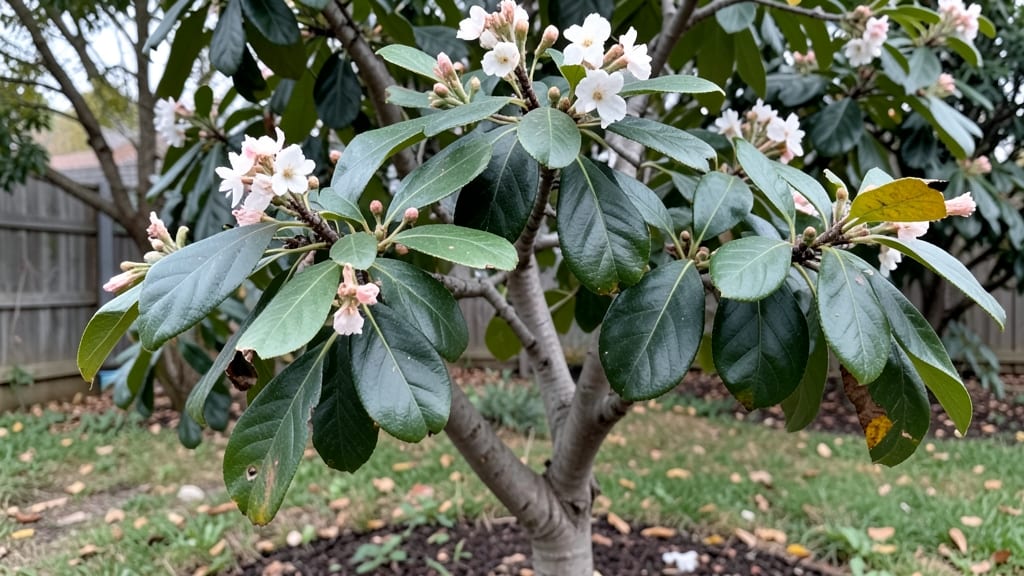
Growing a loquat tree from seed means you’ll have a sweet, tropical-tasting fruit in just three years—but only if you nail the germination step. 🌱 The key is patience and warmth, since these seeds need cozy conditions to break their dormancy.
I’ve learned the hard way that rushing this stage leads to disappointment, but when done right, you’ll have a sturdy young tree by spring.
You’ll need a few simple supplies: fresh loquat seeds (from an organic fruit, if possible), a shallow tray or pot, well-draining potting mix, and a heat mat or sunny windowsill.
The trick is keeping the soil warm (70-80°F) and consistently moist—like a damp sponge—while waiting for those first tiny sprouts, which can take anywhere from 2 weeks to 3 months.
Seed-grown trees may not fruit as predictably as grafted varieties, but they’re hardier and more rewarding in the long run.
Once sprouted, your little loquat will need bright light and occasional pinching to encourage bushier growth. By the time it’s a foot tall, you’ll transplant it outdoors in a sheltered spot, where it’ll thrive in USDA zones 8-11 with minimal fuss.
The first fruit might not appear until year three, but the journey—watching it grow from a speck in soil to a tree bearing golden-orange fruit—is what makes it worth the wait.
If you’re in a cooler climate, start seeds indoors in late winter for an early jump. And remember: seed-grown trees often take longer to bear fruit than nursery-bought ones, but the payoff is a tree that’s uniquely yours. Here’s how to set it up for success from day one.
📚 In This Guide
- What you need
- Instructions
- Tips and common mistakes
- Wrapping up and next steps
What you need
- ● Loquat seeds: 2–3 fresh, plump seeds (harvested from ripe, organic fruit—avoid store-bought seeds if possible, as they may be treated).
- ● Biodegradable seed-starting pots or small plastic cups: 3–4 (3–4 inches in diameter) with drainage holes.
- ● Seed-starting mix: 1 bag (sterile, well-draining potting soil blend, or a mix of 50% peat moss and 50% perlite).
- ● Plastic wrap or humidity dome: 1 (to create a mini greenhouse effect).
- ● Spray bottle: 1 (for gentle watering).
- ● Grow lights or sunny windowsill: 1 (loquats thrive in bright, indirect light; a 12–16 hour daily light source is ideal).
- ● Larger pots (6–8 inches): 1–2 (for transplanting once seedlings sprout true leaves).
- ● Well-draining soil: 1 bag (mix of garden soil, compost, and sand for outdoor planting).
- ○ Heating mat (optional for faster germination, especially in cooler climates).
- ● Fertilizer (balanced, water-soluble, 10-10-10 or similar, for young seedlings).
- ● Pruning shears (for shaping the tree as it grows).
- ● Mulch (to retain moisture and regulate soil temperature once planted outdoors).
- ● pH test kit (ideal soil pH for loquats: 5.5–6.5).
Step-by-Step instructions for growing a loquat tree from seed
Here's how I've grown healthy loquat seedlings that thrive—no fancy tools needed.
🌱 Step 1: Extract and Prepare the Seeds
Loquat seeds are nestled inside the fruit's pit. Cut open a ripe loquat with a sharp knife and remove the large, oval seed inside. Rinse it gently under cool water to remove any fruit residue. The seed's outer shell is hard, so I like to nick it lightly with a knife at the wider end—just enough to break the surface without cutting too deep. This helps water penetrate during soaking.
Place the seed in a small bowl of lukewarm water and let it soak for 24-48 hours. You'll know it's ready when the outer shell softens slightly and you see a tiny white root emerging from the nicked end. Don't skip this step—dry seeds take much longer to germinate, and some may never sprout at all.
🪴 Step 2: Plant the Seed in a Moist Growing Medium
Fill a small pot—3-4 inches deep—with a well-draining mix of 50% potting soil and 50% perlite or coarse sand. I use a 4-inch nursery pot because it gives the seedling enough room to develop without being too large. Moisten the mix until it feels like a damp sponge, but not soggy. Press the prepared seed ½ inch deep into the soil, with the nick facing downward.
Cover the pot with plastic wrap or a clear lid to create a humid environment. Place it in a warm spot—70-75°F—like on top of a refrigerator or near a sunny window. Keep the soil consistently moist but never waterlogged. You'll see the first signs of germination in 2-4 weeks, when a small sprout breaks through the soil surface.
☀️ Step 3: Provide Light and Care for the Seedling
Once the seedling emerges, remove the plastic wrap immediately to prevent mold. Place the pot in bright, indirect light for the first week—direct sun can scorch tender new leaves. After a week, gradually introduce it to 4-6 hours of morning sun daily. You'll notice the leaves darken and thicken as they adjust.
Water the seedling when the top inch of soil feels dry to the touch. Avoid wetting the leaves to prevent fungal issues. In 3-4 months, when the seedling reaches 6-8 inches tall, it's ready for its first repotting into a 5-gallon container with fresh potting mix. This gives its roots room to grow stronger before outdoor planting.
🌿 Step 4: Transition to Outdoor Conditions
After the last frost date in your area, harden off the seedling by placing it outside in a sheltered spot for 1-2 hours the first day. Gradually increase its outdoor time over 10-14 days, moving it to sunnier locations each day. Loquat trees thrive in full sun, so once it's acclimated, choose a spot with at least 6 hours of direct sunlight daily.
Plant the seedling in well-draining soil with a pH of 5.5-7.0. Dig a hole twice as wide as the root ball but only as deep as the container it came in. Water deeply after planting to settle the soil. Mulch around the base with 2-3 inches of organic mulch to retain moisture and regulate soil temperature. You'll see new growth within 2-3 weeks as the tree establishes itself.
⏰ Step 5: Prune and Maintain for Fruit Production
Loquat trees grow quickly, so prune in late winter or early spring to shape the tree and encourage branching. Remove any dead, diseased, or crossing branches with clean, sharp pruners. Cut just above a bud or branch junction to promote healthy regrowth. You'll want to keep the tree open at the center to allow sunlight and air circulation.
Fertilize lightly in early spring with a balanced 10-10-10 fertilizer, applying ½ cup per year of tree age (e.g., ½ cup for a 1-year-old tree). Water deeply once a week during dry spells, ensuring the soil stays moist but not waterlogged. With patience, your loquat tree may produce its first fruit in 3-5 years, though some varieties take longer. Keep an eye out for small, round fruits forming in late winter or early spring!
Tips & tricks for growing a loquat tree from seed
Patience is key when growing a loquat tree from seed, but these small tricks can make all the difference in your success.
Seed Preparation: In Step 1, when nicking the seed, make sure to cut just enough to break the surface—about 1/16 inch deep. This tiny nick allows water to penetrate while keeping the seed intact. I learned this the hard way after ruining seeds by cutting too deep. Also, use lukewarm water for soaking—it speeds up the softening process compared to cold water.
Germination Environment: During the 24-48 hour soak in Step 1, check the seed daily. If you see mold forming on the water's surface, dump and replace with fresh lukewarm water. For the germination phase in Step 2, maintain that 70-75°F temperature consistently—this is critical. I keep my seedling pots on top of my refrigerator during winter months to maintain warmth without needing a heat mat.
Light Transition: When moving your seedling to sunlight in Step 3, start with just 1-2 hours of morning sun on the first day, even if the instructions suggest 4-6 hours. Gradual exposure prevents sunburn on delicate new leaves. I've seen seedlings develop brown patches when moved too quickly to full sun—take it slow! The leaves will naturally darken as they acclimate.
Pruning Technique: In Step 5, when pruning, always make your cuts at a 45-degree angle just above a bud. This encourages new growth from the right spot. I use clean, sharp pruners and wipe them with rubbing alcohol between cuts to prevent spreading any potential diseases between branches.
Pro Tips for Grow A Loquat Tree From Seed
- Patience is key when growing a loquat tree from seed, but these small tricks can make all the difference in your success.
- Seed Preparation: In Step 1, when nicking the seed, make sure to cut just enough to break the surface—about 1/16 inch deep.
- Germination Environment: During the 24-48 hour soak in Step 1, check the seed daily.
Frequently asked questions
about growing a loquat tree from seed—because even the best gardeners need a little extra guidance! Here are answers to the most common queries to help you navigate this rewarding (but patient) process.How long does it take for a loquat seed to germinate?
A loquat seed typically germinates in 4–8 weeks when kept in warm, moist conditions. Patience is key—some seeds may take longer, especially if stored improperly. Keep the soil consistently damp (not soggy) and maintain temperatures around 70–80°F (21–27°C). If nothing sprouts after 10 weeks, try soaking the seeds in water for 24 hours before replanting.
Will a loquat tree grown from seed produce fruit?
Yes, but with a big caveat: fruit from seed-grown trees may not match the parent plant’s quality or flavor. Seedlings can take 3–5 years to bear fruit, and the fruit might be smaller, less sweet, or have different characteristics. For consistent, high-quality fruit, grafting onto a known variety is the gold standard—but seed-growing is still a fun experiment!
Can I grow a loquat tree indoors or in a container?
Loquat trees thrive outdoors in warm climates (USDA Zones 8–11), but young seedlings can start in 5–7 gallon containers indoors near a sunny window. Use well-draining potting mix and ensure it gets 6+ hours of sunlight daily. Once established, transplant outdoors after the last frost. Containers limit root growth, so expect slower growth and smaller fruit—ideal for patios but not for heavy harvests.
Why is my loquat seedling growing slowly or not at all?
Slow growth often stems from cool temperatures, poor drainage, or lack of light. Loquats love warmth—keep seedlings in a sunny spot or under grow lights. Overwatering can suffocate roots, so let the top inch of soil dry between waterings. If leaves yellow or wilt, check for root rot or pests (like aphids) and adjust care. A balanced fertilizer (like 10-10-10) every 2–3 months can also give it a growth boost!
What’s the best way to speed up fruiting in a seedling?
While you can’t rush nature, you can optimize conditions for faster fruiting:
- Prune strategically: Shape the tree in its first year to encourage a strong structure.
- Fertilize regularly: Use a citrus-friendly fertilizer (high in nitrogen early, then switch to phosphorus/potassium for flowering).
- Mimic dormancy: In winter, reduce watering and move indoors if temps drop below 40°F (4°C).
- Cross-pollinate: If growing multiple seedlings, hand-pollinate flowers with a brush to improve fruit set.
Wrapping up and next steps
Growing a loquat tree from seed is a rewarding journey that blends patience with the joy of nurturing life.
While it may take 3–5 years for your sapling to bear fruit, every step—from selecting the right seed to providing tender care—sets the foundation for a thriving tree. Embrace the process! Once your loquat tree is established, consider transplanting it to a permanent spot in your garden or sharing your newfound knowledge with fellow plant enthusiasts.
Happy growing! 🌱🍑