Propagation
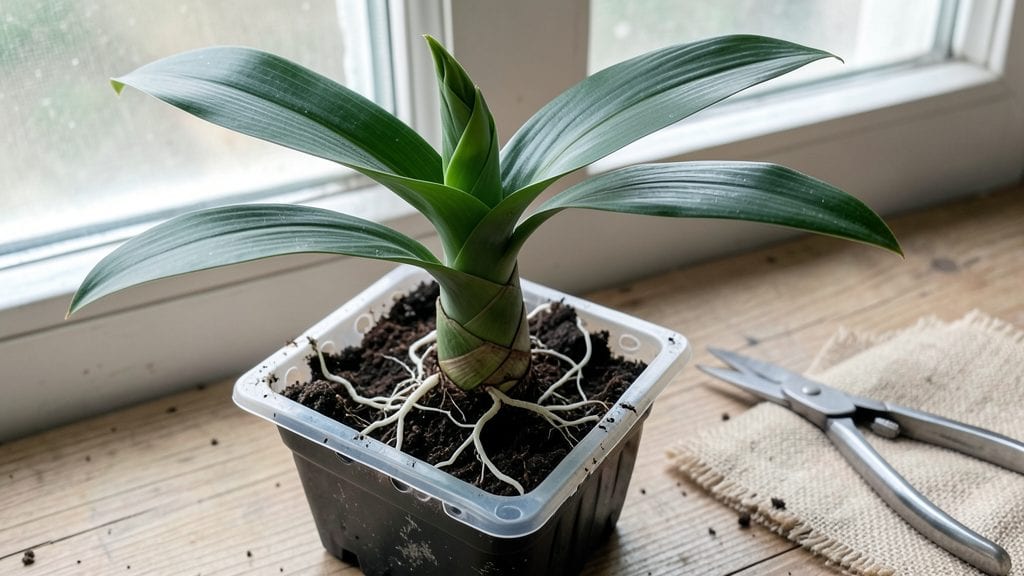
Growing a banana tree from a banana seed turns your kitchen scrap into a living piece of paradise. 🌱 I still remember the first time I watched a tiny seedling unfurl its leaves—it felt like holding a piece of the tropics in my hands.
The process starts with a simple grocery store banana, but the journey takes patience, warmth, and just the right touch.
You'll need a ripe banana, a warm spot, and a few basic supplies: a container, potting mix, and a spray bottle. The seed inside most bananas is tiny but packed with potential—it just needs the right conditions to wake up.
Germination can take anywhere from a few weeks to several months, so this isn't a quick project, but the reward makes every wait worthwhile.
Imagine lush, broad leaves reaching toward the sky, and one day—if you're lucky—those signature banana flowers appearing. Even if it never fruits where you live, the tropical foliage alone makes it a stunning centerpiece for patios, balconies, or even indoor spaces with bright light.
The key is keeping it cozy, well-watered, and protected from cold snaps.
Whether you're in a warm climate or just dreaming of the tropics, this project brings a little sunshine indoors. The real magic happens when you see that first true leaf—proof that something extraordinary grew from something as ordinary as a banana peel.
📚 In This Guide
- What you need
- Instructions
- Tips and common mistakes
- Wrapping up and next steps
What you need
- ● Banana seeds: 1–2 seeds (harvested from a ripe banana or purchased online)
- ● Small seed-starting pots: 2–3 (4–6 inches in diameter, with drainage holes)
- ● Well-draining potting mix: 1 bag (lightweight, organic blend for seedlings)
- ● Plastic wrap or clear lid: 1 (to create a humidity dome)
- ● Spray bottle: 1 (for gentle watering)
- ● Grow lights or sunny windowsill: 1 (6+ hours of indirect light daily)
- ○ Fertilizer (balanced, water-soluble): 1 small bottle (optional, for early growth)
- ● Heating mat (to speed up germination, if temperatures drop below 70°F/21°C)
- ● Humidity tray (to maintain moisture levels)
- ● Larger container (for transplanting once seedlings are 6+ inches tall)
- ● Mulch or coconut coir (to retain moisture in the soil)
Step-by-Step instructions for growing a banana tree from a banana seed
Here's how to transform a simple grocery store banana into a living, growing tropical plant.
🌱 Step 1: Extract and Prepare the Banana Seed
Start with an organic banana—conventional ones are often treated to prevent sprouting. Cut the banana in half lengthwise and locate the small black seeds embedded in the core. Use a sharp knife to carefully separate these seeds, which are about the size of a pinhead. Place them on a paper towel and let them air-dry for 24 hours to prevent mold.
Here's the thing—these seeds are tiny and delicate. I like to use a magnifying glass to spot them, as missing them means starting over. Once dry, store them in a sealed container with a damp paper towel until you're ready to plant. The goal is to keep them moist but not soggy.
🪴 Step 2: Plant the Seeds in a Well-Draining Mix
Fill a small pot—3-4 inches deep—with a mix of 50% potting soil and 50% perlite or coarse sand to ensure excellent drainage. Banana seeds rot easily if kept too wet. Moisten the mix until it's damp but not dripping, then press a seed about ¼ inch deep into the soil.
Cover the pot with clear plastic wrap or a humidity dome to retain moisture and warmth. Place it in a warm spot—75-85°F—like on top of a refrigerator or near a sunny window. You'll see tiny sprouts in 3-6 weeks, but be patient. Some seeds take longer, so don't give up after a few weeks.
☀️ Step 3: Provide Warmth and Light for Germination
Once the seedling emerges, remove the plastic wrap immediately to prevent mold. Place the pot under a grow light or in a spot with bright, indirect light for 12-14 hours daily. Banana plants need warmth to thrive—keep the soil temperature above 65°F at all times. If your home runs cooler, a seedling heat mat can make all the difference.
You'll notice the first leaves are long and narrow—this is normal. As the plant grows, it'll develop larger, more typical banana leaves. Water gently when the top inch of soil feels dry, but avoid soggy conditions. Overwatering is the #1 killer of young banana seedlings.
🌿 Step 4: Transplant and Care for the Young Plant
When the seedling reaches 6 inches tall and has 3-4 true leaves, it's time to transplant into a 6-inch pot with fresh potting mix. Handle the plant carefully—banana seedlings have delicate roots. Water thoroughly after transplanting to help it settle into its new home.
Continue providing warmth and bright light. As the plant grows, rotate the pot a quarter turn weekly to encourage even growth. You'll see the first signs of a banana plant's iconic large leaves within a few months. This is the moment that matters—it means your seedling is thriving!
⏰ Step 5: Gradually Acclimate to Outdoor Conditions
After 6-8 months, when the plant is at least 2 feet tall, it's safe to move it outdoors. Start by placing it in a sheltered spot for 1-2 hours daily, gradually increasing exposure over 2 weeks. Banana plants love warmth but can't handle frost—wait until temperatures stay above 50°F at night.
Once outdoors, choose a spot with partial shade and rich, well-draining soil. Mulch around the base to retain moisture and keep roots cool. With patience, your banana plant may eventually produce flowers—and yes, those flowers can turn into bananas, though it takes years from seed.
Tips & tricks for growing a banana tree from a banana seed
Transforming a simple banana into a thriving tropical plant takes patience—and these pro tips will help you avoid common pitfalls along the way.
Seed Extraction Secret: In Step 1, when you're searching for those tiny black seeds, I recommend using a magnifying glass or even a flashlight to shine light through the banana core. The seeds will appear as tiny dark specks against the lighter fruit fibers. Don't rush this step—missing just one seed means starting over, and these little guys are worth the effort!
Temperature Matters: Maintaining the exact 75-85°F range during germination (Step 2) is crucial. If your home runs cooler, place the pot on top of a refrigerator or use a seedling heat mat. I've seen seeds fail to sprout when kept in rooms below 70°F—don't let that happen to you. The warmth mimics tropical conditions and speeds up germination.
Lighting Strategy: For Step 3, if you don't have a grow light, position your banana seedling near a south-facing window where it can get bright, indirect light for those critical 12-14 hours daily. Rotate the pot quarter-turn weekly to prevent the plant from leaning toward the light source. This simple habit ensures even growth and prevents lopsided development.
Transplanting Wisdom: When you reach Step 4 and it's time to transplant, choose a pot with drainage holes—banana roots need oxygen just as much as water. Gently loosen the root ball before placing it in the new container to minimize shock. I've found that plants transplanted this way establish themselves faster and show less stress.
Pro Tips for Grow A Banana Tree From A Banana Seed
- Transforming a simple banana into a thriving tropical plant takes patience—and these pro tips will help you avoid common pitfalls along the way.
- Seed Extraction Secret: In Step 1, when you're searching for those tiny black seeds, I recommend using a magnifying glass or even a flashlight to shine light through the banana core.
- Temperature Matters: Maintaining the exact 75-85°F range during germination (Step 2) is crucial.
Frequently asked questions
Got questions? You’re not alone—growing a banana tree from a seed is as rewarding as it is tricky! Here are answers to the most common curiosities to keep your tropical adventure on track.
How long does it take for a banana seed to sprout?
Patience is key! Most banana seeds sprout within 2–4 weeks if kept warm (70–85°F) and moist. Some stubborn seeds may take 6–8 weeks—don’t give up! Once sprouted, expect 3–5 years before your tree produces edible bananas (if it’s a dessert variety).
Can I grow a banana tree from a store-bought banana?
Yes—but with a caveat! Store-bought bananas are often from sterile hybrids (like Cavendish), so their seeds won’t grow into fruit-bearing trees. For a real shot at bananas, use seeds from wild or heirloom varieties (like Red Dacca or Ice Cream bananas). Save the fun for organic or farmer’s market finds!
How do I protect my banana tree from cold weather?
Banana trees are tropical and hate frost—temperatures below 30°F can kill them. If you live in a cold climate:
Common culprits include:
With the right setup:
Pro tip: Mulch the soil and water sparingly in winter to prevent root freeze.
Why isn’t my banana seed germinating?
If all else fails, try scarification (lightly sanding the seed coat) to speed up germination.
Can I grow a banana tree indoors?
Just know: Indoor banana trees rarely fruit but make stunning, low-maintenance houseplants!
Wrapping up and next steps
Growing a banana tree from a seed is a rewarding journey that blends patience, care, and a touch of tropical magic! 🌱 With the right conditions—warmth, moisture, and a little love—you’ll nurture a plant that could one day bear fruit (or at least bring joy to your space).
Start small, stay consistent, and don’t forget to celebrate every milestone, from that first sprout to the towering leaves.
Ready to take the next step? Share your progress with fellow plant enthusiasts or explore other tropical plants to expand your green thumb! Whether you’re dreaming of edible bananas or just love the adventure, your garden is about to get a whole lot greener. 🌴✨