
Propagation
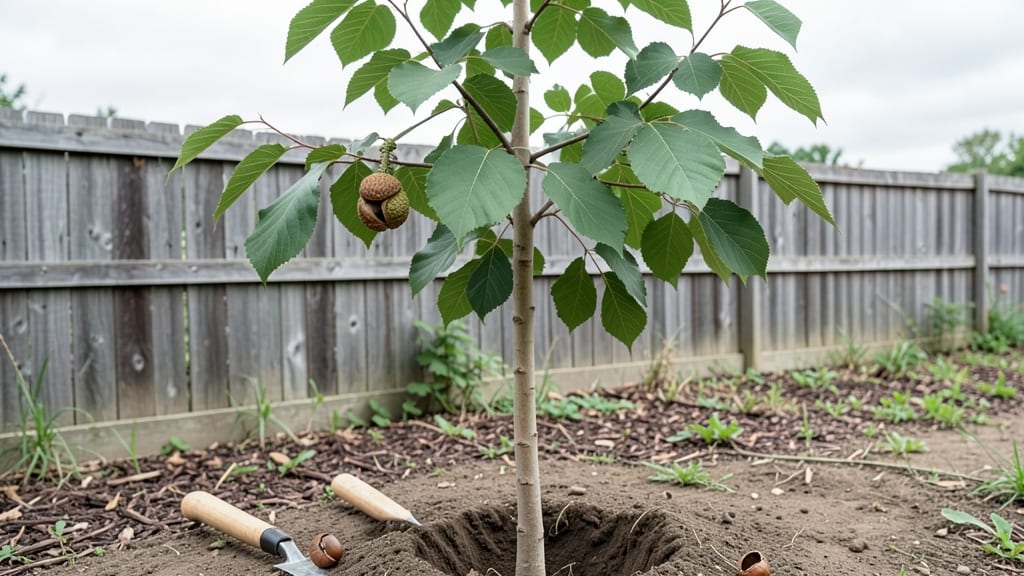
Growing a hickory tree from nut is one of the most rewarding long-term projects you can start this fall. 🌱 The key is patience—these trees take years to mature, but the satisfaction of watching something you nurtured from a tiny seed become a towering shade provider is unmatched.
My first attempt took three years just to see the first true leaves, but now I’ve got a grove of young hickories thriving in my backyard.
The process starts with fresh nuts—preferably from a local source—because store-bought seeds often won’t germinate. You’ll need a cold stratification period to mimic winter, which tricks the seed into thinking it’s time to grow.
After that, it’s all about the right soil mix, proper planting depth, and keeping the area moist but not soggy. Most people rush this step and end up with mold or rot, but with the right approach, you’ll see sprouts within a few months.
By the time your sapling reaches 3 feet, you’ll be rewarded with the first signs of its future potential: those iconic hickory leaves and the promise of edible nuts down the road.
The real magic happens in the years that follow, as the tree develops a strong root system and begins to outpace even the most optimistic growth charts. This isn’t a quick project, but it’s one that connects you to the land in a way few others can.
Whether you’re planting in a sunny backyard or a container for now, the principles stay the same. Hickories are tough once established, but they demand attention in their early years. Stick with it, and you’ll have a tree that could outlive you—and that’s a legacy worth growing.
📚 In This Guide
- What you need
- Instructions
- Tips and common mistakes
- Wrapping up and next steps
What you need
- ● Fresh hickory nuts: 3–5 mature, unbroken nuts (harvested in fall, when fully ripe and brown). Pro tip: 💡 Choose plump nuts—they’re more likely to germinate!
- ○ Growing container: A small pot (4–6 inches deep) or a seed tray with drainage holes. Optional: A peat pot for easy transplanting later.
- ● Well-draining potting mix: A blend of 50% peat moss or coconut coir and 50% perlite or coarse sand.
- ● Watering can or spray bottle: For gentle moisture control.
- ● Plastic wrap or humidity dome: To maintain moisture during germination.
- ● Scissors or pruning shears: For trimming nuts if needed (sterilize with rubbing alcohol!).
- ● Garden gloves: To protect your hands from rough nut shells.
- ● Seed stratification kit (if cold-stratifying indoors).
- ● Grow lights or a sunny windowsill (south-facing is ideal).
- ● Mulch or compost for outdoor planting (once saplings are established).
- ● pH test kit (hickory prefers slightly acidic soil, pH 6.0–7.0).
Step-by-step instructions for growing a hickory tree from nut
Here's my proven method for nurturing a hickory nut into a sturdy sapling—no special equipment needed.
🌱 Step 1: Collect and Prepare the Hickory Nuts
Pick fully mature hickory nuts that have fallen naturally from the tree in late fall or early winter. Avoid any that show signs of insect damage or mold—those won't germinate. I like to gather them after a hard frost when the husks have split open on their own. Store them in a cool, dry place until you're ready to plant.
Before planting, soak the nuts in warm water for 24 hours to soften the hard outer shell. This step is crucial—it mimics nature's way of breaking down the shell during winter rains. After soaking, place the nuts in a paper towel and fold it loosely around them. Keep them in a sealed plastic bag in the refrigerator for 60-90 days to complete the stratification process.
🌱 Step 2: Plant the Stratified Nuts in a Container
Fill a 6-inch deep container with a mix of 50% potting soil and 50% perlite to ensure good drainage. Plant each nut about 1 inch deep, placing it horizontally with the pointed end facing downward—this mimics how they'd lie naturally in forest soil. Cover lightly with soil, leaving just the tip exposed.
Water gently until the soil is evenly moist but not soggy. Place the container in a warm spot with indirect light, like a sunny windowsill with morning sun. Germination can take 4-8 weeks, so be patient. You'll know it's working when you see a small sprout pushing through the soil.
☀️ Step 3: Care for the Seedling After Germination
Once the sprout appears, move the container to a spot with bright, indirect light for the first few weeks. Direct sunlight can scorch the delicate young leaves. Water when the top ½ inch of soil feels dry, but avoid letting the soil stay soggy—hickory seedlings hate "wet feet."
After the first set of true leaves appears (not the initial seed leaves), you can gradually introduce more sunlight. I like to harden off seedlings by placing them outside in a shaded area for 1-2 hours daily, increasing time by 30 minutes each week. This prepares them for outdoor conditions.
🪴 Step 4: Transplant to the Ground
Wait until the seedling is at least 12 inches tall and has a strong root system before transplanting. Choose a location with full sun to partial shade and well-draining soil. Hickory trees love space—dig a hole twice as wide as the root ball but no deeper. Gently loosen the roots before placing the seedling in the hole.
Backfill with native soil and water deeply to settle it around the roots. Mulch with 2-3 inches of organic mulch (like wood chips) to retain moisture and protect the roots. Water regularly but deeply—hickory trees need consistent moisture, especially during their first year.
✂️ Step 5: Maintain and Protect the Young Tree
Keep the soil evenly moist but not waterlogged for the first growing season. Young hickory trees are sensitive to drought, so water 1-2 times per week during dry spells. Fertilize lightly in early spring with a balanced, slow-release fertilizer to encourage strong growth.
Watch for pests like aphids or borers, which can attack young trees. If you spot any, treat with neem oil or insecticidal soap. Prune only to remove dead or damaged branches—hickory trees grow best when left alone to develop their natural shape.
Tips & tricks for perfect hickory tree growth
Here's what I've learned from years of growing hickory saplings—these little tricks make all the difference between success and frustration.
Timing is Everything: Don't rush the 24-hour warm water soak in Step 1—this mimics natural winter conditions and is absolutely critical. I've seen nuts that skipped this step fail to germinate completely. Also, the 60-90 day cold stratification period is non-negotiable. If you're impatient, I get it, but trust me on this: the extra time ensures proper dormancy breaking.
Planting Position Matters: When planting in Step 2, make sure the pointed end faces downward—this is how they naturally orient in forest soil. I've made the mistake of planting them upright, and while they still grow, they take significantly longer to sprout. The horizontal position mimics how they'd lie under fallen leaves in nature.
Germination Patience: Those 4-8 weeks of waiting for germination can feel like forever, but don't be tempted to check constantly. Every time you disturb the soil, you risk damaging the delicate sprout. Mark your calendar and resist the urge to peek—you'll know it's working when you see that first tiny green tip emerge.
Hardening Off Strategy: In Step 3, when you're increasing sunlight exposure by 30 minutes weekly, start with just 1-2 hours daily in shade. I've seen seedlings go from thriving to wilted overnight when moved too quickly to full sun. Think of it like sunbathing—you wouldn't go from zero to full sun exposure yourself!
Pro Tips for Grow A Hickory Tree From Nut
- Here's what I've learned from years of growing hickory saplings—these little tricks make all the difference between success and frustration.
- Timing is Everything: Don't rush the 24-hour warm water soak in Step 1—this mimics natural winter conditions and is absolutely critical.
- Planting Position Matters: When planting in Step 2, make sure the pointed end faces downward—this is how they naturally orient in forest soil.
Frequently asked questions
Got questions about growing a hickory tree from nut? You’re not alone! Here are some of the most common queries—and straightforward answers—to help you succeed.
How long does it take for a hickory nut to sprout?
A hickory nut typically takes 4–12 weeks to sprout after cold stratification (the chilling process). Once planted in soil, germination can take another 2–4 weeks under ideal conditions. Patience is key—hickory trees grow slowly, but consistency pays off!
Can I plant a hickory nut directly in the ground without cold stratification?
Not recommended! Hickory nuts need cold stratification (mimicking winter) to break dormancy. If you skip this step, germination rates drop dramatically. For best results, refrigerate the nuts for 60–90 days before planting in spring or fall.
What’s the best time of year to plant hickory nuts?
Plant them in early spring (after last frost) or fall (6–8 weeks before your first frost). Fall planting lets nature handle stratification, while spring gives you more control. Avoid planting in summer—hot soil can dry out the nut before it sprouts.
Why aren’t my hickory nuts sprouting? Troubleshooting tips.
- Check moisture: Keep soil consistently damp (not soggy). Drought or waterlogging can kill the nut.
- Verify stratification: If you skipped the cold treatment, try refrigerating them for another 2–3 months.
- Test nut viability: Slice open a nut—if the kernel looks dry or moldy, it’s likely dead. Fresh, plump nuts have the best chance.
- Depth matters: Plant nuts 2–3 inches deep. Too shallow = drying out; too deep = poor airflow.
Can I grow a hickory tree from store-bought hickory nuts?
Yes, but only if they’re raw and unsalted! Roasted, smoked, or salted nuts won’t sprout. Look for unprocessed hickory nuts (often sold for cooking or wildlife). Avoid pre-packaged "hickory-flavored" snacks—they’re processed and sterile.
Wrapping up and next steps
Growing a hickory tree from a nut is a rewarding journey that connects you to nature’s patience and resilience.
With the right tools, a little care, and time, you’ll nurture a sapling that could one day provide shade, nuts, and wildlife benefits. Start small today—plant that nut and watch your green legacy grow! 🌱
Ready to take the next step? Research local hickory varieties or explore companion plants to create an even thriving ecosystem. Happy growing!