
Size
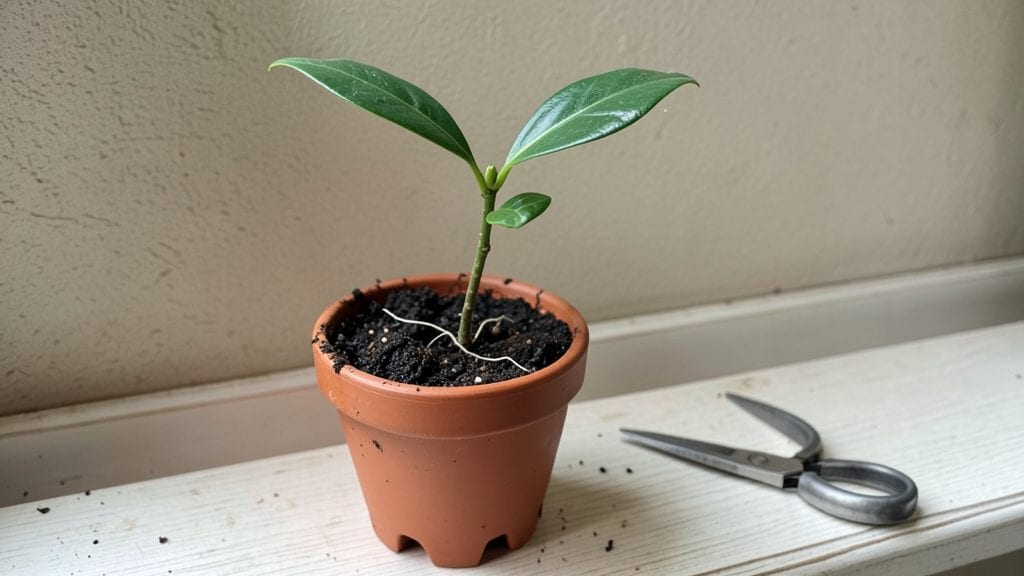
Planting an avocado pit isn't just a science experiment—it's a foolproof way to grow a houseplant that might one day reach your ceiling. 🌱 I've turned three pits into thriving trees, and the best part?
You don't need a green thumb to succeed. The key lies in patience, consistent care, and understanding what your pit needs to break dormancy.
The process starts with just three supplies: a clean avocado pit, toothpicks or chopsticks, and a jar of water. Within 2-3 weeks, you'll see roots sprouting—proof that nature works faster than you think.
Once rooted, transfer it to soil and watch it grow 6-12 inches in its first year with proper light and watering. The real magic happens when you see those first leaves unfurl, signaling life where there was once just a pit.
By month four, you'll have a small tree with a sturdy trunk and glossy leaves, ready to move into a pot. It might never bear fruit indoors, but the journey is rewarding—plus, you'll have a conversation piece that proves gardening can start in your kitchen.
The hardest part? Waiting for those first roots to appear. Trust me, it's worth it.
This method works in any climate, though tropical varieties thrive best. If your tree outgrows its pot, repotting every 12-18 months keeps it healthy. The biggest challenge? Overwatering, which can cause root rot.
Let the top inch of soil dry between waterings, and you'll avoid that common pitfall. Ready to grow your own avocado tree?
📚 In This Guide
- What you need
- Instructions
- Tips and common mistakes
- Wrapping up and next steps
What you need
- ● 1 fresh avocado pit – Choose a ripe, organic avocado for best results (the larger, the better!).
- ● 3-4 toothpicks or skewers – To suspend the pit without piercing it.
- ● 1 small glass or jar – A clear container (8–12 oz) with a wide enough opening to fit the pit.
- ● Water – Filtered or room-temperature tap water (change weekly).
- ● Potting soil – A well-draining mix (cactus/succulent soil or a 50/50 blend of potting soil and perlite).
- ● 1 small pot (6–8 inches in diameter) – With drainage holes to prevent root rot.
- ● Knife or peeler – For cleaning the pit (sterilize with rubbing alcohol if reusing).
- ● Spray bottle – For misting the soil and leaves (keeps humidity high).
- ● Plant food (balanced fertilizer, 10-10-10) – Dilute to half-strength once roots are 2–3 inches long.
- ● Grow lights or sunny windowsill – South-facing light or 12+ hours of artificial light daily.
- ● Rocks or pebbles – For decorative drainage in the pot.
- ● Twine or rubber bands – To secure the pit if toothpicks slip.
Step-by-Step instructions for growing an avocado tree from a pit
Turn that kitchen discard into a living plant with this foolproof method.
🌱 Step 1: Prepare the Avocado Pit for Planting
Rinse the pit thoroughly to remove any fruit residue, then dry it completely. I like to let it air-dry for a day or two on a paper towel—this prevents mold from forming later. Once dry, insert 3-4 toothpicks evenly around the pit, about ½ inch from the top. The toothpicks will suspend it over water without letting it sink.
Here's the thing—don't skip the toothpicks. Without them, the pit will sit directly in water and rot before sprouting. The goal is to keep the bottom third submerged while the top stays dry. I use wooden toothpicks because they're sturdy and biodegradable, but plastic will work too if you have them on hand.
💧 Step 2: Submerge the Pit in Water
Fill a glass or jar with enough water to cover about 1 inch of the pit's bottom. The toothpicks should hold it steady, with the wider end (where the stem was attached) facing up. Place the container in a warm spot—70-75°F is ideal—like a sunny windowsill or under a grow light. Change the water every 2-3 days to keep it fresh and prevent bacteria buildup.
You'll see roots emerge from the bottom in 2-6 weeks. Watch for the first sign—a tiny white nub breaking through the skin. Don't rush this step. If the water gets cloudy or smells funky, dump it and refresh. Moldy water will kill your sprout before it even starts.
☀️ Step 3: Transplant the Sprouted Pit
Once roots reach about 2-3 inches long, it's time to plant. Fill a 6-inch pot with well-draining potting mix—avoid garden soil, which compacts and suffocates roots. Make a small hole in the center and gently place the pit so the roots spread downward, with the wider end still facing up. Cover the roots with soil, leaving the top half exposed.
Water lightly until moisture seeps from the bottom of the pot, then let it drain completely. Place the pot in bright, indirect light—direct sun can scorch the young plant. You'll notice new growth within 2-4 weeks if everything's right. If the leaves yellow, you're overwatering. Let the top inch of soil dry out between waterings.
🪴 Step 4: Care for Your Young Avocado Tree
Avocado trees love humidity, so mist the leaves daily or place the pot on a tray of pebbles with water underneath. Keep the soil consistently moist but never soggy—avocados hate "wet feet." Rotate the pot weekly so the tree grows straight toward the light. Once the stem reaches 6-8 inches tall, you can prune the top leaves to encourage bushier growth.
Here's where it gets fun—watch for the first true leaves, which will look like small, glossy ovals. These signal your tree is thriving. Fertilize lightly with a balanced houseplant fertilizer every 2 months during the growing season. Over-fertilizing now will burn the delicate roots. Patience is key—your tree won't bear fruit for years, but the journey is rewarding.
Tips & tricks for growing an avocado tree from a pit
A few simple tricks will help you avoid common pitfalls and give your avocado tree the best possible start.
Toothpick Placement: When inserting the 3-4 toothpicks in Step 1, space them evenly around the pit's equator—not too high or too low. The goal is to create a stable cradle that keeps the bottom submerged while leaving the top half dry. I angle them slightly downward to prevent the pit from tipping over in the water. This balance is crucial for preventing rot while encouraging root growth.
Water Quality Matters: In Step 2, use filtered or bottled water if possible—tap water with chlorine or heavy minerals can stress your sprout. The 70-75°F temperature range is ideal, but if your home runs cooler, place the container on a seedling heat mat (set to low) to maintain warmth. Cloudy water means it's time to change it—never let it sit stagnant for more than 3 days.
Transplant Timing: Don't rush transplanting in Step 3! Wait until roots reach 2-3 inches—longer roots mean a stronger start in soil. When planting, gently spread the roots downward rather than curling them up. This encourages downward growth and prevents root circling, which can strangle the plant as it matures. A small handful of perlite mixed with the potting soil improves drainage.
Lighting Strategy: For Step 4, if you don't have bright indirect light, supplement with a grow light on a timer (12-14 hours/day). Place it 6-8 inches above the plant and adjust as it grows. Watch for leaves stretching toward the light—this means it needs more intensity. Rotate the pot weekly so all sides get equal exposure, preventing lopsided growth.
Pro Tips for Can You Plant An Avocado Pit And Grow A Tree
- A few simple tricks will help you avoid common pitfalls and give your avocado tree the best possible start.
- Toothpick Placement: When inserting the 3-4 toothpicks in Step 1, space them evenly around the pit's equator—not too high or too low.
- Water Quality Matters: In Step 2, use filtered or bottled water if possible—tap water with chlorine or heavy minerals can stress your sprout.
Frequently asked questions
Got questions about growing an avocado tree from a pit? We’ve got answers!
Here are some of the most common queries—and practical tips—to help you succeed from seed to sapling.
How long does it take for an avocado pit to sprout?
Patience is key! Most avocado pits sprout within 4–8 weeks when kept warm (around 70°F) and moist. Some may take up to 3 months—don’t give up if yours is slow to show signs of life. Consistency in watering and humidity is everything!
Can I plant the pit directly in soil?
While possible, it’s riskier. Direct planting often leads to rot because pits need time to develop roots in water first. The toothpick method (or a jar) gives roots a fighting chance before transitioning to soil. Think of it as a pre-school for your future tree!
What’s the best soil mix for a young avocado tree?
Use a well-draining mix of:
- 60% potting soil
- 30% perlite or sand
- 10% compost
Why did my avocado pit rot instead of sprouting?
Rot is usually caused by too much water or poor drainage. If your pit feels mushy or smells foul:
- Check water levels—only keep the bottom 1 inch submerged.
- Use chlorinated water sparingly (let it sit out 24 hours to dissipate chlorine).
- Try a fresh pit—older pits may be too dried out.
Will my homegrown avocado tree produce fruit?
Maybe! Most avocado trees grown from pits take 5–13 years to bear fruit—and even then, it might not be as flavorful as grocery-store varieties. For faster results, grafting (a horticultural technique) can jumpstart fruit production. Patience pays off, though—your tree could live for decades!
What’s the ideal temperature for growing an avocado tree?
Avocados love warmth but hate frost. Keep your seedling in a spot with:
- Daytime temps: 70–85°F (21–29°C)
- Nighttime temps: Above 55°F (13°C)
Wrapping up and next steps
Growing an avocado tree from a pit is totally doable—and it’s one of the most rewarding kitchen experiments you’ll ever try! 🌱 With patience, the right setup, and a little care, you can nurture a tiny seedling into a thriving plant in just weeks.
Whether you’re a green thumb or a curious beginner, this project is a fantastic way to connect with nature while enjoying the magic of growth right in your home.
Ready to take the next step? Plant your pit today and watch your tiny tree sprout! Once your seedling is strong, consider transplanting it into a pot or garden—just remember, it’ll need years to bear fruit. Happy growing! 🌿