
Propagation
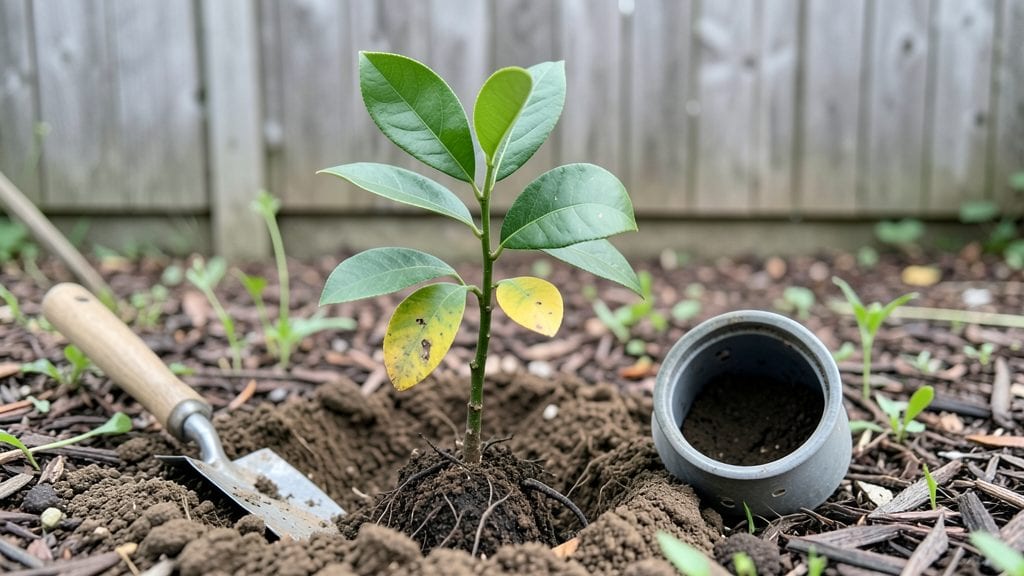
Growing a grapefruit tree from seed is the kind of project that feels like a tropical vacation in your own backyard—though the fruit might not taste like store-bought. 🌱 The journey starts with a single seed, and before you know it, you're nurturing a citrus sapling that could one day reach 30 feet tall (if you're patient).
You'll need a warm spot with bright, indirect light, a small pot with drainage, and a steady supply of patience—germination can take anywhere from 2 to 6 weeks, and fruit won’t appear for 10+ years.
The real magic happens in the daily care: keeping the soil moist but not soggy, rotating the pot for even growth, and protecting it from frost. Even if the tree never bears true grapefruit, the glossy leaves and citrus scent make it worth the wait.
By summer, you’ll have a sturdy young tree ready for its first outdoor adventure—though it’ll need winter protection until it’s fully hardened. The best part? Every step teaches you how citrus trees thrive, even if this one stays more decorative than productive. Ready to start your citrus journey?
Fair warning: Seed-grown trees rarely produce fruit identical to the parent, but the process itself is a rewarding lesson in tropical horticulture. Here’s how to get those first sprouts pushing through the soil.
📚 In This Guide
- What you need
- Instructions
- Tips and common mistakes
- Wrapping up and next steps
What you need
- ● Grapefruit seeds – 2–5 fresh, plump seeds (harvested from a ripe grapefruit)
- ● Small pots or seed trays – 3–4 inches deep, with drainage holes (biodegradable pots work too!)
- ● Well-draining potting mix – A blend of peat moss, perlite, and vermiculite (or a cactus/succulent mix)
- ● Spray bottle – For gentle watering (avoid over-saturating seeds)
- ● Plastic wrap or humidity dome – To create a mini greenhouse effect
- ● Grow lights or sunny windowsill – A spot with 6+ hours of indirect sunlight daily
- ○ Fertilizer (optional but helpful) – A balanced liquid fertilizer (10-10-10) for seedlings (dilute to half-strength)
- ● Larger pots (6–12 inches) – For transplanting once seedlings sprout
- ● Pruning shears – For trimming as the tree grows (sterilize with rubbing alcohol!)
- ● Seedling heat mat – Speeds up germination (70–85°F ideal)
- ● Humidifier or pebble tray – Maintains moisture for tropical seedlings
- ● Mulch (e.g., straw or bark) – Retains soil moisture in warmer climates
- ● pH test kit – Ensures soil pH is 6.0–7.0 (grapefruit prefers slightly acidic soil)
- ● Citrus-specific fertilizer – Boosts growth once transplanted outdoors
Step-by-Step instructions for growing a grapefruit tree from seed
Here's how I've grown healthy grapefruit seedlings—no green thumb needed, just patience and a sunny spot.
🌱 Step 1: Extract and Prepare the Seed
Start with a fresh grapefruit—organic is best to avoid chemical residues. Cut the fruit in half and scoop out the seeds, removing any pulp clinging to them. Rinse the seeds under cool water to clean off any remaining fruit residue. I like to spread them on a paper towel to dry slightly for about 15 minutes—this helps prevent mold later.
Choose the plumpest seeds for planting, as they're more likely to germinate. If a seed feels light or shriveled, skip it. Place the selected seeds in a small container of water overnight to soften their outer coating. This step speeds up germination by breaking down the seed's natural dormancy barrier.
🪴 Step 2: Plant the Seeds in a Moist Growing Medium
Use a 4-inch diameter pot filled with a mix of 50% potting soil and 50% perlite or coarse sand—this ensures excellent drainage, which grapefruit seeds hate. Water the mix until it's damp but not soggy, then press each seed about ½ inch deep into the soil. I plant 2-3 seeds per pot so I have backups if some don't sprout.
Cover the pot with plastic wrap or a clear dome to create a mini greenhouse effect. Place it in a warm spot—75-85°F is ideal—like on top of your fridge or near a sunny window. Keep the soil consistently moist by misting lightly every 2-3 days. You'll see sprouts in 7-14 days, but don't be surprised if it takes longer, especially in cooler rooms.
☀️ Step 3: Provide Light and Care for Seedlings
Once the first true leaves appear—not the initial seed leaves—remove the plastic cover and move the seedlings to a bright, indirect light spot. A south-facing window works well, but if your seedlings stretch toward the light (a sign of legginess), supplement with a grow light for 12-14 hours daily. Keep the light 3-4 inches above the seedlings to prevent burning.
Water when the top inch of soil feels dry to the touch. Overwatering is the biggest killer of young grapefruit seedlings, so let the soil dry slightly between waterings. Fertilize lightly with a balanced liquid fertilizer (10-10-10) diluted to half strength after 4-6 weeks to encourage strong root development.
✂️ Step 4: Transplant and Prune for Strong Growth
When seedlings reach 6-8 inches tall and have 4-5 sets of leaves, it's time to transplant them into 6-inch pots with fresh potting mix. Handle the seedlings gently to avoid damaging the roots. I like to harden them off first by placing them outside in a shaded area for 1-2 hours the first day, gradually increasing exposure over 7-10 days before moving them to full sun.
Prune leggy or weak stems by cutting just above a leaf node to encourage bushier growth. This is also the time to start training the main stem—pinch off the top set of leaves when the seedling is about 12 inches tall to promote branching. This step is crucial for developing a sturdy, productive tree later on.
🌿 Step 5: Prepare for Long-Term Care
After 6 months, your grapefruit seedling will be ready for its final pot or outdoor planting (if you live in a USDA Zone 9-11 area). Choose a 12-inch pot or a sunny, sheltered spot in the garden with well-draining soil. Mulch around the base with 2-3 inches of organic mulch to retain moisture and regulate soil temperature.
Grapefruit trees grown from seed may take 5-10 years to bear fruit, but the journey is rewarding. Keep an eye out for pests like aphids or scale, and treat them early with neem oil or insecticidal soap. With patience and care, you'll have a tropical tree thriving in your backyard—even if it's not quite the same as a grocery store grapefruit!
Tips & tricks for growing a grapefruit tree from seed
A few simple tricks will help you nurture a healthy grapefruit seedling from start to finish.
Seed Selection: In Step 1, don't overlook the importance of selecting plump, firm seeds—they're the ones most likely to germinate. I've learned the hard way that shriveled or flat seeds rarely sprout, so take that extra 15 minutes to inspect each one carefully. The overnight water soak in Step 1 is crucial too—it softens the seed coat and can cut germination time by nearly half.
Environmental Control: Maintaining that 75-85°F range in Step 2 is key for consistent germination. If your home runs cooler, place the pots on top of your fridge or near a heat source. The plastic wrap creates a greenhouse effect, but don't seal it completely—leave a small gap for airflow to prevent fungal growth. I've seen germination times stretch from 7 to 21 days when this balance isn't maintained.
Light Transition: When moving seedlings to light in Step 3, gradual exposure is everything. Start with bright indirect light and only introduce direct sun after they've developed their first true leaves. I've ruined seedlings by moving them too quickly to full sun—they get sunburned leaves that never recover. That 3-4 inch distance from grow lights is non-negotiable for preventing leaf burn.
Pruning Strategy: In Step 4, when pinching back the main stem at 12 inches, aim to remove just above a leaf node where new growth will emerge. This encourages bushier growth rather than a single tall stem. I've found that seedlings pruned this way develop stronger branches that support fruit better later on—it's worth the extra attention during this growth phase.
Pro Tips for Grow A Grapefruit Tree From Seed
- A few simple tricks will help you nurture a healthy grapefruit seedling from start to finish.
- Seed Selection: In Step 1, don't overlook the importance of selecting plump, firm seeds—they're the ones most likely to germinate.
- Environmental Control: Maintaining that 75-85°F range in Step 2 is key for consistent germination.
Frequently asked questions
Got questions about growing a grapefruit tree from seed? You’re not alone! Here are some of the most common concerns—and their straightforward answers—to help you thrive in your tropical fruit adventure.
How long does it take for a grapefruit seed to sprout?
A grapefruit seed typically sprouts within 10 to 21 days if kept in warm, moist conditions. Patience is key—some seeds may take longer, especially if the soil is too dry or cold. Keep the soil consistently damp (but not soggy) and place the pot in a warm spot, like near a sunny window or under a grow light.
Will a grapefruit tree grown from seed produce fruit?
While it’s possible for a seed-grown grapefruit tree to produce fruit, it may take 5 to 10 years or longer—and the fruit might not resemble the parent variety. Seedlings are unpredictable! For reliable fruit, consider grafting a known cultivar onto your seedling later. Think of this as a fun experiment with a tropical twist!
What’s the best temperature for growing a grapefruit seedling?
Grapefruit seedlings thrive in warmth, ideally between 65°F to 85°F (18°C to 29°C). If temperatures drop below 50°F (10°C), growth slows dramatically. Use a heat mat or move pots indoors during winter. Once established outdoors, choose a location with full sun (6+ hours daily) and shelter from frost.
Can I grow a grapefruit tree indoors?
Yes! Start your seedling indoors in a sunny window or under grow lights (12+ hours/day). Use a pot with drainage holes and well-draining soil. As it grows, prune to control size and fertilize lightly with citrus-specific nutrients. However, grapefruit trees love outdoor conditions—they’ll reward you with faster growth and bigger fruit when transplanted outside after the last frost.
What pests or diseases should I watch for?
Common pests include aphids, scale insects, and spider mites. Treat early with neem oil or insecticidal soap. Diseases like root rot (from overwatering) or fungal leaf spots can occur in humid conditions. Ensure good airflow, avoid wetting leaves, and use sterile soil to keep your tree healthy. A happy plant is a resilient one!
Wrapping up and next steps
Growing a grapefruit tree from seed is a rewarding journey that connects you to nature’s sweet surprises! While it takes patience—especially for fruit-bearing—every step, from planting to nurturing, builds your green-thumb confidence. Celebrate your progress! Now that you’ve mastered the basics, why not expand your citrus collection?
Try propagating another fruit tree (like oranges or lemons) or experiment with grafting to speed up fruit production. Your backyard oasis is just getting started—keep exploring! 🌱✨