
Pruning
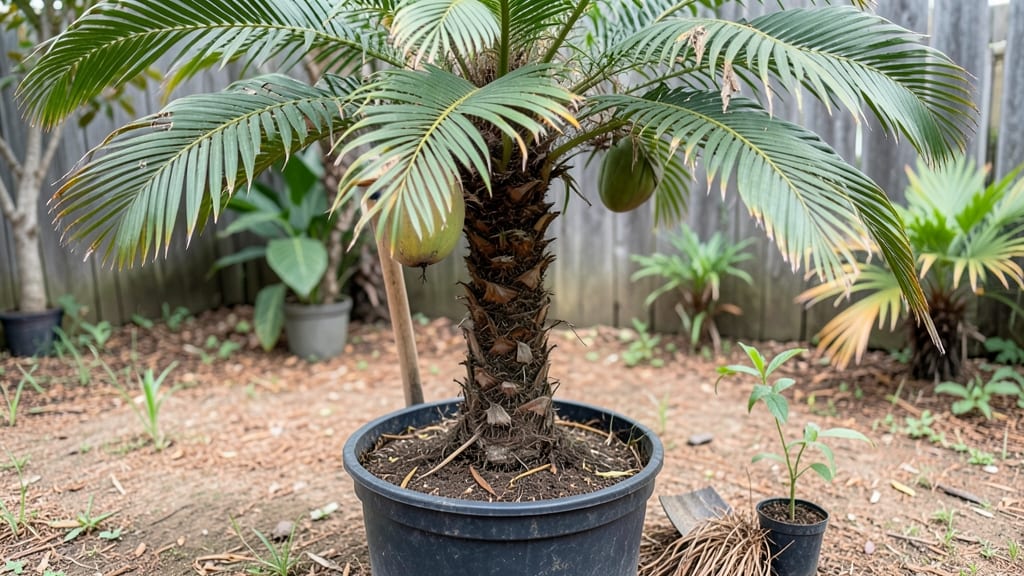
Cultivating a coconut tree in cooler climates feels like defying nature—until you know the tricks. 🌿 I’ve grown them in Zone 9b, and with the right approach, you can too. The secret isn’t just heat; it’s mimicking their tropical roots with shelter, soil, and patience.
You’ll need a 5-gallon+ pot for young trees (or a sheltered outdoor spot in warmer zones), well-draining soil mixed with sand or perlite, and a south-facing window or greenhouse for winter. Start with nursery stock—germinating seeds takes 3-5 years for fruit, while saplings bear coconuts in 5-7 years.
Expect slow growth at first, but with consistent deep watering (2-3 inches weekly) and fertilizing every 3 months, you’ll see sturdy fronds by year two. The real magic happens when you move potted trees outside in summer—suddenly, they thrive like they’re back home. 🌴
Common mistakes? Overwatering (root rot is silent) and skipping winter protection. But once established, these trees reward you with edible coconuts—even in temperate climates. Let’s get those fronds growing!
📚 In This Guide
- What you need
- Instructions
- Tips and common mistakes
- Wrapping up and next steps
What you need
- ● Coconut Seedlings or Nuts: 1 healthy green coconut nut (for germination) or 1-2 young seedlings (if available locally)
- ● Look for plump, firm nuts with no cracks or mold—freshness is key!
- ● Soil & Containers: Well-draining potting mix (50% coconut coir, 30% perlite, 20% compost) OR sandy loam soil (pH 5.5–7.0)
- ● 1 large grow bag (5+ gallons) or container (18"+ deep) with drainage holes (for indoor/cooler climates)
- ● 1 raised bed (3’x3’+) or in-ground plot (for outdoor tropical climates)
- ● Planting Supplies: 1 sharp gardening knife or pruning shears (for cutting nuts/seedlings)
- ● 1 spray bottle (for misting seeds)
- ● 1 plastic wrap or clear lid (to create humidity for germination)
- ● 1 heating mat (to maintain 75–85°F for germination in cooler climates)
- ● 1 humidifier or pebble tray (for consistent moisture)
- ● 1 slow-release fertilizer (balanced 10-10-10 or organic options like fish emulsion)
- ● 1 trellis or stake (to support young seedlings as they grow)
- ● 1 thermometer/hygrometer (to monitor ideal tropical conditions)
Step-by-Step guide to growing coconut trees in cooler climates
With the right approach, you can cultivate coconut palms even outside tropical zones.
🌱 Step 1: Select and Prepare Your Coconut Nursery
Start with a dwarf coconut variety like 'Malayan Dwarf' or 'Panama Tall', as they adapt better to cooler climates. Purchase a 3-4 year old sapling from a specialty nursery—younger plants struggle with transplant shock. Before planting, soak the root ball for 24 hours in lukewarm water to rehydrate roots; this jumpstarts growth and reduces transplant stress.
Choose a spacious container (at least 15 gallons) with drainage holes if growing indoors, or a sheltered outdoor spot with year-round frost protection. In cooler zones, dig a deep planting hole—twice as wide as the root ball but no deeper—to prevent waterlogging. Amend the soil with sand and compost (50/50 mix) to improve drainage, since coconut palms hate soggy roots.
☀️ Step 2: Position for Maximum Sunlight and Heat
Coconut palms demand full sun exposure (8+ hours daily) and consistent warmth—even in cooler climates. Place your container or planting site in the sunnest, most sheltered spot possible, ideally against a south-facing wall for reflected heat. If growing indoors, position under grow lights (14-16 hours/day) to mimic tropical conditions.
During cooler months, insulate the root zone with mulch (3-4 inches of straw or wood chips) to retain heat. For container-grown palms, wrap the pot in bubble wrap or move it to a garage or greenhouse when nighttime temps drop below 50°F. Watch for yellowing fronds—this signals cold stress and means you need to adjust protection immediately.
💧 Step 3: Water Deeply and Maintain Tropical Moisture
Coconut palms thrive on consistent moisture but hate waterlogged roots. Water deeply once weekly (or daily in extreme heat) until water drains freely from the bottom. In containers, check soil moisture by sticking your finger 2 inches deep—if dry, water thoroughly. Overwatering causes root rot, which is fatal for coconut palms.
Mimic tropical humidity by misting leaves daily or placing the container on a tray of pebbles with water (ensuring the pot doesn’t sit in standing water). In dry climates, group plants together to create a microclimate with higher humidity. Fertilize monthly with a balanced palm fertilizer (10-10-10) during growing season (spring-fall), reducing to every other month in winter.
✂️ Step 4: Prune and Protect for Long-Term Growth
Prune only dead or yellowing fronds—never remove healthy leaves, as they fuel the palm’s growth. Use sterilized pruners to cut 1 inch above the frond’s base, sealing the wound with pruning paste to prevent disease. Remove flower stalks if you want to delay fruit production (young palms need all their energy for root establishment).
In cooler climates, protect the palm during winter by wrapping the trunk in burlap or coconut fiber and covering the top with a clear plastic dome (like a large cloche) to trap heat. Monitor for pests like mealybugs or scale, which thrive in dry conditions—treat infestations immediately with neem oil to avoid spread. With patience, your palm will reward you with first flowers in 5-7 years and coconuts soon after.
🪴 Step 5: Transplant or Overwinter for Longevity
If growing in containers, repot every 2-3 years into a larger pot (2-3 inches wider) with fresh sandy, well-draining soil. Transplant outdoors only when the root ball is fully established (3+ years old) and nighttime temps stay above 60°F. Dig a hole twice as wide as the root ball and no deeper, backfilling with amended soil to prevent settling.
For overwintering, move potted palms to a sunny indoor space (like a conservatory or sunroom) where temps stay above 55°F. Avoid drafts and reduce watering by half—overwatering in low light causes root rot. With proper care, your coconut palm can live decades, eventually producing edible coconuts even in cooler climates.
Tips & tricks for perfect coconut tree cultivation in cooler climates
Growing coconut palms outside the tropics takes patience and precision—here's how to avoid common pitfalls and maximize success.
Variety Selection: The 24-hour root soaking in Step 1 is non-negotiable for your dwarf variety like 'Malayan Dwarf' or 'Panama Tall'. These cold-tolerant types need this hydration boost to survive transplant shock in cooler climates. I've seen many gardeners skip this step, only to watch their saplings struggle for months to recover.
Container Strategy: When choosing your 15-gallon container, opt for one with a built-in saucer or place it on a cache pot to catch excess water. Coconut palms despise soggy roots, and containers can trap moisture differently than in-ground plantings. I always add a layer of pebbles at the bottom before the soil mix to create an extra drainage barrier.
Lighting Solutions: The 14-16 hours of grow light exposure in Step 2 is your palm's lifeline in cooler climates. If you're using LED grow lights, position them just 6-12 inches above the fronds—they need that intense light to photosynthesize properly. I've had success with full-spectrum LED bulbs rated at 6500K color temperature for maximum growth stimulation.
Winter Protection: That 50°F threshold in Step 2 isn't just a suggestion—it's the absolute minimum for your palm's root system. When nighttime temps approach this, I recommend moving container-grown palms to a garage with a space heater set to maintain 55°F. The extra 5 degrees can mean the difference between a thriving plant and one that goes dormant for the season.
Pro Tips for Cultivate Coconut Tree
- Growing coconut palms outside the tropics takes patience and precision—here's how to avoid common pitfalls and maximize success.
- Variety Selection: The 24-hour root soaking in Step 1 is non-negotiable for your dwarf variety like 'Malayan Dwarf' or 'Panama Tall'.
- Container Strategy: When choosing your 15-gallon container, opt for one with a built-in saucer or place it on a cache pot to catch excess water.
Frequently asked questions
Got questions about growing your own coconut tree? You’re not alone—cultivating these tropical giants in cooler climates comes with its share of curiosity! Here are some of the most common queries (and answers) to help you navigate the journey with confidence.
Can I grow a coconut tree indoors or in a container?
Yes, but with limitations! Dwarf coconut varieties (like Cocos nucifera ‘Malayan Dwarf’) thrive in large containers (15+ gallons) and can be moved indoors during winter. Just ensure they get bright, indirect light and keep soil moist. Expect slower growth compared to outdoor trees—patience is key!
How long does it take for a coconut tree to produce fruit?
Outdoor trees typically take 5–7 years to bear fruit, while container-grown varieties may take even longer (7–10 years). Factors like climate, soil quality, and variety play a role. Pro tip: Planting multiple trees improves pollination chances—nature’s way of speeding things up!
What’s the best way to protect a coconut tree in cold weather?
Coconut trees hate frost! For outdoor trees, wrap the trunk with burlap and mulch heavily around the base. Move potted trees to a sunny, sheltered spot (like a garage with light) or use a frost cloth. If temps drop below 30°F (-1°C), expect leaf damage—but the tree may recover with care.
Are there cold-hardy coconut alternatives?
If traditional coconuts seem too high-maintenance, try cold-tolerant palms like the Pygmy Date Palm or Mediterranean Fan Palm. They’re hardy to 15–20°F (-9 to -7°C) and offer similar tropical vibes without the fuss. Plus, they’re great for screening or ornamental use!
Why are my coconut tree’s leaves turning yellow or brown?
Yellowing leaves often signal overwatering or nutrient deficiencies (like potassium or magnesium). Brown tips? Likely underwatering or salt buildup from tap water. Check soil moisture (top 2 inches should be dry) and flush the soil with rainwater monthly. A balanced palm fertilizer in spring/summer can also help!
Can I grow coconuts from a store-bought coconut?
Technically yes, but it’s not recommended for cultivation. Store-bought coconuts are often hybridized for taste, not growth. For better success, source seeds from organic, cold-hardy nurseries or trade with other coconut growers. Patience pays off—germination can take 3–6 months!
Wrapping up and next steps
Cultivating a coconut tree in cooler climates is entirely possible with the right knowledge and care! 🌱 By selecting the right variety, providing proper soil and sunlight, and protecting your tree from frost, you’re well on your way to enjoying tropical harvests—even in unexpected places.
Remember, patience and consistency are key, but the reward of fresh coconuts is worth every effort.
Ready to take the next step? Start small—plant a seedling or sapling today and monitor its progress. If you’re feeling ambitious, explore advanced growing techniques or even share your journey with fellow gardeners for tips and motivation. Your tropical oasis awaits!