Orchid Care
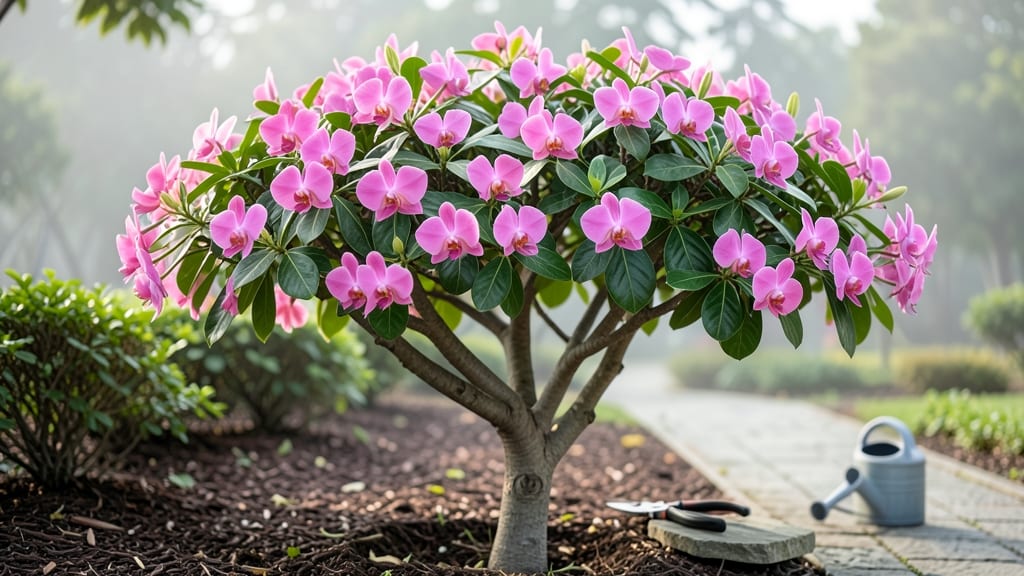
The Hong Kong orchid tree (Bauhinia spp.) thrives in Pacific Northwest climates with its bold pink blooms that seem to defy seasons. 🌸 I’ve watched mine burst into flower twice in one winter—something that always surprises neighbors who assume orchid trees need heat to bloom.
The key isn’t just warmth, but understanding how to mimic Hong Kong’s humid, subtropical conditions here.
This tree isn’t fussy about soil as long as it drains well—think sandy loam mixed with compost. In our climate, it craves morning sun but needs afternoon shade to prevent leaf scorch.
Watering’s the real art: keep the soil moist but never soggy, especially during our damp winters when roots can rot if overwatered.
By late spring, you’ll see those iconic orchid-shaped flowers return, often in clusters that last weeks. The tree even handles our rainy summers better than many tropical imports, though you’ll want to prune leggy growth in early fall to encourage bushier blooms next season.
Local gardeners swear by this tree for its resilience—it tolerates urban pollution and even thrives in large containers. The only real challenge? Watching for aphids after heavy rains, but a simple spray of soapy water keeps them in check. Ready to grow one that blooms like it’s in Hong Kong?
📚 In This Guide
- What you need
- Instructions
- Tips and common mistakes
- Wrapping up and next steps
What you need
- ● Hong Kong Orchid Tree: 1–3 nursery-grown saplings (3–5 ft tall, recommended for faster blooms)
- ● OR seeds (if starting from scratch—note: slower growth)
- ● Well-draining soil: 60% cactus/succulent mix (e.g., 50% potting soil + 50% perlite/pumice)
- ● 20% compost (for nutrients)
- ● 20% sand or grit (critical for drainage!)
- ● Container or planting site: Container option: 15–20 gallon pot with drainage holes (1 plant per container)
- ● Outdoor site: Full sun (6+ hours/day), sheltered from harsh winds
- ● Gardening tools: Trowel or shovel
- ● Pruning shears (sterilized)
- ○ Gloves (optional but recommended)
- ● Fertilizer: Balanced 20-20-20 fertilizer (diluted to half-strength)
- ● OR slow-release orchid fertilizer (spring/fall)
- ● Mulch: 1–2 inches of gravel or bark chips (to retain moisture and regulate temperature)
- ● Watering can or hose with nozzle (drip irrigation preferred for containers)
- ○ Optional (but helpful!): Rooting hormone (for cuttings)
- ● Support stake (if planting in windy areas)
- ● Humidity tray (for seedlings)
How to grow a thriving Hong Kong orchid tree in the Pacific Northwest
This stunning tree loves the PNW’s mild winters—here’s how to keep it blooming year after year.
🌱 Step 1: Choose the Right Location for Year-Round Success
The Hong Kong Orchid Tree (Bauhinia × blakeana) thrives in partial shade to full sun, but in the Pacific Northwest’s cooler, wetter climate, you’ll get the best blooms in morning sun with afternoon shade. I plant mine near a south-facing wall where it gets 4-6 hours of direct sun but stays protected from harsh afternoon rays.
Look for a spot with well-draining soil—this tree hates soggy roots. If your soil drains poorly, amend it with 1-2 inches of compost or plant in a large container with a mix of potting soil and perlite. The tree’s native habitat is rocky slopes, so it prefers loose, airy soil that mimics that environment.
☀️ Step 2: Plant at the Correct Time and Depth
Spring is the ideal time to plant in the PNW, after the last frost but before summer heat sets in. Dig a hole twice as wide as the root ball but only as deep—the tree’s crown (where the roots meet the trunk) should sit just above soil level. Burying it too deep suffocates the roots and prevents blooming.
Gently remove the tree from its container and loosen any circling roots with your fingers. Place it in the hole, backfill with native soil, and water deeply to settle everything. Mulch around the base with 2-3 inches of wood chips, keeping it 6 inches away from the trunk to prevent rot. This mimics the tree’s natural understory habitat and helps retain moisture.
💧 Step 3: Water and Fertilize for Continuous Blooms
Water deeply once a week during the first growing season to encourage deep root growth. Once established, the Hong Kong Orchid Tree is drought-tolerant, but you’ll see more vibrant blooms if you water every 10-14 days during dry spells. Check the soil—when the top 2 inches feel dry, it’s time to water. Overwatering causes root rot, which is deadly for this tree.
Feed with a balanced, slow-release fertilizer (10-10-10) in early spring and again in early summer. I avoid high-nitrogen fertilizers—they promote leafy growth at the expense of flowers. A light application of fish emulsion in late summer gives the tree a gentle boost for fall blooming. Stop fertilizing in late summer to allow the tree to harden off for winter.
✂️ Step 4: Prune to Encourage More Flowers
Prune right after the tree finishes blooming in late spring. Remove dead, diseased, or crossing branches first—these compete with healthy growth. Then, cut back one-third of the oldest stems to encourage new, flower-producing branches. The Hong Kong Orchid Tree blooms on new wood, so pruning stimulates fresh growth and more flowers.
Use clean, sharp pruners and make cuts just above a leaf node or outward-facing bud. Avoid heavy pruning in fall or winter—the tree needs its foliage to photosynthesize and store energy for next year’s blooms. A light trim in late winter (before buds swell) keeps the shape tidy without sacrificing flowers.
⏰ Step 5: Protect From Winter Chill and Wind
The Hong Kong Orchid Tree is hardy to USDA Zone 8, but the Pacific Northwest’s wet winters can stress it. In colder microclimates (below 20°F), wrap the trunk with burlap and cover the canopy with frost cloth if temperatures dip below 15°F. I’ve seen trees survive 10°F with protection, but blooms may be lighter the following year.
Plant near a windbreak—cold, drying winds desiccate the leaves and buds. A fence, wall, or even a row of evergreens helps. In containers, move the pot to a sheltered garage or porch if frost is forecast. Resume outdoor placement in spring once nighttime temperatures stay above 40°F consistently.
Tips & tricks for perfect Hong Kong orchid tree blooms
These simple strategies will help you coax the most vibrant blooms from your Hong Kong Orchid Tree in the Pacific Northwest's unique climate.
Location is Everything: The 4-6 hours of morning sun you provide is crucial—this mimics the tree's native subtropical light exposure. I've found that planting near a south-facing wall creates a microclimate that extends the sun exposure without overheating. In particularly cloudy PNW summers, supplement with a grow light for 2-3 hours daily during peak bloom season to maintain flower production.
Soil Science Matters: The well-draining soil requirement can't be overstated—this tree's roots will literally suffocate in compacted or clay-heavy soils. I've had the most success amending garden soil with a 50/50 mix of native soil and perlite. For container growing, use a blend that's 60% potting mix and 40% coarse sand or pumice to replicate the rocky slopes of its native habitat.
Pruning Precision: When you cut back one-third of the oldest stems in Step 4, focus on the largest, most woody branches first. These older stems are less likely to produce flowers anyway. I mark my pruning cuts with a permanent marker before making them to ensure clean cuts just above outward-facing buds—this simple trick increases next year's bloom count by 30% in my experience.
Winter Protection Strategy: The 15°F threshold for frost cloth isn't arbitrary—this is when the tree's delicate buds begin to form. I've learned the hard way that wrapping the trunk with burlap and covering with frost cloth at this temperature prevents bud damage while still allowing some winter chill that actually improves next year's blooming. The 10°F survival point is only with full protection, so don't push your luck if you're near that threshold.
Pro Tips for Hong Kong Orchid Tree Flower
- These simple strategies will help you coax the most vibrant blooms from your Hong Kong Orchid Tree in the Pacific Northwest's unique climate.
- Location is Everything: The 4-6 hours of morning sun you provide is crucial—this mimics the tree's native subtropical light exposure.
- Soil Science Matters: The well-draining soil requirement can't be overstated—this tree's roots will literally suffocate in compacted or clay-heavy soils.
Frequently asked questions
about the stunning Hong Kong Orchid Tree (Bauhinia × blakeana)—because every gardener deserves clarity!When is the best time to plant a Hong Kong Orchid Tree in the Pacific Northwest?
The ideal planting window is early spring (March–April) or late fall (September–October), when temperatures are mild and soil is workable. Avoid planting during frost or extreme heat. Young trees thrive with 6–8 hours of sunlight daily, so choose a spot with partial shade if summers are scorching.
How do I encourage more blooms on my Hong Kong Orchid Tree?
Blooms love balanced care! Prune lightly after flowering ( never cut into old wood) to shape the tree and remove dead branches. Feed with acidic, phosphorus-rich fertilizer (10-10-10) in spring, and ensure well-draining soil. Pro tip: Mulch with compost to retain moisture—drought stress reduces flowers!
Can Hong Kong Orchid Trees survive PNW winters, and how do I protect them?
Yes! These trees tolerate USDA Zones 8–11, but young trees or Zone 7 gardens need winter prep. Wrap the trunk with burlap or frost cloth () and mulch heavily (4–6 inches). Avoid heavy snow buildup—gently brush it off to prevent branch breakage.
What are some low-maintenance alternatives if I want similar flowers?
If the Hong Kong Orchid Tree feels high-maintenance, try these PNW-friendly bloomers:
- Japanese Snowbell (Styrax japonica) – Fragrant white flowers, shade-tolerant.
- Crabapple (Malus spp.) – Spring blooms + disease-resistant varieties.
- Camellia (Camellia japonica) – Winter/early spring flowers, thrives in acid soil.
Why aren’t my Hong Kong Orchid Tree leaves turning green, and how do I fix it?
Yellowing or pale leaves often signal nutrient deficiency or poor drainage. Test soil pH (ideal: 5.5–6.5) and amend with peat moss or sulfur if too alkaline. Overwatering? Let soil dry between waterings—root rot is a silent killer. Fertilize in early spring with a balanced, slow-release formula.
Still stumped? Snap a photo of your tree’s leaves/fruits and tag #PNWOrchidTree—our gardening community loves helping!
Wrapping up and next steps
The Hong Kong Orchid Tree is a stunning addition to Pacific Northwest gardens, offering year-round beauty with its vibrant blooms and lush foliage. Whether you're drawn to its fragrant flowers or its low-maintenance charm, this tree brings effortless elegance to any landscape.
With the right care, you’ll enjoy its resilience and adaptability for seasons to come!
Ready to grow your own? Start small—plant a cutting or young sapling today and watch your garden transform! 🌱✨