
Pruning
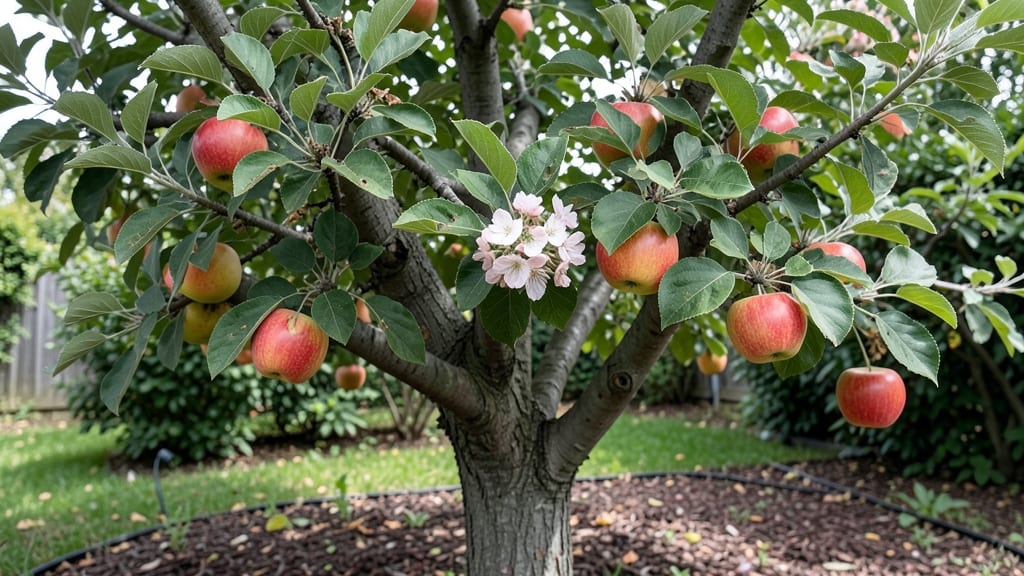
The HoneyCrip apple tree thrives in the Pacific Northwest, delivering homegrown fruit so crisp and sweet it outshines any store-bought variety. I’ve grown mine for five seasons now, and the difference between store-bought apples and these juicy, honey-sweet varieties is night and day.
The secret isn’t just the tree itself but how you prepare the soil, prune for airflow, and time your care to match the region’s damp, cool climate.
This variety thrives in zones 3-7, making it perfect for PNW gardeners who want reliable harvests without fuss. You’ll need well-draining soil, full sun, and patience—Honeycrisp trees take 3-4 years to bear fruit, but once they do, you’ll get pounds of apples per tree with proper care.
The key is balancing water (deep but infrequent) and fertilizer (organic, slow-release) to avoid overfeeding, which leads to weak wood and fewer blossoms.
By summer’s end, you’ll be picking apples that stay crisp for weeks when stored properly. The tree itself becomes a stunning focal point, with glossy leaves and a sturdy shape that works in both rural orchards and urban yards.
Just watch for apple scab and codling moths—preventative sprays in early spring save headaches later.
Whether you’re a first-timer or expanding your orchard, this guide covers every step—from planting in early spring to winter pruning that sets the stage for next year’s harvest. Let’s get your tree off to the best start possible.
📚 In This Guide
- What you need
- Instructions
- Tips and common mistakes
- Wrapping up and next steps
What you need
- ● Pruning shears: Bypass pruners (sharp, clean, and sterilized with rubbing alcohol). Quantity: 1 pair (or 2 if working on a large tree).
- ● Loppers: For thicker branches (1–2 inches in diameter). Quantity: 1 pair.
- ● Pruning saw: For branches thicker than 2 inches. Quantity: 1 (hand saw with a curved blade works best).
- ● Gloves: Heavy-duty, cut-resistant (e.g., mechanics' or pruning gloves). Quantity: 1 pair.
- ● Disinfectant: 70% isopropyl alcohol or a 10% bleach solution (to sterilize tools between cuts).
- ○ Pruning sealant (optional but helpful): Wound dressing (e.g., Tanglefoot Tree Wound Pruning Seal) for large cuts.
- ● Ladder or step stool: Sturdy and tall enough to reach the tree’s highest branches safely.
- ● Bucket or bag: For collecting pruned branches (5–10 gallon capacity).
- ● Sharpie or marker: To label branches if needed (e.g., for future reference).
- ● Safety gear: Eye protection (goggles) and long sleeves/pants (to avoid scratches or sap irritation).
- ● Pole pruner: For high branches (extends reach up to 10–12 feet).
- ● Tree pruning rope: To stabilize the tree while working on tall branches.
- ● Garden hose: For rinsing tools or cleaning sap off branches.
- ● Notebook or app: To sketch the tree’s structure or track pruning notes (e.g., iNaturalist or a simple journal).
- ● Mulch: Shredded bark or wood chips (to replenish after pruning).
How to plant and care for a Honeycrisp apple tree in the Pacific Northwest
This cold-hardy variety thrives in our region—here’s how to set yours up for bountiful harvests.
Choose the Right Location and Prepare the Soil
Honeycrisp apples need full sun (6-8 hours daily) and well-draining soil with a pH between 6.0 and 7.0. In the Pacific Northwest’s cooler climate, a south-facing slope captures extra warmth. Test your soil’s pH with a kit—if it’s too acidic, amend with lime before planting.
Dig a hole twice as wide as the root ball but no deeper. Loosen the sides of the hole to encourage root spread. Mix the native soil with 2-3 inches of compost to improve fertility. Avoid heavy clay—amend with sand or peat moss if needed. Water the hole thoroughly before planting to settle the soil.
Plant at the Correct Depth and Stake for Support
Place the tree so the graft union (the bump near the base) sits 2-3 inches above ground level. This prevents buried roots from rotting in wet Pacific Northwest winters. Spread the roots gently outward—don’t fold them—and backfill with the amended soil, tamping lightly to remove air pockets.
Stake the tree with two supports tied loosely to the trunk with rubber tree ties (never wire—it can girdle the bark). Water deeply after planting to encourage root growth. Mulch with 3-4 inches of wood chips in a 3-foot radius, keeping mulch 6 inches away from the trunk to prevent rot.
Water Deeply and Establish a Regular Care Routine
Water once a week for the first month, then every 10-14 days in dry spells, aiming for 1-2 gallons per week. Honeycrisp trees hate soggy roots, so ensure drainage—Pacific Northwest winters can be wet enough to cause issues. You’ll know watering is right when the soil feels damp 2 inches down but not waterlogged.
Fertilize in early spring with a balanced 10-10-10 formula, applying ½ pound per inch of trunk diameter. Avoid high-nitrogen fertilizers—they promote leafy growth at the expense of fruit. Prune in late winter to remove dead, crossing, or crowded branches, shaping the tree for airflow and sunlight penetration.
Protect from Common Pacific Northwest Pests and Diseases
Monitor for apple maggots and codling moths—common in our region. Use row covers in early spring to deter pests, and apply organic neem oil as a preventive spray in late spring. Watch for apple scab, a fungal disease that thrives in our damp climate. Prune for airflow and apply copper fungicide in early spring before buds swell.
Thin fruit in late spring to 6 inches apart—this ensures larger, higher-quality apples. Remove mummified fruit (dried, shriveled apples) in fall to reduce disease spores. In winter, wrap the trunk with tree guard to protect against voles and rodents, which are active in our mild winters.
Harvest and Winterize for Long-Term Success
Honeycrisp apples ripen late summer to early fall—pick when they easily detach from the tree and have a sweet-tart aroma. Store in a cool, dark place (around 32-40°F) for up to 3 months. Don’t harvest green apples—they won’t ripen off the tree.
Before winter, prune again to remove any suckers or water sprouts that emerged during the growing season. Apply a 3-inch layer of mulch around the base (but not touching the trunk) to insulate roots. In very cold years, wrap the trunk with burlap for extra protection—though Honeycrisp is cold-hardy, young trees benefit from this precaution.
Tips & tricks for perfect Honeycrisp apple tree growth
Here’s what I’ve learned from years of growing Honeycrisp in the Pacific Northwest—these tricks will help you avoid common pitfalls and get the most out of your tree.
Sunlight Strategy: Those 6-8 hours of daily sun are non-negotiable, but here’s the thing—morning sun is more important than afternoon in our cooler climate. Position your tree to catch the first rays, which helps dry dew quickly and reduces disease risk. If your yard has partial shade, consider planting on the southern side of a structure to maximize sunlight exposure.
Soil Prep Secret: When mixing your 2-3 inches of compost with native soil, don’t just dump it in. Create a "soil sandwich" by placing a thin layer of compost at the bottom of the hole, then native soil, then another compost layer before backfilling. This gradual transition helps roots establish more quickly in our often-compacted Pacific Northwest soils.
Watering Wisdom: The 1-2 gallons per week guideline works, but timing matters more than you’d think. Water deeply in the morning so the soil has all day to dry out—this prevents fungal diseases that thrive in our damp climate. I set a rain gauge near my tree to track moisture; if we get more than an inch of rain in a week, I skip watering entirely.
Pruning Precision: In late winter when you’re removing dead or crossing branches, look for what arborists call "water sprouts"—those vigorous vertical shoots growing straight up. These compete with fruit production, so cut them off at their base. Also, make your cuts just outside the branch collar (that swollen area where the branch meets the trunk) to ensure proper healing.
Pro Tips for Honeycrip Apple Tree
- Here’s what I’ve learned from years of growing Honeycrisp in the Pacific Northwest—these tricks will help you avoid common pitfalls and get the most out of your tree.
- Sunlight Strategy: Those 6-8 hours of daily sun are non-negotiable, but here’s the thing—morning sun is more important than afternoon in our cooler climate.
- Soil Prep Secret: When mixing your 2-3 inches of compost with native soil, don’t just dump it in.
Frequently asked questions
Got questions about growing, pruning, or caring for your Honeycrisp apple tree? You’re not alone! Here are answers to some of the most common queries from gardeners in the Pacific Northwest and beyond.
How cold-hardy is the Honeycrisp apple tree?
The Honeycrisp variety thrives in USDA zones 3-8, making it perfect for the Pacific Northwest’s chilly winters. It handles temperatures as low as -30°F (-34°C) without issue, though young trees benefit from winter protection (like mulch or frost cloth) during their first few years.
When is the best time to prune a Honeycrisp apple tree?
Prune your Honeycrisp tree during late winter or early spring (before buds swell) for best results. Avoid heavy pruning in fall, as wounds may not heal before winter. Light shaping in summer (after harvest) can also encourage airflow and reduce disease risk.
How do I know if my Honeycrisp tree needs more pruning?
Watch for these red flags: overcrowded branches, dead or diseased wood, or fruit clusters too heavy for limbs. If sunlight struggles to reach the center or branches rub together, it’s time to prune. Aim to remove 15-25% of the canopy annually for a balanced tree.
Can I grow Honeycrisp from seed, or do I need to buy a grafted tree?
While you can grow Honeycrisp from seed, the resulting tree won’t produce true-to-variety fruit—it may take 10+ years to bear fruit (if ever) and could be disease-prone. For reliable, cold-hardy Honeycrisp apples, always choose a grafted tree from a reputable nursery.
What pests or diseases should I watch for with Honeycrisp apple trees?
Common issues include apple scab (black spots on leaves), codling moths (wormy fruit), and fire blight (blackened branches). Preventative care like copper fungicide sprays (early spring) and row covers (for moths) helps. Remove infected branches immediately to stop spread!
Why aren’t my Honeycrisp apples ripening evenly?
Uneven ripening often stems from inconsistent sunlight (thin out dense foliage) or poor pollination. Honeycrisp needs a cross-pollinator (like ‘Enterprise’ or ‘Zestar!’). If fruit drops early, check for water stress or nutrient deficiencies (test soil pH—ideal range: 6.0-6.5).
Wrapping up and next steps
The Honeycrisp apple tree is a fantastic choice for Pacific Northwest gardeners, offering sweet, crisp, and flavorful fruit while thriving in cold climates. With the right pruning techniques and care, you’ll enjoy a bountiful harvest year after year—so roll up your sleeves and get growing! 🌳🍏
Ready to take the next step? Start by sketching your tree’s structure and gathering your tools—then dive into pruning with confidence. Your future harvest (and tasty treats!) will thank you.