
Pruning
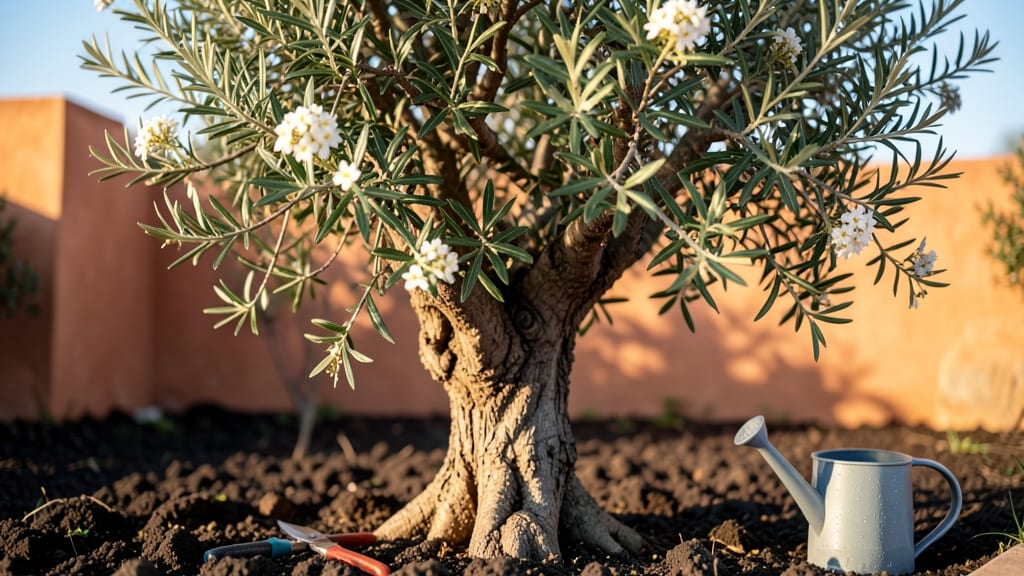
The hardy olive tree thrives where others freeze—even in the Pacific Northwest’s chilly winters. 🌿 I’ve grown mine through three winters without a single leaf burn, and the secret isn’t just the right variety, but how you prune.
Most gardeners overlook winter shaping, but that’s when you set the stage for next year’s fruit.
Cold-hardy varieties like ‘Arbequina’ or ‘Frantoio’ handle down to 15°F with proper care, but they need your help. Start with well-draining soil—sandy loam mixed with compost—and plant in full sun.
The first year focuses on root establishment, but by year two, you’ll prune to open the canopy, letting light reach inner branches and preventing frost pockets.
By late winter, you’ll see fresh growth where others see dead wood. The trees reward you with glossy leaves by spring and silvery-green fruit by fall. Even in rainy climates, they stay vibrant, and the pruning becomes second nature once you understand the timing—just after dormancy, before new shoots emerge.
This method works for urban yards, rural homesteads, or even large containers. The key is patience—olives take 3-5 years to bear fruit, but once they do, they produce for decades. Let’s get those branches shaped right from the start.
📚 In This Guide
- What you need
- Instructions
- Tips and common mistakes
- Wrapping up and next steps
What you need
- ● Hardy olive tree (Olea europaea) – Choose cold-hardy varieties like ‘Arbequina’ or ‘Frantoio’ (Zone 7-9). Nursery-grown saplings (3-5 ft tall) work best.
- ● Well-draining soil mix – 60% native soil + 30% compost + 10% perlite or sand (avoid clay-heavy soil!).
- ● 5-gallon container or in-ground planting spot – Ensure full sun (6+ hours/day) and protection from harsh winds.
- ● Organic mulch – 2-3 inches of wood chips or straw to retain moisture and insulate roots.
- ● Drip irrigation system or soaker hose – Olives hate soggy roots but need consistent moisture (especially in summer).
- ● Bypass pruners – Sharp, clean pruners (size #2 or #3) for cutting branches up to ½ inch thick.
- ● Loppers – For thicker branches (½–1½ inches), with a bypass blade to avoid crushing.
- ● Hand saw – Pruning saw with a fine-tooth blade for larger limbs (1½+ inches).
- ● Disinfectant (70% isopropyl alcohol or bleach solution) – Clean tools between cuts to prevent disease.
- ● Garden gloves – Heavy-duty, cut-resistant gloves for protection.
- ● Frost cloth or bubble wrap – For young trees in winter (PNW can dip below 20°F!).
- ● Tree wrap – Protects trunk from sun scald and pests.
- ● Slow-release fertilizer (10-10-10 or olive-specific blend) – Apply spring and fall (avoid over-fertilizing!).
- ● Potting bench or stool – For container-grown olives (elevates access for pruning).
Step-by-step instructions for pruning hardy olive trees in the Pacific Northwest
Here's how I keep my olive trees thriving through our damp winters and mild summers.
✂️ Step 1: Prune in Late Winter Before New Growth Begins
Wait until late February or early March when the tree is still dormant but just before buds swell. This timing ensures you remove dead wood while avoiding the risk of frost damage to fresh cuts. I use sharp bypass pruners to make clean cuts just above outward-facing buds—never leave stubs, which invite disease.
Focus on removing any crossed branches first. These rub against each other and create wounds that weaken the tree. Cut back to the point where the branch meets the trunk or another strong branch. You'll see the tree's natural structure emerge as you work—olive trees respond beautifully to open-center pruning.
☀️ Step 2: Thin the Canopy for Better Airflow and Sunlight
Step back and look at your tree's shape. Olive trees need 6-8 hours of direct sunlight daily, especially in our cloudy Pacific Northwest summers. Remove any branches growing inward toward the center of the tree—these block light and air circulation. I aim to keep the canopy open enough that sunlight reaches the inner branches.
Cut back to the nearest lateral branch or bud that grows outward. This encourages new growth in the right direction. Watch for branches that grow straight up—these often become weak and break under snow or wind. Prune them back to a strong lateral branch at a 45-degree angle to prevent water from pooling on the cut.
🌿 Step 3: Shape the Tree Gradually Over Time
Olive trees grow slowly, so I prune lightly each year rather than making drastic cuts. Remove any suckers at the base of the tree—they compete with the main trunk for nutrients. I also trim back any branches that grow too close to the ground to maintain an elegant, upright form.
Use hand pruners for branches up to ½ inch thick. For thicker branches, I switch to loppers to avoid tearing the bark. Make your cuts just outside the branch collar—the swollen area where the branch meets the trunk. This ensures the tree can seal the wound naturally and prevents decay.
⏰ Step 4: Summer Maintenance to Encourage Fruit Production
After the initial winter pruning, I do a light maintenance trim in late June or early July to encourage fruit production. Remove any water sprouts—those fast-growing, weak branches that pop up along the trunk and branches. These saplings drain energy from the tree.
Pinch back the tips of new growth to encourage bushier growth and more fruiting branches. You'll see new side shoots form within a few weeks—that's your signal the tree is responding well. Avoid heavy pruning in summer, as it stresses the tree and makes it vulnerable to our damp Pacific Northwest summers.
Tips & tricks for pruning hardy olive trees
Here's what I've learned after years of pruning olive trees in our damp Pacific Northwest climate—these tricks make all the difference between a struggling tree and one that thrives.
Timing is Everything: That late February to early March window is critical for our region. If you prune too early, you risk frost damage to fresh cuts. If you wait too long, new growth starts and the tree becomes stressed. I check for swollen buds—when they're just starting to plump up, that's your cue. In our cooler Pacific Northwest springs, this timing can shift a week or two later than in warmer climates.
Tool Selection Matters: Sharp bypass pruners are your best friend for clean cuts—dull tools tear bark and create wounds that invite disease. For branches thicker than ½ inch, switch to loppers. I always clean my tools with rubbing alcohol between trees to prevent spreading any potential pathogens. And here's a pro move: I mark my pruners with tape at the ideal cutting height for our 6-8 foot tall trees—no more guessing!
Pruning Angle Secrets: When you cut back to a lateral branch, make that cut at a 45-degree angle just outside the branch collar. This angle prevents water from pooling on the cut, which would otherwise rot the wound. I visualize an arrow pointing away from the branch—this helps me get the angle right every time. For vertical branches, I make the cut parallel to the trunk to maintain the tree's natural structure.
Pacific Northwest-Specific Strategy: Our damp summers mean we need to be extra careful about water pooling on cuts. After pruning, I apply a thin layer of pruning sealant to all cuts larger than ¼ inch. This creates a protective barrier against our frequent rain and humidity. I also avoid heavy summer pruning—just light maintenance—to prevent stressing the tree when it's already dealing with our wet climate.
Pro Tips for Hardy Olive Tree
- Here's what I've learned after years of pruning olive trees in our damp Pacific Northwest climate—these tricks make all the difference between a struggling tree and one that thrives.
- Timing is Everything: That late February to early March window is critical for our region.
- Tool Selection Matters: Sharp bypass pruners are your best friend for clean cuts—dull tools tear bark and create wounds that invite disease.
Frequently asked questions
Got questions about keeping your hardy olive tree thriving in the Pacific Northwest’s unpredictable climate? You’re not alone! Here are some of the most common queries—and their practical answers—to help you prune like a pro and keep your tree healthy year-round.
Can hardy olive trees survive PNW winters?
Hardy olive varieties like ‘Arbequina’ or ‘Frantoio’ can handle frost down to 15–20°F with proper care. Mulch the base (3–4 inches of wood chips or straw) and wrap the trunk in burlap if temps dip below 25°F. Young trees may need extra protection—like a frost cloth—during their first few winters.
When is the best time to prune a hardy olive tree?
Prune late winter or early spring (February–March) before new growth starts. This removes dead wood and shapes the tree for the growing season. Avoid heavy pruning in fall—it can stimulate tender new growth that won’t survive winter. Light maintenance pruning (removing crossed branches or suckers) can be done year-round, but skip it in extreme cold or heat.
How much can I prune without harming the tree?
For established trees, limit pruning to 15–25% of the canopy per year to avoid stress. Hardy olives are resilient, but aggressive cuts can expose the trunk to sun scorch or pests. Focus on open-center shaping to improve airflow and light penetration. If you’re reviving an overgrown tree, spread pruning over 2–3 years instead of doing it all at once.
Why are my olive tree’s leaves turning yellow or dropping?
Yellowing leaves often signal overwatering, underwatering, or nutrient deficiencies. Check soil moisture—olives prefer well-draining soil and hate soggy roots. Brown edges? Too much salt or windburn. Dropping leaves in summer? Likely heat stress—provide afternoon shade temporarily. A balanced fertilizer (10-10-10) in early spring can help if growth is sluggish.
Are there olive tree alternatives for colder climates?
If hardy olives still seem too risky, consider these cold-tolerant Mediterranean-style trees:
- Kumquat (Fortunella spp.): Thrives to 15°F, edible fruit, compact size.
- Pomegranate (Punica granatum): Some varieties handle 10°F with mulch.
- Fig (Ficus carica): ‘Chicago Hardy’ or ‘Celeste’ tolerate 0°F with protection.
- Dwarf Olive (Olea europaea ‘Little Ollie’): Hardier than standard olives, great for containers.
Wrapping up and next steps
The hardy olive tree thrives in the Pacific Northwest with the right care—especially when it comes to pruning! By mastering timing, technique, and tools, you’ll keep your tree healthy, productive, and resilient year-round. 🌿 Whether you’re shaping for aesthetics or boosting fruit yield, consistency is key.
Ready to take action? Start small—pick one pruning session this month and observe how your tree responds. Over time, you’ll build confidence and a lush, thriving olive tree that’s the envy of your neighborhood! 🌱 Next, explore our seasonal pruning calendar for PNW growers!