
Pruning
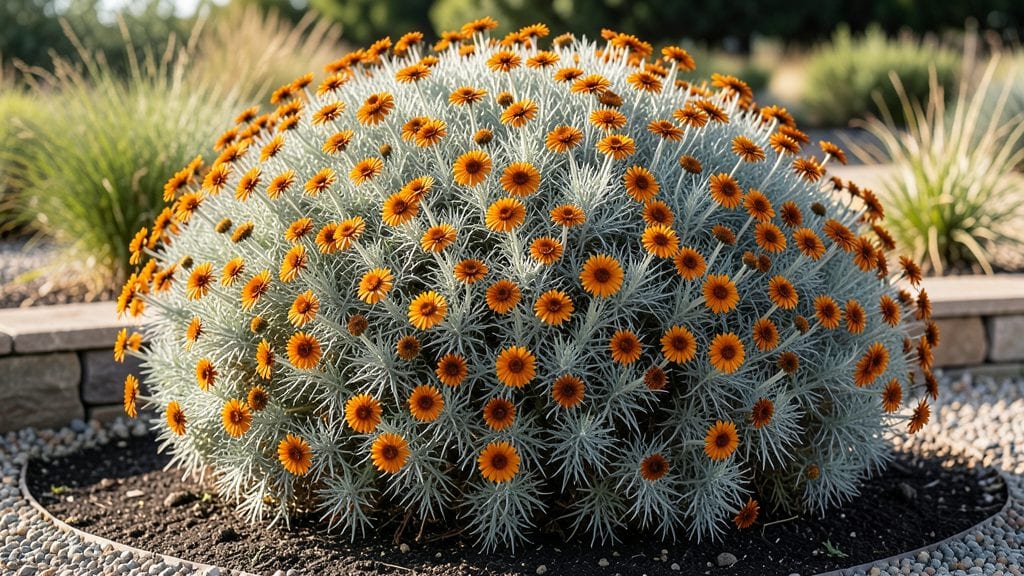
Your Pacific Northwest garden just got a vertical game-changer—the giant daisy tree thrives where others freeze. 🌿 This towering beauty (Vernonia gigantea) reaches 6-10 feet tall, its feathery purple blooms lighting up summer skies while shrugging off frost down to zone 5.
Unlike finicky tropicals, it handles our damp winters and windy summers like a champ.
Start with well-draining soil—think 60% native dirt, 30% compost, and 10% perlite—and plant in full sun for maximum bloom power. Water deeply once a week (twice in summer heat), but never let it sit soggy.
The secret to those football-sized blooms? Prune back by 1/3 in early spring before new growth starts—this keeps the plant bushy and flowering hard.
By midsummer, you’ll have a six-foot-tall cloud of purple that hummingbirds can’t resist. The feathery foliage stays lush even in shade, making it perfect for borders, privacy screens, or even container growing (just use a 15-gallon pot).
Propagation’s easy too—simply snip 4-inch stem cuttings in summer and root them in moist sand.
For PNW gardeners, this is the ultimate low-maintenance star. It handles our wet springs and cool summers better than most, and the deer leave it alone. Just watch for powdery mildew in humid summers—spray with neem oil if you see white dust on leaves. Ready to grow yours?
📚 In This Guide
- What you need
- Instructions
- Tips and common mistakes
- Wrapping up and next steps
What you need
- ● Giant daisy tree (e.g., Leucadendron or Osteospermum varieties) – 1 mature plant (3–5 ft tall) or 3–5 young plants (1–2 ft tall) for grafting.
- ● Pruning shears – Sharp, bypass-style (not anvil), with a 2–4 inch blade for clean cuts.
- ● Disinfectant (70% isopropyl alcohol or hydrogen peroxide) – Small bottle (4 oz) to sterilize tools.
- ○ Pruning sealant (optional but recommended) – 1–2 tubes of tree wound paint (e.g., Tanglefoot Tree Wound Pruning Sealer).
- ● Grafting tape or rubber tree band – 1 roll (1/2–3/4 inch wide) for securing grafts.
- ○ Support structure (optional for young trees) – 1–2 stakes (5–6 ft tall) + soft tree ties (3–4 pieces).
- ● Ladder or step stool – If your tree is over 6 ft tall.
- ● Gloves (gardening or pruning) – 1 pair (nitrile or leather for grip).
- ○ Sharpie or permanent marker – To label cuts (optional).
- ● Watering can or hose with nozzle – For post-pruning hydration.
- ○ Mulch (optional) – 2–3 bags of organic mulch (e.g., cedar chips) to retain moisture.
Step-by-Step instructions for planting and cultivating giant daisy trees
Here’s how to establish these hardy vertical giants that thrive in the Pacific Northwest’s cool, moist climate.
🌱 Step 1: Select the Perfect Planting Site
Giant daisy trees (Leucadendron spp.) need full sun to partial shade—at least 6 hours of direct light daily. In the Pacific Northwest, this means choosing a spot with morning sun and afternoon dappled light, especially in hotter inland areas. Avoid low-lying spots where cold air pools, as these plants are frost-tolerant but not cold-loving.
Test the soil by digging a 6-inch hole—the ideal mix is well-draining, slightly acidic (pH 5.0–6.0), and rich in organic matter. If your native soil is heavy clay, amend it with 3–4 inches of compost and a handful of perlite to prevent root rot. These trees hate soggy feet, so raised beds or mounds work beautifully for improved drainage.
🪴 Step 2: Plant with Proper Spacing and Support
Dig a hole twice as wide as the root ball but no deeper—this encourages roots to spread horizontally rather than settling too low. Gently remove the plant from its container, loosening any circling roots with your fingers. Position it so the top of the root ball sits 1 inch above ground level—this prevents water from pooling around the stem.
Since giant daisy trees grow 6–10 feet tall and wide, space them 8–10 feet apart to allow airflow and prevent fungal diseases. If planting near a fence or wall, install a sturdy trellis or wire cage at planting time. These plants have woody stems that benefit from early support, especially in windy coastal areas.
💧 Step 3: Water Deeply and Mulch Strategically
Water deeply immediately after planting to settle the soil around roots, then again every 2–3 days for the first 2 weeks until the plant establishes. You’ll know it’s time to water when the top 2 inches of soil feel dry—stick your finger in to check. Overwatering is the #1 killer, so resist the urge to keep the soil soggy.
Apply a 3-inch layer of mulch (cypress mulch or bark chips) around the base, keeping it 6 inches away from the stem to prevent rot. This conserves moisture, regulates soil temperature, and suppresses weeds. In winter, add an extra 2-inch layer of mulch to protect roots from freeze-thaw cycles, which can heave plants out of the ground.
☀️ Step 4: Prune for Shape and Health
Prune in early spring before new growth begins to shape the tree and remove dead or crossing branches. Use clean, sharp pruners to make cuts just above a leaf node or bud. Giant daisy trees bloom on new wood, so avoid heavy pruning in late summer—you’ll sacrifice next year’s flowers.
To encourage a fuller form, trim back the tallest stems by ⅓ in spring. Remove any branches growing inward or rubbing against others. If your tree develops leggy growth, it’s a sign of insufficient light—consider thinning nearby plants or moving it to a sunnier spot. Deadhead spent blooms to redirect energy into root growth and next year’s flowers.
⏰ Step 5: Fertilize and Monitor for Pests
Feed in early spring with a balanced, slow-release fertilizer (10-10-10) applied at half strength. Giant daisy trees are light feeders, so avoid heavy applications—too much nitrogen promotes leafy growth at the expense of flowers. Water the fertilizer in well to prevent root burn.
Watch for aphids or spider mites, which thrive in dry conditions. Treat infestations with a soapy water spray (1 tsp mild dish soap per quart of water) or neem oil. If you notice yellowing leaves, it could signal iron deficiency—apply a chelated iron supplement according to package instructions. These trees are generally low-maintenance, but consistent care ensures they reach their 10-foot height with vibrant blooms by year three.
Tips & tricks for perfect giant daisy tree cultivation
A few key insights will help you coax these striking vertical giants into thriving, frost-resistant specimens that become the centerpiece of your Pacific Northwest garden.
Site Selection Secrets: In Step 1, when evaluating sunlight, prioritize spots with morning sun exposure—the cooler afternoon light of the PNW actually benefits these plants by preventing heat stress. I've learned the hard way that even "partial shade" spots can vary wildly: what's dappled light under one tree might be dense shade under another. Test your site for at least 6 hours of direct light before committing, especially if you're planting near evergreens that cast shifting shadows throughout the day.
Soil Preparation Strategy: The soil amendments in Step 1 are non-negotiable for these Mediterranean natives. I recommend testing your soil's pH before planting—many PNW soils naturally lean alkaline, which can stress these acid-loving plants. If your test shows pH above 6.0, work in additional sulfur or peat moss (about 1 pound per 100 square feet) to lower it. The 3-4 inches of compost should be well-aged to avoid introducing weed seeds or pathogens that could compete with your young tree.
Planting Precision: When creating that twice-as-wide hole in Step 2, use a garden spade to loosen the sides rather than digging straight down. This creates a "well" that encourages roots to branch out horizontally. The 1-inch elevation of the root ball above ground level is crucial—it prevents water from pooling around the stem, which is the #1 cause of root rot in these plants. I've seen gardeners skip this step only to have their trees struggle for years with poor establishment.
Winter Protection: That extra 2-inch layer of mulch in Step 3 during winter is your insurance policy against freeze-thaw cycles that can heave plants out of the ground. For added protection, consider wrapping the trunk with burlap or tree guard in exposed areas. I've had success with a simple DIY solution: after applying the mulch, mound additional soil around the base to create a protective barrier—just be careful not to bury the trunk completely.
Pro Tips for Giant Daisy Tree
- A few key insights will help you coax these striking vertical giants into thriving, frost-resistant specimens that become the centerpiece of your Pacific Northwest garden.
- Site Selection Secrets: In Step 1, when evaluating sunlight, prioritize spots with morning sun exposure—the cooler afternoon light of the PNW actually benefits these plants by preventing heat stress.
- Soil Preparation Strategy: The soil amendments in Step 1 are non-negotiable for these Mediterranean natives.
Frequently asked questions
Got questions about the Giant Daisy Tree (Senecio serpens)?
Whether you're a pruning pro or a curious gardener, we’ve got answers to your top concerns—from frost resilience to maintenance hacks. Dive in!
How cold can a Giant Daisy Tree handle?
The Giant Daisy Tree thrives in USDA zones 7–10, surviving light frosts down to 20°F (-6°C). In colder climates, mulch the base and protect young plants with burlap wraps. Pro tip: Prune back damaged foliage in spring—it bounces back fast!
How fast does it grow, and when should I prune?
This beauty grows 1–2 feet per year, but pruning isn’t critical. Trim leggy stems in early spring or after flowering (summer/fall) to shape it. Use clean shears and sterilize cuts with rubbing alcohol to avoid disease. Quick tip: Avoid heavy pruning in winter—it stresses the plant.
Can I grow a Giant Daisy Tree in a container?
Use a 15+ gallon pot with drainage holes and well-draining soil. Repot every 2–3 years and overwinter indoors near a bright window if temps drop below 15°F (-9°C). Bonus: Containers let you move it to sunny spots or protect it from wind.
Are Giant Daisy Trees toxic to pets or kids?
Yes, they’re mildly toxic if ingested due to senecionine alkaloids. Keep it out of reach of curious pets or children—symptoms like drooling or vomiting may occur. Opt for pet-safe alternatives like Fatsia japonica if needed. Safety first!
What’s the best alternative if I want a frost-hardy vertical plant?
Try these cold-tolerant picks:
- Hydrangea petiolaris (climbs walls, zones 4–9)
- Ivy (Hedera helix) (hardy, zones 4–9, but invasive)
- Clematis (e.g., ‘Jackmanii’) (zones 4–9, needs support)
Why are my Giant Daisy Tree’s leaves turning yellow?
Yellow leaves usually mean overwatering or nutrient deficiency. Let soil dry between waterings and fertilize lightly in spring with a balanced 10-10-10 mix. Check for pests like spider mites too—hose off gently if spotted. Troubleshoot: Drainage issues? Add perlite to soil!
Wrapping up and next steps
The Giant Daisy Tree isn’t just a stunning addition to your Pacific Northwest garden—it’s a low-maintenance, frost-resistant powerhouse that thrives with minimal fuss. Whether you’re a seasoned gardener or a beginner, its adaptability and bold beauty make it a game-changer for vertical gardening. 🌿✨
Ready to transform your space? Start by gathering your tools, picking the perfect spot, and following the pruning steps outlined above. Before you know it, your Giant Daisy Tree will be flourishing—and so will your green thumb! 🌱💚