
Pruning
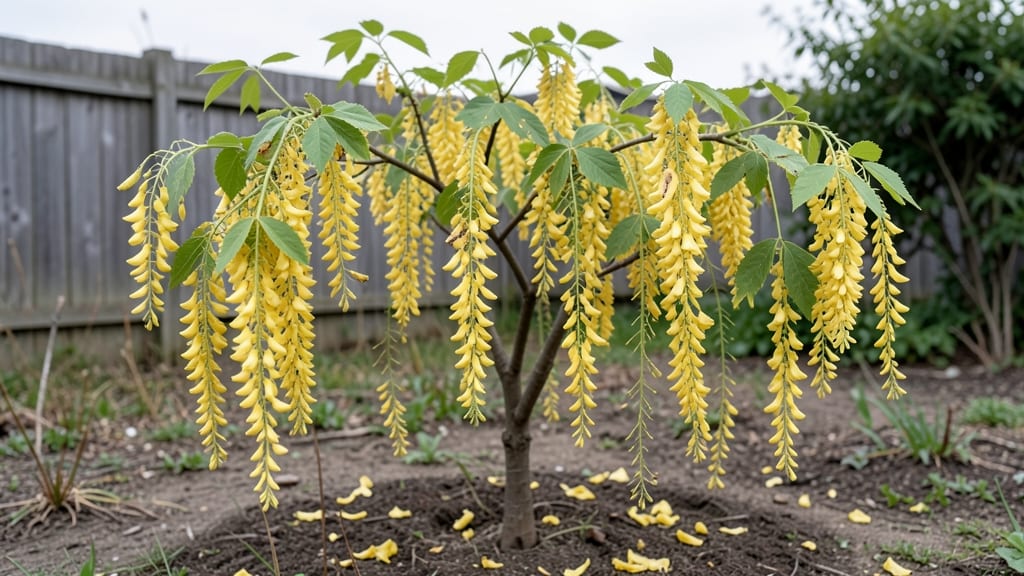
Laburnum anagyroides, the golden chain tree, thrives in the Pacific Northwest’s chilly winters—its cascading yellow blooms are worth every frost-resistant pruning session. 🌿 I’ve learned the hard way that proper pruning after flowering transforms this tree from a wild shrub into a showstopper with dense foliage and fragrant cascades.
The key? Timing and technique, which I’ll break down so your tree stays healthy and stunning for decades.
This tree loves full sun but handles partial shade, making it versatile for yards with mixed light. Plant it in well-draining soil with a slightly alkaline pH, and water deeply once established—it’s surprisingly drought-tolerant once roots take hold.
The real magic happens in late winter or early spring, when you prune to shape it and encourage those iconic golden chains of flowers. Just beware: all parts are toxic if ingested, so keep it away from pets and kids.
After pruning, you’ll see fresh green growth by spring, followed by those eye-catching yellow flower clusters that smell like honey. The tree’s compact form makes it perfect for small gardens or as a striking focal point in larger landscapes.
With the right care, it’ll reward you with years of effortless beauty—and fewer tangled branches than you’d expect.
Whether you’re shaping it as a standard or letting it grow naturally, the golden chain tree adapts beautifully to Pacific Northwest climates. Just remember: prune after flowering, avoid heavy cuts, and enjoy the show.
Your neighbors will ask how you made it look so easy—now you can tell them the secret.
📚 In This Guide
- What you need
- Instructions
- Tips and common mistakes
- Wrapping up and next steps
What you need
- ● Pruning shears – Bypass-style (for clean cuts), 10-12 inch (for thicker branches).
- ● Loppers – 16-20 inch, ratcheting or bypass for branches ½–2 inches thick.
- ● Pruning saw – Curved-tooth, 12–14 inch (for branches 2+ inches thick).
- ● Disinfectant (70% isopropyl alcohol or pruning sealant) – Small bottle (4–8 oz) to sterilize tools.
- ● Heavy-duty gloves – Cut-resistant (Laburnum seeds are toxic—safety first!).
- ○ Extension pole (optional but helpful) – 6–10 ft with adjustable head for high branches.
- ● Trash bags or bucket – 2–3 large for debris (toxic seeds—do not compost!).
- ● Pruning paint/sealant – Small bottle (for sealing large cuts, if needed).
- ● Ladder – Sturdy, 12–16 ft (if tree exceeds 10 ft).
- ● Hand saw – Small (8–10 inch) for fine-tuning cuts.
- ● Notebook & pen – To sketch pruning plan (pro tip: map out branches before cutting!) 💡
Step-by-Step pruning guide for golden chain trees in the Pacific Northwest
Here’s how I prune my frost-hardy Laburnum trees to keep them vibrant and healthy through PNW winters.
✂️ Step 1: Prune After Flowering (Late Spring/Early Summer)
Wait until after the golden chain flowers fade—usually mid to late June in the Pacific Northwest. This timing ensures you don’t cut off next year’s blooms, which form on old wood. I grab my bypass pruners and start by removing any dead, diseased, or crossing branches first. These are easy to spot—they’re brown, brittle, or growing inward toward the trunk.
Next, thin out about 20-30% of the canopy to improve air circulation. Focus on branches that are rubbing against each other or growing too close to the center. Cut just outside the branch collar (the swollen area where the branch meets the trunk) at a 45-degree angle. This prevents water from pooling and rotting the wound.
✂️ Step 2: Light Structural Pruning in Early Fall
In September or early October, before the first hard frost, I do a lighter pruning pass. This is when I shape the tree more intentionally—removing any weak, spindly growth that didn’t mature this season. Look for branches that are thinner than a pencil or growing at sharp angles (less than 30 degrees from the trunk). These are less likely to survive winter or produce strong blooms.
I also check for any suckers or water sprouts (fast-growing, vertical shoots) and snip them off at the base. These compete with the main structure for energy and can make the tree look messy. Use sharp loppers for branches thicker than ½ inch—dull tools crush the wood, inviting disease.
✂️ Step 3: Winter Pruning for Frost Resilience
Once the tree is fully dormant (usually December to February in the PNW), I do my final pruning of the year. This is the time to reduce the overall size if needed—cutting back about ⅓ of the longest branches to encourage a bushier, more compact shape. Golden Chain Trees handle pruning well, but don’t overdo it; never remove more than ⅓ of the foliage in one season.
Make all cuts just above a bud or lateral branch (never leave a stub). If you’re unsure which way the branch grows, look for the small bump or swelling where the bud sits—this is your guide. After pruning, I clean up any fallen debris around the base to prevent fungal issues. A light layer of mulch (2-3 inches) helps insulate the roots during cold snaps.
☀️ Step 4: Post-Pruning Care for Healthy Regrowth
In early spring, before new growth starts, I give the tree a balanced fertilizer (10-10-10) to support recovery. Water deeply once a week if we haven’t had rain, keeping the soil 2-3 inches moist but not soggy. The first few weeks after pruning are critical—watch for new shoots emerging from the buds you left behind. These indicate the tree is healing well.
If you notice any blackened or mushy cuts after pruning, it’s a sign of infection. Prune those branches back further to healthy wood and apply copper fungicide as a precaution. In the PNW’s damp climate, keeping tools clean and sharp is non-negotiable—sterilize them with rubbing alcohol between cuts to prevent spreading disease.
Tips & tricks for perfect golden chain tree pruning
Pruning golden chain trees might seem intimidating, but these practical tips will help you achieve a healthy, vibrant tree year after year.
Timing is Everything: In Step 1, when pruning after flowering, wait until the flowers have completely faded—usually mid to late June in the PNW. This timing is critical because golden chain trees bloom on old wood, meaning next year's flowers are already formed. Cutting too early risks removing next year's blooms entirely. I always check for fully browned seed pods before starting.
Branch Angle Matters: During Step 2, when shaping the tree, pay special attention to branch angles. Branches growing at less than 30 degrees from the trunk are more susceptible to winter damage. These weak branches can also block sunlight from reaching the inner canopy. I like to aim for a more open, vase-like shape that allows light to penetrate all the way to the center.
Tool Maintenance is Non-Negotiable: Before you begin any pruning, make sure your tools are sharp and clean. Dull tools crush wood fibers, creating larger wounds that take longer to heal and are more prone to infection. After each cut, especially in Step 3's winter pruning, I wipe my tools with rubbing alcohol to prevent spreading any potential diseases between branches. This simple step has saved me from dealing with fungal infections in the past.
Mulch Like a Pro: After completing all your pruning cuts, especially in Step 3, apply a 2-3 inch layer of mulch around the base of the tree. This helps insulate the roots during cold snaps and retains moisture during dry spells. Just be sure to keep the mulch a few inches away from the trunk to prevent rot. I use a mix of wood chips and compost for the best results, and always refresh it in early spring.
Pro Tips for Golden Chain Tree Laburnum
- Pruning golden chain trees might seem intimidating, but these practical tips will help you achieve a healthy, vibrant tree year after year.
- Timing is Everything: In Step 1, when pruning after flowering, wait until the flowers have completely faded—usually mid to late June in the PNW.
- Branch Angle Matters: During Step 2, when shaping the tree, pay special attention to branch angles.
Frequently asked questions
Got questions about caring for your Laburnum anagyroides, aka the golden chain tree? You’re not alone!
Here are answers to the most common queries from PNW gardeners—plus tips to keep your tree thriving in our frosty climate.
When is the best time to prune a golden chain tree in the Pacific Northwest?
The ideal window is late winter to early spring (February–March), just before new growth begins. This timing minimizes stress and avoids sap bleeding. Pro tip: If you must prune in summer, do it after flowering to preserve next year’s blooms. Avoid heavy pruning in fall—it can stimulate tender growth that won’t survive PNW winters!
How do I protect my laburnum from frost damage?
Golden chain trees are hardy to USDA Zone 5, but young trees or severe cold snaps (below 0°F) can cause bud dieback. Mulch heavily (3–4 inches of wood chips) around the base and water deeply before winter to build root resilience. For extra protection, wrap the trunk with burlap or use tree guards to shield against windburn.
Can I prune a laburnum to shape it like a hedge?
While laburnums can be lightly shaped, they’re not ideal hedge plants. Their weak wood and sprawling habit make them prone to breakage. Instead, opt for open-center pruning to encourage airflow and sunlight. If you want a denser look, thin out 20–30% of branches annually, focusing on crossing or dead wood.
Why are my laburnum leaves turning yellow or dropping early?
Yellowing leaves often signal overwatering, nutrient deficiency, or fungal issues. Check for:
- Root rot: Ensure soil drains well (laburnums hate soggy feet!).
- Nitrogen deficiency: Apply a balanced fertilizer (10-10-10) in early spring.
- Powdery mildew: Prune for airflow and treat with neem oil if spots appear.
If the issue persists, test your soil’s pH (ideal: 6.5–7.5) and adjust as needed.
What’s a good alternative to laburnum for fragrant yellow flowers?
If you love laburnum’s golden blooms and sweet scent but want lower-maintenance options, try:
- Forsythia (Forsythia × intermedia): Early blooms, hardy, and easy to prune.
- Mock orange (Philadelphus): Fragrant white flowers, drought-tolerant.
- Weigela (Weigela florida): Vibrant pink/yellow blooms, thrives in PNW shade.
Pro tip: All three handle PNW winters better than laburnum and require less aggressive pruning!
Wrapping up and next steps
Ready to transform your Golden Chain Tree (Laburnum) into a thriving, frost-resistant beauty? With the right tools, timing, and techniques—like pruning in late winter or early spring and removing dead or crossing branches—you’ll keep this stunning Pacific Northwest native looking its best for years. 🌿✂️
Now’s the perfect time to roll up your sleeves! Grab your gloves, dust off those pruners, and give your Laburnum the care it deserves. Your future blooms will thank you!
- Next step: Mark your calendar for late winter pruning and enjoy the golden cascade of flowers come spring!