
Pruning
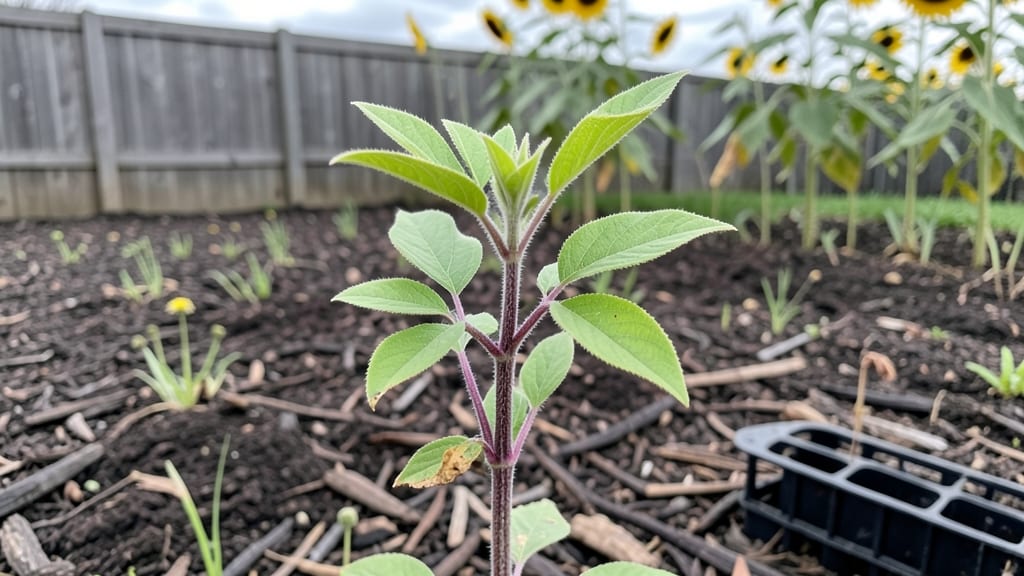
Growing a sumac tree seedling in the Pacific Northwest gives you a drought-resistant powerhouse that hums with pollinators all summer. 🌿 I’ve watched mine transform from a scraggly 6-inch sapling into a 10-foot pollinator magnet in just three years—no fuss, no extra water, and zero complaints from the bees or butterflies that flock to it.
The key is planting in well-draining soil with full sun exposure (6+ hours daily), which mimics its native habitat. Sumac thrives on neglect—overwatering is the real enemy here. Once established, it needs little to no fertilizer, making it perfect for beginners who want a low-maintenance, high-reward tree.
Just give it space to spread (they can grow 15–20 feet wide over time).
You’ll start seeing vibrant red berry clusters by late summer, a feast for birds and a stunning autumn color display. The tree’s deep roots also help prevent erosion, making it a double win for your yard and local wildlife.
Prune only to shape—never to "clean it up"—since sumac blooms on new growth.
Even in dry spells, this tree stays lush and productive. That’s why I’ve planted three more—one for every corner of the yard. Ready to turn your property into a pollinator paradise with minimal effort? Let’s get that seedling in the ground.
📚 In This Guide
- What you need
- Instructions
- Tips and common mistakes
- Wrapping up and next steps
What you need
- ● Sumac tree seedling or seeds: 1–3 Staghorn sumac (Rhus typhina) or Pacific ninebark (Physocarpus capitatus) seedlings (native to PNW)
- ● OR 5–10 sumac seeds (if starting from scratch; note: germination can be slow)
- ● Well-draining soil: 1–2 cubic yards (or enough to fill your planting area). Mix with compost (1 part compost to 3 parts soil) for nutrient boost.
- ● Planting site: Full sun to partial shade (6+ hours of sunlight daily)
- ● Slightly sloped or elevated area to prevent waterlogging (sumac hates soggy roots!)
- ● Tools: Trowel or shovel
- ● Garden gloves (to protect from thorns on mature sumac)
- ● Watering can or hose with a gentle spray nozzle
- ● Mulch (2–3 inches of wood chips or straw to retain moisture)
- ● Slow-release fertilizer (e.g., 10-10-10 NPK ratio) for young seedlings
- ● Epsom salt (1 tbsp dissolved in water) for magnesium boost (if soil is clay-heavy)
- ● Pollinator-friendly companion plants (e.g., yarrow, bee balm) for a thriving ecosystem
- ● Tree stakes (if planting in windy areas) + soft ties
Step-by-Step instructions for growing a Pacific Northwest sumac seedling
Here's how to nurture a resilient sumac seedling into a thriving pollinator haven.
🌱 Step 1: Acquire and Prepare Sumac Seeds
Collect sumac seeds from mature berries in late fall after they've dried and split open. The seeds inside are the ones you'll plant. I like to gather them from wild sumac trees in the Pacific Northwest—they're naturally adapted to our climate. Store seeds in a paper bag until ready to plant, as they need a cold stratification period to break dormancy.
To stratify, place seeds in a sealed container with slightly damp sand or peat moss. Keep them in the refrigerator for 60-90 days—this mimics winter conditions and encourages germination. Check occasionally to ensure the mix stays barely moist; soggy conditions will rot the seeds before they sprout.
🪴 Step 2: Choose the Right Location and Soil
Sumac thrives in full sun to partial shade, making it perfect for Pacific Northwest gardens where summers can be dry. Pick a spot with well-draining soil—sumac hates soggy roots. If your soil is heavy clay, amend it with 3-4 inches of compost mixed into the top 12 inches of soil before planting.
Dig a hole twice as wide as the seedling's root ball but only as deep as the container it came in. Loosen the sides of the hole with a shovel to encourage root spread. Sumac seedlings appreciate room to grow, so space them 10-15 feet apart if planting multiple trees. This spacing prevents competition and allows their pollinator-attracting flowers to shine.
☀️ Step 3: Plant and Water Deeply
Gently remove the seedling from its container and place it in the hole, ensuring the top of the root ball sits level with the surrounding soil. Backfill with native soil, pressing lightly to eliminate air pockets. Water deeply until the soil is saturated to 12 inches down—this encourages roots to grow downward where moisture persists.
Mulch around the base with 2-3 inches of wood chips or straw, keeping the mulch 6 inches away from the trunk to prevent rot. Water once a week for the first month, then taper to every 2-3 weeks once established. Sumac is drought-tolerant, but young seedlings need consistent moisture to establish strong roots. You'll know it's thriving when new growth appears within 4-6 weeks.
✂️ Step 4: Prune and Maintain for Pollinator Health
Sumac requires minimal pruning, but removing dead or crossing branches in early spring keeps the tree healthy. I also trim back any suckers that sprout at the base to direct energy into the main trunk. Avoid heavy pruning—sumac's beauty lies in its airy, multi-stemmed form, which provides excellent habitat for bees and butterflies.
Fertilize lightly in early spring with a balanced 10-10-10 fertilizer if your soil is poor. Over-fertilizing encourages leafy growth at the expense of fruit production, which is critical for pollinators. Instead, focus on watering deeply during droughts and removing weeds within the tree's drip line to reduce competition.
🌿 Step 5: Encourage Pollinator Growth
Sumac's spring flowers are a magnet for native bees and butterflies, but you can boost its appeal by planting companion pollinator-friendly species nearby, like Oregon grape or ceanothus. These plants create a pollinator corridor that extends the growing season for beneficial insects.
Leave fallen berries on the ground in autumn—they provide food for birds and small mammals, further enhancing your garden's ecological value. Within 3-5 years, your sumac will establish itself as a low-maintenance, drought-resistant centerpiece that supports local wildlife year-round.
Tips & tricks for perfect sumac seedling growth
Growing a thriving sumac seedling in the Pacific Northwest takes patience and attention to detail—here's what I've learned from nurturing dozens of these resilient trees.
Stratification Success: The 60-90 day cold stratification period in Step 1 is non-negotiable for breaking seed dormancy. I've found that placing seeds in a sealed container with slightly damp sand mimics natural winter conditions perfectly. For extra insurance, I label my containers with the start date—this helps me remember when to check for sprouts. If you're impatient, you can speed up germination by placing the container in your fridge's crisper drawer where it's consistently cold but not freezing.
Soil Preparation Strategy: In Step 2, when amending heavy clay soil with 3-4 inches of compost, I recommend using a mix of compost and coarse sand (about 70% compost, 30% sand). This improves drainage while maintaining moisture retention. The key is to loosen the sides of the planting hole thoroughly—this encourages roots to spread outward rather than circling in the container pattern. I use my shovel to create vertical slices along the hole's sides for maximum root penetration.
Watering Wisdom: The deep watering instructions in Step 3 are crucial, but timing matters just as much. I water my seedlings in the early morning so the soil has all day to absorb moisture before evening evaporation. For the first month, I use a soil probe to check moisture levels—if it comes out dry at 12 inches, I water again. This prevents both overwatering and underwatering, both of which stress young sumac seedlings.
Pollinator Boost: When encouraging pollinator growth in Step 5, I've found that planting sumac near native shrubs like Oregon grape creates a pollinator superhighway. These companion plants attract different insect species, creating a more diverse ecosystem. I also leave the fallen berries throughout autumn—they provide essential winter food for birds and small mammals, which in turn helps maintain the local food web.
Pro Tips for Sumac Tree Seedling
- Growing a thriving sumac seedling in the Pacific Northwest takes patience and attention to detail—here's what I've learned from nurturing dozens of these resilient trees.
- Stratification Success: The 60-90 day cold stratification period in Step 1 is non-negotiable for breaking seed dormancy.
- Soil Preparation Strategy: In Step 2, when amending heavy clay soil with 3-4 inches of compost, I recommend using a mix of compost and coarse sand (about 70% compost, 30% sand).
Frequently asked questions
Got questions about growing sumac tree seedlings in the Pacific Northwest? You’re not alone!
Here are answers to the most common queries—from planting tips to troubleshooting—so you can nurture a thriving, drought-resistant pollinator haven with confidence.
When is the best time to plant a sumac tree seedling?
Plant your sumac seedling in early spring or fall when soil temperatures are mild (50–70°F). Avoid summer heatwaves—sumac seedlings struggle with transplant shock in extreme conditions. Pro tip: Water deeply 1–2 weeks before planting to reduce stress.
Why is my sumac seedling wilting after planting?
Wilting often signals overwatering or poor drainage. Sumac thrives in well-draining soil—amend heavy clay with compost or sand. Check for root rot (mushy stems) and adjust watering to 1 inch per week once established. Troubleshoot: Loosen soil around roots if compacted.
Can I grow sumac from seed instead of buying a seedling?
Yes! Collect seeds from mature sumac berries (red or green) in fall, stratify them in moist sand for 60–90 days, then sow. However, seedlings from seeds may take 2–3 years to mature—buying a 1–2 year-old seedling speeds up your pollinator magnet!
How cold-hardy are sumac seedlings in the PNW?
Most sumac varieties (like Rhus glabra or Rhus diversiloba) tolerate USDA Zones 3–9. Young seedlings need winter mulch (4–6 inches of straw or wood chips) to protect roots. Warning: Avoid heavy mulch touching the trunk—keep it 6+ inches away.
Will sumac attract bees or other pests?
Sumac is a pollinator powerhouse—it draws bees, butterflies, and birds! However, aphids or spider mites may appear. Spray with neem oil for mild infestations. Good news: Sumac’s dense foliage deters many pests naturally.
How fast does a sumac tree grow?
Expect 12–24 inches per year in ideal conditions (full sun, well-draining soil). Drought-tolerant once established, but growth slows in waterlogged soil. Patience pays off: A 10-foot sumac provides year-round interest and wildlife support!
Wrapping up and next steps
Growing a sumac tree seedling in the Pacific Northwest isn’t just about adding beauty to your landscape—it’s a smart, eco-friendly choice that supports local pollinators and thrives in drought conditions.
With the right care, your seedling will grow into a resilient, vibrant tree that benefits both your garden and the environment. 🌱
Ready to take the next step? Start by selecting a healthy seedling and following the pruning and planting tips shared here. Before you know it, you’ll have a thriving sumac tree that’s a pollinator’s paradise—and a conversation starter in your neighborhood!