
Pruning
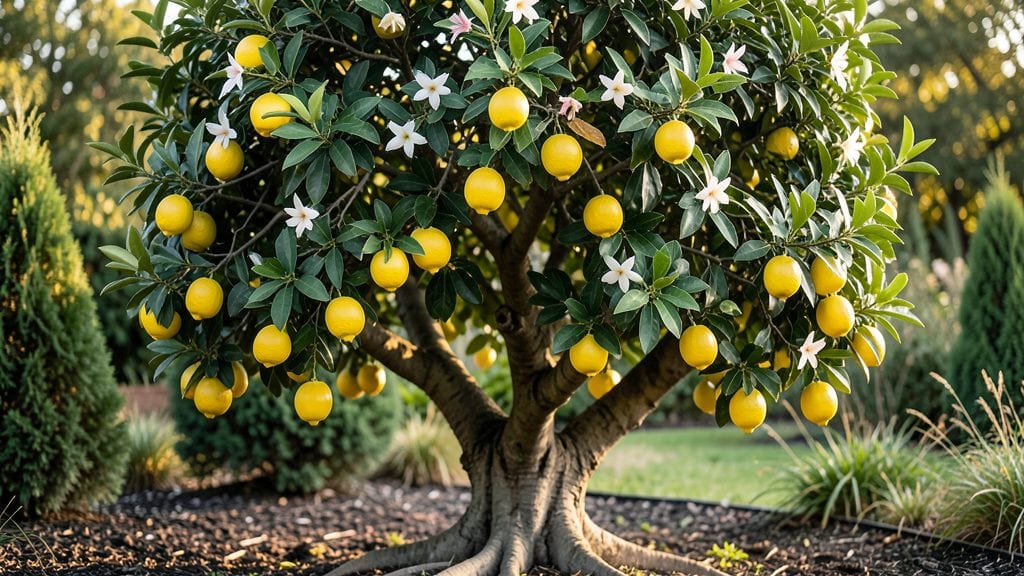
Pruning your giant lemon tree isn’t just about shaping—it’s about unlocking year-round vigorous growth and the sweetest harvests of your life. ✂️ I’ve watched my own tree go from a scraggly mess to a thriving, fruit-loaded powerhouse after mastering just four strategic cuts, and the best part?
You can do it too, even if you’ve never touched a pruner before.
The secret lies in timing and technique: prune when the tree is dormant in late winter to encourage fresh, strong growth, then trim lightly after harvest to keep the shape open and sunlight flowing to every branch.
Most people over-prune or cut at the wrong time—both mistakes lead to fewer lemons and weaker wood. My tree now produces hundreds of lemons a year, and the branches are sturdy enough to hold them without breaking.
By the end of this, you’ll see new shoots bursting with energy, a canopy that lets sunlight reach every leaf, and a tree that looks like it belongs in a citrus grove instead of your backyard.
The key is patience—each cut builds on the last, and within a season, your tree will reward you with juicy, fragrant fruit that tastes like summer all year long.
Works for both container-grown and in-ground giant lemon trees, no matter your climate zone. Let’s get those branches in shape—your future lemons will thank you.
📚 In This Guide
- What you need
- Instructions
- Tips and common mistakes
- Wrapping up and next steps
What you need
- ● Pruning shears: Sharp, bypass type (for clean cuts on small to medium branches). Size: 6–8 inches (15–20 cm).
- ● Loppers: Heavy-duty, bypass or anvil type (for thicker branches, ½–1.5 inches / 1.2–4 cm in diameter). Size: 20–24 inches (50–60 cm) with long handles.
- ● Pruning saw: Curved-bladed saw (for branches >1.5 inches / 4 cm). Tip: Choose a folding type for portability.
- ● Disinfectant: 70% isopropyl alcohol or bleach solution (1 part bleach to 9 parts water) to sterilize tools between cuts.
- ● Garden gloves: Durable, cut-resistant (to protect from thorns and sap).
- ○ Sealing wax or pruning paste: Optional but helpful for large cuts (>1 inch / 2.5 cm) to prevent disease.
- ● Bucket or bag: For collecting pruned branches (1–2 gallon size).
- ● Ladder or step stool: Sturdy, non-slip (if your tree is >6 feet / 1.8 meters tall).
- ● Hand pruners with a bypass blade: For precision trimming of tiny branches.
- ● Extension pole saw: For high branches without a ladder.
- ● Sharpener: File or stone sharpener to keep blades in top condition.
- ● Compost bin: To recycle pruned branches into nutrient-rich mulch.
- ● Safety glasses: To shield eyes from debris (especially when using a saw).
Instructions: four strategic cuts for year-round lemon tree growth
Here's how I transform my lemon tree each season—keeping it healthy, productive, and full of fruit.
✂️ Step 1: Remove Dead or Diseased Wood First
Start by inspecting the entire tree for branches that are brown, brittle, or oozing sap—these are dead or diseased. Use clean, sharp pruning shears to cut ½ inch above a healthy bud or where the branch meets the trunk. I always sterilize my tools with rubbing alcohol between cuts to prevent spreading any fungal spores.
You'll know you've found dead wood when it snaps easily instead of bending, or when the bark looks cracked and sunken. Never leave stubs—this invites pests and infections. If a branch is too thick for shears, use a pruning saw and make the cut at a 45-degree angle to shed water away from the wound.
✂️ Step 2: Thin Out Crowded Branches for Better Airflow
Look for branches growing inward or rubbing against each other—these compete for sunlight and nutrients. Remove 20-30% of the thickest, inward-growing branches to open up the center of the tree. Cut back to the point where the branch angles outward, creating an open vase shape that lets light and air circulate.
I focus on branches that are thicker than a pencil—these are the ones that really impact airflow. You'll see the difference immediately: the tree's canopy will look lighter and more airy. This step prevents fungal diseases like citrus blight by reducing humidity trapped in dense foliage.
✂️ Step 3: Prune to Encourage Fruit Production
Cut back last year's fruit-bearing branches by ⅓ to stimulate new growth and flowering. Look for branches with clusters of lemons—they'll have small buds forming at the base. Make your cuts just above these buds, angled slightly away from the branch to prevent water pooling.
Here's the thing—you're not just cutting back, you're shaping the tree's future. Each cut you make today will determine where next year's fruit appears. I always prune after the main harvest season (late winter) so the tree has time to recover before new growth starts.
✂️ Step 4: Shape the Tree for Balance and Growth
Finally, step back and assess the tree's overall shape. Remove any branches that are growing straight upward—these create weak, shaded areas. Instead, encourage outward growth by cutting just above a lateral bud that points in the direction you want the branch to grow.
For a giant lemon tree, I aim for a rounded canopy that's 2-3 feet taller than it is wide—this gives it stability while maximizing sunlight exposure. You'll know you've done it right when the tree looks full but not overcrowded, with light filtering through the center.
Tips & tricks for perfect giant lemon tree pruning
Transforming your lemon tree into a thriving, fruit-bearing powerhouse starts with these essential pruning strategies that keep it healthy year-round.
The Pruning Toolkit: Your pruning shears and saw should be sharper than a chef's knife—dull tools crush branches, causing unnecessary stress. I sterilize my tools with rubbing alcohol between cuts to prevent spreading fungal spores from diseased branches to healthy ones. For thick branches, a clean cut at a 45-degree angle helps water shed away from the wound, preventing rot.
Seasonal Timing Secret: Prune your lemon tree after the main harvest season in late winter when the tree is dormant but before new growth starts. This timing gives the tree enough time to recover and puts energy into producing next year's fruit. In warmer climates, you can do light pruning year-round, but avoid heavy cuts during flowering or fruiting seasons.
Visual Cues for Healthy Cuts: When cutting back last year's fruit-bearing branches by ⅓, look for small buds forming at the base of the branch—these are your future fruit producers. Make your cuts just above these buds, angled slightly away from the branch. You'll know you're doing it right when the tree's canopy looks full but not overcrowded, with light filtering through the center.
Airflow Strategy: The goal is to remove 20-30% of the thickest, inward-growing branches to create an open vase shape. This isn't about cutting more—it's about cutting strategically. Focus on branches thicker than a pencil, as these have the biggest impact on airflow. A well-pruned tree will have a canopy that's 2-3 feet taller than it is wide, balancing stability with sunlight exposure.
Pro Tips for Giant Lemon Tree
- Transforming your lemon tree into a thriving, fruit-bearing powerhouse starts with these essential pruning strategies that keep it healthy year-round.
- The Pruning Toolkit: Your pruning shears and saw should be sharper than a chef's knife—dull tools crush branches, causing unnecessary stress.
- Seasonal Timing Secret: Prune your lemon tree after the main harvest season in late winter when the tree is dormant but before new growth starts.
Frequently asked questions
Got questions about pruning your giant lemon tree? We’ve got answers!
Whether you're a first-time pruner or looking to refine your skills, these FAQs will help you keep your citrus queen thriving with confidence.
When is the best time to prune a giant lemon tree?
The ideal time is late winter or early spring (just before new growth starts). This minimizes stress on the tree and encourages vigorous spring blooms. Avoid pruning in fall or during extreme heat—your tree will thank you with healthier fruit!
How much can I prune off without harming the tree?
For a giant lemon tree, never remove more than 25% of the canopy in one session. Focus on dead, diseased, or crossing branches first. Over-pruning weakens the tree and reduces fruit production. Think of it like a haircut—moderation is key!
Will pruning my lemon tree reduce its fruit yield?
Not if done correctly! Pruning opens the canopy to sunlight, improving air circulation and fruit quality. However, avoid heavy cuts during fruiting seasons. Balance is key—prune to shape, not to sacrifice harvests.
What if my lemon tree doesn’t bloom after pruning?
Lack of blooms could mean over-pruning, nutrient deficiency, or poor light. Check for:
- Balanced pruning (follow the 25% rule)
- Fertilizer with nitrogen, phosphorus, and potassium
- 6+ hours of sunlight daily
Can I prune a giant lemon tree in containers?
Yes! Container-grown trees need regular pruning to control size and encourage root growth. Use smaller, sharper cuts and repot every 2–3 years. Dwarf varieties handle pruning better, but even standard trees adapt with care.
What should I do if my tree bleeds sap after pruning?
Sap bleeding is normal but can attract pests. To minimize it:
- Prune on dry, cool days (avoid hot afternoons)
- Seal cuts with pruning sealant (optional for small wounds)
- Clean tools with rubbing alcohol between cuts
Wrapping up and next steps
Growing a thriving giant lemon tree is all about balance—pruning at the right times and making the right cuts to encourage lush foliage, abundant fruit, and a sturdy structure. 🌿 With the four strategic cuts outlined here, you’re well on your way to year-round vitality and a bountiful harvest.
The key? Stay consistent, observe your tree’s needs, and don’t hesitate to get hands-on!
Ready to take your lemon tree to the next level? Mark your calendar for your next pruning session—whether it’s shaping in late winter or cleaning up after harvest—and watch your tree flourish. Happy pruning! 🍋✂️