Pruning
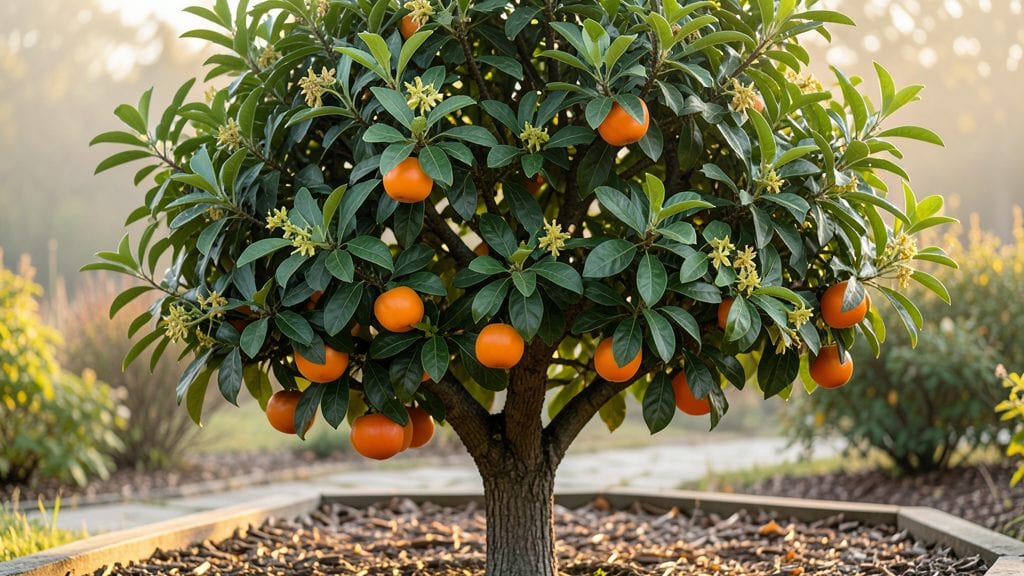
Planting a Triumph persimmon tree in the Pacific Northwest means you’ll harvest sweet, non-astringent fruit even after frosts—something store-bought persimmons can’t match. I’ve grown mine through three winters, and the key to its resilience lies in how you prune it early.
The tree’s natural hardiness makes it perfect for our chilly climate, but proper pruning in late winter or early spring ensures it stays healthy and productive.
The trick isn’t complicated: focus on removing dead or crossing branches first, then thin out the canopy to improve airflow. This simple approach keeps the tree strong and encourages better fruiting.
You’ll need basic pruning tools—a sharp pair of shears and a saw for thicker branches—and about 30 minutes to shape it properly. The goal is to create an open center that lets sunlight reach all parts of the tree, which is especially important in our often-overcast region.
By summer, you’ll see the rewards: glossy green leaves and the promise of fruit that ripens to a deep orange. The Triumph variety stands out because its fruit sweetens naturally without needing to be fully soft—unlike other persimmons that can be mealy when ripe.
Plus, the tree’s compact growth habit makes it ideal for smaller yards or even large containers if you’re working with limited space.
This method works whether you’re planting from a young tree or pruning an established one. The Pacific Northwest’s cool summers actually help the fruit develop its signature sweetness, so embrace the climate instead of fighting it.
With the right care, your Triumph persimmon will become the star of your garden—and your table—year after year.
📚 In This Guide
- What you need
- Instructions
- Tips and common mistakes
- Wrapping up and next steps
What you need
- ● Pruning shears: Bypass pruners (sharp, 6–8" blades) for small branches.
- ● Loppers: 10–12" bypass loppers for thicker branches (up to 2" diameter).
- ● Pruning saw: Curved-tooth saw for branches 2–4" thick (avoid serrated blades—they tear wood).
- ● Gloves: Heavy-duty gardening gloves (cut-resistant for safety).
- ● Disinfectant: 70% isopropyl alcohol or 10% bleach solution (to sterilize tools between cuts).
- ○ Sealing wax or pruning paint: (Optional but recommended for larger cuts > ½" diameter).
- ● Ladder or step stool: (If your tree is over 6–8 feet tall).
- ● Trash bags or bucket: For collecting pruned branches and debris.
- ● Marking twine or flagging tape: (To tag branches for removal if needed).
- ● Timing: Prune in late winter or early spring (before buds swell) for best results.
- ● Weather: Choose a dry, calm day to avoid spreading disease or damaging fresh cuts.
- ● Tree health: Inspect for signs of disease (e.g., cankers, oozing sap) or pests before pruning.
- ● Safety gear: Safety glasses (to protect from debris) and sturdy footwear.
- ● Handheld leaf blower (for quick cleanup).
- ● Sharpener for pruning tools (to maintain blade efficiency).
- ● Tree growth regulator (if addressing aggressive suckers).
- ● Camera or sketchpad (to map out your pruning plan before starting).
How to prune a Triumph persimmon tree for Pacific Northwest resilience
Let’s shape your Triumph persimmon to thrive in our chilly climate while keeping it healthy and productive.
Time Your Pruning for Optimal Healing
Prune your Triumph persimmon in late winter or early spring, just as buds begin to swell but before new growth starts. This timing ensures the tree recovers quickly before summer’s heat. In the Pacific Northwest, late February to early March works best—avoid pruning in fall or winter when the tree is dormant, as cold stress can weaken it.
Check the buds closely: they should look plump and ready to burst, not still tight and shriveled. If you prune too early, the tree may bleed sap excessively; if you wait too long, you risk encouraging late-season growth that won’t harden off before frost. A sharp pair of pruning shears makes all the difference—dull tools tear bark, inviting disease.
Remove Dead, Damaged, or Crossing Branches First
Start by cutting out any dead, diseased, or broken branches—these are easy to spot as they’re brown, brittle, or lack leaves. Next, remove branches that cross or rub against each other; these wounds create entry points for pests and rot. Look for branches growing inward toward the center of the tree—these compete for sunlight and weaken the structure.
Make your cuts just outside the branch collar, the swollen area where the branch meets the trunk. Avoid leaving stubs, as they invite decay. If a branch is larger than ½ inch thick, use three cuts: first undercut the bottom, then make a top cut slightly outside the branch collar, and finally remove the remaining weight. This prevents bark from tearing.
Thin the Canopy for Airflow and Light Penetration
Step back and assess the tree’s overall shape. Aim to open up the canopy by removing 10-20% of the smallest branches—this improves airflow and sunlight distribution, which is critical in the Pacific Northwest’s damp climate. Focus on branches growing straight upward or outward too aggressively; these can block light from reaching the interior.
Use the "thinning cut" technique: cut branches back to their point of origin rather than just shortening them. This maintains the tree’s natural form while reducing density. Avoid over-thinning, as Triumph persimmons need a balanced canopy to produce fruit. If you’re unsure, err on the side of caution—you can always remove more next year.
Shape for Balance and Fruit Production
Now’s the time to refine the tree’s shape. Triumph persimmons respond well to an open-center or vase shape, which allows sunlight to reach the center where fruit develops. Prune to encourage a strong central leader (main upward branch) and well-spaced scaffold branches—these should be 4-6 feet apart and evenly distributed around the trunk.
If your tree has multiple leaders competing, remove all but the strongest one. Look for branches with a thick, sturdy base and good upward growth. Avoid leaving narrow, weak branches, as they’ll struggle to support fruit. After shaping, clean up all fallen debris and sterilize your tools with rubbing alcohol to prevent disease spread.
Monitor and Adjust for Long-Term Health
After pruning, keep an eye on the tree’s recovery. New growth should appear within 4-6 weeks, and the wounds should seal over by late spring. If you notice excessive sap bleeding, apply a thin layer of pruning sealant to larger cuts, but skip it for small wounds—it’s not necessary and can trap moisture.
In the Pacific Northwest, where frost is a year-round concern, avoid heavy pruning in autumn. Instead, focus on maintaining the tree’s vigor through proper watering and mulching. A 3-inch layer of organic mulch around the base helps regulate soil temperature and retain moisture, which is especially important during our wet winters and dry summers.
Tips & tricks for pruning Triumph persimmon trees
Pruning a Triumph persimmon in the Pacific Northwest takes a little finesse—here's how to avoid common mistakes and get the best results.
Bud Timing is Everything: In Step 1, those plump buds are your guide. I always do a quick test by gently pressing a bud—if it feels firm but slightly yielding (like a ripe peach), that's your cue. Waiting too long risks encouraging tender new growth that won't survive our late frosts. In my experience, late February to early March gives you that perfect window between dormancy and active growth.
Branch Collar Precision: When making cuts in Step 2, I've learned this the hard way—never cut flush with the trunk. Always aim just outside the branch collar (that swollen area where the branch meets the trunk). I use a small piece of masking tape on my pruners as a visual guide for the exact cut line. This simple trick prevents those unsightly stubs that invite disease.
Canopy Thinning Strategy: For Step 3, I recommend removing branches in stages if your tree is particularly dense. Start with just 10% of the smallest branches first, then reassess after a few weeks. This gradual approach prevents shock to the tree. I also mark branches I'm considering with a piece of twine before making cuts—it helps me visualize the final shape.
Post-Pruning Care: After shaping in Step 4, I always apply a thin layer of horticultural sealant to cuts larger than ½ inch. The key is to use it sparingly—just enough to cover the wound completely. I've found that sealing these larger wounds helps prevent sap bleeding and speeds up the healing process in our damp climate.
Pro Tips for Triumph Persimmon Tree
- Pruning a Triumph persimmon in the Pacific Northwest takes a little finesse—here's how to avoid common mistakes and get the best results.
- Bud Timing is Everything: In Step 1, those plump buds are your guide.
- Branch Collar Precision: When making cuts in Step 2, I've learned this the hard way—never cut flush with the trunk.
Frequently asked questions
Got questions about pruning your Triumph Persimmon Tree? You’re not alone! Here are some of the most common queries from gardeners in the Pacific Northwest—plus straightforward answers to keep your tree thriving.
When is the best time to prune a Triumph Persimmon Tree?
The ideal time to prune is late winter or early spring (February–March) while the tree is still dormant but before new growth begins. This timing minimizes stress and reduces disease risk. Avoid pruning in fall, as wounds may not heal before winter’s chill sets in.
How do I protect my Triumph Persimmon from late frosts?
While Triumph Persimmons are frost-resistant, young trees or early blooms can still suffer damage. Use frost cloths or row covers during late frosts (28°F or lower). For established trees, focus on pruning to improve airflow—this reduces frost pockets and encourages faster recovery.
What’s the difference between heading cuts and thinning cuts for this tree?
| Heading Cuts | Thinning Cuts |
|---|---|
| Cut back partially into a branch or stem to encourage bushier growth. | Remove entire branches at the trunk to improve light/airflow. |
| Best for shaping or rejuvenating older wood. | Best for structural health and reducing disease risk. |
Pro tip: Triumph Persimmons respond well to thinning—avoid over-heading, which can stress the tree.
My Triumph Persimmon’s leaves are yellowing—what’s wrong?
Yellowing leaves often signal overwatering, nutrient deficiency, or fungal issues. Check soil moisture (it should be evenly moist but not soggy) and test for chlorosis (yellowing between veins). Adjust with iron supplements or adjusting pH (Persimmons prefer 6.0–7.0). Prune affected branches to improve airflow and reduce humidity.
Are there frost-resistant alternatives to Triumph Persimmon?
Yes! If you love Persimmons but want even more cold hardiness, consider:
Tip: Triumph’s Zone 6–9 range makes it a top choice for PNW gardeners, but hybrids can offer extra peace of mind.
Wrapping up and next steps
The Triumph Persimmon Tree is a game-changer for Pacific Northwest gardeners, blending resilience with stunning fruit—and you now have the pruning blueprint to keep it thriving! 🌿 With frost resistance, minimal fuss, and a bounty of sweet harvests, this tree is your ticket to low-maintenance success.
Ready to transform your yard? Grab your pruners, mark your calendar for late winter or early spring, and get pruning!
🌱 Your Next Step:
- Schedule your first pruning session—now that you’re prepped!
- Monitor your tree’s growth and adjust as needed (think: less is more with persimmons!).
- Share your triumphs (literally!) with fellow gardeners—tag us in your photos!