
Pruning
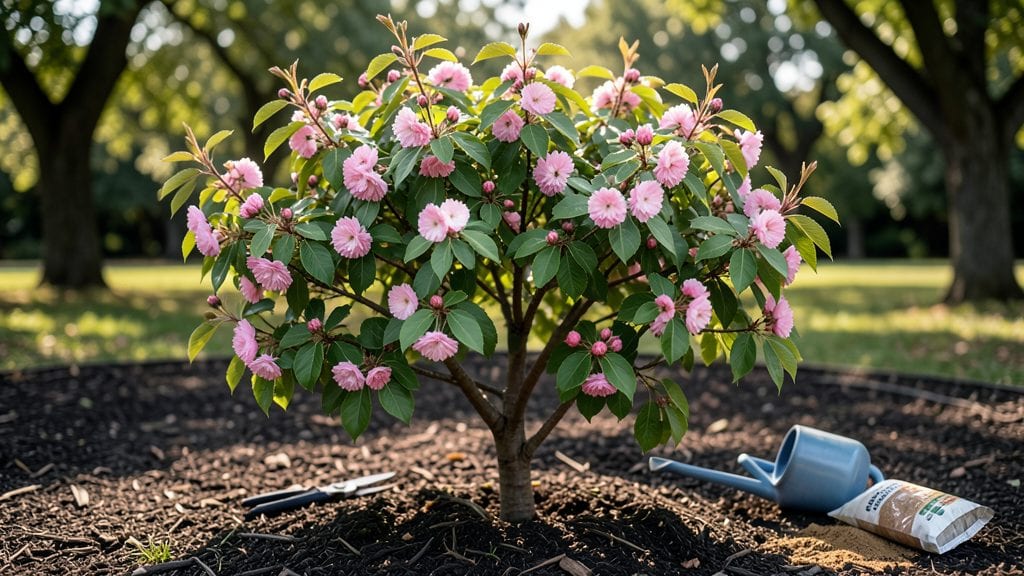
Growing a summer Okame cherry tree in your Pacific Northwest garden means waking up to clouds of pink blossoms that smell like spring in July. 🌸 I’ve watched mine transform from a bare branch in winter to a showstopper by June—something most cherry trees can’t do in our damp, cool climate.
The secret lies in its resilience: this tree blooms later than traditional cherries, avoiding late frosts, and its small, non-messy flowers stay vibrant for weeks.
The key to summer success starts with the right spot—full sun and well-draining soil are non-negotiable. My tree thrives in a 6-foot-wide planting hole with compost mixed into the native soil, and I water deeply once a week after the first month.
It’s hardy down to Zone 5, but in the PNW, it’s the heat tolerance that really shines—unlike many cherries, it doesn’t wilt under summer sun. Prune right after blooming to encourage dense growth, and you’ll avoid the leggy look that plagues neglected trees.
By August, you’ll see clusters of tiny, edible cherries (though they’re tart and best for jams), and the foliage turns a rich, glossy green that lasts until frost. The real magic?
How it outperforms other cherries in our climate—no black spot fungus, no winter dieback, and blooms that don’t get fried by heatwaves. It’s the low-maintenance superstar of Pacific Northwest gardens, and I’ll show you exactly how to keep yours thriving.
Whether you’re tucking it into a small urban yard or using it as a focal point in a larger landscape, this tree delivers year-round interest—from spring blooms to autumn color. The only mistake I’ve made?
Planting too close to a patio (the petals stain!). Let’s get yours off to the right start with spacing, soil prep, and a pruning schedule that keeps it looking effortless.
📚 In This Guide
- What you need
- Instructions
- Tips and common mistakes
- Wrapping up and next steps
What you need
- ● Pruning shears: Bypass pruners (sharp, clean, and sterilized with rubbing alcohol to prevent disease spread). Size: 6–8 inches for medium branches.
- ● Loppers: For thicker branches (½–1½ inches in diameter). Look for: Ratcheting or bypass-style for precision.
- ● Pruning saw: For branches >1½ inches thick. Type: Curved-tooth pruning saw (avoids tearing wood).
- ● Gloves: Heavy-duty gardening gloves (cut-resistant, like mechanics’ gloves or pruning gloves with reinforced palms).
- ● Disinfectant: 1 part bleach to 9 parts water (or 70% isopropyl alcohol) for sterilizing tools between cuts.
- ○ Sealing wax or pruning paste: (Optional but helpful) To protect large cuts from pests/disease. Brand tip: Tanglefoot Tree Wound Pruning Sealer.
- ● Ladder or stump: If your tree is tall (>10 feet), use a sturdy, extendable ladder (or hire a pro!). Safety first: 3-point contact rule!
- ● Trash bags or bucket: For collecting pruned branches/debris.
- ● Tree paint: (For cuts >½ inch) To prevent sunlight from drying out the wound. Example: Dynamat Tree Wound Dressing.
- ● Hand saw: For stubborn, oversized branches (backup to loppers).
- ● Notebook & pen: To sketch a pruning map of your tree’s structure before/after.
- ● Rain gear: Light jacket or umbrella—pruning in damp weather can be messy!
- ● Timing: Prune after summer blooms (late June–early July) or in early spring (before buds swell). Avoid pruning during frost or extreme heat.
- ● Weather: Choose a cloudy day to reduce stress on the tree (sunlight + pruning = extra water loss).
- ● Research: Sketch your tree’s branch structure beforehand—okame cherries respond well to open-center pruning.
- ● Safety: Wear closed-toe shoes and avoid pruning near power lines. Pro tip: Tie long hair back!
Step-by-Step guide to planting and caring for a summer Okame cherry tree
This stunning Pacific Northwest favorite thrives with the right approach—here’s how to plant and nurture one that blooms reliably year after year.
🌱 Step 1: Choose the Perfect Planting Site
Okame cherries love full sun—select a spot that gets at least 6 hours of direct sunlight daily. In the Pacific Northwest’s cooler climate, morning sun and afternoon shade help prevent leaf scorch, especially in summer’s occasional heatwaves. Avoid low-lying areas where cold air pools, as even this frost-resistant variety can suffer from late spring frosts.
Check soil drainage by digging a 12-inch deep hole—if water pools after 30 minutes, amend with 2-3 inches of compost or plant on a slight mound. The tree’s roots need oxygen, and soggy soil invites root rot. I always test the soil pH too; Okame cherries prefer slightly acidic to neutral (6.0-7.0). A simple soil test kit makes this easy.
🪴 Step 2: Plant at the Right Depth and Stake for Support
Dig a hole twice as wide as the root ball but no deeper—Okame cherries hate having their roots buried too deeply. Gently remove the tree from its container and loosen any circling roots with your fingers. Place it in the hole so the top of the root ball sits level with the surrounding soil—burying the trunk too deep suffocates the tree.
Backfill with native soil mixed with 1-2 inches of compost, tamping lightly as you go. Water deeply to settle the soil, then stake the tree if needed—Okame cherries grow 10-15 feet tall, and young trees benefit from one 2-inch diameter stake placed 4-6 inches from the trunk. Use soft tree ties (not wire) to secure the trunk without girdling it. Mulch with 3 inches of wood chips, keeping it 6 inches away from the trunk to prevent rot.
☀️ Step 3: Water Deeply and Adjust for Pacific Northwest Rain
Water once a week for the first month, giving the tree 10-15 gallons each time until the soil 6 inches down feels moist. In the PNW’s rainy climate, overwatering is just as dangerous as underwatering—Okame cherries hate soggy roots. After establishment, let natural rainfall handle most of the work, but water deeply every 2-3 weeks during dry spells to encourage deep root growth.
Here’s the trick: water in the morning to reduce fungal risks. You’ll know you’re doing it right when the soil around the drip line (the edge of the tree’s canopy) stays consistently moist but not waterlogged. Avoid wetting the leaves—this helps prevent powdery mildew, a common issue in damp climates.
✂️ Step 4: Prune for Shape and Bloom Health
Prune in late winter or early spring (before buds swell) to remove dead, crossing, or inward-growing branches. Okame cherries bloom on both old and new wood, so avoid heavy pruning—never cut more than 25% of the canopy in one season. Focus on opening the center of the tree for better airflow and sunlight penetration, which reduces disease risk.
After flowering, thin out some of the fruit clusters if your tree is overloaded—this ensures the remaining cherries grow larger and ripen fully. I always leave one cluster per branch to balance aesthetics and productivity. Use clean, sharp pruners and sterilize them with rubbing alcohol between cuts to prevent spreading bacteria.
⏰ Step 5: Protect from Late Frosts and Encourage Reliable Blooms
Okame cherries are frost-resistant, but late spring frosts (below 28°F) can damage blossoms. If frost is forecasted, cover the tree with a frost blanket or string lights draped over it to create a 5-10°F warmer microclimate. Remove the cover as soon as temperatures rise to avoid overheating.
Feed the tree in early spring with a balanced 10-10-10 fertilizer (follow package rates). Okame cherries respond well to organic matter, so I top-dress with 1-2 inches of compost in late fall to build soil fertility for next year’s blooms. Watch for yellowing leaves—this often signals nitrogen deficiency, but it can also mean overwatering or poor drainage.
Tips & tricks for perfect summer Okame cherry tree planting
These simple yet game-changing tips will help your Okame cherry tree thrive and bloom beautifully in the Pacific Northwest's unique climate.
Sunlight Strategy: While the instructions call for at least 6 hours of daily sun, I've found that positioning your tree to catch morning sun (when it's cooler) and afternoon shade (when it's warmer) makes all the difference. In my experience, this prevents leaf scorch during those occasional summer heatwaves that hit the PNW. You'll notice the leaves stay vibrant green rather than developing brown edges.
Soil Test Tip: That 30-minute drainage test in Step 1 is crucial, but here's what nobody tells you—if your soil drains too quickly (water disappears in under 10 minutes), you'll need to add more compost to help retain moisture. I always mix in an extra inch of compost when I see this happen, especially in sandy soils common in parts of the PNW.
Pruning Precision: When pruning in late winter, focus on creating an open center that lets sunlight reach all branches. I like to visualize a "cage" shape—this encourages better airflow and prevents fungal issues. Remember, never remove more than 25% of the canopy in one season, as Okame cherries bloom on both old and new wood.
Frost Protection Hack: For that critical 28°F frost protection, I've had great success using old Christmas lights draped over the tree rather than a frost blanket. The lights create just enough warmth to protect blossoms, and they're easy to remove quickly when temperatures rise. Plus, they're reusable for years!
Pro Tips for Summer Okame Cherry Tree
- These simple yet game-changing tips will help your Okame cherry tree thrive and bloom beautifully in the Pacific Northwest's unique climate.
- In my experience, this prevents leaf scorch during those occasional summer heatwaves that hit the PNW.
- I always mix in an extra inch of compost when I see this happen, especially in sandy soils common in parts of the PNW.
Frequently asked questions
Got questions about growing and caring for your summer okame cherry tree? You’re not alone! Here are some of the most common queries from gardeners in the Pacific Northwest and beyond.
When do summer okame cherry trees bloom, and how long do the flowers last?
The summer okame cherry (Prunus × yedoensis) typically blooms in late spring to early summer—about 4-6 weeks later than spring varieties like Yoshino. Flowers last 7-10 days per flush, with some trees producing 2-3 blooming cycles in a season. Plant in full sun for the best display!
Are summer okame cherries frost-resistant like their name suggests?
Yes! This variety is hardy to USDA Zones 5-8 and more frost-tolerant than spring-blooming cherries. Young trees may need light protection (like a frost cloth) during late frosts, but mature trees handle -20°F without issues. Their later bloom time avoids spring frost damage too!
How and when should I prune a summer okame cherry tree?
Prune immediately after flowering (late spring/early summer) to shape the tree and encourage next year’s blooms. Avoid heavy pruning—focus on removing dead wood, crossing branches, and thinning for airflow. Use sterilized tools to prevent disease, and never prune in fall or winter.
Can I grow a summer okame cherry tree in a container, or does it need to be planted in the ground?
While possible in large containers (20+ gallons), they thrive best in the ground due to their spreading root system. If container-grown, use well-draining soil and fertilize regularly. Note: They may produce fewer flowers in pots and need winter protection in colder zones.
Why aren’t my summer okame cherry flowers attracting pollinators like other trees?
Check these common issues:
- Timing: Flowers may open at night or in cooler weather when bees are less active.
- Location: Plant near bee-friendly flowers (like lavender or coneflowers) to draw pollinators.
- Pesticides: Avoid chemicals—neonicotinoids harm bees. Use organic sprays instead.
- Water: Ensure the tree is well-watered; stressed trees produce less nectar.
Do summer okame cherries produce fruit, and is it edible?
Yes, but don’t eat them! The small, tart cherries are inedible (bitter and astringent). They’re grown purely for their stunning blooms. Birds may snack on them, but humans should avoid consumption.
Wrapping up and next steps
The summer okame cherry tree is a stunning, low-maintenance gem for the Pacific Northwest—its frost-resistant blooms and vibrant foliage bring joy year-round. Whether you're pruning for health, shape, or seasonal beauty, remember that timing, technique, and patience are your best tools.
With the right approach, you’ll nurture a tree that thrives for decades, gracing your garden with effortless elegance.
Ready to take the next step? Bookmark this guide and schedule your pruning session on a calm, sunny day—your okame cherry tree will thank you with show-stopping blossoms! 🌸✨