
Trees
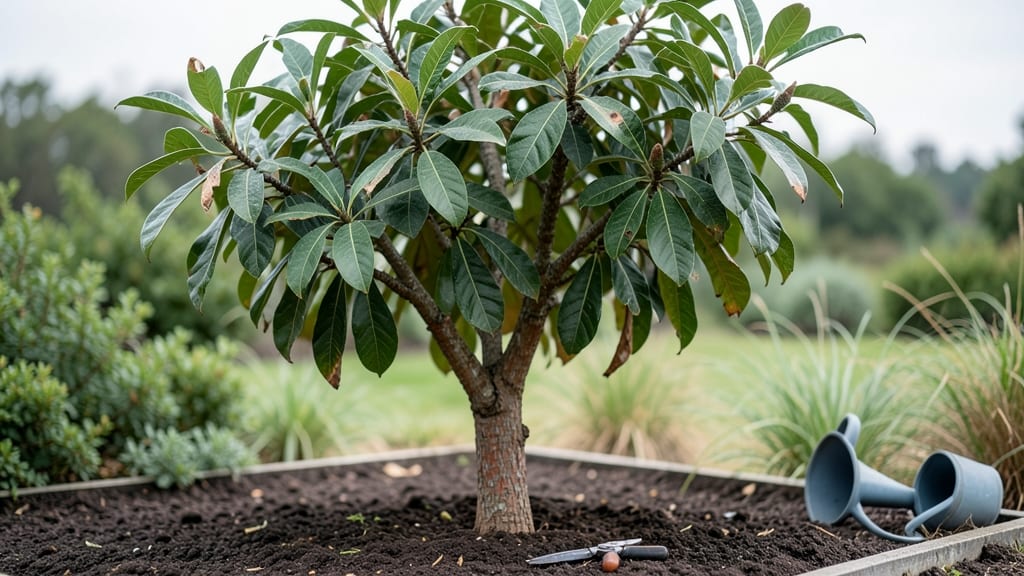
Growing frost-hardy avocado trees in the Pacific Northwest isn’t just possible—it’s a rewarding challenge that pays off with creamy, buttery fruit. 🌱 I’ve watched my Hass trees survive winters with temperatures dipping into the 20s, and the secret lies in the right variety and a few strategic adjustments.
Most gardeners assume avocados need a tropical climate, but these cold-resistant types prove them wrong.
The key starts with selecting varieties like ‘Hass’ or ‘Lamb Hass,’ which handle brief cold snaps better than others. You’ll need well-draining soil, a sheltered planting spot, and a thick mulch layer to insulate roots.
While avocados still prefer warmth, these varieties can bounce back from light frosts with proper care—something I learned after my first winter nearly killed my young tree.
What you’ll end up with is a tree that produces fruit year after year, even in cooler climates. The leaves stay green through winter, and with the right protection, you’ll harvest avocados that rival anything grown in California.
The payoff? Fresh guacamole straight from your backyard, no matter where you live.
This method works for gardeners in zones 7-9, though colder areas may need extra winter wraps or container growing. Let’s get your tree thriving—no tropical getaway required.
📚 In This Guide
- What you need
- Instructions
- Tips and common mistakes
- Wrapping up and next steps
What you need
- ● Frost-hardy avocado variety: Choose cold-resistant types like ‘Gwen’, ‘Mexicola’, or ‘Hass’ (with extra protection).
- ● Container or planting site: For containers: 15–20 gallon pot (minimum) with drainage holes, or a grow bag (3+ ft deep).
- ● For in-ground: Well-draining soil in a sheltered microclimate (e.g., south-facing wall).
- ○ Potting mix: 50% cactus/succulent mix + 50% perlite or pumice (sterilized). Optional: Add 10% worm castings for nutrients.
- ● Fertilizer: Balanced organic fertilizer (10-10-10) or citrus-specific blend (e.g., Espoma Citrus-Tone).
- ● Slow-release granules (e.g., Osmocote) for containers.
- ● Mulch: 2–3 inches of straw or wood chips (avoid cedar—it’s toxic!).
- ● Protective gear: Frost cloth (30–40g weight) or bubble wrap for young trees.
- ● String lights or a small space heater (safely) for extreme cold snaps.
- ● Soil moisture meter to avoid over/under-watering.
- ● Drip irrigation system or self-watering pot for consistency.
- ● Pruning shears (sterilized with rubbing alcohol).
- ● Epsom salt (magnesium sulfate) for yellowing leaves (1 tbsp/gallon monthly).
- ● Compost tea or mycorrhizal fungi to boost root health.
Step-by-Step instructions for growing frost-hardy avocado trees in the Pacific Northwest
Here's how I've successfully grown cold-tolerant avocados in zones 7-9—no greenhouses needed.
🌱 Step 1: Select and Prepare the Right Variety
Choose cold-hardy varieties like 'Gwen' or 'Lamb Hass'—these tolerate brief dips to 20°F when mature. Start with a potted seedling (not seed) from a specialty nursery, as nursery-grown trees establish faster. I always inspect the roots first—they should be white and firm, not brown or mushy.
Before planting, soak the root ball in warm water for 10-15 minutes to rehydrate any dried roots. This step is critical in the PNW's damp climate, where roots can suffer from poor drainage. Pat the soil gently to remove excess water—you want it moist, not soggy.
🪴 Step 2: Plant in Well-Draining Soil with Protection
Dig a hole twice as wide as the root ball but no deeper. Amend the native soil with equal parts compost and coarse sand—this improves drainage, which avocados crave. I mix in a handful of slow-release fertilizer (10-10-10) to give the tree a nutrient boost without burning roots.
Place the tree so the top of the root ball sits 1-2 inches above ground level. This prevents water from pooling around the stem, which causes rot. Backfill with the amended soil, pressing lightly to eliminate air pockets. Water deeply until moisture reaches 12 inches down—you'll see the soil darken at that depth.
☀️ Step 3: Position for Maximum Sun and Wind Shelter
Avocados need full sun (6+ hours daily), but in the PNW, afternoon shade helps prevent leaf scorch. I plant mine against a south-facing wall where they get morning sun and afternoon shade from nearby trees. If planting in open ground, use burlap windbreaks on the north and west sides to shield from cold winds.
Mulch heavily with 3-4 inches of wood chips, keeping mulch 6 inches away from the trunk. This mimics the tree's natural tropical habitat while insulating roots in winter. Water once a week during the first growing season, checking that the top 2 inches of soil stay moist—never soggy.
✂️ Step 4: Prune for Cold Resistance and Shape
In late winter (February), prune to remove any dead, crossing, or weak branches. I make cuts just above a leaf node where new growth can sprout. Thin the canopy to allow sunlight to reach the center—this prevents fungal issues from poor airflow. Avoid heavy pruning in fall, as new growth won’t harden off before winter.
After pruning, apply a thin layer of anti-desiccant spray (like Wilt-Pruf) to protect leaves from winter drying. This is especially important in the PNW’s dry winters. Water deeply once a month during dormancy (November–February) to keep roots from drying out completely.
⏰ Step 5: Winterize and Monitor for Cold Snaps
When temperatures drop below 25°F, cover the tree with frost cloth secured loosely at the base. I leave it in place until spring, removing it on mild days (above 40°F) to prevent heat buildup. Check the soil weekly—if it’s frozen, skip watering until it thaws.
Watch for leaf drop in cold snaps—this is normal. New growth will return in spring if the tree’s roots stayed healthy. Once nighttime temps stay above 50°F consistently, remove all winter protections and resume regular watering. Fertilize lightly in early spring with a balanced formula to encourage new growth.
Tips & tricks for growing cold-resistant avocado trees in the PNW
Here's what I've learned after years of growing avocados in our chilly climate—these tricks make all the difference for survival and success.
Root Ball Prep: In Step 1, that 10-15 minute soak is crucial for reviving roots that may have dried out during transport. I add a splash of seaweed extract to the water—it helps stimulate root growth right from the start. After soaking, I wrap the root ball in a damp towel while I finish digging the hole to keep moisture locked in. The goal is to mimic the tropical humidity avocados love, even in our dry PNW summers.
Soil Mix Secret: When amending soil in Step 2, I go one step further by adding a handful of perlite to that compost-sand mix. This creates tiny air pockets that prevent waterlogging, which is especially important in our rainy winters. I also test the soil pH—avocados prefer slightly acidic soil (6.0-7.0). If your native soil is too alkaline, mix in some peat moss to adjust it before planting.
Winter Protection Hacks: For Step 5, frost cloth is essential, but I've found a few extra tricks that make it work better. First, I secure the cloth with plastic clips instead of staples—this prevents tearing when winds pick up. Second, I leave a small gap at the bottom of the cloth to allow air circulation, which prevents moisture buildup that can cause rot. And finally, I mark the frost cloth with a bright ribbon so I don't accidentally remove it too early in spring.
Pruning Timing: That late winter pruning in Step 4 is critical timing. I always prune on a warm, sunny day in February when temps are above freezing. This gives new growth time to harden off before our spring rains arrive. I also sterilize my pruning shears with rubbing alcohol between cuts to prevent spreading disease—this is especially important in our damp climate where fungal issues can spread quickly.
Pro Tips for Frost Hardy Avocado Trees
- Here's what I've learned after years of growing avocados in our chilly climate—these tricks make all the difference for survival and success.
- Root Ball Prep: In Step 1, that 10-15 minute soak is crucial for reviving roots that may have dried out during transport.
- Soil Mix Secret: When amending soil in Step 2, I go one step further by adding a handful of perlite to that compost-sand mix.
Frequently asked questions
Got questions about growing frost-hardy avocado trees in colder climates?
Here are answers to the most common ones—so you can enjoy homegrown avocados without the winter worries!
How cold can frost-hardy avocado trees actually tolerate?
Most frost-hardy varieties (like ‘Gwen’ or ‘Hass’ grafted on cold-resistant rootstock) survive brief dips to 20–25°F (-6 to -4°C). However, prolonged exposure below 28°F (-2°C) can still damage leaves or fruit. Protect young trees with frost cloth or mulch for extra safety!
How long does it take for a frost-hardy avocado tree to bear fruit?
Patience is key! While some varieties produce fruit in 3–5 years, colder-climate trees may take 5–7 years due to slower growth. Choose dwarf or semi-dwarf rootstocks to speed up fruiting—just ensure they’re planted in a sheltered, sunny spot with well-draining soil.
Can I grow frost-hardy avocados in containers?
Containers work well for small varieties like ‘Mexicola Grande’, but use large pots (15+ gallons) with drainage holes. Move them indoors or to a garage when temps drop below 32°F (0°C). Bonus: Container growing makes harvesting easier and lets you relocate trees for optimal sun!
What do I do if my avocado tree’s leaves turn brown after a frost?
Brown leaves are often a sign of frost damage, but don’t panic! Prune affected branches back to healthy green growth in early spring. Avoid heavy pruning now—wait until new shoots appear. Fertilize lightly with a balanced citrus blend to help recovery.
Are there alternatives if frost-hardy avocados don’t thrive in my area?
If your climate is too harsh, consider other cold-tolerant tropical fruits like:
- Pomegranate (survives 10°F/-12°C)
- Fig (some varieties handle 15°F/-9°C)
- Loquat (thrives in USDA Zones 7–10)
Wrapping up and next steps
Growing frost-hardy avocado trees in the Pacific Northwest isn’t just possible—it’s rewarding! With the right cold-resistant variety, proper care, and a little patience, you can enjoy homegrown avocados year after year. Whether you’re a seasoned gardener or just starting, this guide gives you the tools to succeed.
Ready to take the next step? Start small—plant a tree in a container or a sheltered spot, and watch your avocado adventure unfold. 🌱 Before you know it, you’ll be savoring creamy, homegrown avocados straight from your backyard! Happy planting!