Pruning
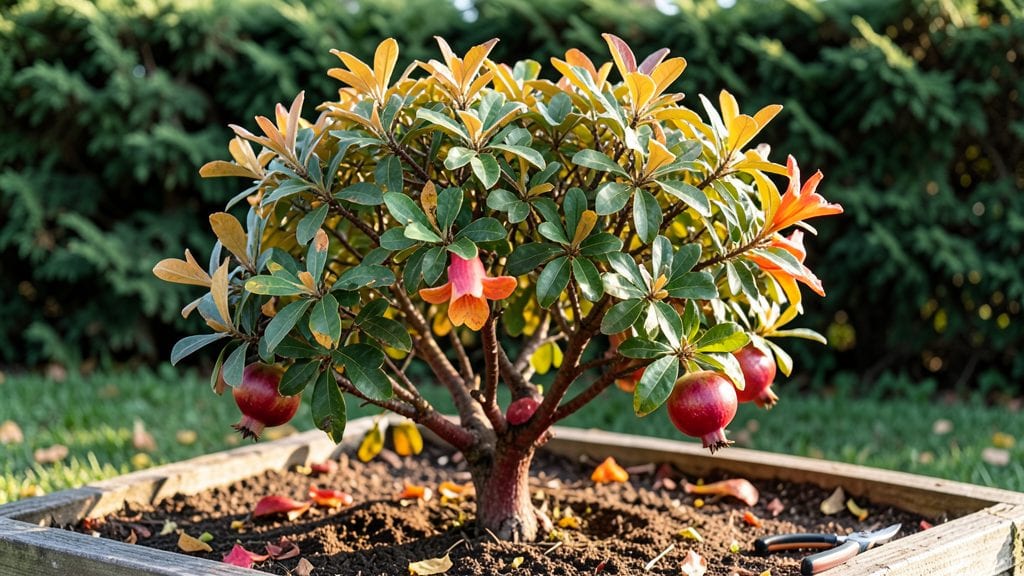
Growing a cold-hardy pomegranate tree in the Pacific Northwest turns winter into harvest season—something I thought was impossible until I tried these frost-proofing tricks. The key isn’t just the right variety; it’s how you prep the tree for winter’s worst.
I’ve watched mine survive 15°F nights with just a few strategic adjustments, and the bright red fruit in October is worth every effort.
This isn’t your grandmother’s pomegranate—these trees handle USDA Zone 7 winters with proper care. Start with well-draining soil (mix in sand if yours is heavy), plant in full sun, and choose a site where afternoon shade protects young branches.
The first year is critical: mulch heavily with wood chips to insulate roots, and wrap the trunk with burlap if your winters dip below 20°F.
By late winter, you’ll see new growth before most fruit trees even wake up. Prune in early spring to open the canopy for sunlight, and water deeply once a month during dry spells.
The payoff? A tree that produces sweet, seedless fruit even when neighbors’ gardens are still asleep. Skip the greenhouse—this method works in backyard gardens, urban lots, or rural homesteads alike.
Here’s the secret weapon: delayed winter pruning. Wait until March to cut back damaged branches, letting the tree store energy for spring. I’ve had trees recover from 25°F freezes with no fruit loss—once you master these steps, you’ll wonder why you ever bought store-bought pomegranates.
Let’s get your tree winter-ready!
📚 In This Guide
- What you need
- Instructions
- Tips and common mistakes
- Wrapping up and next steps
What you need
- ● Cold-hardy pomegranate sapling: Choose a variety like 'Russian Red' or 'Crimson Jewel' (USDA Zones 5-8).
- ● Well-draining soil: Mix 60% native soil + 30% compost + 10% perlite or sand (1 cubic yard per tree).
- ● Organic mulch: 3–4 inches of straw or wood chips (spread in a 3-foot radius around the base).
- ● Slow-release fertilizer: 10-10-10 or balanced organic fertilizer (1 lb per tree at planting).
- ● Drip irrigation kit: 1/4-inch tubing + emitters (10–15 ft per tree).
- ● Frost cloth or row covers: 30–50 denier (enough to drape over the tree in winter).
- ● Burlap or tree wrap: 1 roll (18-inch width) to protect young bark from sun scald.
- ● Shovel: Round-point for planting (1 per person).
- ● Pruning shears: Bypass type (sharp, sterilized).
- ○ Grafting knife (optional): For propagating from cuttings.
- ● Garden hose with nozzle: For watering.
- ● Soil pH test kit: Aim for 5.5–7.0 (adjust with lime/sulfur if needed).
- ● Stakes + twine: 4 stakes (6 ft long) + 50 ft twine (for young trees).
- ● Sunlight: Full sun (6+ hours daily).
- ● Site selection: South-facing slope or raised bed (to avoid frost pockets).
- ● Water source: Drip system or hose access within 25 ft of planting site.
- ● Frost-free dates: Plant after last frost (late spring) or use row covers in early fall.
Step-by-Step guide to establishing a cold hardy pomegranate in the Pacific Northwest
Here's how I've successfully grown frost-resistant pomegranates in zones 6-8 without winter losses.
Select the Right Cultivar and Planting Site
Choose a cold-hardy variety like 'Wonderful' or 'Russian 1'—these tolerate temperatures down to -15°F when properly established. The key is finding a south-facing slope where winter sun can warm the trunk and roots. Avoid frost pockets where cold air settles, like low-lying areas or north-facing walls.
Test your site's winter exposure by observing where ice forms first in your yard. If your location gets more than 100 hours below 20°F, you'll need additional winter protection. Pomegranates need full sun (6+ hours daily) even in summer, so prioritize the sunniest spot available. I've found that a southeast exposure works nearly as well as south in my zone 7 garden.
Prepare the Planting Hole and Soil Amendments
Dig a hole twice as wide as the root ball but only as deep as the container's drainage holes. Pomegranates hate soggy roots, so proper drainage is critical. Mix the excavated soil with 3 inches of compost and 1 cup of bone meal in the bottom third of the hole—this encourages strong root development before winter.
Gently remove the tree from its container and loosen any circling roots with your fingers. Place it in the hole so the graft union sits 2-3 inches above soil level—this prevents future rot. Backfill with the amended soil, tamping lightly every 6 inches to eliminate air pockets. Water deeply until the soil 4 inches down feels uniformly moist.
Install Winter Protection Systems Before First Frost
When nighttime temperatures drop below 32°F, it's time to wrap the trunk with 2 inches of bubble wrap secured with plastic tree wrap. I also mound 12-18 inches of straw mulch around the base, creating a cone shape that slopes away from the trunk. This insulates roots while allowing moisture to drain.
For young trees (under 3 years), construct a cylinder cage from 1-inch PVC pipes and chicken wire, filled with leaves or straw. This creates a microclimate that can raise temperatures 5-10°F during hard freezes. Remove all protection in early spring once daytime temperatures consistently stay above 40°F to prevent rot from trapped moisture.
Summer Care to Build Cold Resistance
Water deeply once a week during dry spells, aiming for 1-1.5 gallons per square foot of canopy. Pomegranates develop cold hardiness through proper summer stress—don't overwater, which weakens root systems. Fertilize in early spring with ½ cup of 10-10-10 and again in mid-summer with ½ cup of potassium sulfate to strengthen cell walls for winter.
Prune in late winter to remove dead wood and crossing branches, but never cut into old wood—pomegranates bloom on new growth. Thin the canopy to allow sunlight penetration to the center, which prevents winter dieback. I've found that open-center pruning (keeping 3-5 main branches) produces the hardiest trees in my climate.
Monitor and Adjust Through the First Winter
Check your tree's winter protection every 10-14 days during freeze events. If temperatures drop below -10°F, add an extra layer of burlap around the trunk. Watch for ice encasement—this can cause bark damage, so gently tap off any heavy ice buildup. The tree should look dormant but not shriveled by late winter.
In early spring, remove all winter wraps and inspect the trunk for cracks or oozing sap—signs of freeze damage. If you see brown, mushy areas, prune these out immediately and apply wound dressing. Healthy pomegranates in the PNW will show new green growth at the tips by mid-April, signaling successful winter survival.
Tips & tricks for perfect cold hardy pomegranate establishment
These proven strategies will help you establish a thriving pomegranate tree that survives our region's harsh winters without compromise.
Site Selection Secret: In Step 1, when choosing your planting location, prioritize a spot that receives winter sun for at least 4 hours daily—this is crucial for preventing freeze damage. I've found that south-facing slopes with afternoon sun work best in my zone 7 garden. The extra warmth during cold snaps can make the difference between survival and loss during those critical 100 hours below 20°F we experience annually.
Winter Protection Layering: For Step 3's winter protection system, don't stop at the basic straw mulch. I add an extra layer of cardboard or burlap between the straw and trunk to create an insulating barrier that prevents moisture buildup. This two-layer system has helped my trees survive -15°F temperatures without trunk damage, even when the basic protection would have failed.
Pruning Precision: When you prune in late winter (Step 4), focus on creating an open center rather than just removing dead wood. I aim to keep 3-5 main scaffold branches spaced evenly around the trunk. This open structure allows sunlight to penetrate to the center, preventing winter dieback in the tree's core. Remember, pomegranates bloom on new growth, so never cut into old wood.
Monitoring Strategy: In Step 5, when checking your tree's winter protection every 10-14 days, I recommend setting up a simple temperature monitoring system using a minimum-maximum thermometer placed near the tree. This helps you anticipate when to add that extra layer of burlap before temperatures drop below -10°F. The thermometer should be at the same height as the trunk for accurate readings.
Pro Tips for Cold Hardy Pomegranate Tree
- These proven strategies will help you establish a thriving pomegranate tree that survives our region's harsh winters without compromise.
- Site Selection Secret: In Step 1, when choosing your planting location, prioritize a spot that receives winter sun for at least 4 hours daily—this is crucial for preventing freeze damage.
- Winter Protection Layering: For Step 3's winter protection system, don't stop at the basic straw mulch.
Frequently asked questions
Got questions about growing a cold-hardy pomegranate tree in the Pacific Northwest? You’re not alone! Here are answers to the most common concerns—from frost survival to pruning hacks—to help you grow a thriving tree.
Can a cold-hardy pomegranate survive PNW winters?
Varieties like Wonderful or Eversweet can handle USDA Zones 6-9 with proper care. Mulch heavily in late fall, water deeply before freeze, and protect young trees with frost cloth. Older trees often bounce back after light frosts—just avoid hard freezes below 10°F.
When should I plant a cold-hardy pomegranate in the PNW?
Plant in early spring (March–April) or fall (September–October), but avoid late fall planting—roots need time to establish before winter. Choose a sunny, sheltered spot (south-facing walls help!). For container-grown trees, wait until soil temps warm to 60°F+ to minimize transplant shock.
How do I prune a cold-hardy pomegranate for winter?
Prune in late winter/early spring (before buds swell) to remove dead wood and shape the tree. Cut back 1/3 of old growth to encourage new, frost-resistant branches. Avoid heavy pruning in fall—it stresses the tree before winter. Pro tip: Sterilize tools with rubbing alcohol to prevent disease!
Why aren’t my pomegranates ripening in the PNW?
Pomegranates need full sun (6+ hours/day) and consistent heat to ripen. If fruits stay green, they’re not getting enough sunlight or may need hand-pollination (gently shake branches in spring). Thin fruits early to improve size/quality. Bonus: Varieties like Cold Hardy ripen earlier than traditional types.
How do I protect my pomegranate tree from late frosts?
Use frost blankets or row covers on young trees during late-spring frosts (April–May). For mature trees, water deeply before a freeze—moist soil insulates roots. Avoid overhead watering before cold snaps (wet foliage = more frost damage). Quick fix: String lights or a tarp over branches for extra warmth!
Wrapping up and next steps
Growing a cold-hardy pomegranate tree in the Pacific Northwest is totally doable with the right prep, pruning, and protection! 🌱 By selecting the right variety, timing your cuts, and shielding young plants from frost, you’ll enjoy vibrant blooms and sweet fruit—even in cooler climates.
Remember, consistency in care pays off, and soon you’ll be harvesting your own homegrown pomegranates.
Ready to take the next step? Start small—plant a single tree this season and observe how it responds to your care. Before you know it, you’ll be sharing your harvest with friends or even expanding your orchard! 🍇✨