
Pruning
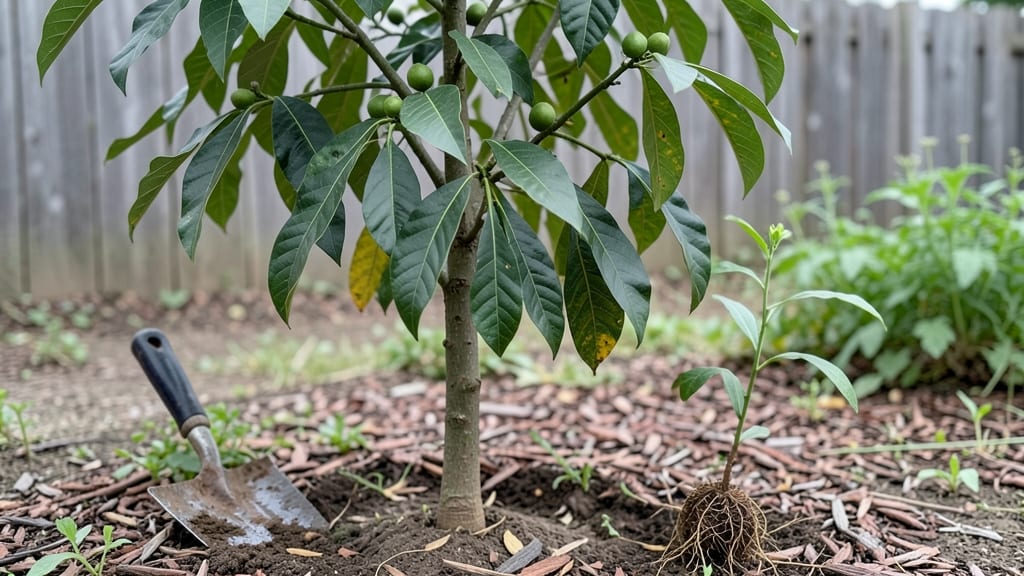
Cultivating a mango tree in the Pacific Northwest feels like cheating the system—until you realize the real challenge isn’t the fruit, but the frost. 🌱 I’ve watched these tropical giants thrive in my backyard by mimicking their native climate, and the secret isn’t complicated: it’s about heat, shelter, and a little extra TLC during winter.
The first year I tried, my tree lost half its leaves to a late spring frost, but now it produces sweet, juicy fruit every summer.
You’ll need a dwarf variety (like ‘Cogshall’ or ‘Osteen’) to keep it manageable, well-draining soil mixed with compost, and a south-facing spot where it gets at least 6-8 hours of sun daily.
Containers work too—just use a 15-gallon pot with drainage and move it indoors when temperatures drop below 30°F. The key is protecting it from cold snaps, whether that means wrapping the trunk, using a frost cloth, or bringing potted trees inside.
By late summer, you’ll be harvesting fruit that tastes like a vacation—sweet, fibrous, and packed with flavor. The first harvest might be small, but each year the tree grows stronger, with fewer winter setbacks.
Even in our chilly climate, a well-cared-for mango tree can produce 50-100 pounds of fruit over time, enough to share with neighbors or make homemade mango chutney.
Whether you’re growing in the ground or a container, the principles stay the same: warmth, shelter, and patience. The biggest mistake beginners make is assuming mango trees are low-maintenance—they’re not.
But once you crack the code, you’ll have a tree that feels like a little piece of Hawaii in your own backyard. Let’s get those roots growing!
📚 In This Guide
- What you need
- Instructions
- Tips and common mistakes
- Wrapping up and next steps
What you need
- ● Mango Tree Sapling: Choose a dwarf or semi-dwarf variety (e.g., Keitt, Cogshall, or Julie) for easier indoor/outdoor growth. 1 plant (age 1–3 years).
- ● Containers: Large pots (15–20 gallons) with drainage holes. 1–2 pots (if growing indoors).
- ● Potting Mix: Well-draining soil blend: 60% cactus/succulent mix, 30% perlite/pumice, 10% compost. ~5–10 gallons.
- ● Fertilizer: Balanced 10-10-10 fertilizer (for early growth).
- ● Citrus/mango-specific low-nitrogen fertilizer (e.g., Espoma Garden-Tone) for fruiting. 1–2 applications per season.
- ● Pruning Tools: Bypass pruners (for clean cuts).
- ● Sterilized saw (for thick branches).
- ● Garden shears (for shaping).
- ● Grow Lights: Full-spectrum LED (12–16 hrs/day) if indoor. 1–2 lights (e.g., Samsung LM3000).
- ○ Heat Mat: Optional but helpful for indoor seedlings (70–85°F root zone).
- ● Mulch: Organic (straw or wood chips) to retain moisture. 2–3 inches around base.
- ● Microclimate: Protect from frost (below 28°F) with a greenhouse, cold frame, or move indoors.
- ● Sunlight: Full sun (6+ hrs/day)—supplement with grow lights in winter.
- ● Humidity: Aim for 50–70% (use a humidifier indoors).
- ● Water: Drip irrigation or soaker hose for consistent moisture (avoid soggy roots!).
- ● Root stimulator (e.g., Mycorrhizal fungi) for transplant shock.
- ● Pollination aid: Small brush or hand-held fan (if growing multiple trees).
- ● Soil pH test kit (ideal range: 5.5–7.0).
- ● Tree ties or stakes (for young saplings in windy areas).
Step-by-step guide to cultivating a mango tree in the Pacific Northwest
Here’s how to grow a thriving mango tree despite the region’s cool climate—using proven techniques for cold-hardy varieties.
🌱 Step 1: Select the Right Variety for Your Climate
Choose a cold-tolerant variety like 'Julie,' 'Osteen,' or 'Cogshall,' which can survive brief dips below 30°F if protected. Avoid tropical varieties like 'Haden' or 'Keitt,' which won’t survive winter here. I recommend purchasing a 1-2 year old grafted tree from a specialty nursery—younger trees are easier to acclimate and less prone to transplant shock.
Look for a tree with a sturdy trunk and healthy green leaves (no yellowing or spots). The graft union—where the scion meets the rootstock—should be clearly visible about 12-18 inches from the soil line. This ensures the tree will fruit true to its variety rather than reverting to a wild type.
☀️ Step 2: Plant in a Sheltered, Sun-Dappled Location
Mangoes crave full sun (6+ hours daily), but in the Pacific Northwest, afternoon shade protects leaves from scorching. Plant near a south-facing wall or under partial shade cloth during peak summer heat. I dig a hole twice as wide as the root ball but only as deep—planting too deep suffocates roots and causes stress.
Amend the native soil with 3-4 inches of compost mixed into the bottom of the hole. Mangoes prefer slightly acidic soil (pH 5.5-7.0). If your soil is heavy clay, add a 5-gallon bucket of perlite to improve drainage. Water deeply before planting to settle the soil and eliminate air pockets.
🪴 Step 3: Provide Winter Protection and Microclimate Control
In winter, wrap the trunk and canopy with burlap or frost cloth, securing it loosely to allow airflow. I also mound 8-12 inches of mulch (straw or wood chips) around the base to insulate roots. For extra protection, move potted trees to a garage or unheated shed during hard freezes—even cold-hardy varieties can suffer damage below 25°F.
If you’re growing in containers, use black plastic pots (they absorb heat) and place them against a sunny wall. In spring, uncover the tree gradually over 7-10 days to avoid shock. Watch for new growth—bright green, glossy leaves signal the tree is recovering from dormancy.
💧 Step 4: Water Deeply and Fertilize Strategically
Water once a week in summer, soaking the root zone to 12-18 inches deep. Let the soil dry slightly between waterings—soggy conditions rot roots. In winter, reduce watering to every 3-4 weeks unless the ground freezes. You’ll know moisture is right when the top 2 inches of soil feel dry but deeper layers stay damp.
Fertilize twice a year: in early spring with a balanced 10-10-10 and in late summer with a low-nitrogen 6-6-6 to encourage fruiting. Avoid high-nitrogen fertilizers—they promote leafy growth at the expense of flowers and fruit. I also side-dress with 1 cup of compost in spring to boost microbial activity.
✂️ Step 5: Prune for Shape and Fruit Production
Prune in late winter or early spring before new growth begins. Remove dead, crossing, or inward-growing branches first to improve airflow. Thin out 25% of the canopy to let sunlight penetrate—mangoes need light on all branches to set fruit. I target semi-dwarf varieties for container growing, as they stay manageable and produce fruit faster.
Watch for suckers (shoots from the rootstock below the graft) and remove them immediately—they divert energy from the main tree. After flowering, thin fruit clusters to 3-5 mangoes per branch to ensure size and quality. You’ll see small, round buds in spring—these are your future fruit.
Tips & tricks for cultivating a mango tree in cool climates
Growing mangoes in the Pacific Northwest takes some extra care, but these proven strategies will help you nurture a thriving tree that produces fruit despite the challenges.
Variety Selection Wisdom: When choosing between cold-hardy varieties like 'Julie' or 'Osteen,' pay special attention to the graft union location. The 12-18 inch mark from the soil line is critical—this ensures the tree maintains its fruiting characteristics rather than reverting to a wild type. I've seen many gardeners overlook this detail, which can lead to disappointment when the tree flowers but doesn't produce the expected fruit.
Microclimate Mastery: Creating the right microclimate is everything in our cool climate. For container-grown trees, black plastic pots absorb heat during the day and release it slowly at night, helping maintain temperatures above the 25°F threshold. I've had great success placing my pots against south-facing brick walls—this adds an extra 5-10°F of protection during cold snaps. Consider adding a 1-inch layer of reflective mulch (like white gravel) around the base to bounce sunlight back onto the trunk.
Winter Protection Secrets: The gradual 7-10 day acclimation period in spring is non-negotiable. I've learned this the hard way after shocking trees too quickly and seeing new growth wilt. Start by uncovering the tree for just 1-2 hours daily, then gradually increase exposure. For extra insulation, wrap the trunk with bubble wrap underneath the frost cloth—this adds an extra layer of protection without restricting airflow.
Pruning Precision: When thinning fruit clusters to 3-5 mangoes per branch, focus on selecting the largest, healthiest buds. I look for buds that are slightly larger than others and positioned on the outer portions of the branch—these will receive the most sunlight and have the best chance of developing into quality fruit. Remove any buds that appear deformed or have signs of disease, as these can spread problems to the remaining fruit.
Pro Tips for Cultivating Mango Tree
- Growing mangoes in the Pacific Northwest takes some extra care, but these proven strategies will help you nurture a thriving tree that produces fruit despite the challenges.
- Variety Selection Wisdom: When choosing between cold-hardy varieties like 'Julie' or 'Osteen,' pay special attention to the graft union location.
- Microclimate Mastery: Creating the right microclimate is everything in our cool climate.
Frequently asked questions
Got questions about growing mango trees in the Pacific Northwest? You’re not alone!
Here are answers to the most common concerns—from climate challenges to pruning tips—so you can cultivate your tropical dream fruit with confidence.
Can mango trees survive the Pacific Northwest’s cold winters?
Most mango varieties cannot tolerate frost, but with the right strategies, you can grow them! Plant in containers for winter moves indoors or to a greenhouse. Choose cold-hardy varieties like Julie or Keitt, which can handle brief dips to 25°F (-4°C). Mulch heavily and use frost cloth for extra protection.
How long does it take for a mango tree to bear fruit?
Patience is key! Dwarf varieties may produce fruit in 3–5 years, while standard trees can take 5–7 years or longer. Ensure your tree gets full sun (6+ hours daily), well-draining soil, and consistent watering. Young trees focus on root and branch growth first—don’t rush it!
Should I grow my mango tree in a pot or plant it in the ground?
Both work, but pots offer flexibility for winter moves. Use a 15–20 gallon container with drainage holes and a mix of potting soil and perlite. For in-ground planting, choose a sheltered spot with southern exposure. If potted, expect to fertilize more often (every 2–3 months with citrus/mango fertilizer).
When and how should I prune my mango tree?
Prune in late winter or early spring (before new growth) to shape the tree and remove dead/diseased branches. Focus on open-center pruning to improve airflow and sunlight penetration. Avoid heavy pruning—mangoes bloom on old wood, so trim sparingly (no more than 25% of foliage). Sterilize tools with rubbing alcohol to prevent disease.
What pests or diseases should I watch for in PNW mango trees?
Common issues include aphids, scale insects, and fungal diseases like powdery mildew. Inspect leaves regularly for sticky residue (aphids) or white powder (mildew). Treat with neem oil or insecticidal soap for pests, and ensure good airflow to prevent fungi. Overwatering is a top culprit—let soil dry slightly between waterings.
Still stumped? Drop your question in the comments—we’re happy to help!
Wrapping up and next steps
Cultivating a mango tree in the Pacific Northwest is absolutely doable—with patience, the right techniques, and a dash of tropical love! 🌱✨ You’ve learned about the essential tools, pruning secrets, and climate workarounds to keep your tree thriving.
Now, it’s time to roll up your sleeves and enjoy the journey—because every snip and spray brings you closer to that first juicy, sun-ripened mango!
Ready to take the next step? Start by observing your tree weekly—adjust pruning, monitor pests, and celebrate small victories like new leaves or buds. And if you’re feeling ambitious, share your progress with fellow gardeners for extra motivation!
The tropics may be far, but your backyard can taste like paradise.