
Pruning
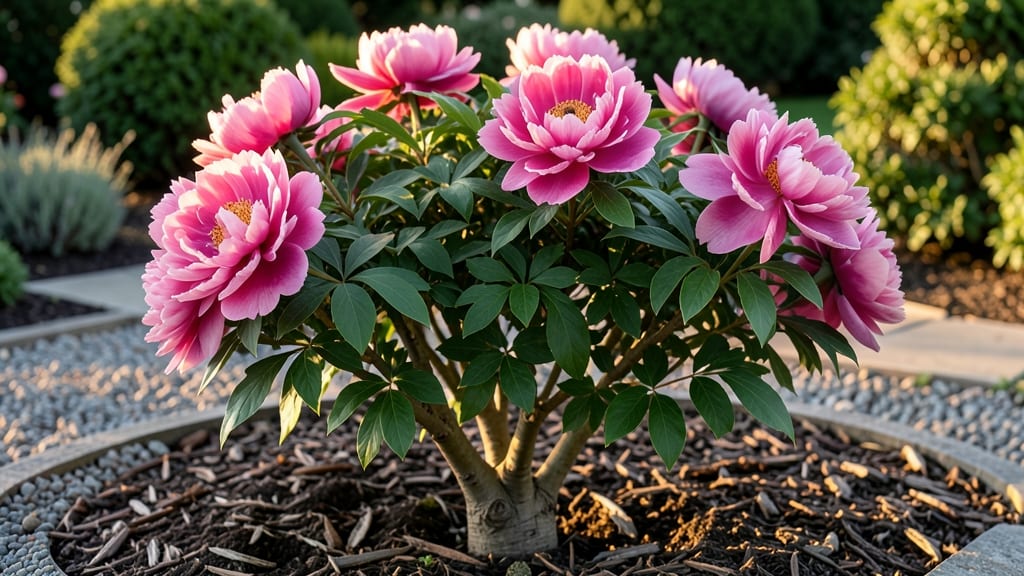
The flowering peony tree thrives in the Pacific Northwest's chilly winters, and its frost-resistant nature makes it a standout choice for gardeners who want bold blooms without the fuss.
I planted mine in early spring after a brutal winter that killed my herbaceous peonies—this one survived, and now it's the centerpiece of my garden. The secret lies in its woody stems and layered care, especially how you prune after the first hard frost.
Unlike herbaceous peonies that die back to the ground each year, tree peonies grow on permanent wood, so pruning isn’t just about shaping—it’s about encouraging next year’s blooms.
You’ll need sharp pruners, a clear day after frost (when branches are firm but not frozen), and a plan to cut back one-third of the oldest stems each winter. The key is timing: prune too early, and you risk damaging buds; too late, and you weaken the plant before winter.
By spring, you’ll see thick, velvety leaves unfurling and clusters of rosy-pink or deep-red blooms that last weeks longer than most shrubs. The fragrance alone makes it worth the effort—imagine walking past it on a summer morning, the air thick with that sweet, honeyed scent.
Even in rainy Pacific Northwest summers, these trees stay vibrant, their glossy foliage providing texture year-round.
This guide covers everything from soil prep (well-draining, slightly alkaline) to pest watch (aphids love new growth), with a special focus on the Pacific Northwest’s microclimates.
Whether you’re in Seattle’s damp coastal zone or the drier inland areas, the same principles apply—just adjust your pruning schedule by a week or two. Let’s get those branches blooming bigger every year.
📚 In This Guide
- What you need
- Instructions
- Tips and common mistakes
- Wrapping up and next steps
What you need
- ● Pruning shears: Bypass pruners (sharp, 6-8" blades) for clean cuts on small branches.
- ● Loppers: Bypass or anvil type (8-12" blades) for thicker branches (½"–1½" diameter).
- ● Pruning saw: Curved-tooth saw for branches over 1½" in diameter.
- ● Gloves: Heavy-duty, cut-resistant (to protect from thorns and sap).
- ● Disinfectant: 70% isopropyl alcohol or bleach solution (1:9 ratio) to sterilize tools between cuts.
- ● Rubbing alcohol or hand sanitizer (for quick tool cleaning mid-pruning).
- ○ Pruning sealant: Optional but helpful for large cuts (e.g., Tanglefoot Tree Wound Pruning Sealer).
- ● Ladder or step stool: Sturdy, non-slip (if tree exceeds 6 feet in height).
- ● Trash bags or bucket: For collecting pruned branches and debris.
- ● Marking twine or flags: To tag branches for removal (useful for complex pruning plans).
- ● Extension pole pruners: For high branches without a ladder.
- ● Safety glasses: To shield eyes from debris.
- ● Notebook & pen: To sketch your pruning plan or note observations.
Step-by-step pruning guide for Pacific Northwest flowering peony trees
Here’s how I shape my peony tree for bold blooms and winter hardiness—no guesswork, just proven PNW techniques.
Time Your Pruning for Late Winter Dormancy
Wait until late winter, after the worst frost but before new growth begins—typically February to early March in the Pacific Northwest. This timing ensures you’re cutting back when the tree is fully dormant but before buds start swelling. I always prune on a dry, sunny day when temperatures are above 40°F, as cold, wet conditions stress the plant.
Look for brown, leafless branches—these are ready for pruning. If you see even the faintest green buds, wait a week. The goal is to remove dead or weak growth while preserving next year’s blooms, which form on last year’s wood. I mark my calendar with the first frost date and count back 8-10 weeks to schedule pruning.
Remove Dead, Diseased, or Crossing Branches First
Start by inspecting the tree for dead branches (no green bark, hollow when tapped) or diseased wood (blackened spots, oozing sap). Use clean, sharp pruning shears to cut these back to the main trunk or a healthy lateral branch. I disinfect my tools with 70% rubbing alcohol between cuts to prevent spreading disease—this is especially critical in the damp PNW climate.
Next, remove any branches that cross or rub against each other. These create wounds where pests and diseases can enter. Cut back to the outermost bud on the branch you’re keeping, making a 45-degree angle just above it. This encourages outward growth and prevents future crowding. If a branch is too thick for shears, use a pruning saw for clean cuts.
Thin Out Overcrowded Areas for Better Airflow
Peony trees thrive with good airflow, so focus on thinning the canopy by removing 20-30% of the smallest, innermost branches. These are often the ones blocking light from reaching the center of the tree. I start at the top of the tree and work my way down, cutting branches back to a strong lateral branch or bud that faces outward.
Watch for suckers—vigorous shoots growing from the base or along the trunk. These drain energy from the main structure. Snip them off at the base with shears or pull them out by hand if they’re small. Over time, this keeps the tree’s energy focused on flowering rather than wild growth. After thinning, step back and visualize the tree’s shape—you’re aiming for an open, vase-like form that lets sunlight reach all branches.
Shape the Tree for Winter Hardiness
In colder PNW zones, peony trees benefit from a rounded, slightly dome-shaped silhouette. This shape sheds snow more easily and reduces winter damage. Use your shears to shorten the longest branches by about one-third, cutting just above a bud that faces outward. Avoid cutting back into old wood—peony trees bloom on new growth from last year’s wood, so prune back only to healthy, dormant buds.
Pay special attention to the outer branches. These get the most wind exposure in winter, so I lightly trim them to reduce stress. If a branch is whip-like (long and thin), it’s likely weak and should be removed entirely. Finish by smoothing any rough edges with shears—smooth cuts heal faster and look more natural. After pruning, rake up and dispose of all clippings to prevent disease buildup in the soil.
Apply Post-Pruning Care for Strong Recovery
Water the tree deeply at the base after pruning to help it recover. In the PNW’s wet climate, this step is often overlooked, but it’s critical for root growth. I use a soaker hose to deliver moisture slowly without wetting the foliage, which can invite fungal issues. Follow up with a layer of 2-3 inches of mulch (like wood chips or bark) around the base, keeping it 6 inches away from the trunk to prevent rot.
Fertilize lightly in early spring with a balanced, slow-release fertilizer (10-10-10 ratio) to support new growth. Avoid heavy feeding right after pruning—it can encourage tender, frost-sensitive shoots. Monitor the tree over the next few weeks for signs of stress, like yellowing leaves or wilting. If you see these, reduce watering slightly and ensure the tree gets full sun (at least 6 hours daily) to rebuild energy stores for next year’s blooms.
Tips & tricks for perfect Pacific Northwest peony pruning
These simple but powerful techniques will help you transform your peony tree into a thriving, frost-resistant beauty that blooms spectacularly year after year.
Timing is Everything: The 8-10 week window before buds swell is your golden opportunity. I've learned the hard way that pruning too early can leave your tree vulnerable to late frosts, while waiting too long risks cutting off next year's blooms. In the PNW, aim for that February to early March sweet spot when days are dry and temperatures consistently stay above 40°F—this prevents stress on the tree.
The 45-Degree Angle Secret: When cutting branches in Step 2, that 45-degree angle above the outermost bud isn't just aesthetic—it's functional. This angle directs growth outward, creating that perfect open vase shape while preventing water from pooling on the cut. I always test my angle by holding the shears parallel to the ground and cutting at a slight upward tilt. For thicker branches, use a pruning saw to avoid tearing the bark.
Visualize the Airflow: Step 3's 20-30% thinning might sound arbitrary, but there's method here. Imagine sunlight streaming through your tree—you want it to reach all branches. Start at the top and work downward, cutting branches that block light from the center. I find it helpful to step back every few cuts and visualize the tree's silhouette. The goal is that open, airy look that prevents fungal diseases so common in our damp climate.
Winter Hardiness Shape: That rounded, dome shape in Step 4 isn't just for looks—it's a snow-shedding strategy. In heavy-snow PNW winters, this shape prevents branch breakage. Shorten the longest branches by about one-third, always cutting above outward-facing buds. For the outer branches that take the brunt of winter winds, give them special attention by lightly trimming to reduce stress. Remember, peonies bloom on last year's wood, so never cut back into old growth.
Pro Tips for Flowering Peony Tree
- These simple but powerful techniques will help you transform your peony tree into a thriving, frost-resistant beauty that blooms spectacularly year after year.
- Timing is Everything: The 8-10 week window before buds swell is your golden opportunity.
- The 45-Degree Angle Secret: When cutting branches in Step 2, that 45-degree angle above the outermost bud isn't just aesthetic—it's functional.
Frequently asked questions
Got questions about growing and pruning your flowering peony tree? You’re not alone! Here are some of the most common queries—and straightforward answers—to help you keep your tree thriving in the Pacific Northwest’s climate.
When is the best time to prune a flowering peony tree?
The ideal time to prune is right after flowering (late spring to early summer). This ensures you don’t cut off next year’s blooms, which form on old wood. Avoid pruning in fall or winter, as cold weather can stress the tree. Pro tip: Use sharp, sterilized tools to prevent disease!
How cold can a flowering peony tree tolerate?
These trees are hardy to USDA zones 4-8, meaning they can handle temperatures as low as -30°F (-34°C). However, young trees or newly planted specimens may need winter protection (like burlap wraps) until established. The PNW’s frost isn’t a problem—just ensure good drainage to avoid root rot!
Can I grow a flowering peony tree from seed?
While possible, it’s not recommended for most gardeners. Seeds produce trees with unpredictable flowers, colors, and sizes. Instead, opt for grafted nursery trees (like Paeonia suffruticosa) for consistent, show-stopping blooms. Grafting also speeds up maturity—you’ll see flowers in 2-3 years vs. a decade from seed!
Why aren’t my peony tree flowers opening?
Several factors could be at play:
- Too much shade: These trees need 6+ hours of sunlight daily.
- Over-pruning: Cutting back too aggressively removes next year’s buds.
- Frost damage: Late spring frosts can ruin buds. Plant in a sheltered spot if your area has unpredictable cold snaps.
- Age: Young trees (under 3 years) may not bloom yet.
What’s a good alternative if I can’t grow a peony tree?
If your site lacks space or sunlight, consider these PNW-friendly alternatives with similar beauty:
- Magnolia grandiflora (evergreen, fragrant blooms)
- Cercis canadensis (eastern redbud, early spring flowers)
- Deutzia (white/pink clusters, low-maintenance)
- Rhododendron (acid-loving, shade-tolerant)
Wrapping up and next steps
The flowering peony tree is a stunning, frost-resistant gem perfect for Pacific Northwest gardens, and with the right pruning techniques, you can keep it thriving for years!
Remember, timing (late winter or early spring), sharp tools, and gentle cuts are your best friends—don’t over-prune, and always remove dead or diseased branches first. 🌸
Ready to give your peony tree the TLC it deserves? Grab your pruners, mark your calendar for February or March, and get ready to enjoy a burst of vibrant blooms this spring. Happy pruning!