
Trees
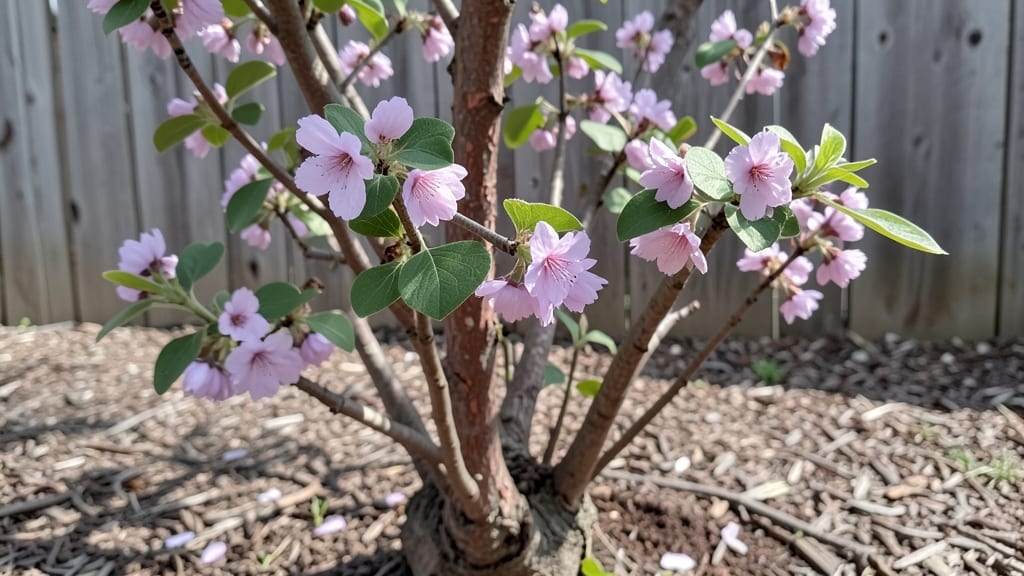
The tree, a stunning rising sun eastern redbud, thrives in zones where spring arrives with a burst of pink—and the Pacific Northwest delivers just that. 🌸 I planted mine in zone 7b, and within weeks, the delicate blossoms transformed my yard into... a dreamy spring scene—long before tulips even thought about blooming.
This tree handles frost better than most spring bloomers, making it perfect for zones 5-8. The secret lies in its timing: plant in early fall or late winter when the ground stays cool, giving roots time to establish before the first frost.
In colder zones, a thick layer of mulch acts like a cozy blanket, shielding tender roots from sudden freezes.
By late spring, you'll see those signature magenta flowers covering the branches like confetti, followed by heart-shaped leaves that turn golden in fall. The tree stays compact enough for small yards but bold enough to anchor a landscape. Even in rainy Pacific Northwest winters, it stays healthy with minimal fuss.
Before you dig, check your local microclimate—valleys and low spots can be colder than official zone maps suggest. A quick soil test ensures good drainage, which helps prevent root rot in wet climates. Once planted, this tree rewards patience with decades of effortless beauty.
📚 In This Guide
- What you need
- Instructions
- Tips and common mistakes
- Wrapping up and next steps
What you need
- ● Eastern Redbud Tree (Cercis canadensis) – 1-3 young trees (3-5 ft tall, bare-root or container-grown). Choose cold-hardy cultivars like 'Rising Sun' (Zone 5-9, but thrives in PNW’s Zone 6-8).
- ● High-quality potting soil or native soil mix – 2-3 cubic yards (amend with compost for drainage).
- ● Organic mulch (cedar chips or pine bark) – 2-3 inches, enough to cover the root zone (10-15 sq ft per tree).
- ● Slow-release fertilizer (10-10-10 or compost-based) – 1 lb per tree.
- ● Watering can or hose with a gentle spray nozzle – For deep watering (1-2 gallons per tree, 2-3x/week).
- ○ Garden stakes (optional but helpful) – 2-3 stakes (1-2 ft tall) per tree for support during planting.
- ● Pruning shears (sterilized) – For shaping or removing dead branches post-planting.
- ● Shovel or tree spade – For digging holes (1.5x wider than the root ball, 12-18 inches deep).
- ● Wheelbarrow – For mixing soil amendments (if needed).
- ● Gloves & knee pads – Comfort is key for this hands-on project!
- ○ Soil pH test kit – Ensure your soil is slightly acidic to neutral (pH 6.0-7.0). Optional but recommended for PNW’s variable soil.
- ● Tree guard or protective barrier – 1-2 ft tall (to deter deer or pets). Highly recommended in rural PNW areas.
- ● Weather check – Plant on a cool, cloudy day (avoid frost or extreme heat).
How to plant and care for Rising Sun Eastern Redbud in the Pacific Northwest
This hardy variety thrives in our cool, wet climate—here’s how to get the most vibrant spring blooms.
🌱 Step 1: Choose the Perfect Planting Spot
Select a location with full sun to partial shade—at least 4-6 hours of sunlight daily—and well-draining soil. The Rising Sun Eastern Redbud tolerates our Pacific Northwest climate better than standard varieties, but it still needs protection from harsh afternoon winds. I always plant mine near a south-facing wall or fence where it gets morning sun and afternoon shade.
Dig a hole twice as wide as the root ball but no deeper. This encourages roots to spread horizontally, which helps the tree establish faster in our damp climate. If your soil is heavy clay (common in PNW), mix in 2-3 inches of compost to improve drainage. The goal is loose, airy soil that won’t waterlog during our rainy winters.
🌿 Step 2: Plant at the Right Time and Depth
Plant your Rising Sun Eastern Redbud in early fall or late winter—just before the ground freezes or after the last frost. This gives roots time to establish before summer heat arrives. Handle the root ball gently; if it’s wrapped in burlap, leave it on unless it’s circling the roots. Place the tree so the top of the root ball sits 1-2 inches above ground level—this prevents rot in our wet seasons.
Backfill the hole with native soil, tamping lightly as you go to remove air pockets. Water deeply right after planting to settle the soil and eliminate gaps. You’ll see the soil surface settle about an inch—this is normal. Mulch with 3-4 inches of wood chips, keeping it 6 inches away from the trunk to prevent moisture buildup that can cause rot.
☀️ Step 3: Water and Fertilize for First-Year Growth
Water your new redbud once a week for the first year, giving it 1-2 gallons per watering depending on tree size. Check soil moisture by sticking your finger 2 inches deep—if it feels dry, water again. Overwatering is a common mistake in the PNW; soggy soil leads to root rot, especially in our cool, damp summers.
Skip fertilizer the first year—your tree is adjusting to its new home. In early spring of the second year, apply a balanced 10-10-10 fertilizer around the drip line (the edge of the tree’s canopy). Scatter about ½ cup per inch of trunk diameter, then water deeply to help nutrients soak in. This encourages strong root and branch development for those stunning spring blooms.
✂️ Step 4: Prune for Shape and Health
Prune your Rising Sun Eastern Redbud in late winter or early spring, just before buds swell but before new growth starts. Remove any dead, diseased, or crossing branches first—these can harbor pests or block sunlight. Cut back to a healthy bud or branch collar, making clean cuts at a 45-degree angle to prevent water from pooling.
Shape the tree by thinning out crowded branches to improve airflow. Aim for an open center that lets light reach all parts of the canopy. Avoid heavy pruning—this tree blooms on old wood, so aggressive cuts reduce next year’s flowers. After pruning, water deeply to help the tree recover. You’ll notice new growth within 2-3 weeks, signaling the tree is healing well.
⏰ Step 5: Prepare for Winter and Long-Term Care
Mulch again in late fall with 2-3 inches of fresh wood chips, pulling mulch back 6 inches from the trunk. This protects roots from freezing and thawing cycles, which can damage shallow roots. In our Pacific Northwest winters, the Rising Sun Eastern Redbud handles frost better than other redbud varieties, but young trees still benefit from this extra insulation.
Monitor for pests like aphids or scale, which can stress the tree. A strong, healthy redbud rarely has issues, but if you spot pests, treat with neem oil in early spring. Watch for signs of stress—yellowing leaves or stunted growth—often mean the tree needs more sunlight or better drainage. With proper care, your Rising Sun Eastern Redbud will reward you with weeks of vibrant pink blooms each spring, long after other trees have finished flowering.
Tips & tricks for perfect Rising Sun Eastern Redbud planting
These simple strategies will help you get the most vibrant blooms from your Pacific Northwest redbud—no green thumb required!
Sunlight Secret: The 4-6 hours of sunlight mentioned in Step 1 is non-negotiable for those stunning pink blooms. In our cloudy PNW climate, I recommend planting near a south-facing wall or fence to maximize morning sun exposure. If your yard gets afternoon shade, position the tree where it catches the sunniest part of the day—even an extra hour makes a difference.
Soil Prep Strategy: For our heavy clay soils, don't just add compost—amend the entire planting hole with a mix of 50% native soil and 50% compost. This creates the perfect loose, airy texture that prevents waterlogging. I like to add a handful of perlite to the mix for even better drainage in our rainy winters.
Watering Wisdom: That once-a-week watering in Step 3 works for average PNW summers, but adjust based on your soil type. If you have sandy soil, you might need to water every 5 days. The finger test is key—stick your finger 2 inches deep, and if it feels dry, water again. Remember, soggy soil is worse than slightly dry soil for redbuds.
Pruning Precision: When pruning in late winter, look for branches that cross or grow inward—they're the first to remove. Cut at a 45-degree angle just above an outward-facing bud. I always make my cuts slightly above a bud that faces where I want new growth to go. This technique helps create that beautiful open canopy structure that lets light reach all parts of the tree.
Pro Tips for Rising Sun Eastern Redbud Tree Zone
- These simple strategies will help you get the most vibrant blooms from your Pacific Northwest redbud—no green thumb required!
- Sunlight Secret: The 4-6 hours of sunlight mentioned in Step 1 is non-negotiable for those stunning pink blooms.
- Soil Prep Strategy: For our heavy clay soils, don't just add compost—amend the entire planting hole with a mix of 50% native soil and 50% compost.
Frequently asked questions
Got questions about growing the stunning Rising Sun Eastern Redbud in the Pacific Northwest? You’re not alone! Here are answers to the most common queries—from planting tips to troubleshooting—to help you nurture this frost-resistant beauty with confidence.
What USDA Hardiness Zones does the Rising Sun Eastern Redbud thrive in?
The Rising Sun Eastern Redbud (Cercis canadensis ‘Rising Sun’) is a standout for its cold tolerance, excelling in USDA Zones 4-8. In the Pacific Northwest, it thrives in zones 6-8, making it perfect for Oregon, Washington, and Western Canada—just ensure it gets well-draining soil to avoid winter rot.
When is the best time to plant a Rising Sun Eastern Redbud in the PNW?
Plant in early spring (March-April) or fall (September-October) to give roots time to establish before extreme PNW winters. Avoid planting in summer heat—young trees stress easily. For container-grown trees, plant anytime roots aren’t frozen. Pro tip: Water deeply before and after planting!
How much sun does this tree need, and will it grow in partial shade?
This redbud loves full sun (6+ hours/day) for vibrant blooms, but it tolerates partial shade (4-6 hours), especially in hot inland PNW areas like Eastern Washington. In deep shade, expect fewer flowers and slower growth. Test your spot: If nearby plants thrive, your redbud likely will too!
Why are the leaves on my Rising Sun Eastern Redbud turning yellow or brown?
Yellowing leaves often signal overwatering or poor drainage—common in PNW’s wet winters. Brown edges? Underwatering or salt buildup (from tap water) may be guilty. Check soil moisture (top 2” should be dry between waterings) and amend heavy clay soil with compost. Fungal issues? Prune affected branches and improve airflow.
Can I grow a Rising Sun Eastern Redbud in a large container?
Yes! Use a 15+ gallon container with drainage holes and a fast-draining mix (60% soil, 30% perlite, 10% compost). Repot every 2-3 years and move indoors in winter if temps drop below 10°F. Just know: Container trees grow slower and may need winter wraps for protection.
What are some low-maintenance alternatives to Rising Sun Eastern Redbud for the PNW?
If you want frost-hardy, low-maintenance spring bloomers, consider:
- Pacific Dogwood (Cornus nuttallii): Thrives in Zones 6-8, loves shade.
- Oregon Grape (Mahonia aquifolium): Evergreen, drought-tolerant, Zones 5-9.
- Vine Maple (Acer circinatum): Compact, shade-friendly, Zones 5-8.
- Red Twig Dogwood (Cornus sericea): Stunning winter stems, Zones 2-7.
Wrapping up and next steps
The Rising Sun Eastern Redbud Tree is a stunning addition for gardeners in USDA Zones 5-9, especially in the Pacific Northwest, where its frost resistance and vibrant spring blooms shine.
Whether you're a seasoned gardener or just starting, this tree brings beauty and resilience—perfect for transforming your outdoor space into a lively spring showcase.
Ready to bring home your own Eastern Redbud? Start by checking your local nursery or reputable online sellers, then plan your planting spot with care. Happy gardening! 🌸🌿