
Pruning
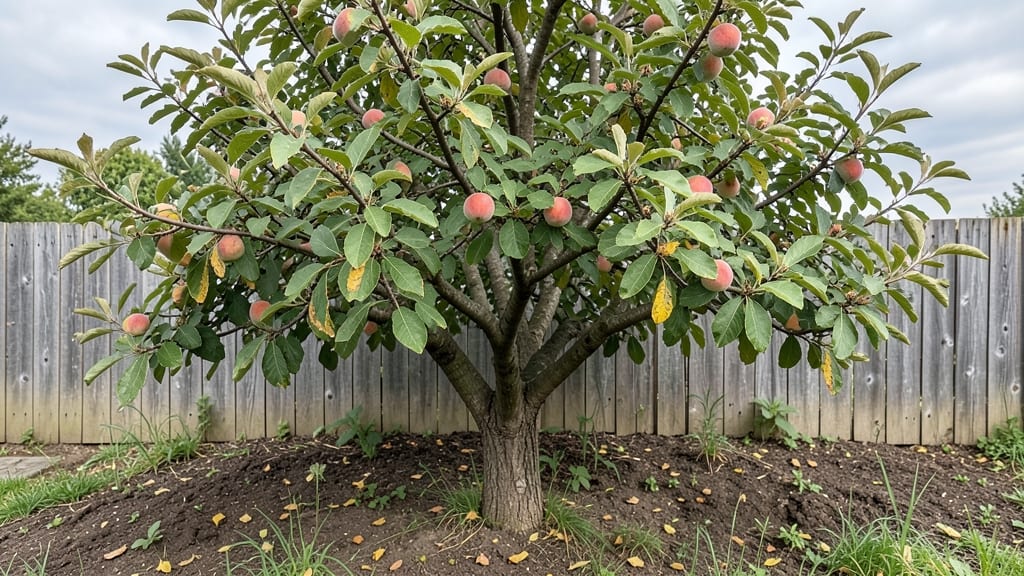
The Flordaprince peach tree thrives in the Pacific Northwest when you prune it right for winter—this late-blooming variety handles cold snaps better than most, but proper cuts are the difference between a 10-bushel harvest and a sad, bare branch.
I learned that the hard way after my first winter pruning left my tree looking like a sad, overgrown bush instead of the productive powerhouse it could be. The key isn’t just cutting back—it’s timing, angle, and knowing which branches to keep for next year’s fruit.
This tree rewards patience with juicy, freestone peaches that ripen in late July, but only if you give it the right winter prep.
You’ll need sharp pruners, a ladder (unless your tree is still small), and a disinfectant to clean tools between cuts—this variety is prone to bacterial canker if you’re not careful.
The best time to prune is late winter, just as buds begin to swell but before new growth starts. Focus on thinning out crowded branches, removing deadwood, and opening the center for airflow—this keeps diseases at bay and ensures sunlight reaches every fruit.
Most gardeners overlook the 30-degree angle cut just above a bud, but that small detail makes all the difference in how cleanly the wound heals.
After pruning, you’ll see bold new shoots by spring, each one a potential fruit-bearing branch. The Flordaprince’s late bloom means it avoids late frosts, but you’ll still want to mulch heavily around the base to protect roots from winter chill.
By summer, your tree will be bursting with leaves and setting fruit, with peaches that fall right off the tree when ripe—no need for picking tools. The payoff? A tree that produces year after year with minimal fuss, as long as you respect its winter needs.
This method works for both new plantings and established trees in zones 5-8, though Pacific Northwest gardeners will especially appreciate how well it handles our wet, mild winters.
If you’ve ever struggled with peach trees that either freeze or rot, this variety and these pruning tricks will change your luck. Let’s get those branches shaped for next year’s harvest—your future peach cobbler depends on it.
📚 In This Guide
- What you need
- Instructions
- Tips and common mistakes
- Wrapping up and next steps
What you need
- ● Pruning shears: Bypass pruners (sharp, 6–8" blades) for clean cuts on small branches.
- ● Loppers: Long-handled (24–36") for thicker branches (½"–1.5" diameter).
- ● Pruning saw: Curved-tooth or folding saw for branches >1.5" thick.
- ● Disinfectant: 70% isopropyl alcohol or bleach solution (1:9 ratio) to sterilize tools between cuts.
- ● Heavy-duty gloves: Cut-resistant, waterproof (e.g., blank">Felco or Husqvarna).
- ● Rubbing alcohol or hydrogen peroxide: 3% solution for cleaning wounds on the tree.
- ○ Tree wound dressing (optional but recommended): Pruning sealant (e.g., blank">Tanglefoot Tree Wound Pruning Seal) for large cuts.
- ● Ladder or step stool: Sturdy, extendable (reach up to 12–15' safely).
- ● Trash bags or bucket: For collecting debris (PNW winters mean wet, heavy branches!).
- ● Weather check: Prune on a dry, calm day (avoid frost or rain for 24–48 hours).
- ● Tree health assessment: Inspect for diseased or dead branches (look for brown, brittle wood or fungal growth).
- ● Safety gear: Eye protection (goggles) and long sleeves/pants (PNW thorns are no joke!).
- ● Map of the tree: Sketch or photo of branch structure to plan cuts (helps avoid over-pruning!).
- ● Extension pole: For hard-to-reach branches (e.g., Fiskars 36" Grabber).
- ● Sharpener: File or honing tool to keep blades razor-sharp mid-pruning.
- ● Compost bin: For chipping debris (peach tree wood makes great compost!).
- ● Marking twine: To flag branches for future reference or removal.
Step-by-Step pruning guide for Flordaprince peach trees in the Pacific Northwest
Here's how to winterize your Flordaprince peach tree for cold resilience and spring productivity.
Assess Tree Health and Identify Pruning Zones
Start by examining your Flordaprince peach tree in late winter, just as buds begin to swell but before new growth emerges. Look for dead, diseased, or crossing branches—these are your first targets. In the Pacific Northwest's damp climate, fungal diseases like brown rot thrive in dense canopies, so prioritize air circulation. Use clean, sharp pruning shears to make cuts at a 45-degree angle, just outside the branch collar where it meets the trunk.
Focus on removing branches that grow inward or rub against others, as these create wounds that invite infection. Thin out crowded areas to let sunlight penetrate the center of the tree. You'll see healthier buds along the outer branches—these are your future fruit-bearing zones. Remember, Flordaprince trees produce fruit on both old and new wood, so avoid over-pruning, which can reduce next year's harvest.
Remove Damaged and Weak Wood
Cut out any branches that show signs of winter damage—look for split bark, dead wood, or branches that have died back from frost. In the PNW, sudden cold snaps can blacken branches overnight, so remove these immediately. Also target water sprouts (fast-growing, vertical shoots) and suckers (shoots growing from the base or roots), as these divert energy from fruit production. Make your cuts just above an outward-facing bud to encourage proper regrowth.
For larger branches over ½ inch thick, use three-step pruning to prevent tearing: First, make an undercut about 1-2 inches below where you'll finish cutting. Then, cut above the undercut from the opposite side. Finally, remove the branch by twisting it gently outward. This technique prevents bark from tearing and reduces stress on the tree. After pruning, disinfect your tools with rubbing alcohol to prevent cross-contamination of diseases between cuts.
Thin the Canopy for Airflow and Light
Flordaprince peach trees thrive in open, well-ventilated canopies, especially in the PNW's humid climate. Aim to reduce the tree's overall density by 20-30% to improve airflow and sunlight penetration. Start by removing branches that grow straight upward, as these create shade and encourage fungal growth. Focus on thinning from the center outward, leaving a vase-like shape that allows light to reach the lower branches.
Watch for branches that grow at sharp angles—these are more prone to breaking under snow or wind loads. Instead, favor branches that grow at 45-60 degrees from the trunk. After thinning, step back and visualize the tree's structure. You should see an open center with sunlight filtering through to the ground. This not only promotes fruit development but also makes it easier to monitor for pests and diseases during the growing season.
Apply Wound Dressing and Monitor for Stress
Once pruning is complete, apply a thin layer of pruning sealant to larger cuts (over ½ inch thick) to protect against fungal infections and pests. Avoid overapplying, as excessive sealant can suffocate the wound and delay healing. For smaller cuts, leave them open to air—they'll heal faster without sealant. Water the tree deeply after pruning to help it recover from the stress of cutting.
Keep an eye on the tree in the weeks following pruning. If you notice excessive leaf drop, wilting, or oozing sap, the tree may be struggling. In the PNW, where winters can be unpredictable, consider wrapping the trunk with tree guard or burlap to protect it from late-season frost and rodent damage. Mulch the base with 2-3 inches of organic mulch, keeping it 6 inches away from the trunk to prevent rot and retain moisture.
Tips & tricks for pruning Flordaprince peach trees in the Pacific Northwest
Winter pruning is your Flordaprince peach tree's best defense against the Pacific Northwest's damp, disease-prone climate. Here's how to make every cut count for a stronger tree and better harvest.
Timing is Everything: The late winter window—just as buds begin to swell but before new growth emerges—is critical. In the PNW's unpredictable climate, this timing prevents stressing the tree too early when it's still dormant, while avoiding late pruning that can expose fresh cuts to spring rains and fungal spores. If you miss this window, wait until early spring, but be prepared to monitor for signs of stress like excessive leaf drop.
The 45-Degree Angle Secret: When making cuts in Step 1, that precise 45-degree angle just outside the branch collar isn't just aesthetic—it's essential for proper healing. The slanted cut helps water run off, preventing rot in the PNW's wet climate. I've seen too many trees develop cankers from improper cuts where water pools. Remember, the branch collar is that swollen area where the branch meets the trunk—never cut into it, as this creates wounds that never fully heal.
Three-Step Pruning for Large Branches: The three-step method for branches over ½ inch thick in Step 2 isn't just about preventing bark tearing—it's about minimizing stress on the tree. That 1-2 inch undercut you make first creates a clean break line. I learned this the hard way after seeing a large branch tear and split during removal, creating an open wound that took years to heal. This technique also helps you control the branch's weight as you remove it, reducing the risk of damaging nearby branches.
Canopy Density Math: That 20-30% reduction target in Step 3 might seem arbitrary, but it's based on real horticultural science. In the PNW's humid conditions, dense canopies trap moisture and create perfect conditions for fungal diseases like brown rot. To visualize this, imagine looking at your tree from above—you should see sunlight filtering through to the ground. If you can't see through the center, you're not thinning enough. This open structure also makes it easier to spot pests and diseases during the growing season.
Pro Tips for Flordaprince Peach Tree
- Winter pruning is your Flordaprince peach tree's best defense against the Pacific Northwest's damp, disease-prone climate.
- Timing is Everything: The late winter window—just as buds begin to swell but before new growth emerges—is critical.
- The 45-Degree Angle Secret: When making cuts in Step 1, that precise 45-degree angle just outside the branch collar isn't just aesthetic—it's essential for proper healing.
Frequently asked questions
Got questions about pruning your Flordaprince peach tree for winter survival in the Pacific Northwest? You’re not alone! Here are some common concerns—and their answers—to keep your tree thriving.
When is the best time to prune a Flordaprince peach tree in winter?
The ideal window is late winter to early spring (February–March) when the tree is still dormant but before buds swell. This timing minimizes stress and disease risk. Avoid pruning too early—cold snaps can damage exposed wood. Pro tip: If you miss the window, wait until spring after the last frost.
How do I protect my Flordaprince peach tree from PNW winters?
Flordaprince peaches are semi-dormant but still need care. Mulch the base with 3–4 inches of wood chips, and wrap the trunk with tree guard (remove in spring). Prune to improve airflow, reducing frost pockets. If heavy snow loads branches, gently shake them to prevent breakage.
What’s the biggest mistake people make when pruning Flordaprince peaches?
Over-pruning! These trees produce fruit on both old and new wood, so avoid cutting more than 25% of the canopy in one season. Another mistake? Pruning wet wood (after rain) or leaving jagged cuts—always use sharp tools and seal cuts with pruning sealant if needed.
Can I grow a Flordaprince peach tree in containers, or is it better in the ground?
While possible in large containers (20+ gallons), Flordaprince peaches thrive best in well-draining soil with full sun. Containers dry out faster and limit root growth, making winter survival harder. If you must pot it, use self-watering systems and move it to a sheltered spot in winter.
Why aren’t my Flordaprince peaches ripening, even after proper pruning?
Several factors could be at play:
- Insufficient sunlight (6+ hours daily is critical).
- Poor pollination—plant a second variety nearby (e.g., Redhaven).
- Nutrient deficiencies (test soil for nitrogen/phosphorus).
- Late frost damaging blossoms. Protect with frost cloth if frost is forecasted.
Wrapping up and next steps
Growing a Flordaprince peach tree in the Pacific Northwest is absolutely doable with the right winter pruning techniques! By following proper pruning steps—like thinning out dense branches, shaping for airflow, and protecting against frost—you’ll help your tree thrive for years to come. 🌱✂️
Now that you’re armed with the knowledge, roll up your sleeves and get pruning! Start with a fresh cup of coffee, grab your tools, and give your Flordaprince the care it deserves. Next up? Keep an eye on new growth in spring and adjust as needed—your tree will thank you with juicy, sweet peaches come summer!