Pruning
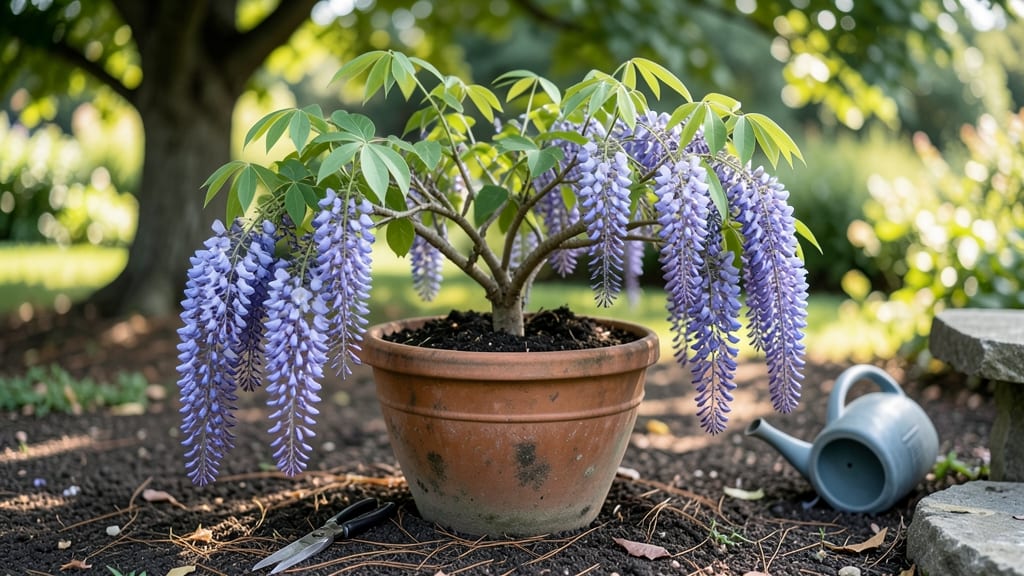
Growing a dwarf wisteria tree in the Pacific Northwest means waking up to fragrant lavender-blue cascades every spring—and with the right pruning, you can coax blooms even in winter’s quiet months. 🌿 I’ve watched my ‘Amethyst Falls’ wisteria go from a stubborn sapling to a showstopper after learning the PNW’s secret: pruning isn’t about cutting back, it’s about shaping the plant’s energy toward blooms, not vines.
Here’s the truth: dwarf wisterias thrive in 6-8 hours of sun, tolerate our damp winters, and reward patience with 10+ years of blooms if you prune correctly. The soil?
Rich but well-draining—amend heavy clay with compost, and avoid soggy spots. Water deeply once established, but never let it sit in wet soil, or those delicate roots will rebel.
With the right cuts—right after flowering and again in late winter—you’ll train the tree to produce longer, denser blooms each season. The key is thinning out old wood while encouraging new growth, so you’re not just hacking branches but sculpting a living masterpiece.
Think of it as gardening’s version of a haircut: less is more.
Pair it with ornamental grasses for texture or climbing roses for a romantic contrast, and your garden will feel like a secret PNW sanctuary. The best part? Once established, these trees need almost no summer maintenance—just a little love in the off-seasons. Let’s get those shears sharp!
📚 In This Guide
- What you need
- Instructions
- Tips and common mistakes
- Wrapping up and next steps
What you need
- ● Pruning shears: Bypass pruners (sharp, clean, and sterilized with rubbing alcohol). 2 pairs recommended—one for thick branches (4–6 mm capacity) and one for finer trimming.
- ● Loppers: Heavy-duty bypass loppers (rated for 20–25 mm branches) for thicker stems.
- ● Pruning saw: A folding pruning saw (with 8–10 teeth per inch) for stubborn, woody growth.
- ● Gloves: Heavy-duty gardening gloves (nitrile-coated for grip and protection against thorns).
- ● Disinfectant: 70% isopropyl alcohol or a pruning sealant (like Tanglefoot Tree Wound Pruning Seal) to prevent disease.
- ● Trash bags: 2–3 heavy-duty bags (for debris and pruned branches).
- ● Ladder or step stool: If your tree exceeds 6 feet, a stable, non-slip ladder (or a 3-step stool for smaller varieties).
- ● Water spray bottle: For dampening dust and cleaning tools mid-prune.
- ● Hand pruners with a magnifier: For precision trimming in tight spaces.
- ● Extension pole pruners: For high branches without a ladder.
- ● Tree tie or zip ties: To secure branches during shaping.
- ● Notebook & pencil: To sketch your pruning plan or track growth.
- ● Mulch: Organic mulch (like cedar chips) to protect roots post-pruning.
Step-by-Step pruning guide for Pacific Northwest dwarf wisteria
Transform your dwarf wisteria into a blooming powerhouse with these climate-tailored techniques.
✂️ Step 1: Time Your First Pruning for Late Winter Dormancy
Prune your dwarf wisteria in late February to early March when the plant is fully dormant but before new growth begins. This timing ensures you remove last year's blooms while preserving next season's flower buds, which form on old wood. Look for brown, leafless stems—this is your cue that the plant has entered its winter rest period.
Use clean, sharp pruning shears to make cuts just above a bud or lateral branch. Avoid leaving stubs longer than 1/4 inch, as these can rot and invite disease. I like to prune on a dry day when the air is crisp—this reduces stress on the plant and makes clean cuts easier. Remove any dead, crossing, or weak branches first, then shape the plant by thinning out crowded growth to improve airflow.
☀️ Step 2: Encourage Airflow and Sun Exposure After Blooming
Once your wisteria finishes blooming in late spring to early summer, focus on light structural pruning to maintain shape and encourage airflow. Remove any overly long, leggy branches that are growing away from the center of the plant, as these can block sunlight from reaching inner growth. Aim to keep the plant open and airy—this prevents fungal issues common in the Pacific Northwest's damp climate.
Thin out one-third of the oldest stems each year to promote new growth. These older stems produce the most vibrant blooms, but they need space to thrive. Watch for water sprouts (thin, upright shoots growing from the base or along branches)—these are energy vampires and should be removed completely. Prune these in early summer to redirect the plant's energy toward flower production.
🌿 Step 3: Light Summer Pruning to Shape and Stimulate Growth
In mid-to-late summer, give your wisteria a light maintenance trim to shape it and encourage bushier growth. Focus on pinching back the tips of new shoots to encourage branching. When you see a stem with 5-7 leaves, cut just above the 5th or 6th leaf to promote lateral growth. This technique creates a fuller, more compact plant that blooms more abundantly.
Remove any flower clusters that have faded but leave the seed pods intact until they turn brown and dry. These pods provide winter interest and protect the plant's energy stores. Avoid heavy pruning in summer—this can stimulate tender new growth that won't harden off before winter in the PNW's cool climate. Instead, focus on refining the plant's shape and removing only the most unruly branches.
⏰ Step 4: Final Pruning and Winter Preparation
In late fall, after the first frost but before hard freezes, do a light cleanup pruning. Remove any dead, diseased, or damaged branches and tidy up the plant's overall shape. This final trim helps the wisteria enter winter in good condition. Avoid heavy pruning now—you want the plant to focus on root development and bud formation for next year's blooms.
Mulch around the base of the plant with 2-3 inches of organic mulch (like shredded bark or wood chips) to protect roots from freeze-thaw cycles. Water deeply before the ground freezes to ensure the plant has enough moisture to sustain itself through winter. In the PNW's mild winters, your dwarf wisteria may even bloom sporadically in late winter if conditions are right—just another reason to keep it well-maintained year-round.
Tips & tricks for perfect Pacific Northwest dwarf wisteria pruning
Mastering the art of pruning your dwarf wisteria in the Pacific Northwest's unique climate makes all the difference between sporadic blooms and a year-round floral masterpiece.
Timing is Everything: The late February to early March window for Step 1 is critical because it aligns with the plant's natural dormancy cycle. I've learned the hard way that pruning too early can stimulate premature growth, while waiting too long risks missing the optimal bloom-preservation timing. Check for those brown, leafless stems as your visual cue—this is when the plant's energy is focused on root development rather than new shoots. In the PNW's mild winters, this timing can sometimes extend into early March, so don't rush the process.
Precision Cutting Technique: When making those 1/4-inch cuts above buds in Step 1, angle your pruning shears slightly away from the bud. This creates a natural water runoff channel that prevents rot. I've found that using a pair of bypass pruners (rather than anvil-type shears) gives cleaner cuts that heal faster. For thicker branches, make a second cut just outside the branch collar—the swollen area where the branch meets the trunk—to avoid damaging the plant's protective tissues. This technique reduces the risk of disease entry points that are especially problematic in the Pacific Northwest's damp climate.
Seasonal Pruning Strategy: The one-third stem thinning in Step 2 creates an open, airy structure that's essential for preventing fungal issues in our region's humid summers. I recommend marking the stems you'll remove with colorful ribbon before cutting—this visual cue helps you maintain that crucial one-third ratio. For water sprouts in early summer, don't hesitate to remove them completely down to their base. These aggressive vertical growers divert energy away from flower production, and the PNW's cool summers actually make them more persistent than in warmer climates.
Late Season Preparation: That 2-3 inch organic mulch layer in Step 4 serves double duty—it insulates roots from freeze-thaw cycles while slowly releasing nutrients as it breaks down. I've had the most success with cedar chips, which naturally repel pests common in our region. Before applying mulch, give the soil a final watering to ensure the plant has moisture reserves through winter. This pre-freeze hydration is particularly important in the PNW's variable winter weather patterns, where we can experience both rain and hard freezes within weeks.
Pro Tips for Dwarf Wisteria Tree
- Mastering the art of pruning your dwarf wisteria in the Pacific Northwest's unique climate makes all the difference between sporadic blooms and a year-round floral masterpiece.
- Timing is Everything: The late February to early March window for Step 1 is critical because it aligns with the plant's natural dormancy cycle.
- Precision Cutting Technique: When making those 1/4-inch cuts above buds in Step 1, angle your pruning shears slightly away from the bud.
Frequently asked questions
When is the best time to prune my dwarf wisteria for blooms?
Prune your dwarf wisteria right after flowering (late spring to early summer) to encourage next year’s blooms. Avoid heavy cuts in fall—this plant blooms on old wood, so pruning too late can reduce flowers. Light shaping in late winter (before buds swell) is fine, but keep it minimal!
How do I protect my dwarf wisteria from PNW winters?
Dwarf wisteria is hardy (USDA Zones 5-9), but young plants or harsh winters may need help. Mulch heavily around the base with wood chips or straw, and wrap the trunk with burlap if temps dip below 10°F. Avoid heavy pruning in winter—wait until spring to assess damage.
Why isn’t my dwarf wisteria blooming as much as I hoped?
Bloom issues often stem from over-pruning or poor sunlight. Ensure it gets 6+ hours of sun daily and prune sparingly. If blooms are sparse, feed with a balanced fertilizer (10-10-10) in early spring and avoid cutting back old wood where flowers form.
What pests or diseases should I watch for in PNW dwarf wisteria?
Keep an eye out for aphids, spider mites, or powdery mildew—common in damp PNW climates. Treat aphids with a soapy water spray; mites thrive in dry conditions, so water deeply during droughts. For mildew, prune for airflow and apply neem oil preventatively in spring.
Can I grow dwarf wisteria in a container, or does it need ground planting?
Yes! Dwarf wisteria thrives in 15+ gallon containers with drainage holes. Use a well-draining potting mix and repot every 2–3 years. Place containers in full sun and water when the top inch of soil is dry. Just know: container-grown plants may bloom less vigorously than in-ground specimens.
How aggressive should I be with pruning to keep it compact?
Dwarf wisteria stays small naturally, but light pruning (removing 1/3 of old growth annually) keeps it tidy. Avoid shearing—it encourages leggy growth. Focus on thinning out crowded stems and shaping after blooms fade for a bushier look.
Wrapping up and next steps
Transforming your dwarf wisteria tree into a year-round blooming masterpiece is totally within reach—especially with the Pacific Northwest’s mild climate on your side! 🌸 By mastering the art of seasonal pruning, you’ll not only encourage lush, fragrant flowers but also keep your tree healthy and vibrant.
Start small, stay consistent, and watch your garden come alive with cascading beauty.
Ready to take the next step? Grab your pruners, mark your calendar for the next pruning window, and give your dwarf wisteria the love it deserves. Your future blooms will thank you!