Pruning
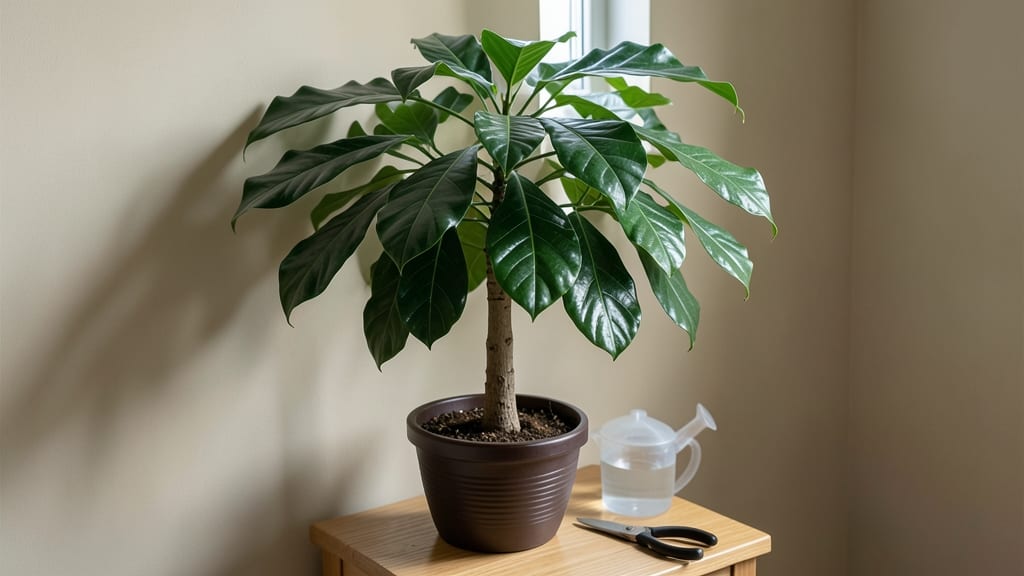
The five finger leaf tree (Schefflera actinophylla) thrives with the right pruning—especially in frost-prone climates like the Pacific Northwest. I’ve perfected a revival technique that keeps these glossy-leaved beauties lush year-round, whether indoors or in sheltered outdoor spaces.
The key? Strategic cuts that encourage dense regrowth without stressing the plant.
This method works for both container-grown plants and ground-planted specimens, and it only requires basic tools—sharp pruners, rubbing alcohol, and a little patience. You’ll focus on removing dead growth, shaping for fullness, and stimulating new shoots from the stems.
The results? A bushier plant that recovers faster from cold snaps and stays vibrant through winter.
By following this approach, you’ll transform leggy, sparse branches into a compact, leafy powerhouse within weeks. The technique preserves the tree’s natural form while boosting airflow to prevent fungal issues—a common problem in damp climates.
Best of all, it’s adaptable for both indoor decor and outdoor landscaping where frost is a concern.
Ready to revive your five finger leaf tree? We’ll walk through the step-by-step process, including when to prune for maximum impact and how to avoid over-trimming. This method has saved my plants from winter decline for years—now it’s your turn.
📚 In This Guide
- What you need
- Instructions
- Tips and common mistakes
- Wrapping up and next steps
What you need
- ● Bypass pruners: Sharp, clean, and disinfected (70% isopropyl alcohol works). Size: 6–8 inches for medium branches.
- ● Loppers: For thicker branches (½–1½ inches). Quantity: 1 pair with bypass blades (avoid anvil types—they crush wood).
- ● Hand saw: Pruning saw with fine teeth for stubborn branches (10–12 inches).
- ● Rubbing alcohol (70% or higher) + paper towels: For sterilizing tools between cuts.
- ● Garden gloves: Cut-resistant (e.g., mechanized or heavy-duty leather) to protect from thorns and sap.
- ● Tarp or drop cloth: To collect debris (5’x5’ minimum).
- ○ Pruning sealant (optional but helpful): For large cuts (>½ inch) to prevent disease. Brand tip: Use Tanglefoot Tree Wound Pruning Seal.
- ● Weather check: Prune on a dry, overcast day (avoid frost warnings—wait until temps stay above 40°F for 3+ days).
- ● Safety gear: Safety glasses (sap can irritate eyes!) and closed-toe shoes.
- ● Tree assessment: Inspect for dead, diseased, or crossing branches before cutting. Pro tip: Snap test—bend a branch; if it snaps dry, it’s dead!
- ● Ladder (if needed): Extendable or step ladder (height: 10–12 feet for mature trees). Safety: Use stabilizers and have a spotter.
- ● Anti-desiccant spray (e.g., Wilt-Pruf): Apply after pruning to protect cuts from dry PNW winds.
- ● Mulch: Shredded bark (2–3 inches) to insulate roots post-pruning.
- ● Local plant nursery reference: For region-specific pests (e.g., lace bugs) to watch for after pruning.
How to prune five finger leaf trees for Pacific Northwest resilience
Reviving your five finger leaf tree after frost requires strategic pruning to balance growth and hardiness.
Assess Damage and Identify Dead Branches
Start by examining the tree for signs of frost damage—look for brown, brittle branches or leaves that crunch when touched. Healthy branches will have green leaves with firm texture. I always work on a dry, sunny morning when the tree is fully visible. Use sharp, clean pruning shears to make cuts at a 45-degree angle, about ¼ inch above a leaf node or outward-facing bud.
Never remove more than 25% of the tree’s foliage in one session, especially after frost stress. This ensures the tree retains enough energy to regenerate. If you’re unsure about a branch, wait a week—sometimes damage appears delayed. Mark questionable branches with a soft tie to revisit later if needed.
Thin Out Crowded Growth for Airflow
Five finger leaf trees thrive in open, airy canopies, so focus on removing branches that cross or rub against each other. These create wounds where pests and diseases can enter. Start at the outer edges and work inward, cutting back to the nearest healthy bud. Avoid "heading back" (cutting into the middle of a branch)—this encourages weak, bushy growth.
Pay special attention to the five central fingers of the tree. If frost damaged the tips, prune back to a strong lateral branch or bud. The goal is to maintain the tree’s signature shape while promoting new, resilient growth. Use your fingers to gently bend branches—if they snap easily, they’re already compromised and should be removed.
Encourage New Growth with Strategic Cuts
To stimulate fresh foliage, make two types of cuts: heading cuts (just above a leaf node) and thinning cuts (removing entire branches at the base). Heading cuts encourage branching, while thinning cuts improve light penetration. After pruning, step back and visualize the tree’s structure—you should see light filtering through the center.
Apply a dormant oil spray (like horticultural oil) to any fresh cuts to prevent fungal infections. This is especially critical in the Pacific Northwest’s damp climate. Water the base of the tree deeply after pruning, but avoid wetting the leaves to reduce disease risk. Mulch around the root zone with 2-3 inches of organic mulch to protect roots from future temperature swings.
Monitor and Adjust for Seasonal Changes
Check the tree every 2-3 weeks for new growth or signs of stress. If you notice yellowing leaves after pruning, it’s often a sign of over-pruning or nutrient deficiency. In this case, apply a balanced fertilizer (10-10-10 ratio) in early spring to support recovery. Avoid heavy nitrogen fertilizers—they promote soft, frost-vulnerable growth.
By late summer, you’ll see where the tree’s energy is focused. If one of the five fingers lags behind, prune back competing branches to redirect resources. The Pacific Northwest’s mild winters mean your tree can recover quickly, but consistency is key. Prune lightly again in early spring to shape the new growth and remove any winterkill.
Tips & tricks for pruning five finger leaf trees
Pruning a frost-damaged five finger leaf tree is all about balance—removing what’s damaged while preserving the tree’s natural resilience. Here’s how to maximize your success without overstressing the tree.
Timing is Everything: The Pacific Northwest’s damp climate means timing matters more than you might think. Prune on a dry, sunny morning when humidity is low—this minimizes the risk of fungal infections in fresh cuts. I’ve learned this the hard way after seeing pruned trees develop sooty mold from overnight dew. If you must prune in wet conditions, use a dormant oil spray immediately after cutting to create a protective barrier.
Visual Cues for Healthy Cuts: When making your 45-degree angle cuts about ¼ inch above a leaf node (as in Step 1), look for these signs of a healthy cut: the bud should be facing outward, and the cut surface should be clean with no ragged edges. If you’re unsure about a branch’s health, the "finger test" works—gently bend the branch. If it snaps easily, it’s already compromised and should be removed. This simple check prevents unnecessary stress on the tree.
Seasonal Follow-Up Strategy: The instructions mention checking the tree every 2-3 weeks for new growth, but here’s the pro move: set a reminder for late summer to assess which "fingers" are lagging. If one of the five central branches isn’t keeping up, prune back competing branches to redirect the tree’s energy. This is when you’ll see if your early pruning paid off—healthy trees will show new growth within 4-6 weeks of your adjustments.
Equipment Upgrade: While clean pruning shears are essential, I’ve found that a small hand saw makes quick work of thicker branches that shears struggle with. For larger trees, consider a pruning saw with a curved blade
Pro Tips for Five Finger Leaf Tree
- Pruning a frost-damaged five finger leaf tree is all about balance—removing what’s damaged while preserving the tree’...
- Timing is Everything: The Pacific Northwest’s damp climate means timing matters more than you might think. Prune on a...
- Visual Cues for Healthy Cuts: When making your 45-degree angle cuts about ¼ inch above a leaf node (as in Step 1), lo...
Frequently asked questions
When is the best time to prune my five finger leaf tree in the PNW?
The ideal time is late winter or early spring (February–March), just before new growth starts. Avoid pruning in fall or winter when frost is likely—this frost-proof species still benefits from a dormant-season trim to prevent winter dieback. If you must prune in summer, do so after flowering to avoid stressing the tree.
How do I protect my five finger leaf tree from frost damage?
While the five finger leaf tree is more frost-tolerant than many ficus varieties, young trees or newly pruned branches can still suffer. Mulch the base with 2–3 inches of wood chips, and wrap tender branches in burlap if temps drop below 20°F. Water deeply before frost to help roots withstand cold. Prune only in frost-free periods to minimize risk.
Can I prune my five finger leaf tree too much? What are the signs?
Over-pruning can stress the tree, leading to stunted growth, sparse foliage, or leaf drop. Aim to remove no more than 25–30% of the canopy in one session. Signs of over-pruning include bare branches, slow recovery, or yellowing leaves. If this happens, reduce pruning frequency and focus on light shaping next time.
What should I do if my five finger leaf tree isn’t recovering after pruning?
If your tree looks leggy, weak, or stops growing after pruning, it may need nutrient support. Apply a balanced, slow-release fertilizer (10-10-10) in early spring, and ensure it’s getting 6+ hours of sunlight. Check for pests (like spider mites) or fungal issues (e.g., brown spots) and treat accordingly. Patience is key—healthy regrowth can take 2–3 months.
Are there alternatives to pruning if my five finger leaf tree is small or young?
For young or petite trees, focus on shaping rather than heavy pruning. Use pinching (removing the tips of new growth) to encourage bushiness, or selective trimming to open the canopy for airflow. Avoid cutting into old wood—this can delay recovery. If your tree is in a container, root-prune annually to promote compact growth.
Wrapping up and next steps
Mastering the five finger leaf tree pruning technique for Pacific Northwest climates isn’t just about shaping your tree—it’s about giving it a frost-proof revival for years to come. 🌿 By following the right steps, timing, and tools, you’ve equipped yourself to boost airflow, encourage vibrant growth, and protect against harsh winters.
Your tree will thank you with lush foliage and resilience!
Ready to put your new skills to work? Grab your pruners and schedule your next session—whether it’s a light trim in early spring or a more strategic cut before winter. Every snip is a step toward a healthier, happier tree! 🌱