Pruning
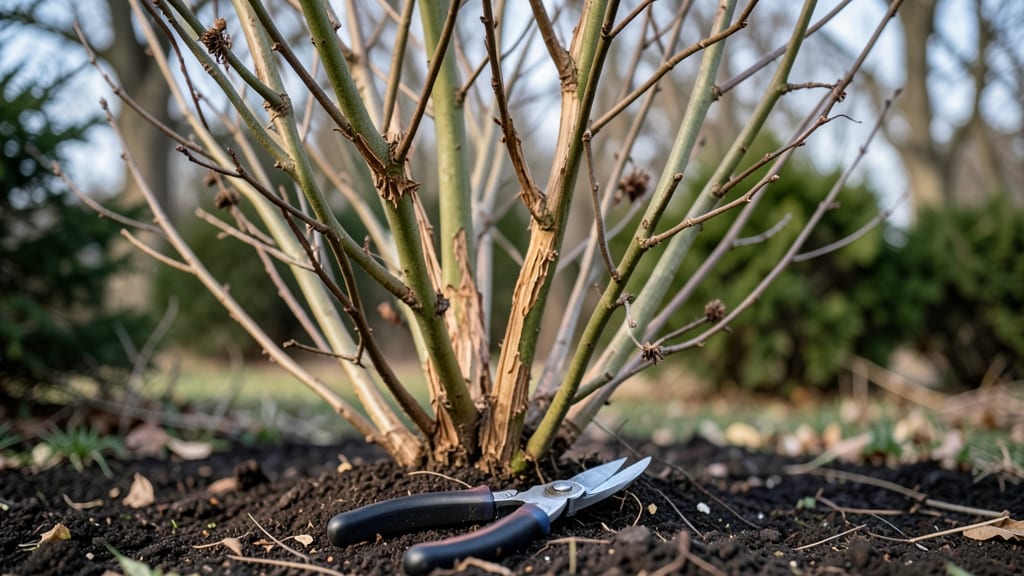
Pruning ninebark trees the right way transforms a scraggly shrub into a lush, multi-stemmed showstopper that blooms reliably for years. I’ve turned my own ninebark from a tangled mess into a neighborhood standout—all by mastering the timing, cuts, and seasonal rhythm of this hardy plant.
The key? Pruning isn’t just about shaping; it’s about encouraging that signature peeling bark and dense foliage that makes ninebark so special.
You’ll need just three basic tools: sharp bypass pruners for clean cuts, loppers for thicker stems, and a small pruning saw if you’re dealing with stubborn branches.
Timing matters most—late winter or early spring is prime time to remove dead wood and shape the shrub before new growth kicks in. Avoid cutting after mid-summer, or you risk stunted blooms next season. My first mistake? Pruning in August. Lesson learned: patience pays off.
After pruning, your ninebark will reward you with fresh green shoots within weeks, and those peeling bark layers will become even more dramatic.
The goal is to create an open, airy structure that lets sunlight reach all stems—this is what triggers those vibrant blooms and keeps the plant healthy for decades. Just remember: never remove more than 25% of the foliage in one go, or you’ll shock the shrub.
Works for both young plants and mature shrubs, whether you’re shaping a new ninebark or rejuvenating an overgrown one. Let’s get those branches looking intentional—and keep that peeling bark looking its best.
📚 In This Guide
- What you need
- Instructions
- Tips and common mistakes
- Wrapping up and next steps
What you need
- ● Bypass pruning shears – Sharp, clean blades (7-9" length) for small branches (¼" to ¾" diameter). Pro tip: Test sharpness by slicing a paper strip—if it tears, sharpen first! ✨
- ● Loppers – Bypass or anvil type (18-24" handles) for medium branches (¾" to 2" diameter). Look for ratcheting models for easier leverage.
- ○ Pruning saw – Curved-tooth saw (10-14" blade) for thick branches (2"+ diameter). Optional: Bow saw for larger limbs.
- ● Gloves – Heavy-duty, cut-resistant gloves (e.g., mechanics or gardening gloves) to protect hands from thorns and splinters.
- ● Disinfectant (70% isopropyl alcohol or bleach solution) – 1 part bleach to 9 parts water—to sterilize tools between cuts and prevent disease spread.
- ● Heavy-duty trash bags or bucket – For collecting pruned branches (5+ gallon capacity recommended).
- ● Step stool or ladder – Sturdy, non-slip (e.g., foldable garden stool or extension ladder) for reaching higher branches safely.
- ● Hand pruners with crimping sealant – For larger cuts (¾"+) to reduce sap bleeding and disease entry.
- ● Pruning paint or wound dressing – Sealant for cuts larger than ½" diameter (e.g., tree wound pruning paste).
- ● Work apron with pockets – Keeps tools organized and hands free.
- ● Safety glasses – Protects eyes from debris, especially when using a saw.
- ● Spray bottle with water – Dampen tools occasionally to reduce friction and heat buildup.
- ● Check weather – Prune on a dry, calm day (avoid wind or rain).
- ● Wear long sleeves/pants – Ninebark thorns are sharp!
- ● Review your ninebark’s growth habit – Sketch a rough plan for cuts (e.g., open center vs. vase shape).
- ● Have a buddy nearby – Especially if using a ladder or working with large branches.
Instructions for pruning ninebark trees
Here’s how to shape and revitalize your ninebark with seasonal cuts that encourage lush, healthy growth.
Prune in Late Winter or Early Spring
Ninebark responds best to pruning when it’s still dormant but before new growth begins—typically between late February and early March. This timing ensures you remove dead or weak branches without disrupting the plant’s energy reserves for the season. Look for branches that are brown, brittle, or crossing others; these are your first targets.
Use clean, sharp pruning shears to make cuts just above a bud or branch collar (the swollen area where the branch meets the trunk). Avoid leaving stubs, as they invite disease. If a branch is thicker than ½ inch, switch to loppers for a smoother cut. You’ll know you’re doing it right when the cut is clean and the remaining bud faces outward.
Thin Out Crowded Branches in Early Summer
After the first flush of new growth in late May or June, focus on thinning out crowded or rubbing branches. Ninebark naturally grows in a multi-stemmed shrub form, but over time, branches can compete for sunlight and air circulation. Remove 10-20% of the oldest or thickest branches to improve airflow and reduce disease risk.
Make your cuts at the base of the branch, just outside the branch collar. This encourages the plant to redirect energy to the remaining stems, resulting in thicker, bushier growth. If you notice any yellowing leaves or signs of stress, prune those branches immediately—they’re likely struggling due to poor circulation or disease.
Lightly Shape in Mid-to-Late Summer
In July or August, give your ninebark a light shaping trim to maintain its form and encourage new growth for the following year. Focus on deadheading spent flowers (if applicable) and trimming back any overly long or leggy branches by ⅓ of their length. This keeps the shrub compact and prevents it from becoming top-heavy.
Avoid heavy pruning at this stage—ninebark blooms on old wood, so aggressive cuts now can reduce next year’s flowers. Instead, use your shears to refine the shape and remove any branches that are growing inward or crossing others. You’ll notice the plant looking fuller and more balanced within a few weeks.
Clean Up in Fall
As the growing season winds down in October or November, do a final cleanup by removing any dead, diseased, or broken branches. Ninebark sheds its leaves naturally, but you can trim back any remaining foliage that looks ragged or unsightly. This keeps the shrub tidy and reduces the risk of pests or diseases overwintering in debris.
Rake up and dispose of any fallen leaves or pruned branches from around the base of the plant. A 3-inch layer of mulch (if you have it) helps protect the roots from freezing temperatures. By late fall, your ninebark should look refreshed and ready to rebound with vigorous growth in spring.
Tips & tricks for perfect ninebark tree pruning
These simple tricks will help you prune your ninebark like a pro, ensuring your shrub stays healthy and vibrant year after year.
Timing is Everything: The late February to early March window for Step 1 is crucial—this is when ninebark is fully dormant but just before new growth begins. If you prune too early, you risk damaging buds that haven't opened yet. I always check for the first signs of bud swell in my area before starting. This timing gives your plant the best chance to recover and grow strong for the season.
Tool Selection Matters: Using the right tool makes all the difference, especially when working with branches thicker than ½ inch. I keep both pruning shears and loppers handy—shears for smaller branches and loppers for thicker stems. Always clean your tools with rubbing alcohol before and after use to prevent spreading disease between cuts. A sharp tool makes cleaner cuts that heal faster.
Branch Collar Awareness: In Step 2 and Step 3, making cuts just outside the branch collar is more important than you might think. The collar is that swollen area where the branch meets the trunk, and cutting here helps the wound seal properly. If you accidentally cut into the collar, the plant may never fully heal in that spot. I like to visualize the collar as a natural barrier—cutting outside it preserves this protective ring.
Seasonal Attention to Detail: During the light shaping in Step 3, pay special attention to branches growing inward—they'll eventually rub against each other and create wounds where disease can enter. I make it a habit to step back and look at the plant from all angles before making any cuts. This 360-degree view helps me spot problem branches I might have missed otherwise. The goal is to create an open center that allows sunlight to reach all parts of the shrub.
Pro Tips for Ninebark Tree Pruning
- These simple tricks will help you prune your ninebark like a pro, ensuring your shrub stays healthy and vibrant year ...
- Timing is Everything: The late February to early March window for Step 1 is crucial—this is when ninebark is fully do...
- Tool Selection Matters: Using the right tool makes all the difference, especially when working with branches thicker ...
Frequently asked questions
Got questions about keeping your ninebark tree in tip-top shape? You’re not alone! Here are some of the most common concerns—plus clear, actionable answers to help you prune like a pro.
When is the best time to prune a ninebark tree?
The ideal time to prune ninebark is late winter or early spring (just before new growth starts) to encourage vibrant blooms and bushier foliage. You can also do a light trim in summer to shape the tree, but avoid heavy cuts then—it may stress the plant. Pro tip: Never prune in fall, as it can leave cuts vulnerable to disease over winter.
How often should I prune my ninebark?
For healthy growth, prune your ninebark once a year (early spring) to remove dead, diseased, or crossing branches. If your tree gets leggy, a second light pruning in late summer can help maintain its shape. Over-pruning (more than 1/3 of the foliage) can weaken the plant, so keep cuts minimal.
Can I prune ninebark in fall? What are the risks?
Pruning ninebark in fall isn’t recommended because fresh cuts won’t heal before winter, making the tree susceptible to rot, pests, or fungal infections. If you spot dead branches in fall, snip them off—but wait for spring for major shaping. Think of it like: You wouldn’t trim your hair right before a blizzard—wait for warmer weather!
What if my ninebark isn’t blooming after pruning?
Ninebark blooms on old wood, so avoid heavy pruning of last year’s growth. If it’s not flowering, check for:
- Over-pruning (cut back to 1–2 feet from the ground to stimulate new blooms).
- Poor sunlight (ensure 6+ hours of sun daily).
- Nutrient deficiency (add compost or a balanced fertilizer in early spring).
Do I need special tools to prune ninebark?
Not necessarily! Basic tools like bypass pruners (for small branches) or loppers (for thicker stems) work great. For larger ninebarks, a pruning saw may be needed. Sterilize tools with rubbing alcohol between cuts to prevent spreading disease. No fancy gear? Even sharp hand pruners can do the job—just take your time!
Wrapping up and next steps
Pruning your ninebark tree doesn’t have to be intimidating—just a little timing, technique, and tenderness 🌿! By following seasonal best practices, you’ll encourage lush foliage, vibrant blooms, and a stronger structure. Whether you’re trimming for shape, rejuvenation, or health, your efforts will pay off with a thriving, bushier tree.
Ready to give your ninebark the care it deserves? Grab your pruners, mark your calendar, and get started today—your tree will thank you with stunning growth all season long!