Pruning
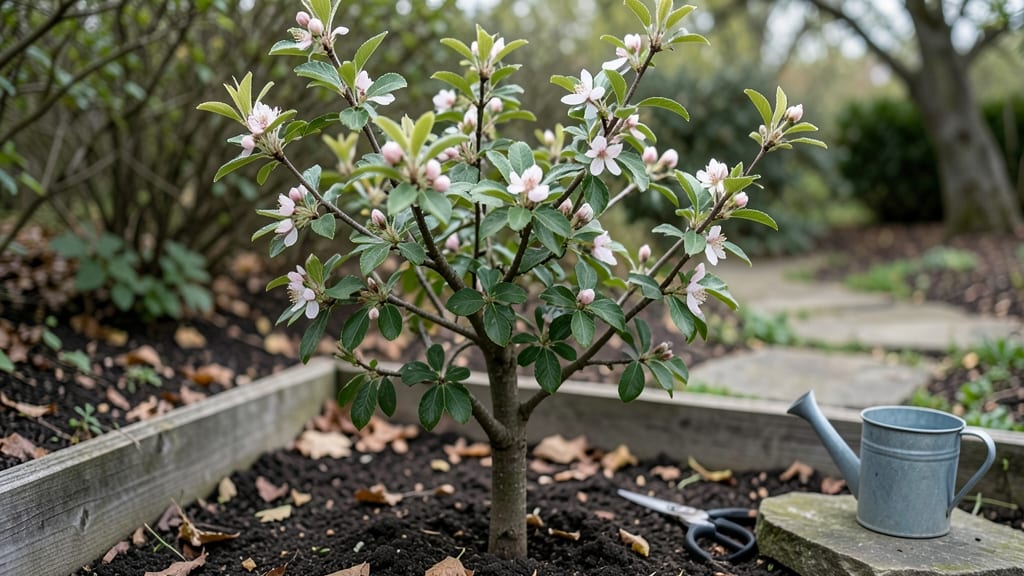
Layered pruning turns your Southern crab apple tree into a four-season showstopper, with fragrant spring blooms, summer shade, crisp fall fruit, and winter interest. 🌱 I learned the hard way that skipping this step means missing out on the tree's full potential—my first attempt left it looking ragged by summer.
The secret is timing: prune when the tree is dormant, then again after harvest, and lightly shape throughout the growing season.
This technique works because Southern crab apples (Malus angustifolia) are built for layered care—they reward precise pruning with more fruit, better air circulation, and stunning form. You'll need basic tools: sharp pruners, a saw for thicker branches, and a pair of gloves for the occasional thorn.
The process takes about 2-3 hours per season, but the payoff is a tree that produces fruit year after year without fail.
What you end up with is a tree that looks like a postcard in every season: snow-white blossoms in spring, glossy green leaves all summer, and clusters of tart-sweet apples that birds adore but rarely beat you to.
The fruit stays on the branches well into winter, providing food for wildlife and a striking silhouette against the sky. Plus, the layered approach keeps the tree healthy longer—my 10-year-old specimen still produces like it's five.
Perfect for Southern gardens where heat and humidity can stress other fruit trees. The pruning method adapts to container growing too, making it ideal for urban spaces. Here's how to get started without overcomplicating it—your tree (and your neighbors) will thank you.
📚 In This Guide
- What you need
- Instructions
- Tips and common mistakes
- Wrapping up and next steps
What you need
- ● Pruning Shears: Bypass pruners (sharp, 2-4 inch blade) for small branches (¼ inch thick).
- ● Loppers: 6-8 inch bypass loppers for medium branches (½–1½ inch thick).
- ● Pruning Saw: 10–12 inch curved-tooth saw for thick branches (1½+ inch thick).
- ● Disinfectant: 70% isopropyl alcohol or bleach solution (1 part bleach : 9 parts water) to sterilize tools.
- ● Gloves: Heavy-duty leather or nitrile-coated gloves (protects from thorns and sap).
- ● Safety Gear: Safety glasses and long sleeves (for branch debris and sap protection).
- ○ Pruning Sealant: Optional but recommended for large cuts (e.g., tree wound dressing to prevent disease).
- ● Marking Twine or Tape: For tagging branches to prune (if layering cuts).
- ● Wheelbarrow or Bucket: 5-gallon size for collecting debris.
- ● Ladder or Step Stool: Sturdy, 12+ foot extension for tall trees (or a cherry picker for safety).
- ● Pruning Paint: For sealing cuts on older trees (e.g., copper-based or latex paint).
- ● Tree Bag or Tarps: To collect fallen fruit/blooms for composting or crafts.
- ● Notebook & Pen: To sketch your pruning plan or track growth layers.
- ● Extension Pole Pruners: For high branches without a ladder (10–15 foot reach).
- ● Compost Bin: If repurposing pruned branches for mulch or firewood.
Step-by-Step guide for layered pruning of Southern crab apple trees
This method keeps your tree healthy, productive, and beautiful—no fancy tools needed.
✂️ Step 1: Prune for Airflow in Late Winter
Start in late February or early March before buds swell but while the tree is still dormant. Remove dead, crossing, or diseased branches first—these are easy to spot since they’re brown or have no leaves. I always cut these back to a healthy outward-facing bud using clean, sharp pruners. You’ll notice the tree’s structure becomes clearer as you go.
Next, thin out 10-15% of the canopy to improve airflow. Look for branches growing inward or rubbing against others—these compete for sunlight and energy. Cut these back to a side branch or bud that faces outward. This step prevents fungal diseases and encourages stronger growth later in the season.
☀️ Step 2: Light Summer Pruning After Fruit Drop
Wait until June or July, after the fruit has fallen but before new growth hardens. This is the best time to shape the tree for year-round interest. Remove any sucker growth (those vigorous shoots sprouting from the base or trunk) immediately—they drain energy from the main tree. Cut these at the base with clean pruners.
Now, focus on selective thinning to open up the center of the tree. Aim to remove branches that block light from reaching the interior. You’ll see the tree’s branches spread more evenly, which helps both fruit production and blooms. Never remove more than 25% of the canopy in one session—this stresses the tree.
✂️ Step 3: Refine Structure in Early Fall
Head back outside in October, after the leaves have fallen but before hard frosts. This final pruning session is about fine-tuning the tree’s shape and preparing it for winter. Remove any weak or dying branches—these look brittle or have fewer leaves than healthy growth. Cut these back to a strong lateral branch or bud.
If your tree has water sprouts (fast-growing, vertical shoots), trim these back by one-third to encourage a bushier form. You’ll notice the tree’s silhouette becomes more balanced and open, which helps with both fruit production and winter hardiness. Avoid heavy pruning now—just light shaping to avoid stimulating late-season growth that won’t harden off before winter.
🌱 Step 4: Post-Pruning Care for Recovery
After each pruning session, water deeply to help the tree recover. Southern crab apples are drought-tolerant once established, but pruning creates fresh wounds that need hydration. Apply a 2-3 inch layer of mulch (like wood chips) around the base, keeping it 6 inches away from the trunk to prevent rot. This helps retain moisture and regulates soil temperature.
Keep an eye out for sap oozing from fresh cuts—this is normal and will dry up in a few weeks. If you notice blackened edges on larger cuts, it’s a sign of infection. In that case, apply pruning sealant to those spots to protect the tree. With proper care, your tree will bounce back stronger, ready for another cycle of blooms and fruit.
Tips & tricks for perfect Southern crab apple tree pruning
Here's what nobody tells you about keeping your crab apple tree thriving through all four seasons.
Timing is Everything: The late February/March window for Step 1 is critical—pruning too early can stimulate early growth that gets damaged by late frosts, while waiting too late risks disturbing the tree's winter dormancy. I've seen trees stressed when pruned after buds begin to swell, so mark your calendar now for next year!
Branch Selection Strategy: When thinning in Step 2, prioritize branches that cross or rub against others—they create wounds that invite disease. Look for branches growing at narrow angles (less than 45 degrees) to the trunk or main branches, as these are more likely to break in storms. Cutting these back to outward-facing buds creates a stronger structure.
Fall Pruning Precision: In Step 3, focus on removing water sprouts by one-third rather than completely. This maintains the tree's natural shape while encouraging bushier growth. I've noticed that completely removing water sprouts can sometimes stimulate even more vigorous regrowth, so partial pruning achieves better balance.
Tool Maintenance Tip: Clean your pruners between cuts with rubbing alcohol or a bleach solution (1 part bleach to 10 parts water) to prevent spreading disease. I keep a small bottle of rubbing alcohol in my tool bag—just wipe down blades after each cut, especially when dealing with diseased branches in Step 1.
Pro Tips for Southern Crab Apple Tree
- Here's what nobody tells you about keeping your crab apple tree thriving through all four seasons.
- I've seen trees stressed when pruned after buds begin to swell, so mark your calendar now for next year!
- Branch Selection Strategy: When thinning in Step 2, prioritize branches that cross or rub against others—they create wounds that invite disease.
Frequently asked questions
Got questions about growing and pruning your Southern Crab Apple Tree? You’re not alone! Here are answers to the most common queries to help you keep your tree thriving all year long.
When is the best time to prune my Southern Crab Apple Tree for fruit and blooms?
The ideal time to prune is late winter or early spring (before buds break) to encourage strong blooms and fruit production. However, you can also do light pruning in summer to remove dead wood or shape the tree. Avoid heavy pruning in fall, as it can stimulate late-season growth vulnerable to frost damage.
How do I know if I’m pruning too much or too little?
For Southern Crab Apples, aim to remove no more than 20-25% of the tree’s canopy per year. Signs of over-pruning include sparse foliage, weak growth, or excessive water sprouts. If your tree looks too bare, you’ve likely pruned too much. Too little? Look for crowded branches, poor airflow, or reduced fruit/bloom quality.
Why are my Southern Crab Apple Tree’s leaves turning yellow or dropping early?
Yellowing leaves or early leaf drop often signal nutrient deficiencies, pests, or disease. Check for:
- Iron deficiency (yellow leaves with green veins) – amend soil with iron chelate.
- Fire blight (blackened, oozing branches) – prune infected areas 6 inches below damage and sterilize tools.
- Spider mites or aphids – spray with neem oil or insecticidal soap.
If the issue persists, test your soil pH (ideal: 6.0–7.0) and adjust as needed.
Can I grow Southern Crab Apples in containers, or do they need to be planted in the ground?
While Southern Crab Apple Trees can grow in containers, they’re best suited for in-ground planting due to their size (15–25 ft tall) and root system. If container-grown, use a large pot (at least 24” wide), well-draining soil, and repot every 2–3 years. Note: Fruit production may be limited in containers compared to ground-planted trees.
What’s a good alternative if I want a low-maintenance fruit tree with similar blooms?
If Southern Crab Apples seem high-maintenance, consider these low-maintenance alternatives:
- Dwarf Flowering Crab Apple (e.g., ‘Dolgo’ or ‘Centennial’) – compact, disease-resistant, and great for small spaces.
- Serviceberry (Amelanchier) – edible berries, stunning spring blooms, and tolerates partial shade.
- Hawthorn (Crataegus) – drought-tolerant, wildlife-friendly, and produces small red berries.
All three offer year-round interest with less pruning fuss!
Wrapping up and next steps
The Southern Crab Apple Tree is a year-round gem—offering vibrant blooms, lush foliage, and delicious fruit with minimal effort! By mastering layered pruning, you’ll unlock its full potential, ensuring healthy growth and bountiful harvests.
Whether you’re a seasoned gardener or just starting, this tree rewards patience and care with stunning beauty and delicious rewards.
Ready to transform your space? Grab your pruners and get started—your future harvest (and neighbors!) will thank you! 🌳✨ Next, explore companion plants or creative ways to use crab apples in recipes!