
Pruning
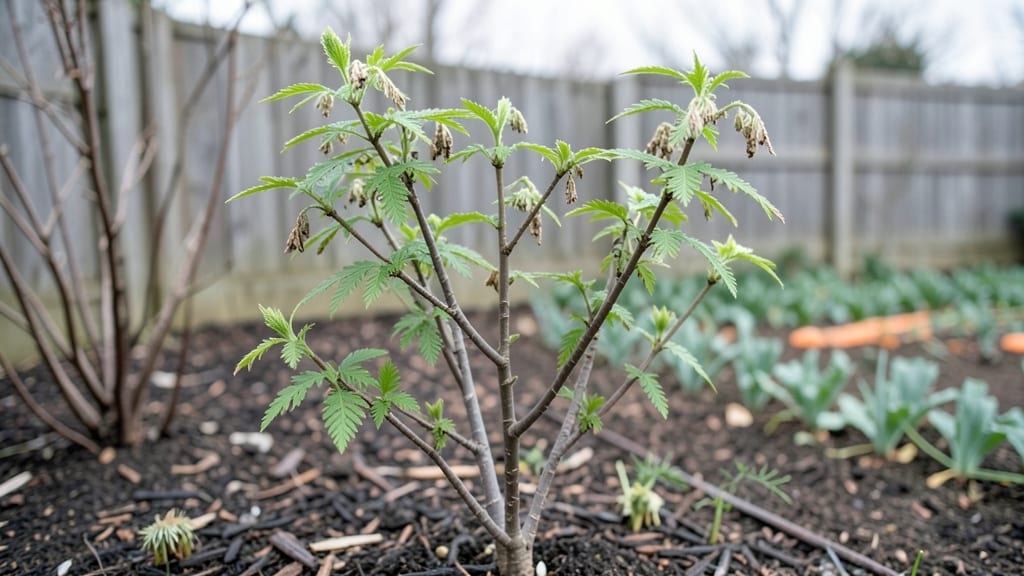
Your Pacific Northwest yard just got a frost-proof game-changer with the fernleaf buckthorn tree. 🌿 This hardy shrub thrives where winters bite and summers stay mild, offering year-round structure with its feathery foliage and dark berries that birds adore.
I’ve pruned mine for five seasons now, and it’s become the backbone of my landscape—drought-tolerant, pest-resistant, and impossible to kill.
The secret to keeping it lush and manageable lies in understanding its natural growth habits. Fernleaf buckthorn handles pruning like a champ, whether you’re shaping it into a hedge or letting it grow wild as a privacy screen.
Start by removing dead or crossing branches in early spring, then trim back by a third in late summer to encourage fresh growth before winter sets in. It’s the kind of shrub that rewards patience with dense, glossy foliage that stays vibrant even in deep shade.
What you’ll end up with is a low-maintenance powerhouse that thrives in zones 3 through 7—perfect for those chilly Pacific Northwest mornings. The berries attract wildlife, and the evergreen leaves provide structure when other plants sleep through winter.
Plus, it’s one of the few shrubs that actually wants to be pruned, making it the ideal choice for busy gardeners who still want a polished look.
Works equally well as a standalone specimen, a mixed hedge, or even a windbreak. Once you’ve mastered the basics, you’ll see how versatile this plant really is—adapting to everything from urban courtyards to rural woodlands. Ready to transform your yard with minimal effort? Let’s get those pruners out.
📚 In This Guide
- What you need
- Instructions
- Tips and common mistakes
- Wrapping up and next steps
What you need
- ● Pruning shears: Bypass pruners (sharp, 6–8" blades) for clean cuts on small branches.
- ● Loppers: 18–24" bypass loppers for thicker branches (½"–1.5" diameter).
- ● Pruning saw: Curved-tooth saw for branches over 1.5" (avoid tearing bark!).
- ● Gloves: Heavy-duty, cut-resistant (buckthorn thorns are no joke!).
- ● Disinfectant: 70% isopropyl alcohol or pruning sealant (sterilizes tools between cuts).
- ● Buckets/bags: 2–3 sturdy containers (for clippings—compost or dispose responsibly!).
- ● Safety gear: Sunglasses, long sleeves, and closed-toe shoes (protection from debris and thorns).
- ● Extension pole: For hard-to-reach branches (3–5 ft, with loppers attached).
- ● Tree wound dressing: Only if pruning large wounds (controversial—research first!).
- ● Ladder: Sturdy, 3-sided (if tree exceeds 10 ft; never stand on the top!).
- ● Notebook/pencil: To sketch pruning plan (map out branches to remove).
- ● Hose or spray bottle: For rinsing tools mid-pruning (keeps sap from clogging blades).
Step-by-step guide to pruning your fernleaf buckthorn tree
Here’s how I keep my Pacific Northwest buckthorn thriving through winter—with simple, effective cuts that protect its structure and health.
✂️ Step 1: Time Your Pruning for Frost Resilience
Prune your fernleaf buckthorn in late winter or early spring, just as buds begin to swell but before new growth starts. This timing ensures the tree isn’t stressed by late frosts while still allowing it to recover before summer heat. I mark my calendar for February or March, depending on local frost dates—waiting too long risks encouraging weak, frost-sensitive growth.
If you missed the window, you can do a light shaping cut in early fall, but avoid heavy pruning then. The tree’s bark is most vulnerable to winter damage when pruned too late, so I always prioritize the late-winter schedule. Look for tight clusters of buds along branches as your signal to start.
🌿 Step 2: Remove Dead, Diseased, or Crossing Branches First
Start by inspecting the tree for dead branches—they’ll snap easily when bent or appear gray/brown instead of green. Use clean, sharp pruning shears to cut these back to the main trunk or a healthy lateral branch. Next, target branches that cross or rub against each other, as these create wounds that invite disease. I make my cuts at a 45-degree angle just outside the branch collar (the swollen area where the branch meets the trunk).
For branches with diseased spots or fungal growth, sterilize your shears with rubbing alcohol between cuts to prevent spreading pathogens. You’ll know you’re doing this right when the tree’s canopy opens up and air circulates better—this reduces humidity and fungal risks. Never leave stubs; always cut back to a healthy bud or branch.
🪴 Step 3: Shape the Tree for Balance and Airflow
Step back and assess the tree’s overall shape. Fernleaf buckthorn naturally grows in a rounded form, so I aim to maintain that silhouette while thinning out the center. Remove up to 25% of the tree’s branches to improve light penetration and airflow—this prevents fungal issues and encourages stronger growth. Focus on branches that grow inward or downward, as these crowd the center and block light.
For larger branches (over ½ inch thick), use loppers or a pruning saw to avoid tearing the bark. Make your cuts just outside the branch collar, and avoid leaving stubs. If a branch is too large to cut cleanly, make a three-cut method: undercut first, then top-cut, and finally remove the branch. You’ll see the tree’s natural form emerge as you work, with a more open, airy structure.
☀️ Step 4: Encourage New Growth with Strategic Cuts
To stimulate fresh, vigorous growth, prune back last year’s growth by about one-third on healthy branches. This encourages the tree to produce new shoots from lower buds, thickening the canopy over time. I avoid cutting into old wood (more than 2 years old), as buckthorn struggles to regenerate from there. Focus on younger, flexible branches—they’ll respond best to pruning.
After pruning, water the tree deeply to help it recover. The roots will need extra moisture to support new growth, especially if you’ve made significant cuts. You’ll notice new buds swelling within 2-3 weeks—this is your sign that the tree is responding well. Avoid fertilizing immediately after pruning; wait until new growth appears to give the tree time to heal.
⏰ Step 5: Clean Up and Monitor for Recovery
Rake up and dispose of all pruned branches and debris to reduce the risk of fungal diseases. I collect the clippings in a bag and either compost them (if disease-free) or dispose of them in yard waste. Sterilize your tools with rubbing alcohol or a bleach solution to prevent cross-contamination between cuts. Once the tree is pruned, step back and admire your work—you’ll see a more open, healthy structure ready to thrive through the growing season.
Monitor the tree over the next few weeks for signs of stress, like yellowing leaves or wilting. If you see these, reduce watering slightly and avoid further pruning until the tree stabilizes. By late spring, you should see new leaves emerging from the pruned areas, signaling successful recovery. This is the moment you’ll know your pruning paid off!
Tips & tricks for perfect fernleaf buckthorn pruning
These simple tricks will help you prune your Pacific Northwest buckthorn like a pro—keeping it healthy and frost-resistant for years to come.
Timing is Everything: I can't stress this enough—the late winter to early spring window (February or March) is crucial. If you're unsure about frost dates, check your local weather forecast or ask your local nursery. The goal is to prune just as buds begin to swell, which signals the tree is ready to grow but hasn't yet started. This timing gives the tree time to heal before summer heat arrives. If you missed the window, a light shaping cut in early fall is better than nothing, but avoid heavy pruning then.
Branch Collar Know-How: The branch collar—the swollen area where a branch meets the trunk—is your secret weapon. Always make cuts just outside this collar at a 45-degree angle. This ensures the tree can seal the wound properly and prevents disease from entering. I've seen too many pruning mistakes where people left stubs or cut into the collar, leading to fungal infections. Trust me, this small detail makes all the difference in your tree's long-term health.
Sterilize Your Tools: This is a game-changer I wish I'd known years ago. Sterilize your pruning shears between each cut, especially when dealing with diseased branches. Use rubbing alcohol or a bleach solution (1 part bleach to 9 parts water) to wipe down the blades. This prevents spreading pathogens throughout your tree. I keep a small bottle of rubbing alcohol in my pruning kit for quick sterilization between cuts.
Monitor for Stress Signs: After pruning, keep an eye out for signs of stress like yellowing leaves or wilting. If you see these, reduce watering slightly and avoid any further pruning until the tree stabilizes. The tree will show you it's recovering when new leaves emerge from the pruned areas by late spring. This is your sign that your pruning paid off!
Pro Tips for Fernleaf Buckthorn Tree
- These simple tricks will help you prune your Pacific Northwest buckthorn like a pro—keeping it healthy and frost-resistant for years to come.
- Timing is Everything: I can't stress this enough—the late winter to early spring window (February or March) is crucial.
- Branch Collar Know-How: The branch collar—the swollen area where a branch meets the trunk—is your secret weapon.
Frequently asked questions
When is the best time to prune a fernleaf buckthorn?
The ideal time is late winter or early spring (February–March), just before new growth begins. This timing promotes vigorous spring regrowth while avoiding late-season pruning, which can stimulate tender new shoots vulnerable to frost. If needed, light shaping can be done in summer, but avoid heavy cuts then.
How much can I prune back a mature fernleaf buckthorn?
You can safely remove up to one-third of the plant’s total growth per year without stressing it. For rejuvenation, prune back older, woody stems to 6–12 inches above the ground in stages over 2–3 years. Avoid over-pruning—this dense shrub recovers well but may produce fewer berries if cut too aggressively.
Why are my fernleaf buckthorn leaves turning yellow or brown?
Yellowing leaves often signal overwatering or poor drainage, while brown edges may indicate underwatering or salt buildup (common in urban areas). Check soil moisture and ensure it drains well. If leaves curl or drop prematurely, pests (like spider mites) or fungal issues could be the culprit—inspect undersides and treat with neem oil if needed.
Can I grow fernleaf buckthorn in containers? How do I prune it?
Yes! It thrives in large containers (15+ gallons) with well-draining soil. Prune annually in spring to control size, shaping it like a small tree or shrub. Use balanced fertilizer in early spring to support compact growth. Repot every 2–3 years if roots outgrow the container.
Are there alternatives to fernleaf buckthorn for frost-hardy hedges?
If you want similar frost tolerance, dense growth, and low-maintenance traits, consider:
- Oregon grape (Mahonia spp.) – Evergreen, drought-tolerant, and pollinator-friendly.
- Hollyleaf boxwood (Buxus x 'Green Velvet') – Neat, slow-growing, but needs more frequent pruning.
- Dart’s golden currant (Ribes aureum) – Native, wildlife-friendly, and sun-tolerant.
Wrapping up and next steps
The fernleaf buckthorn tree is a resilient, frost-hardy gem of the Pacific Northwest—perfect for gardeners who love low-maintenance yet stunning foliage. With the right pruning techniques, you’ll encourage lush growth, vibrant colors, and long-term health.
Now that you’re armed with the blueprint for success, why not roll up your sleeves and give your buckthorn the care it deserves? 🌿 Start by scheduling your next pruning session and watch your tree thrive!