
How To
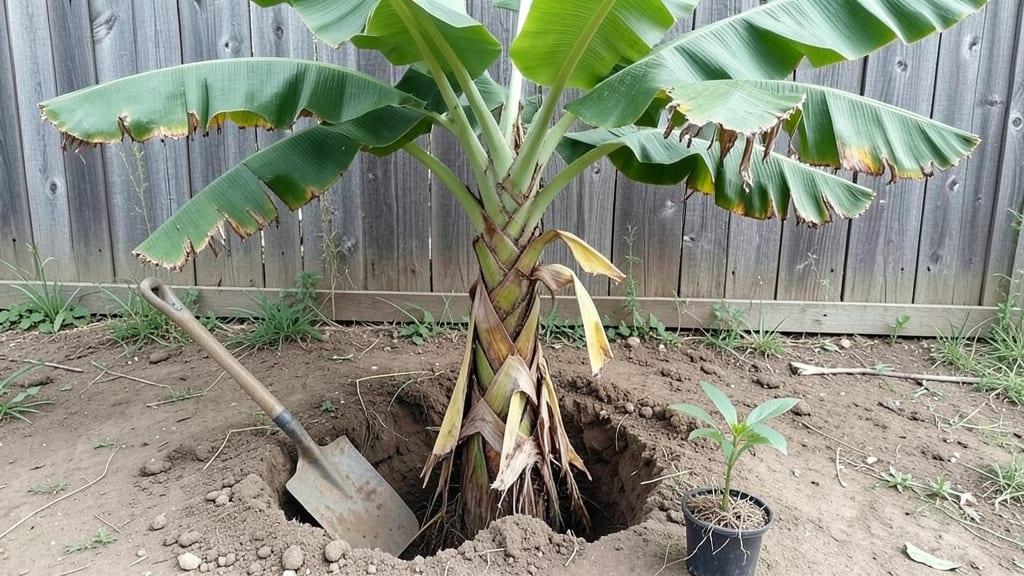
Transplanting a banana tree feels like moving a giant houseplant—except your "plant" might outweigh you. 🌿 The key is doing it right the first time, because these tropical giants hate being uprooted. I’ve moved mine twice, and the second time, I finally got the soil, timing, and support system perfect.
Start by picking a dry, overcast day when temps stay below 80°F—banana trees despise heat stress during transplant. Dig a hole twice as wide as the root ball and amend the soil with compost or aged manure for that rich, drainage-friendly mix they crave.
The right spot means partial shade in hot climates or full sun where winters are mild.
📚 In This Guide
- What you need
- Instructions
- Tips and common mistakes
- Wrapping up and next steps
What you need
- ● Banana tree (Musa spp.): Choose a healthy, mature plant with a sturdy pseudostem (trunk) and vibrant leaves.
- ● Shovel or spade: A sharp, medium-sized shovel (18–24 inches long) for digging with precision.
- ● Garden fork or transplanting spade: Helps loosen compacted soil around the roots without damaging them.
- ● Buckets or large containers (2–5 gallons each): For watering or transporting soil/root ball if needed (1–2 buckets).
- ● Pruners or sharp knife: Sterilized tools to trim damaged roots or leaves if necessary.
- ○ Burlap sack or cardboard: To wrap the root ball for easier transport (optional but helpful for larger trees).
- ● Organic mulch (e.g., straw, wood chips, or compost): 2–3 inches to protect the roots and retain moisture.
- ● Well-draining potting mix or native soil: A blend of topsoil, compost, and perlite (for containers) or amended garden soil (for in-ground planting).
- ● Slow-release fertilizer (balanced, e.g., 10-10-10): 1–2 cups to nourish the transplanted tree.
- ○ Staking materials (optional): 2–3 bamboo stakes or wooden posts + soft ties (e.g., old T-shirts or horticultural tape) for support if the tree is tall or top-heavy.
- ● Timing: Transplant during the early spring or late summer (avoid frost or extreme heat).
- ● Weather: Choose a cloudy day or water the tree the day before to reduce transplant shock.
- ● Location: Outdoor planting: Full sun (6+ hours/day) and protection from strong winds.
- ● Container growing: A pot at least 18–24 inches in diameter with drainage holes.
- ● Soil pH: Slightly acidic to neutral (6.0–7.5). Test your soil if possible!
- ● Space: Banana trees need 10–15 feet of diameter for optimal growth (or a large container).
- ● 🌱 Root pruning: If roots are circling, trim them gently with sterilized pruners to encourage outward growth.
- ● 💧 Water prep: Have a hose or watering can ready to keep the root ball moist during the move.
- ○ ✨ Root stimulator (optional): A dip or spray (e.g., mycorrhizal fungi) can boost root establishment.
Step-by-Step instructions for transplanting a banana tree
Banana trees are surprisingly adaptable—here’s how to move yours without shocking the roots.
🪴 Step 1: Prepare the New Planting Site
Choose a location with full sun (at least 6 hours daily) and well-draining soil. Banana trees hate soggy roots, so avoid low spots where water pools. I dig a hole twice as wide as the root ball but only as deep—bananas prefer their crown (where leaves meet roots) to sit just above ground level. If your soil is heavy clay, mix in 3-4 inches of compost into the bottom of the hole to improve drainage.
Test the soil moisture before planting. Stick your finger 6 inches deep—if it’s still damp, wait a few days. The goal is slightly moist but not wet soil. I like to add a handful of slow-release fertilizer (10-10-10) to the hole’s bottom to give the tree a nutrient boost as it recovers.
✂️ Step 2: Prune and Prepare the Banana Tree
Trim any damaged or yellowing leaves 2-3 days before transplanting to reduce stress. Focus on removing only the worst offenders—you don’t want to strip the tree bare. Use clean, sharp pruners to make cuts at a 45-degree angle just above a leaf node. This encourages new growth while keeping the plant healthy enough to handle the move.
Water the tree deeply 1-2 days before transplanting to ensure the root ball stays moist. You’ll know it’s ready when the top 6 inches of soil feel damp but not saturated. Avoid watering right before moving—you want the roots to stay intact, not loose and waterlogged.
🌱 Step 3: Dig and Move the Root Ball
Dig a wide trench around the base of the tree, working 12-18 inches from the trunk to avoid damaging the roots. Use a shovel to loosen the soil gradually, then gently lift the root ball. If the tree is large, wrap the root ball in burlap or a tarp to protect it during transport. Keep the root ball upright—never lay it on its side, even briefly.
Place the tree in the prepared hole, ensuring the crown sits just above soil level. Fill the hole with soil, tamping it down gently to remove air pockets. Water slowly until the soil settles, then add more soil if needed. The final soil level should be 1-2 inches below the crown—this prevents rot while allowing the roots to expand.
💧 Step 4: Water and Support the Transplanted Tree
Water the tree deeply immediately after planting, soaking the soil to a depth of 12 inches. You’ll see water run out of the bottom of the hole—this confirms the roots are properly hydrated. Mulch the base with 2-3 inches of organic mulch (like wood chips) to retain moisture and regulate soil temperature. Keep the mulch 6 inches away from the trunk to prevent rot.
Stake the tree if it’s tall or top-heavy. Use 2-3 stakes positioned 12 inches from the trunk and tie the banana pseudostem loosely with soft plant ties. This gives the roots time to stabilize without restricting growth. Avoid tight ties—they can girdle the stem as it thickens.
☀️ Step 5: Monitor and Care for Recovery
Keep the soil evenly moist for the first 4-6 weeks—banana trees are sensitive to drought stress after transplanting. Water deeply every 2-3 days if the top 2 inches of soil feel dry. You’ll notice new leaves emerging within 3-4 weeks if the transplant was successful. These leaves will be smaller than usual, but that’s normal.
Fertilize lightly 6 weeks after transplanting with a balanced fertilizer (like 10-10-10). Avoid heavy feeding during the first month—the tree is focusing on root establishment, not growth. If the leaves yellow or wilt, it’s usually a sign of overwatering or poor drainage. Adjust your watering schedule and check the soil moisture before reacting.
Tips & tricks for perfect banana tree transplanting
Moving a banana tree might seem intimidating, but these simple tricks will help you avoid common pitfalls and ensure your tropical beauty thrives in its new home.
Location is Everything: Banana trees need that 6 hours of full sun daily—no compromises. If your new spot gets less, supplement with a grow light for the first few weeks while roots establish. I’ve seen trees struggle when moved to shadier spots, even if the rest of the process was perfect. Also, check for underground utilities before digging—banana roots can grow surprisingly deep!
Root Ball Protection: When lifting that root ball in Step 3, think of it like moving a fragile vase. Keep it upright at all times—even a brief tilt can damage delicate feeder roots. For large trees, wrap the root ball in burlap soaked in water to maintain moisture during transport. I once moved a mature tree without this, and the roots dried out within hours, causing major setback.
Crown Height Matters: That 1-2 inches below the crown guideline isn't just arbitrary—it's about preventing rot while allowing roots to expand. Use a level to check placement, and if you're unsure, mark the crown height with a pencil before digging. Too deep causes suffocation, too high risks sunburn on the stem. I've seen both mistakes lead to tree decline within weeks.
Post-Transplant Care Timeline: The 4-6 week recovery period is your critical window. Set a calendar reminder for your first fertilizer application at 6 weeks—don't rush it! I've seen gardeners over-fertilize too soon, which stresses the tree when it's already working hard to establish roots. Watering every 2-3 days (when top 2 inches are dry) keeps things just right without waterlogging.
Pro Tips for Transplant A Banana Tree
- Moving a banana tree might seem intimidating, but these simple tricks will help you avoid common pitfalls and ensure your tropical beauty thrives in its new home.
- Location is Everything: Banana trees need that 6 hours of full sun daily—no compromises.
- Root Ball Protection: When lifting that root ball in Step 3, think of it like moving a fragile vase.
Frequently asked questions
Got questions about transplanting your banana tree? You’re not alone! Here are some of the most common concerns—plus clear, actionable answers to keep your tropical beauty thriving after the move.
When is the best time of year to transplant a banana tree?
The ideal window is late winter or early spring (just before new growth starts) or early fall in warmer climates. Avoid extreme heat or frost—banana trees are sensitive to temperature shocks. If you’re in a tropical zone, transplant during the dry season to reduce stress on the roots.
How often should I water my banana tree after transplanting?
Water deeply every 2–3 days for the first 2 weeks, then taper to 1–2 times per week once established (adjust for soil dryness). Overwatering can suffocate roots, while underwatering causes stress. Mulch heavily to retain moisture and regulate soil temperature.
Can I transplant a banana tree from a pot to the ground?
Start by acclimating the potted tree to outdoor conditions (gradually increase sunlight exposure over 1–2 weeks). Dig a hole twice as wide as the pot but no deeper. Amend native soil with compost for drainage—bananas hate soggy roots. →
Why is my banana tree wilting or turning yellow after transplanting?
Yellowing leaves or wilting often signal root shock or transplant stress. Check for:
- Over/under-watering (stick your finger 2” into soil to test)
- Poor drainage (bananas need well-draining soil!)
- Nutrient deficiency (fertilize lightly with banana-specific food after 4 weeks)
How do I transplant a banana tree in a cold climate?
Cold-hardy varieties (like Musa acuminata) can survive brief dips below 30°F, but most bananas need protection. Transplant in late spring after frost risk passes. Use insulated containers (like grow bags) or dig a trench to bury the pot partially. Mulch heavily with straw and cover with burlap or frost cloth in winter. →
Wrapping up and next steps
Transplanting a banana tree may seem daunting, but with the right preparation, patience, and care, you can give your tropical beauty a fresh start! 🌱 Remember, the key is timing, soil health, and gentle handling—your banana tree will reward you with lush growth and sweet fruit if you follow these steps.
Now that you’re armed with knowledge, it’s time to roll up your sleeves and watch your banana tree thrive in its new home.
Ready to take the next step? Monitor your tree’s progress in the coming weeks, adjust care as needed, and soon, you’ll be enjoying homegrown bananas (or admiring its stunning foliage!). Happy gardening! 🌴✨