
Planting
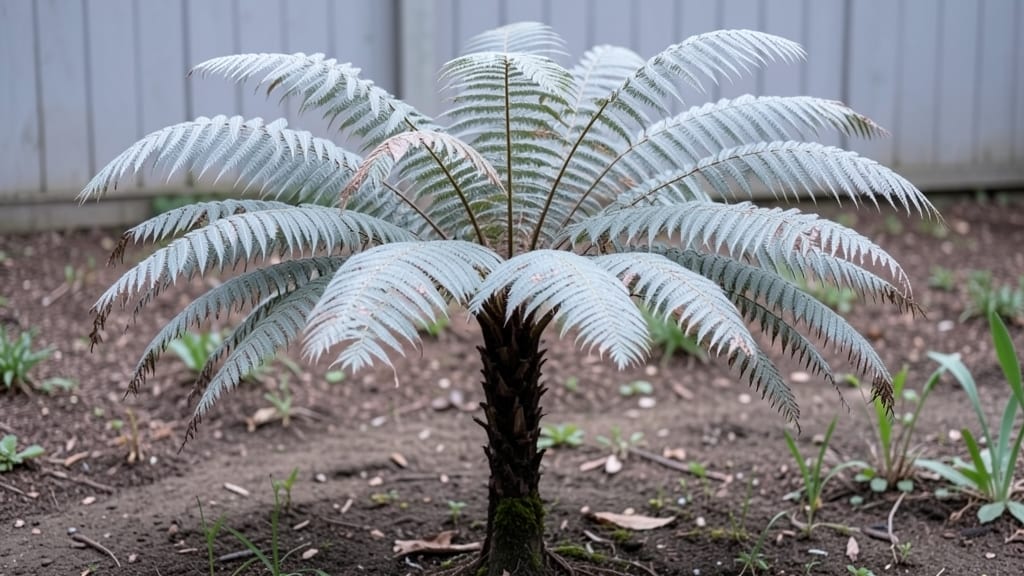
When you plant a fern tree, you’re inviting a living sculpture into your Pacific Northwest garden—one that thrives where others struggle. 🌿 These ancient-looking beauties (likely tree ferns like Dicksonia or Cyathea) aren’t trees at all, but their fronds create dramatic vertical interest that outshines most ornamentals.
The key? Mimicking their native rainforest conditions without overcomplicating things.
Start with part shade—morning sun and afternoon shade work best—and rich, moist but well-draining soil (think peat moss mixed with compost). Water deeply 2-3 times a week in summer, but never let them sit in soggy soil.
My first fern tree nearly died from root rot until I switched to a raised bed with gravel at the bottom—game changer.
By year two, you’ll see fronds unfurling 12-18 inches tall, their lush texture softening any garden corner. Prune dead fronds in early spring to encourage fresh growth, and mulch heavily to retain moisture.
The real magic? These plants reward patience—some varieties grow 6-10 feet tall over decades with minimal fuss.
Common mistakes? Overwatering in winter (they need less) and planting too deep (keep the crown visible). Propagate by dividing offsets in spring—your neighbors will beg for cuttings. Ready to grow one that lasts generations?
📚 In This Guide
- What you need
- Instructions
- Tips and common mistakes
- Wrapping up and next steps
What you need
- ● Fern Tree Plant: 1 mature Cyathea or Dicksonia fern (nursery-grown, 3–5 ft tall for best impact).
- ● Garden Soil: 1 bag (12–18 cu ft) of peat-based or well-draining potting mix (amend with perlite or sand for aeration).
- ● Organic Mulch: 2–3 cubic feet of pine bark or wood chips (3–4 inches deep).
- ● Fertilizer: 1 lb of balanced organic fertilizer (10-10-10 or similar).
- ● Watering Can or Hose: With a gentle spray nozzle (fern fronds are delicate!).
- ● Garden Gloves: 1 pair (heavy-duty for digging).
- ● Trowel or Spade: 1 medium-sized (for transplanting).
- ● Pruners: 1 pair of sharp, sterilized pruners (for trimming dead fronds).
- ● Measuring Tape: 1 (to mark spacing—fern trees need 3–5 ft between plants).
- ○ Optional but Helpful: Soil pH tester (ideal range: 5.0–6.5).
- ● Misting bottle (for humidity-loving ferns).
- ● Drip irrigation kit (for consistent moisture).
- ● Location: Partial to full shade (dappled sunlight is ideal).
- ● Climate Prep: Plant in spring or early fall (avoid frost or extreme heat).
- ● Drainage Check: Ensure your soil drains well (fern roots hate soggy feet!).
Step-by-Step guide to planting and cultivating fern trees in the Pacific Northwest
Here’s how to establish a thriving fern tree with minimal fuss—perfect for the PNW’s mild, damp climate.
🌱 Step 1: Select and Prepare the Planting Site
The fern tree (Cercidiphyllum japonicum) thrives in partial shade to full sun, but in the Pacific Northwest, morning sun with afternoon shade is ideal—this prevents leaf scorch while maximizing growth. Choose a spot with well-draining, slightly acidic soil (pH 5.0-6.5); if your soil is heavy clay, amend it with 3-4 inches of compost mixed into the top 12 inches of soil.
Dig a hole twice as wide as the root ball but no deeper—this encourages root expansion horizontally rather than settling too low, which can suffocate roots. Gently loosen the roots if they’re circling tightly in the container, then place the plant so the top of the root ball sits 1 inch above ground level. This prevents stem rot from sitting water.
☀️ Step 2: Plant and Water for Immediate Establishment
Backfill the hole with native soil mixed with 1 part compost to improve fertility and drainage. Press the soil lightly around the roots to remove air pockets, then water deeply—this means 1-2 gallons per plant—until water drains from the bottom of the hole. The goal is to settle the soil without compacting it too tightly.
Mulch the base with 2-3 inches of wood chips or shredded bark, keeping it 6 inches away from the trunk to prevent moisture buildup against the bark. This mulch layer retains soil moisture, regulates temperature, and suppresses weeds—critical in the PNW’s wet winters. Water again lightly to help mulch settle.
💧 Step 3: Maintain Moisture and Light for Long-Term Growth
Fern trees need consistent moisture, especially in the first 2 years while roots establish. Water deeply once a week during dry spells (check by sticking your finger 2 inches into the soil—if it’s dry, water). In the PNW’s rainy climate, you’ll likely only need supplemental watering in summer droughts or during hot spells above 85°F.
Prune lightly in late winter or early spring to shape the tree and remove any dead or crossing branches. Avoid heavy pruning—fern trees respond best to minimal intervention. You’ll see new growth in early spring, signaling the plant is thriving. Fertilize once in early spring with a balanced, slow-release fertilizer (10-10-10) to support foliage and bloom.
✂️ Step 4: Monitor for Pests and Seasonal Adjustments
Watch for aphids or spider mites, which can stress young fern trees. Treat infestations early with neem oil or a hose spray to dislodge pests. The PNW’s mild winters mean fern trees rarely need winter protection, but if temperatures drop below 10°F, wrap the trunk with burlap to prevent sunscald in early spring.
In fall, reduce watering slightly as rainfall increases, but keep the soil moist enough to prevent drought stress. The fern tree’s distinctive maroon fall foliage is a sign it’s happy—this color shift happens naturally in the PNW’s cool, damp climate. With proper care, your fern tree will grow 12-24 inches per year, maturing into a 15-25 foot specimen over time.
Tips & tricks for perfect fern tree planting in the Pacific Northwest
A few simple strategies will help you establish a thriving fern tree that thrives in the PNW's unique climate.
Soil Preparation: Before planting, test your soil's pH using a home test kit—fern trees prefer slightly acidic conditions (pH 5.0-6.5). If your soil is too alkaline, work in sulfur or peat moss to adjust it gradually. The 3-4 inches of compost we mentioned isn't just for nutrients; it also improves soil structure, helping those roots spread horizontally as instructed in Step 1.
Root Care: When loosening circling roots in Step 1, be gentle but thorough—don't tear the roots, just separate them carefully. I've found that making 2-3 small vertical cuts around the root ball with a clean knife helps break up compacted roots without damaging them. This encourages better establishment right from planting.
Watering Wisdom: The 1-2 gallons of deep watering in Step 2 should be done slowly to allow proper absorption. I use a watering wand with a gentle spray setting to avoid displacing the soil around the roots. After watering, let the soil settle for 5-10 minutes before adding mulch—this prevents creating an impermeable layer that could trap moisture against the trunk.
Seasonal Adjustments: In the PNW's unpredictable climate, monitor your tree's response to the 85°F threshold mentioned in Step 3. If you notice leaf edges curling during heatwaves, provide temporary afternoon shade with a light fabric shade cloth. This helps prevent the leaf scorch we want to avoid while maintaining that morning sun exposure for optimal growth.
Pro Tips for Fern Tree Plant
- A few simple strategies will help you establish a thriving fern tree that thrives in the PNW's unique climate.
- Soil Preparation: Before planting, test your soil's pH using a home test kit—fern trees prefer slightly acidic conditions (pH 5.0-6.5).
- Root Care: When loosening circling roots in Step 1, be gentle but thorough—don't tear the roots, just separate them carefully.
Frequently asked questions
Got questions about fern trees? You’re not alone!
Here are some of the most common queries from gardeners in the Pacific Northwest and beyond—plus expert answers to help you grow with confidence.
What’s the best time of year to plant a fern tree?
Plant your fern tree in early spring or fall (September–October) for ideal results. These times give roots time to establish before summer heat or winter frost. Avoid planting in peak summer—soil stays too dry, and young plants may struggle. If you’re in a milder PNW climate, fall planting is often best!
How much water does a fern tree need?
Fern trees thrive with consistent moisture but hate soggy roots. Water deeply 1–2 times per week during the first year, letting the top 2–3 inches of soil dry slightly between sessions. Once established, they’re drought-tolerant but still prefer well-drained soil. Mulch around the base to retain humidity—just keep mulch 3–4 inches away from the trunk.
Can I grow a fern tree in a container?
Yes! Fern trees adapt well to containers if you choose the right size. Opt for a 15–20 gallon pot with drainage holes and use a light, airy potting mix (add perlite or sand for drainage). Move containers to partial shade in summer and protect from harsh winds. Just remember: Container-grown fern trees may need more frequent watering and occasional root pruning to prevent circling.
Why are the leaves turning yellow or brown?
Yellowing leaves often signal overwatering or nutrient deficiencies, while brown, crispy edges usually mean underwatering or sunburn. Check soil moisture—fern trees prefer 60% humidity and hate drying out. If leaves droop in heat, provide afternoon shade. For yellow patches, test soil pH (ideal: 5.0–6.5) and fertilize lightly with an acid-loving plant food in spring.
Are fern trees deer-resistant?
Not entirely! While fern trees are less appealing to deer than hostas or roses, hungry critters may still nibble young shoots. Protect seedlings with chicken wire cages or plant near deer-resistant companions like boxwood, lavender, or Russian sage. Mature fern trees are usually safe, but a hungry herd might still test their leaves—so stay vigilant in spring!
Wrapping up and next steps
Growing a fern tree plant in the Pacific Northwest isn’t just about adding beauty to your garden—it’s about embracing resilience and nature’s charm.
Whether you’re drawn to the Cinnamon Fern or the Holly Fern, these hardy plants thrive with minimal fuss, making them perfect for both beginners and seasoned gardeners. 🌿
Now that you’re armed with the know-how, why not take the next step? Visit your local nursery to pick out your favorite fern tree, or share your newfound passion with fellow plant enthusiasts. Your garden—and the local ecosystem—will thank you!