
Planting
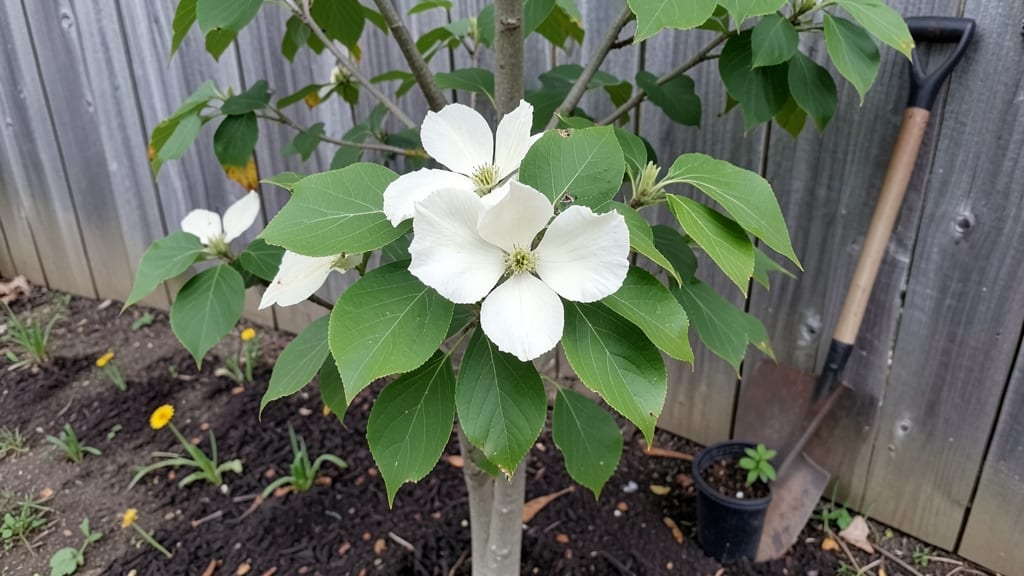
A dogwood tree planting guide for the Pacific Northwest starts with picking a frost-resistant beauty that thrives where others falter—like the ones I’ve watched survive brutal winters, their branches bursting with late-spring blooms.
The secret isn’t just timing—it’s picking the right spot, prepping the soil, and giving it consistent care from day one.
You’ll need a sunny or partially shaded area with well-draining soil, a shovel, compost, and mulch. The best time to plant is in early fall or late winter, when the ground is workable but not frozen.
Space your trees 15-20 feet apart for mature growth, and avoid planting too deep—the root flare should sit just above ground level.
After planting, water deeply to settle the soil, then keep it moist but not soggy for the first year. A 3-inch layer of mulch around the base (but not touching the trunk) locks in moisture and protects roots from temperature swings.
By summer, you’ll see new shoots—proof your dogwood is settling in for decades of color.
Common mistakes? Overwatering, planting too shallow, or skipping mulch. But with these steps, your dogwood will reward you with show-stopping blooms and year-round interest. Ready to get started?
📚 In This Guide
- What you need
- Instructions
- Tips and common mistakes
- Wrapping up and next steps
What you need
- ● Dogwood tree (Cornus nuttallii or Cornus florida): Choose a 1- to 3-gallon container-grown or bare-root sapling from a reputable nursery. For best results, opt for a tree that’s 3–5 feet tall.
- ● Shovel or digging spade: A round-point shovel (for container-grown trees) or a flat-bladed spade (for bare-root planting) works best. Size: 12–18 inches wide.
- ○ Garden hose or bucket: For watering. A soaker hose (optional but helpful) can reduce runoff.
- ● Compost or well-aged manure: 5–10 pounds to enrich the soil. Avoid fresh manure—it can burn roots!
- ○ Mulch (optional but recommended): 2–3 inches of pine bark, wood chips, or shredded leaves to retain moisture and suppress weeds.
- ○ Tree stake (optional but helpful): A 1-inch diameter, 4–6 foot wooden or metal stake to support young trees in windy areas.
- ● Tie-down straps or soft cloth strips: To secure the tree to the stake without damaging the trunk.
- ● Sunlight: Choose a spot with partial shade to full sun (6+ hours of sunlight daily). Dogwoods thrive in dappled light.
- ● Soil: Well-draining, slightly acidic soil (pH 4.5–6.5). Amend heavy clay or sandy soil with compost or peat moss.
- ● Space: Plant at least 10–15 feet apart from other trees or structures to allow for mature growth.
- ● Water source: Ensure easy access to water for the first 1–2 years after planting.
- ● Weather check: Plant in early spring or fall (avoid extreme heat or frost).
Step-by-Step instructions for planting dogwood trees in the Pacific Northwest
Here's the foolproof method I've used to establish thriving dogwoods in our rainy, frost-prone climate.
Choose the Right Location and Prepare the Soil
Dogwoods thrive in partial shade to full sun but need protection from harsh afternoon sun in hotter inland areas. In the Pacific Northwest, I always plant mine where they'll get morning sun and afternoon shade—think dappled light under existing trees or on the north side of buildings. The soil should be well-draining but moisture-retentive, so avoid low spots where water pools.
Test your soil by squeezing a handful—it should hold together but not feel soggy. If your soil is heavy clay, amend it with 2-3 inches of compost mixed into the top 12 inches of soil. Dogwoods hate soggy roots, so if drainage is poor, consider planting on a slight mound. I dig a hole twice as wide as the root ball but only as deep as the container's bottom—planting too deep suffocates the roots.
Handle the Root Ball and Plant at the Correct Depth
Remove the dogwood from its container and gently loosen the roots if they're circling. Never pull roots apart—just tease the outer edges to encourage outward growth. Place the tree in the hole so the top of the root ball sits level with the surrounding soil. Dogwoods have a distinctive swollen root flare at the base; this should be visible above the soil line after planting.
Backfill with the native soil you removed, tamping lightly every 4-6 inches to eliminate air pockets. Avoid compacting too hard—you want roots to settle naturally. Water deeply after planting to help soil settle around the roots. I always add a 2-inch layer of mulch (but keep it 6 inches away from the trunk) to conserve moisture and regulate soil temperature.
Water Deeply and Establish a Consistent Care Routine
Water the newly planted dogwood deeply once a week for the first month, then every 10-14 days depending on rainfall. In our climate, dogwoods need 1-1.5 inches of water per week, but they're surprisingly drought-tolerant once established. You'll know you're watering correctly when the soil feels moist 2-3 inches down—not soggy, not bone-dry.
Fertilize lightly in early spring with a balanced, slow-release fertilizer (10-10-10 works well). Avoid heavy nitrogen—it encourages leafy growth at the expense of root development. I skip fertilizer entirely in the first year unless the soil was particularly poor. Dogwoods are sensitive to salt buildup, so always water after fertilizing to flush excess nutrients away from the roots.
Protect Young Trees from Frost and Wind
The Pacific Northwest's frost can damage tender new growth, so I wrap young dogwoods in burlap or frost cloth during the first winter. Focus protection on buds and stems—the roots can handle cold better than the above-ground parts. Remove the wrap in early spring before new growth begins. For windy sites, stake the tree temporarily to prevent root disturbance.
Watch for borers or fungal spots—common issues in our damp climate. If you see holes in the bark or dark spots on leaves, prune affected areas immediately and treat with a copper fungicide if needed. Dogwoods are generally low-maintenance, but early intervention prevents long-term damage. I prune only to remove dead wood or shape the tree in late winter before buds swell.
Monitor Growth and Adjust Care Over Time
Healthy dogwoods show new growth by mid-spring and develop bright red or pink buds before flowering. If your tree isn't growing after two years, it may need more sunlight or better drainage. Dogwoods in too-shady spots become leggy, while those in full sun may scorch. Adjust pruning to open the canopy slightly if needed—just remove no more than 25% of the foliage in one season.
By year three, your dogwood should be established enough to handle our region's wet winters and dry summers with minimal care. The key is consistent moisture and proper spacing—dogwoods planted too close to buildings or other trees struggle to compete. With patience, you'll have a stunning, frost-resistant tree that blooms reliably for decades.
Tips & tricks for perfect dogwood tree planting
Planting a dogwood in the Pacific Northwest doesn't have to be a guessing game—these tried-and-true tips will help you avoid common pitfalls and set your tree up for long-term success.
Location is Everything: In Step 1, when choosing your spot, avoid planting under large trees that will compete for water and nutrients. I've found that planting dogwoods 10-15 feet away from buildings or fences gives them enough space to grow without obstruction. Also, pay attention to the microclimate—areas with afternoon shade (like the north side of structures) protect delicate foliage from our region's occasional hot spells.
Root Care Matters: When handling the root ball in Step 2, resist the urge to pull apart tightly wound roots. Instead, gently tease the outer edges with your fingers to encourage outward growth. The swollen root flare should be visible above the soil line—this is your visual cue that the tree is planted at the correct depth. If you notice roots circling the bottom of the container, make a few vertical cuts to help them spread properly.
Watering Wisdom: In Step 3, the first month is critical for root establishment, so don't skip that weekly deep watering. I use a rain gauge to measure 1-1.5 inches of water per week—this ensures consistent moisture without waterlogging. For a quick check, insert a screwdriver into the soil after watering; it should go in easily 2-3 inches down but not feel soggy. In our damp climate, overwatering is just as damaging as underwatering.
Long-Term Maintenance: For Step 5 monitoring, remember that dogwoods typically show new growth by mid-spring—if yours isn't growing after two years, it might need better drainage or more sunlight. I've learned that pruning in late winter (before buds swell) helps maintain the tree's natural shape while preventing disease. And here's a pro tip: if you notice fungal spots, treat immediately with copper fungicide—our region's humidity makes dogwoods particularly susceptible to these issues.
Pro Tips for Dogwood Tree Planting Guide
- Planting a dogwood in the Pacific Northwest doesn't have to be a guessing game—these tried-and-true tips will help you avoid common pitfalls and set your tree up for long-term success.
- Location is Everything: In Step 1, when choosing your spot, avoid planting under large trees that will compete for water and nutrients.
- Root Care Matters: When handling the root ball in Step 2, resist the urge to pull apart tightly wound roots.
Frequently asked questions
Got questions about planting dogwood trees in the Pacific Northwest? Here are some of the most common ones—plus expert answers to help you succeed!
What’s the best time of year to plant a dogwood tree in the PNW?
The ideal window is late fall to early spring (October through March). This gives roots time to establish before summer heat arrives. Avoid planting in extreme heat or frost—dogwoods are frost-resistant, but young roots need stability. For container-grown trees, spring planting works too!
How do I protect my dogwood from late frosts in the PNW?
Young dogwoods (especially Cornus florida) can suffer from late frosts after budding. Use frost cloth or row covers for the first few years. Plant in sheltered microclimates (like near a south-facing wall) to trap warmth. Mulch heavily around the base to insulate roots—3–4 inches of organic mulch (wood chips or straw) works best.
Why are my dogwood leaves turning yellow or brown?
Yellowing leaves often signal nutrient deficiencies (like iron or nitrogen) or overwatering. Brown edges or crispy leaves? Likely underwatering or salt buildup from tap water. Test soil pH (dogwoods prefer 5.0–6.5) and adjust with sulfur or lime. Fungal diseases (like powdery mildew) can also cause browning—prune for airflow and avoid overhead watering.
Can I plant a dogwood tree near my house or sidewalk?
Yes! Dogwoods have moderate root systems and work well near foundations or patios, but keep them 5–10 feet away from structures to avoid root conflicts. For sidewalks, plant at least 3–4 feet away to prevent cracking. Varieties like Cornus nuttallii (Pacific dogwood) are great for urban spaces—they’re drought-tolerant once established!
What’s a good alternative if I can’t find dogwood trees locally?
Try these PNW-friendly alternatives with similar beauty and resilience:
- Oregon grape (Mahonia aquifolium) – Drought-tolerant, evergreen, and pollinator-friendly.
- Vine maple (Acer circinatum) – Compact, shade-loving, and handles frost well.
- Red twig dogwood (Cornus sericea) – Native, cold-hardy, and offers winter interest.
- Pacific wax myrtle (Myrtus ugni) – Fragrant, evergreen, and thrives in coastal climates.
Wrapping up and next steps
Planting a dogwood tree in the Pacific Northwest isn’t just about adding beauty to your landscape—it’s about creating a resilient, low-maintenance centerpiece that thrives even in chilly climates. 🌿 From choosing the right variety to ensuring proper soil and sunlight, every step sets the stage for years of stunning blooms and wildlife support.
With patience and care, your dogwood will reward you with show-stopping spring flowers and a sturdy presence in your outdoor space.
Now that you’re armed with the know-how, roll up your sleeves and get planting! Start by marking your spot, gathering your tools, and—most importantly—enjoy the process. Before you know it, your yard will be the envy of the neighborhood, and you’ll be the local dogwood whisperer. Happy gardening!