
Trees
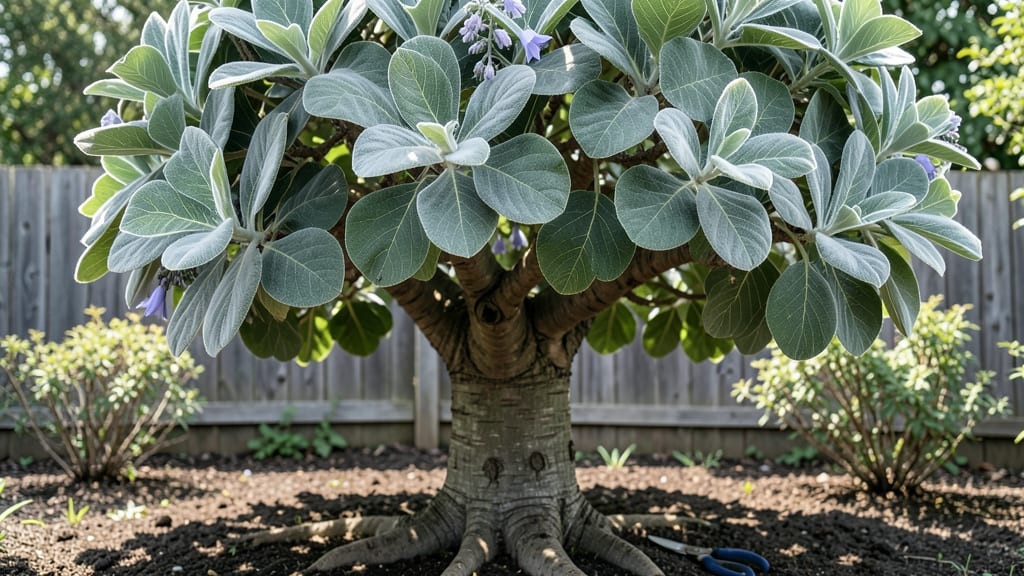
Those giant, velvety empress tree leaves don’t just create a lush privacy screen—they’re the first line of defense against pests, disease, and seasonal stress. 🌿 I’ve seen these trees go from struggling to thriving after addressing the most common leaf issues, and the difference is night and day.
The secret isn’t complicated: regular inspection for spider mites or aphids, proper watering to avoid fungal spots, and seasonal adjustments for sun exposure. A few simple steps keep those leaves vibrant year-round, even in tough climates. Let’s tackle the most stubborn problems first.
📚 In This Guide
- What you need
- Instructions
- Tips and common mistakes
- Wrapping up and next steps
What you need
- ● Empress tree seeds or saplings: 3–5 plants (spaced 10–15 ft apart for optimal growth). Choose disease-resistant varieties if available.
- ● Well-draining soil: Mix 60% native soil with 30% compost and 10% perlite/sand for fast-draining roots.
- ● Organic mulch: 2–3 inches of wood chips or pine straw to retain moisture and suppress weeds.
- ● Slow-release fertilizer: 10-10-10 or 5-10-10 NPK ratio (apply at planting and again in spring).
- ● Watering can or hose with a gentle spray nozzle: Empress trees need consistent moisture during establishment.
- ● Shovel or trowel: For digging planting holes (12–18 inches deep and wide).
- ● Garden gloves: To protect your hands from thorns (young shoots can be prickly!).
- ● Pruning shears: For shaping and removing dead branches (sterilize blades with rubbing alcohol).
- ● Measuring tape: To ensure proper spacing (10–15 ft between plants).
- ○ Stakes and twine (optional): For young saplings in windy areas.
- ● Sunlight: Full sun (6+ hours daily) for best growth. Partial shade is tolerable but may reduce leaf density.
- ● pH level: Ideal soil pH: 6.0–7.5. Test your soil and amend with lime (to raise pH) or sulfur (to lower it) if needed.
- ● Hardiness zone: Plant in zones 5–9. Empress trees thrive in warm climates but need winter protection in colder zones (mulch heavily!).
- ● Local regulations: Check for HOA rules or native plant restrictions before planting.
How to care for empress tree leaves for a lush privacy screen
Here's how I keep my Empress Trees thriving year-round with minimal effort.
🌿 Step 1: Plant in the Right Location and Soil
Empress Trees love full sun to partial shade, so choose a spot that gets at least 4-6 hours of sunlight daily. I always plant mine where they'll receive morning sun and afternoon shade—this prevents leaf scorch while keeping them lush. The soil should drain well but retain moisture, so amending heavy clay with 2-3 inches of compost makes all the difference.
Dig a hole twice as wide as the root ball but only as deep. Gently loosen the roots if they're circling, then place the tree in the hole and backfill with native soil. Water deeply to settle everything—you'll see the soil sink about an inch as it settles. Mulch around the base with 2-3 inches of organic mulch, keeping it 6 inches away from the trunk to prevent rot.
☀️ Step 2: Water Deeply and Consistently
Empress Trees are drought-tolerant once established, but young trees need 1-2 inches of water weekly during the first year. I check soil moisture by sticking my finger 2 inches down—if it feels dry, it's time to water. Deep watering encourages strong root growth, so I water slowly until it seeps 6-8 inches down.
Overwatering is the biggest mistake—yellowing leaves or soggy soil means you're watering too much. After the first year, you can reduce watering to every 2-3 weeks, depending on rainfall. Mature trees handle dry spells beautifully, but their leaves stay fullest with consistent moisture.
✂️ Step 3: Prune for Shape and Health
Prune in late winter or early spring before new growth starts. I remove any dead, diseased, or crossing branches first—this keeps air circulating and prevents fungal issues. For shaping, I trim back overgrown branches to maintain a natural, rounded form. Never cut more than 25% of the tree's foliage at once, as this stresses the plant.
Watch for new growth after pruning—healthy branches will sprout fresh leaves within 4-6 weeks. If you notice sparse areas, it's a sign to prune lighter next time. I also remove any suckers at the base to direct energy upward rather than outward.
🪴 Step 4: Fertilize for Year-Round Growth
Feed your Empress Tree in early spring with a balanced, slow-release fertilizer (10-10-10 or similar). I sprinkle about ½ cup around the drip line and water it in well. This gives the tree nutrients to support new growth without overwhelming it. In late summer, I switch to a low-nitrogen, high-phosphorus fertilizer to encourage root development before winter.
Avoid fertilizing in fall or winter—this can stimulate tender new growth that won't survive cold temperatures. If your tree's leaves look pale or sparse, it might need a boost, but always water thoroughly after fertilizing to prevent root burn.
⏰ Step 5: Protect Against Pests and Disease
Empress Trees are generally pest-resistant, but I keep an eye out for spider mites or scale insects. If I spot any, I treat them with a horticultural oil spray in early spring before they spread. Fungal diseases like powdery mildew can appear in humid conditions, so I ensure good airflow by pruning properly and avoiding overhead watering.
Healthy trees rarely have issues, but if leaves start yellowing or dropping, it could signal overwatering, nutrient deficiency, or root rot. Act fast—correct the problem and monitor closely. A thriving Empress Tree should have deep green, glossy leaves year-round with minimal care.
Tips & tricks for perfect empress tree leaves
Here's what nobody tells you about keeping those glossy leaves looking their best year after year.
Sunlight Strategy: That 4-6 hours of sunlight is non-negotiable for vibrant leaves, but here's the thing: morning sun is your best friend. I've noticed my trees develop more intense green when they get that gentle morning light rather than harsh afternoon rays. If your yard gets intense afternoon sun, consider planting near a north-facing wall or fence for natural shade during peak hours.
Soil Prep Secret: Before planting, I always mix in those 2-3 inches of compost right into the native soil—not just as a top dressing. This creates a nutrient-rich zone where roots can thrive immediately. For heavy clay soils, I add extra perlite or coarse sand to improve drainage, which prevents that dreaded root rot. The roots will thank you with deeper, more resilient growth.
Watering Wisdom: Checking soil moisture 2 inches down is key, but I've learned to adjust based on seasons. In summer, I water more frequently—sometimes twice weekly—while in winter, I barely water at all. The goal is consistent moisture without waterlogging. A moisture meter is worth the investment if you're unsure—it takes the guesswork out of watering.
Pruning Pro Tip: When you're trimming those overgrown branches in Step 3, always cut just above a leaf node or outward-facing bud. This encourages new growth in the right direction. And here's a trick I learned: if you're pruning in late spring instead of winter, you'll get immediate feedback—new leaves should appear within those 4-6 weeks if you've done it right. If not, you might have pruned too aggressively.
Pro Tips for Empress Tree Leaves
- Here's what nobody tells you about keeping those glossy leaves looking their best year after year.
- Sunlight Strategy: That 4-6 hours of sunlight is non-negotiable for vibrant leaves, but here's the thing: morning sun is your best friend.
- Soil Prep Secret: Before planting, I always mix in those 2-3 inches of compost right into the native soil—not just as a top dressing.
Frequently asked questions
Got questions about keeping your Empress Tree leaves lush and thriving? Here are some of the most common concerns—plus quick answers to help you maintain that stunning privacy screen year-round.
How often should I water Empress Tree leaves to keep them healthy?
Water deeply once or twice a week during the first year after planting, then taper to every 10–14 days once established (adjust for drought or heavy rain). Overwatering causes yellowing leaves—always check soil moisture 2–3 inches down before watering. Mulch around the base to retain moisture and reduce evaporation.
Do Empress Tree leaves turn brown in winter? Is that normal?
Yes! While Empress Trees are evergreen, their leaves may slightly yellow or brown in cold snaps (below 20°F). This is usually harmless—new growth emerges in spring. If browning is severe or accompanied by leaf drop, check for salt spray damage (common near coastal areas) or fungal issues.
Can I prune Empress Tree leaves for a denser privacy screen?
Prune in late winter or early spring (before new growth) to shape the tree and encourage bushier foliage. Remove dead, crossing, or overcrowded branches first, then thin out up to 25% of the canopy for airflow. Avoid heavy pruning in summer—it stresses the tree and can invite pests.
Why are my Empress Tree leaves yellowing or curling?
Yellowing leaves often signal overwatering or poor drainage, while curling may indicate spider mites, scale insects, or heat stress. Check the undersides of leaves for pests—spray with neem oil if needed. Improve soil drainage by amending with compost and avoid compacted areas around the roots.
What’s a good alternative to Empress Trees for a fast-growing privacy screen?
If Empress Trees aren’t available, consider these fast-growing evergreens:
- Leyland Cypress – Grows 3–4 ft/year, dense foliage.
- Italian Cypress – Narrow, columnar shape (great for borders).
- Bald Cypress – Tolerates wet soil and sheds "leaves" in winter (technically deciduous cones).
- Emerald Green Arborvitae – Disease-resistant and low-maintenance.
Wrapping up and next steps
Empress tree leaves offer a stunning, year-round solution for privacy and beauty in your outdoor space—lush, evergreen foliage that thrives with minimal fuss. Whether you're drawn to their vibrant colors, resilience, or low-maintenance charm, these trees are a game-changer for gardens, yards, or urban landscapes. 🌿✨
Ready to transform your space? Start by researching Paulownia tomentosa varieties or consulting a local nursery to pick the perfect fit for your climate and soil. With the right care, your evergreen privacy screen will flourish for years to come—planting confidence, one leaf at a time!