
Trees
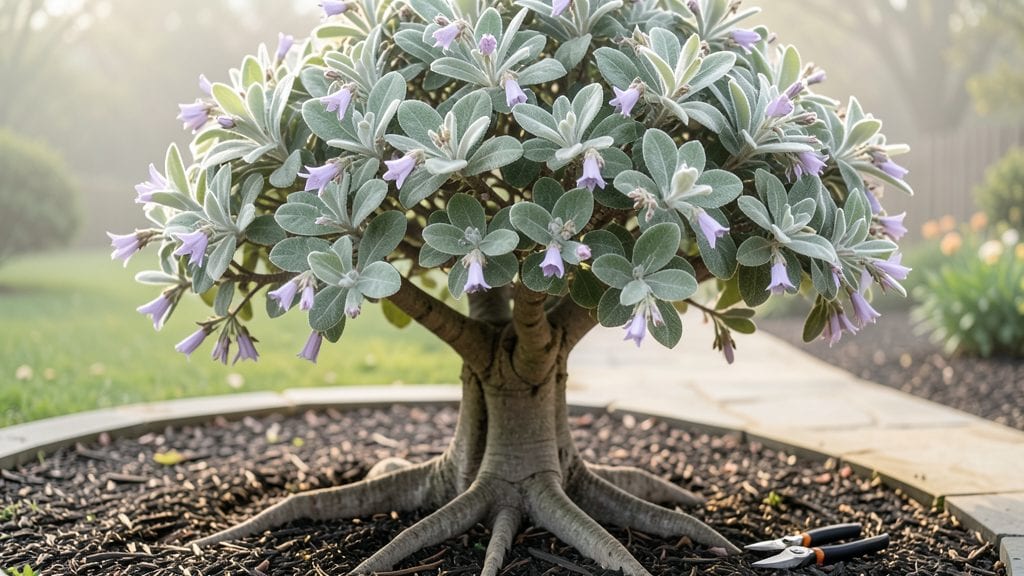
Growing a paulownia tomentosa tree in the Pacific Northwest means you’ll have a towering shade provider within just a few seasons—this isn’t just a tree, it’s a fast-growing statement piece that outpaces almost anything else in your yard.
I planted mine last spring, and by summer’s end, it was already taller than my fence. The key? Matching its wild growth habits to your space and soil, because this tree doesn’t play small.
This tree thrives in zones 4-9, making it perfect for PNW climates where winters are damp and summers are mild. It demands full sun (at least 6 hours daily) and well-draining soil—clay-heavy or waterlogged spots will stunt its growth.
The secret to its speed? Deep roots and nutrient-hungry foliage, so enrich the soil before planting. Once established, it’s drought-tolerant but still appreciates regular watering during its first year.
You’ll love watching it transform your landscape—imagine 100-foot-tall shade in just 20 years, with heart-shaped leaves that turn golden in fall. The wood is lightweight yet strong, prized for musical instruments and carvings, but even without that, the sheer drama of its growth is worth it.
Prune young branches to encourage a sturdy trunk, and watch as it becomes the centerpiece of your garden.
Fair warning: this tree’s roots spread aggressively, so give it space—at least 30 feet from structures or other plants. In urban areas, consider container growing for the first few years. The trade-off? Few trees grow this fast and look this striking. Ready to plant your future giant?
📚 In This Guide
- What you need
- Instructions
- Tips and common mistakes
- Wrapping up and next steps
What you need
- ● Paulownia tomentosa seeds or seedlings: 1–3 (seeds may take 2–3 years to germinate; seedlings grow faster).
- ○ Well-draining soil: Mix of loamy soil + compost (pH 6.0–7.5). Optional: Sand for heavier clay soils.
- ● Sunlight: Full sun (6+ hours/day). Partial shade is tolerable but may slow growth.
- ● Water source: Hose, drip irrigation, or rain barrel (1–2 gallons per watering for young trees).
- ● Mulch: Wood chips or straw (2–3 inches deep) to retain moisture and suppress weeds.
- ● Garden shovel or trowel: For digging holes (12–18 inches deep/wide for seedlings).
- ● Pruning shears: For shaping and removing dead branches (sterilize with rubbing alcohol).
- ● Garden gloves: Heavy-duty for protection (Paulownia roots can be invasive!).
- ● Measuring tape: To ensure proper spacing (20–30 feet apart for mature trees).
- ○ Fertilizer (optional): Balanced 10-10-10 or slow-release granular fertilizer (spring/fall).
- ● Organic options: Compost tea or worm castings.
- ● Check local regulations: Some areas restrict Paulownia tomentosa due to invasive root systems.
- ● Space planning: Mature trees reach 40–50 feet tall/wide—ensure no power lines or structures are nearby!
- ● Patience: While fast-growing, it takes 3–5 years for full canopy development.
How to plant and establish a Paulownia tomentosa tree in the Pacific Northwest
This giant grows faster than most trees—here’s how to get it thriving in your region’s climate.
Select the Right Location and Prepare the Soil
The Paulownia tomentosa thrives in full sun with at least 6 hours of direct light daily, but in the Pacific Northwest’s cooler summers, partial shade during peak afternoon sun helps prevent leaf scorch. Choose a spot with well-draining soil—this tree hates soggy roots, and Pacific Northwest’s wet winters can lead to root rot if drainage is poor.
Test your soil’s drainage by digging a 12-inch-deep hole and filling it with water. If it drains completely within 2 hours, your site is suitable. If not, amend the soil with 3-4 inches of compost and a 2-inch layer of coarse sand or gravel to improve aeration. The tree’s deep taproot means you’ll only need to amend the top 18 inches of soil.
Plant at the Correct Depth and Spacing
Dig a hole twice as wide as the root ball but only as deep—planting too deep suffocates the roots, while too shallow exposes them to temperature swings. The top of the root ball should sit 1-2 inches above ground level to allow for future settling. In the Pacific Northwest, where winters are mild but damp, a slight mound helps prevent waterlogging.
Space your tree 30-40 feet away from structures, power lines, or other trees—Paulownia tomentosa grows 30-50 feet tall and spreads 20-40 feet wide, with a massive canopy. If planting multiple trees, space them 50 feet apart to avoid future root competition. Handle the root ball gently; its fibrous roots break easily, and damaged roots slow establishment.
Water Deeply and Mulch for Retention
Water the tree deeply immediately after planting, soaking the soil to a depth of 18 inches. In the Pacific Northwest’s maritime climate, 1-2 inches of water per week (including rainfall) is ideal, but deep, infrequent watering encourages strong root growth. Avoid shallow watering, which promotes weak, surface roots that struggle in winter rains.
Apply 3-4 inches of organic mulch (such as wood chips or bark) around the base, keeping it 6 inches away from the trunk to prevent rot. Mulch helps retain moisture and regulate soil temperature, which is critical in the Pacific Northwest’s cool, damp springs. Replenish mulch annually—it breaks down quickly in the region’s humid climate.
Fertilize Lightly and Monitor for Early Signs of Stress
Paulownia tomentosa is fast-growing but not heavy-feeding—over-fertilizing leads to weak wood and disease susceptibility. In the first year, apply a balanced, slow-release fertilizer (10-10-10) at half the recommended rate in early spring. In subsequent years, a low-nitrogen fertilizer (5-10-10) in late winter supports strong growth without encouraging excessive foliage.
Watch for yellowing leaves or stunted growth—common signs of overwatering or poor drainage in the Pacific Northwest’s wet climate. If leaves curl or drop prematurely, it may indicate fungal issues (like powdery mildew) from high humidity. Prune affected branches immediately and improve airflow around the canopy by thinning dense areas.
Prune for Structure and Wind Resistance
Young Paulownia trees benefit from light pruning in late winter or early spring to remove dead, crossing, or weak branches. Focus on structural integrity, especially in the Pacific Northwest, where winter storms can snap weak limbs. Never remove more than 25% of the canopy in one season—this tree recovers poorly from aggressive pruning.
As the tree matures, prune to open the center and improve airflow, reducing disease risk. Avoid heavy pruning in fall, as new growth won’t harden off before winter. In the Pacific Northwest’s mild winters, the tree may leaf out early—protect young specimens with burlap wraps if frost is forecasted after dormancy.
Tips & tricks for planting and establishing Paulownia tomentosa trees in the Pacific Northwest
Planting a Paulownia tomentosa means embracing its rapid growth potential—here’s how to set it up for success in your region’s unique climate.
Location Precision: While the instructions emphasize 6 hours of sun, I’ve found that in the Pacific Northwest’s cooler summers, positioning your tree slightly east of south can maximize morning sunlight while avoiding the harshest afternoon rays. This small adjustment prevents leaf scorch while still meeting the light requirements. The tree’s ability to tolerate partial shade makes it uniquely adaptable to our region’s climate patterns.
Soil Testing Shortcut: For the 2-hour drainage test in Step 1, use a simple household tool: a clear plastic bottle with drainage holes poked in the bottom. Fill it with water, bury it in your test hole, and time how long it takes to drain completely. This method gives you precise results without digging a permanent hole. Remember, the goal is to mimic the tree’s natural preference for well-aerated soil that prevents root suffocation.
Planting Depth Visual: When creating your planting hole, imagine the root ball as a clock face. The top should sit at the 12 o’clock position—just 1-2 inches above ground level. This subtle elevation helps prevent waterlogging in our damp winters while allowing for natural soil settling. The fibrous roots will appreciate this breathing room as they establish themselves.
Pacific Northwest Watering Strategy: Our region’s maritime climate means you’ll need to adjust the 1-2 inches weekly watering guideline. During our wet winters, you can reduce watering to every 2-3 weeks, focusing on deep soaks that encourage root growth downward. In summer, increase frequency to weekly but always aim for that 18-inch soil depth penetration—this mimics the tree’s natural deep-rooting habit in its native Asian habitats.
Pro Tips for Paulownia Tomentosa Tree
- Planting a Paulownia tomentosa means embracing its rapid growth potential—here’s how to set it up for success in your region’s unique climate.
- This small adjustment prevents leaf scorch while still meeting the light requirements.
- Soil Testing Shortcut: For the 2-hour drainage test in Step 1, use a simple household tool: a clear plastic bottle with drainage holes poked in the bottom.
Frequently asked questions
Got questions about growing Paulownia tomentosa in your Pacific Northwest garden? Here are some of the most common ones—plus expert answers to help you thrive!
How fast does Paulownia tomentosa grow?
This tree is a speed demon! With ideal conditions, it can grow 6–10 feet per year and reach maturity (30–50 feet tall) in just 10–15 years. In the Pacific Northwest’s mild climate, expect rapid growth, especially in well-drained soil with full sun.
Is Paulownia tomentosa cold-hardy enough for the PNW?
Yes! It thrives in USDA Zones 4–9, making it perfect for the PNW. While young trees may need winter protection (like mulch or burlap wraps), established specimens handle frost and snow like a champ. Just avoid waterlogged soil in winter to prevent root rot.
Can I grow Paulownia tomentosa from seed?
Seeds are an option, but grafted or nursery-grown saplings are faster and more reliable. Seeds can take 1–2 years to germinate and may not retain the parent tree’s traits. For quicker results, opt for a 1–2-year-old transplant from a reputable grower.
Does Paulownia tomentosa attract pests or diseases?
Generally low-maintenance, but watch for aphids, spider mites, or borers in hot/dry summers. Fungal issues (like powdery mildew) can occur in humid conditions. Preventative care—like pruning for airflow and avoiding overhead watering—keeps problems at bay.
How close can I plant Paulownia tomentosa to my house?
Keep it at least 30–50 feet away from structures due to its massive size. Its shallow roots can also disrupt foundations or sidewalks over time. If space is tight, consider dwarf varieties (like Paulownia fortunei) or container-growing for smaller yards.
Pro Tip:
For faster growth, fertilize young trees annually with a balanced 10-10-10 formula in early spring. Mulch heavily (3–4 inches) to retain moisture and suppress weeds—this tree loves to drink!
Wrapping up and next steps
The Paulownia tomentosa tree is a stunning, fast-growing giant that brings both beauty and practicality to Pacific Northwest gardens. With its rapid growth, adaptability, and striking foliage, it’s a fantastic choice for landowners looking to enhance their landscape while supporting local ecosystems.
Whether you’re drawn to its helicopter seed pods or its ability to thrive in diverse conditions, this tree offers endless rewards.
Ready to grow your own? Start by researching local nurseries or sourcing a high-quality sapling—then roll up your sleeves and plant! Your future shade canopy is just a few seasons away. 🌱✨