
Pruning
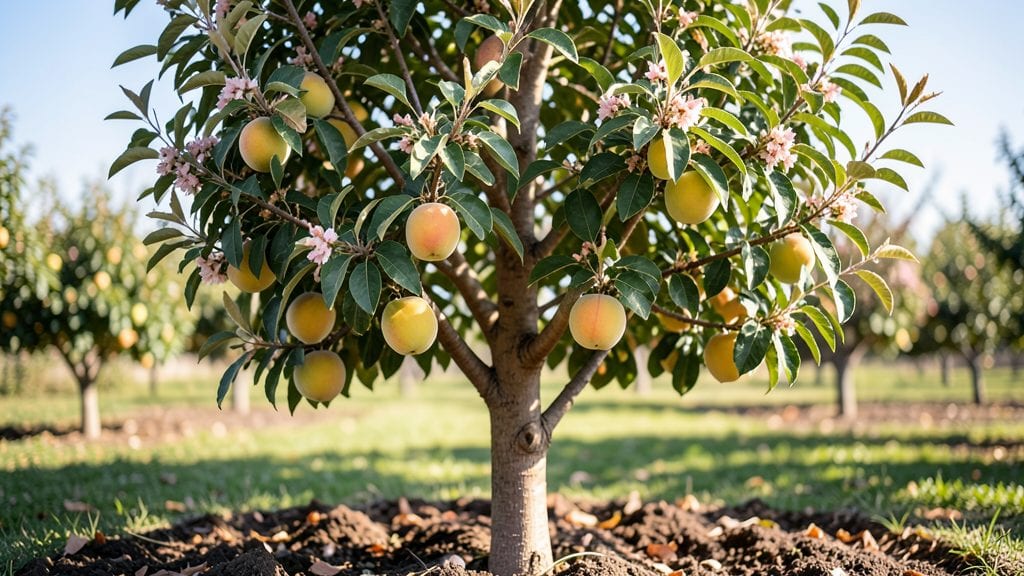
Proper Elberta peach tree care turns scraggly branches into fruit-loaded canopies—all it takes is mastering a few key pruning cuts, and the harvest difference is stunning. 🌿 I’ve watched these trees thrive with the right technique, and the sweetest summer rewards come from just a few strategic snips. staggering.
The secret isn’t complicated: it’s about opening up the center for sunlight and air, while keeping the structure strong enough to support heavy fruit.
First, you’ll need sharp pruners, a ladder (for taller trees), and a clear day—no wet branches. The best time to prune is late winter or early spring, before buds swell, when the tree’s dormant but pests are still asleep.
I’ve pruned mine for five years now, and the biggest mistake I see? Cutting too late in the season, which invites disease or weak growth. Start with the dead or crossing branches—they’re the easiest to spot and remove first.
By summer, you’ll see the payoff: clusters of fuzzy peaches ripening in full sun, with no rot at the center of the tree. The branches stay sturdy, the fruit develops evenly, and you avoid the heartbreak of peaches falling before they’re ready.
Even in colder zones, these trees thrive with the right care—and the taste? Worth every snip of the pruners.
Works for both young trees and mature ones, though the approach shifts slightly after the first few years. Once you’ve got the basics down, you’ll start noticing which branches consistently produce the best fruit—and that’s when the real magic happens. Let’s get those branches trimmed for next year’s harvest.
📚 In This Guide
- What you need
- Instructions
- Tips and common mistakes
- Wrapping up and next steps
What you need
- ● Pruning tools: 1 sharp bypass pruners (for small branches, 4–6 inches in diameter)
- ● 1 pruning saw (for thicker branches, 6+ inches in diameter)
- ● 1 loppers (for medium branches, 2–4 inches in diameter)
- ● Safety gear: 1 pair cut-resistant gloves (to protect hands from thorns)
- ● 1 safety goggles (to shield eyes from debris)
- ● Cleaning supplies: 1 bottle rubbing alcohol (70% or higher) (to sterilize tools)
- ● 1 roll paper towels or rags (for wiping tools between cuts)
- ○ Pruning sealant (optional but recommended): 1 tube pruning paint or wound dressing (to prevent disease entry)
- ● Knowledge: Basic understanding of Elberta peach tree anatomy (e.g., identifying water sprouts, deadwood, and crossing branches)
- ● Awareness of pruning timing (dormant season for cold-hardy varieties like Elberta)
- ○ Optional but helpful: 1 pruning guide or diagram (for visual reference)
- ● 1 ladder or step stool (for taller trees, 6+ feet)
- ● 1 disposable pruning bags (to collect debris easily)
Step-by-step pruning guide for your Elberta peach tree
Here's how to keep your cold-hardy Elberta thriving with simple, seasonal pruning.
✂️ Step 1: Prune in Late Winter Before Bud Break
Start your work in late winter (just before buds swell) when the tree is still dormant. This timing prevents disease spread and gives wounds time to heal before spring growth. I always prune on a dry, sunny day—wet wood splinters easily and invites rot. Use clean, sharp pruning shears to make cuts at a 45-degree angle just outside the branch collar (that swollen area where the branch meets the trunk).
Remove any dead, diseased, or crossing branches first. These are easy to spot—they're brown inside, won't snap when bent, or rub against other branches. I cut these back to the trunk or larger branch, leaving no stubs. For larger branches over ½ inch thick, use loppers instead of shears. The goal is to open the center of the tree to sunlight and airflow—Elberta peaches need this to prevent fungal issues like brown rot.
☀️ Step 2: Shape the Tree for Maximum Sun Exposure
Elberta peaches produce best when they get full sun (6-8 hours daily). After removing the obvious deadwood, step back and visualize the tree's shape. You want a rounded, vase-like form with branches spaced 8-12 inches apart. Focus on removing branches that grow inward or downward—they'll block sunlight and crowd fruit production.
Look for water sprouts (fast-growing vertical shoots) and suckers (shoots from the base). These steal energy from fruit production. Cut these back to the trunk immediately. I also thin out excessive leafy growth—aim to keep 6-8 main scaffold branches (the large horizontal limbs). Each branch should have 3-5 secondary limbs radiating outward. This structure ensures even sunlight distribution and easier fruit harvesting.
🌿 Step 3: Summer Pruning to Encourage Fruit Production
After the tree flowers but before fruit sets (around late spring), do a light pruning to encourage new growth where you want it. Remove any shoots growing from the trunk below the graft (these are usually less cold-hardy). Also, trim back last year's fruit spurs (the small clusters of leaves where fruit forms) by ⅓ to stimulate new, productive growth.
Watch for sucker growth again in summer—these pop up at the base or where branches meet the trunk. Cut these off immediately with a clean cut. If you see dieback (dead branches in the center), prune these out to maintain airflow. Here's the thing—Elberta peaches are self-pollinating, but they still need good air circulation to prevent diseases like leaf curl. Thin out any branches that create dense clusters, even if they look healthy.
⏰ Step 4: Autumn Cleanup and Winter Preparation
In late autumn (after leaves fall but before hard frosts), do a final check for dead or diseased wood. Remove any branches that show signs of brown rot (dark, mushy spots) or peach leaf curl (purple, curled leaves). Sterilize your pruners with rubbing alcohol between cuts to prevent spreading disease. Rake up and dispose of all pruned material—don't compost it, as diseases can overwinter in the debris.
Apply a 2-3 inch layer of mulch (like wood chips) around the base, keeping it 6 inches away from the trunk. This protects roots from freeze-thaw cycles and retains moisture. For Elberta peaches, which are cold-hardy but sensitive to late frosts, I also wrap the trunk with tree wrap in late fall to prevent sunscald. This tree is tough, but a little extra care in winter keeps it thriving for decades.
🌱 Step 5: Year-Round Maintenance for Long-Term Health
Throughout the growing season, keep an eye out for pests like aphids or peach tree borers. These can weaken the tree and reduce fruit quality. If you spot them, treat with neem oil or insecticidal soap early. Water deeply once a week (about 1-1.5 inches) during dry spells, focusing on the root zone. Elberta peaches have shallow roots, so consistent moisture is key—especially during fruit development.
Every 3-4 years, do a rejuvenation pruning in late winter. This involves cutting back ⅓ of the oldest wood to stimulate new growth. Start with the thinnest, least productive branches and work outward. This keeps the tree youthful and productive. I also fertilize in early spring with a balanced 10-10-10 fertilizer (follow package rates) to support new growth. The result? A strong, cold-hardy Elberta peach tree that bears fruit reliably year after year.
Tips & tricks for perfect Elberta peach tree care
A few simple tricks can make all the difference in keeping your Elberta peach tree thriving year after year.
Timing is Everything: The late winter pruning window is critical—aim for just before buds swell, but don't wait until spring. I've learned this the hard way: pruning too early can expose fresh cuts to harsh winter winds, while pruning too late risks spreading diseases when sap starts flowing. If you miss the late winter window, wait until early spring before buds open, but don't delay beyond that. The goal is to give your tree's wounds time to heal before the growing season begins.
Tool Maintenance Matters: Your pruning tools are just as important as your technique. Sterilize shears between cuts with rubbing alcohol, especially when dealing with diseased branches. I keep a small spray bottle of diluted alcohol (1 part alcohol to 3 parts water) handy for quick cleanups. Also, sharpen your tools regularly—dull blades tear wood instead of making clean cuts, which invites infection. For larger branches over ½ inch thick, use loppers with bypass blades for precise cuts that heal better.
Visualize the Vase Shape: When shaping your tree in Step 2, step back frequently to visualize the rounded vase form. The 8-12 inch spacing between branches isn't just a guideline—it's essential for airflow and sunlight penetration. I find it helpful to sketch a rough outline on paper first. Focus on removing branches that grow inward or downward first, as these are the biggest culprits for blocking sunlight and creating dense, disease-prone clusters. Remember, your goal is to create an open center that lets light reach all parts of the tree.
Seasonal Checklist: Create a simple seasonal checklist to stay on track. In late winter, mark "remove dead/diseased branches" and "shape for sunlight." In late spring, note "trim fruit spurs by ⅓" and "remove suckers." Autumn should include "sterilize tools" and "apply mulch." I keep this checklist on my fridge door with a magnet—it's amazing how much difference this simple visual reminder makes in staying consistent with maintenance.
Pro Tips for Elberta Peach Tree Care
- A few simple tricks can make all the difference in keeping your Elberta peach tree thriving year after year.
- Timing is Everything: The late winter pruning window is critical—aim for just before buds swell, but don't wait until spring.
- Tool Maintenance Matters: Your pruning tools are just as important as your technique.
Frequently asked questions
Got questions about keeping your Elberta peach tree thriving? Here are answers to the most common concerns—from pruning timing to pest troubleshooting—so you can grow a productive, cold-hardy tree with confidence!
When is the best time to prune an Elberta peach tree?
Prune your Elberta peach tree late winter or early spring (just before buds swell) to remove dead wood and shape the tree. Avoid pruning in fall—it can leave wounds vulnerable to disease. For cold-hardy varieties, wait until after the last frost to minimize stress. See our step-by-step guide for exact techniques!
How cold-hardy is the Elberta peach tree, and how do I protect it in winter?
The Elberta peach tree tolerates USDA Zones 5-9, but young trees or harsh winters may need extra care. Wrap the trunk with tree wrap or burlap to prevent sunscald, and mulch heavily (3–4 inches) around the base. Avoid overwatering in winter—dormant trees need less! For extreme cold (<10°F), consider a frost cloth over blossoms in spring.
What pests or diseases should I watch for, and how do I treat them?
Elberta peaches are prone to peach leaf curl (fungus causing puckered leaves) and peach tree borers (larvae tunneling into bark). Treat leaf curl with copper fungicide in late fall, and prevent borers by keeping the tree healthy and sealing wounds with pruning paint. For aphids or spider mites, spray with neem oil or insecticidal soap.
Why aren’t my Elberta peaches ripening, even though the tree is full of fruit?
Overcrowded fruit or late spring frosts can delay ripening. Thin fruit to 6–8 inches apart in early summer to improve size and quality. If blooms appear too early, consider delayed-dormancy sprays (like hydrogen cyanamide) to sync flowering with warmer temps. Also, ensure the tree gets full sun (6+ hours/day)—shade slows fruit development.
Can I grow an Elberta peach tree in a container, or does it need to be planted in the ground?
Elberta peaches prefer in-ground planting due to their size (12–15 ft tall) and deep root systems. However, dwarf varieties (like ‘Redhaven’ or ‘Relenta’) can thrive in large containers (20+ gallons) with well-draining soil. If potted, move the tree indoors (or to a sheltered spot) during winter if temps drop below 15°F.
Wrapping up and next steps
Caring for your Elberta peach tree is all about patience, precision, and a little seasonal love—especially when it comes to cold-hardy pruning. By following the right techniques, you’ll set the stage for a sweeter, more abundant harvest year after year.
Remember, healthy trees thrive, and with your newfound expertise, you’re well on your way to becoming a peach-growing pro!
Now that you’re armed with knowledge, roll up your sleeves and schedule your next pruning session—your tree (and taste buds!) will thank you. Happy pruning! 🌱✂️