
Trees
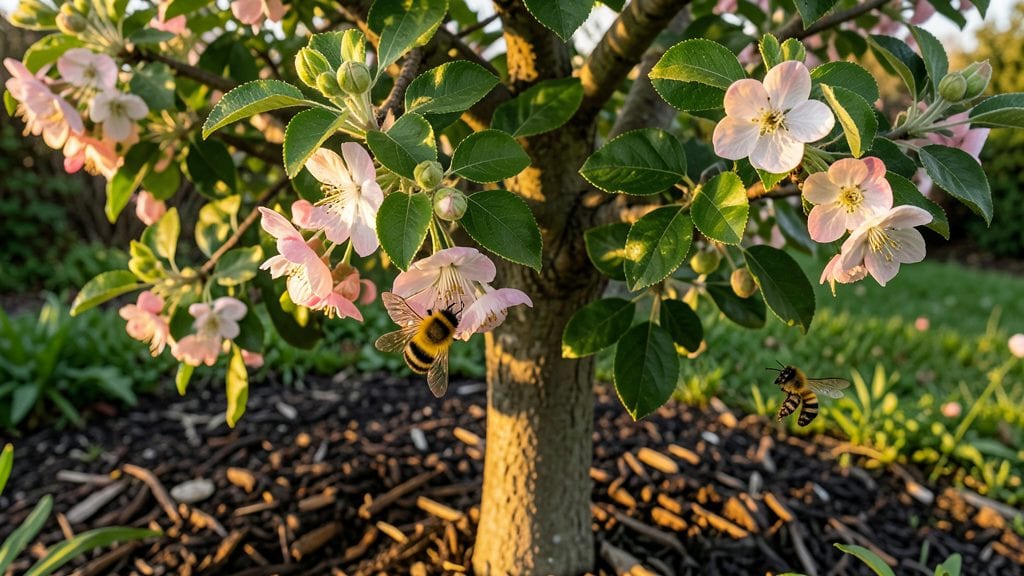
Pollinating apple trees is essential for fruit production, and I’ve learned the hard way that planting just one variety won’t cut it—whether you’re dealing with a single tree or a small orchard. 🌳 Understanding how to encourage pollination—whether through bees, wind, or even a little human help—is the key to a harvest bursting with crisp, flavorful apples.
Most apple varieties rely on cross-pollination from another compatible tree, and even wind-pollinated types benefit from nearby blooms. The best approach depends on your space: if you have room for two trees, choose complementary varieties like ‘Gala’ and ‘Honeycrisp.’
For smaller gardens, consider adding pollinator-friendly plants like crabapples or flowering shrubs to attract bees during bloom season.
Once you’ve set up the right conditions, the payoff is undeniable—full branches heavy with fruit, instead of sparse clusters or no fruit at all. Timing is everything: pollination happens when flowers are open, typically in spring, and maintaining healthy trees ensures strong blooms year after year.
Even a single missed step can mean fewer apples, so let’s make sure you get it right.
This method works for backyard orchards, urban homesteads, and even container-grown dwarf apple trees. With the right planning, you’ll transform a potentially barren tree into a productive powerhouse. Let’s get started on the steps that make the difference between disappointment and a harvest to be proud of.
📚 In This Guide
- What you need
- Instructions
- Tips and common mistakes
- Wrapping up and next steps
What you need
- ● Apple trees: At least two compatible varieties (e.g., 'Honeycrisp' + 'Gala' or 'Fuji' + 'Granny Smith') in full bloom. Ensure they’re within 50–100 feet of each other for natural pollination.
- ● Bees or pollinators: Honeybees: 2–3 hives per acre (or a rental colony if you’re short on space). Pro tip: Place hives near trees during peak bloom (early spring). 🐝
- ● Native bees: Install bee houses (sold in sets of 5–10) or plant pollinator-friendly flowers (e.g., lavender, clover) nearby.
- ○ Hand-pollination tools (optional but helpful): Soft-bristle paintbrush (e.g., makeup brush) or cotton swab for transferring pollen.
- ● Magnifying glass (3x–5x) to spot pollen grains on anthers.
- ● Safety gear: Gloves (nitrile or cotton) to protect hands from sap or pollen.
- ● Lightweight long sleeves/pants to avoid scratches from branches.
- ● Timing: Pollinate during peak bloom (when 70–90% of flowers are open) and on dry, sunny mornings (pollen sticks best then!). Check your region’s apple tree bloom forecast.
- ● Tree health: Ensure trees are disease-free (no signs of fire blight, scab, or mites) and well-watered. Stressed trees produce less pollen.
- ● Weather check: Avoid pollinating after rain or if temperatures are below 55°F (13°C)—pollen won’t transfer effectively.
- ● Compatibility: Verify your apple tree varieties are cross-pollinating partners (e.g., 'Pink Lady' needs another variety like 'Golden Delicious'). USDA’s Pollination Guide is a great resource!
- ● Pollen collection kit: Small mesh bags or silica gel packets to store pollen for later use (if hand-pollinating multiple trees).
- ● Tree tags: Label branches with bloom dates to track pollination progress.
- ● Pollinator-friendly plants: Add 1–2 pollinator gardens near your orchard with native flowers (e.g., coneflowers, asters) to attract bees year-round.
- ● Humidifier (for indoor storage): If storing pollen, keep it in a cool, humid environment (e.g., 35–40% humidity) to preserve viability.
Step-by-Step guide to cross-pollinating apple trees
Here’s how I ensure my apple trees produce fruit year after year—no guesswork, just science-backed pollination.
🌱 Step 1: Identify Compatible Apple Tree Varieties
Not all apple trees pollinate each other—you need at least two varieties that bloom at the same time. Check the bloom time labels on your trees (early, mid, or late season) and pair them accordingly. For example, a Honeycrisp (mid-season) won’t pollinate a Granny Smith (late-season) if their bloom periods don’t overlap.
I always plant at least two varieties within 50 feet of each other, since bees have a limited range. If you only have one tree, consider planting a second variety nearby or even a dwarf pollinator in a pot. The key is ensuring their flowers open within a few days of each other—that’s when cross-pollination happens.
☀️ Step 2: Time Planting for Optimal Bloom Overlap
Even if you have compatible varieties, their bloom times might not align if planted at different ages. Young trees (under 3 years old) often bloom later, so I plant them in the same year or stagger them by no more than 12 months. This ensures their flowers open simultaneously, maximizing pollination.
Watch for pink buds in early spring—this is your signal that bloom season is near. If one tree blooms a week before or after another, you’ll miss the pollination window. In that case, hand-pollinate (more on that below) or consider replacing one of the varieties with a better-matched type.
🐝 Step 3: Encourage Natural Pollinators
Bees and other pollinators do most of the work, but you can give them a helping hand. Plant bee-friendly flowers like clover, lavender, or cherry blossoms nearby—these attract pollinators and keep them visiting your apple trees. Avoid pesticides during bloom season, as even "bee-safe" sprays can reduce pollinator activity.
If your area has few natural pollinators (like in early spring before bees are active), you’ll need to hand-pollinate. On a dry, sunny morning, use a small paintbrush to transfer pollen from one tree’s flowers to another’s. Focus on flowers that are fully open but haven’t yet dropped petals—these are the most receptive to pollination.
⏰ Step 4: Monitor for Successful Pollination
About 4-6 weeks after blooming, check for tiny apple buds forming on the branches. These look like little green bumps where flowers once were. If you see them, pollination worked! If not, you may need to adjust your tree pairings or try hand-pollination next season.
Thin the fruit when they’re walnut-sized to ensure the remaining apples get enough nutrients. Overcrowded fruit leads to small, misshapen harvests. I remove every other cluster, leaving only the healthiest-looking apples to grow.
🍎 Step 5: Maintain Trees for Future Harvests
Healthy trees produce better fruit, so prune in late winter to improve airflow and sunlight penetration. Remove dead, crossing, or overcrowded branches to keep the canopy open. This also makes it easier for pollinators to navigate the tree.
Fertilize in early spring with a balanced 10-10-10 formula to support bloom production. Over-fertilizing with nitrogen can lead to lots of leaves but few flowers—so balance is key. Water deeply once a week during dry spells, keeping the soil 2-3 inches deep consistently moist but not soggy.
Tips & tricks for perfect apple tree pollination
These expert insights will help you maximize your apple harvest with minimal effort—no more wasted blooms or empty fruit sets!
Variety Pairing Precision: When selecting apple varieties, look for those labeled with the same bloom group (early, mid, or late season). I’ve found that pairing a Fuji (mid-season) with a Gala (mid-season) works beautifully, while mixing them with a Braeburn (late-season) risks missed pollination windows. Check your local nursery’s bloom charts for the most compatible pairings in your region.
Planting Age Strategy: The 12-month planting window in Step 2 is critical—young trees under 3 years old often bloom later than mature ones. If you’re adding a second tree to an established orchard, plant it in the same year or the year before to ensure synchronized blooming. Real talk: I once planted a 4-year-old tree next to a 2-year-old and got almost no fruit because their bloom periods didn’t overlap!
Pollinator Attraction Pro Tip: For maximum bee activity, plant your pollinator-friendly flowers in a sunny, south-facing location near your apple trees. I’ve had great success with a mix of dill (which bees adore) and purple coneflower10 feet away to prevent competition for nutrients.
Hand-Pollination Technique: When hand-pollinating, focus on the center flowers of each cluster—they’re the most receptive. Use a soft-bristled paintbrush (or even a cotton swab) to gently collect pollen from one tree’s open flowers and transfer it to another’s. I do this on dry mornings when flowers are fully open but haven’t yet dropped petals—this timing gives pollen the best chance to stick and germinate.
Pro Tips for Pollinating Apple Trees
- These expert insights will help you maximize your apple harvest with minimal effort—no more wasted blooms or empty fruit sets!
- Variety Pairing Precision: When selecting apple varieties, look for those labeled with the same bloom group (early, mid, or late season).
- Planting Age Strategy: The 12-month planting window in Step 2 is critical—young trees under 3 years old often bloom later than mature ones.
Frequently asked questions
Got questions about pollinating your apple trees? You’re not alone! Here are some of the most common queries—plus clear, actionable answers to help you grow a fruitful orchard.
What are the best pollinating apple tree varieties for home gardens?
Choose compatible varieties that bloom at the same time. Popular pairings include:
- Honeycrisp + Gala or Fuji
- Granny Smith + Golden Delicious
- McIntosh + Cortland
When is the best time to plant pollinating apple trees?
Plant trees in early spring (just before buds swell) or fall (6–8 weeks before frost). Avoid extreme heat or cold—young roots need time to establish. If buying bare-root trees, plant them immediately upon arrival to prevent drying.
Can I hand-pollinate apple trees if there are no bees?
Yes! Use a soft paintbrush or cotton swab to transfer pollen from one flower’s stamens to another’s stigma. Do this on dry, sunny mornings when flowers are open (usually spring). For large trees, repeat every 2–3 days during bloom. Pro tip: Wear gloves to avoid transferring pollen accidentally!
Why aren’t my apple trees producing fruit even with pollinators?
Several factors might be at play:
- Wrong pollination partners: Double-check variety compatibility.
- Poor timing: Trees need 100–150 chill hours (varies by region).
- Environmental stress: Drought, pests, or disease can reduce blooms.
- Young trees: Apple trees often take 3–5 years to bear fruit.
Do I need to plant a second tree if I already have one?
Most apple trees are self-unfruitful, meaning they need a second tree (or multiple) for cross-pollination. Exceptions: ‘Golden Delicious,’ ‘Granny Smith,’ and ‘Anna’ can sometimes self-pollinate, but yields are much lower. Plant a second tree within 50–100 feet for best results. Bonus: Diverse varieties attract more pollinators!
Wrapping up and next steps
Pollinating apple trees is a rewarding journey that turns your orchard into a thriving ecosystem—one that not only benefits your harvest but also supports local wildlife. 🌿 By understanding cross-pollination, timing, and the role of pollinators, you’re well on your way to enjoying juicier, sweeter, and more abundant apples.
Now’s the time to roll up your sleeves: plant companion flowers, invite bees and butterflies, and monitor your trees’ progress—your future apple pies are counting on you!
🚀 Your Next Step: Take Action!
Start small—even a single pollinator-friendly tree or garden patch makes a difference. Check local orchard groups for tips, or tag us in your pollination progress! 📸 The best harvests begin with curiosity and care.