
Trees
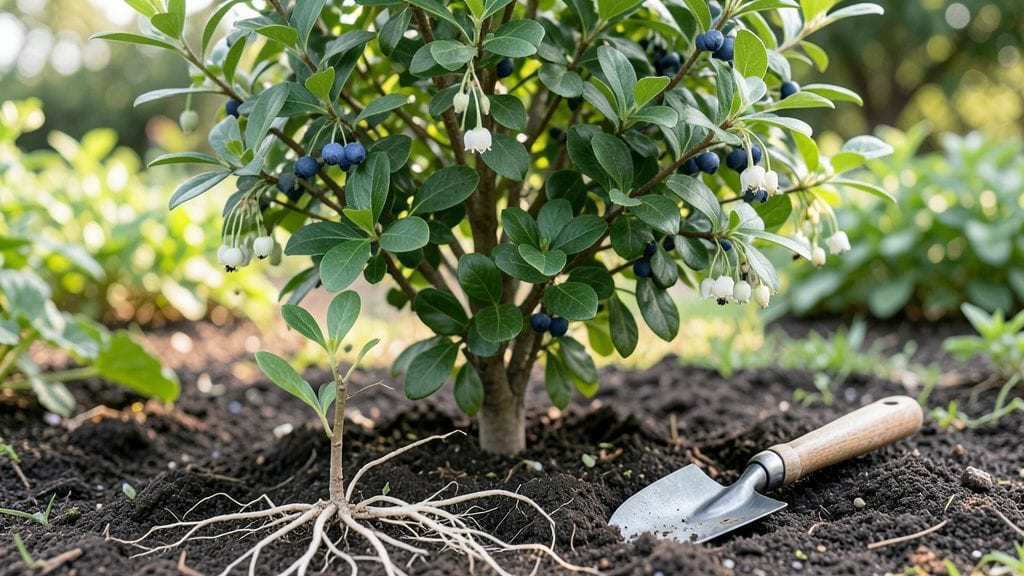
Planting blueberry trees in the Pacific Northwest means sweet, juicy harvests every summer—if you get the soil, sun, and spacing just right. 🌿 I’ve planted three varieties here, and the difference between a thriving bush and a struggling one comes down to acidity, drainage, and that first critical year of care.
You’ll need well-draining, acidic soil (aim for pH 4.5–5.5), a sunny spot with 6+ hours of light daily, and space—10 feet apart for standard bushes, more for larger varieties. The right tools (gloves, trowel, mulch) and timing (early spring or fall) make all the difference.
By summer, you’ll be picking plump berries straight from the bush, their deep blue color signaling ripeness. The secret? Consistent moisture (but not soggy soil) and a thick layer of mulch to keep roots cool. Even in rainy climates, these bushes thrive with the right prep.
Whether you’re growing ‘Duke,’ ‘Riversdale,’ or ‘Jersey’, the same rules apply—just adjust spacing for dwarf varieties. Let’s get those roots in the ground and start your berry bonanza!
📚 In This Guide
- What you need
- Instructions
- Tips and common mistakes
- Wrapping up and next steps
What you need
- ● Blueberry plants: Choose Pacific Northwest-tested varieties like 'Duke,' 'Jersey,' or 'Bluecrop' (2–6 plants for cross-pollination). Buy 1–2-year-old bare-root or container-grown plants from a reputable nursery.
- ● Well-draining soil: Mix 50% native soil with 50% acidic compost/peat moss (pH 4.5–5.5). Test soil pH with a kit (available at garden centers).
- ● Organic mulch: 4–6 inches of pine needles, wood chips, or sawdust (avoid cedar—it’s toxic!).
- ● Fertilizer: Acid-loving plant fertilizer (e.g., Espoma Azalea, Rhododendron & Holly Food) or cottonseed meal (10 lbs per 100 sq ft).
- ● Watering system: Drip irrigation or soaker hose (blueberries hate soggy roots!).
- ● Garden tools: Trowel or spade (for digging holes)
- ● Pruners (sterilized, sharp)
- ● Gloves (to protect from thorns and soil)
- ○ Optional but helpful: Soil pH meter (for precision)
- ● Mulch blower (saves time!)
- ● Wire cages or tree guards (to deter critters)
- ● Sunlight: Full sun (6+ hours/day)—choose a spot with minimal shade.
- ● Space: 4–6 feet apart for dwarf varieties, 8–10 feet for standard-sized trees.
- ● Water access: A consistent water source (blueberries are thirsty but hate "wet feet").
- ● Patience: 1–2 years for first harvest (but worth the wait! 🍇).
Step-by-step guide for planting blueberry trees in the Pacific Northwest
Here’s how I plant blueberries for maximum yield—using proven techniques for our region’s acidic soils and cool summers.
🌱 Step 1: Choose the Right Varieties and Planting Time
For the Pacific Northwest, I recommend ‘Duke’ (southern highbush) and ‘Legacy’ (northern highbush) varieties—they thrive in our climate. Plant bare-root trees in early spring (March–April) or container-grown plants in fall (September–October) to give roots time to establish before summer heat arrives.
Dig a hole twice as wide as the root ball but only as deep as the container or root system. This prevents burying the graft union (visible as a swollen area on the trunk) too deep, which can cause disease. If your soil isn’t naturally acidic (pH 4.5–5.5), amend it with sulfur or peat moss—blueberries refuse to fruit in alkaline soil.
🪴 Step 2: Prepare the Planting Hole and Soil
Mix the excavated soil with 3–4 inches of peat moss or pine bark fines (never compost or manure—it raises pH). This keeps the soil acidic and loose. I also add a handful of slow-release fertilizer (like 10-10-10) to the hole to give roots a nutrient boost without burning them.
Place the tree in the hole so the top of the root ball sits 1–2 inches above ground level. This prevents soil from settling and suffocating the roots later. Water deeply to settle the soil around the roots, then add more amended soil if the hole collapses. Mulch with 3–4 inches of pine needles or wood chips (not cedar—it’s toxic) to retain moisture and acidify the soil over time.
☀️ Step 3: Position for Sunlight and Watering
Blueberries need full sun (6–8 hours daily) but tolerate light shade in hot afternoons. In the PNW, I plant them where they get morning sun and afternoon shade from nearby trees or structures. After planting, water deeply every 2–3 days until new growth appears—this encourages roots to spread before summer drought sets in.
Use a drip irrigation system or soaker hose to deliver water slowly at the base. Avoid overhead sprinklers, which can cause fungal diseases. You’ll know watering is right when the top 6 inches of soil feel moist but not soggy. In the first year, keep the soil consistently moist—blueberry roots are shallow and sensitive to drying out.
✂️ Step 4: Prune and Maintain for First-Year Growth
Prune only to remove dead or crossing branches—never prune more than 25% of the tree in the first year. Blueberries fruit on wood from the previous year, so aggressive pruning now reduces next season’s harvest. I also remove any suckers (shoots growing from the base) to focus the tree’s energy on establishing its root system.
Fertilize lightly in late spring with an acid-loving plant fertilizer (like 12-12-12 with micronutrients). Over-fertilizing causes excessive leaf growth at the expense of fruit. Watch for yellow leaves—a sign of iron deficiency (common in alkaline soil) or overwatering. If leaves yellow but veins stay green, it’s likely iron; if veins yellow too, check drainage.
⏰ Step 5: Plan for Long-Term Care and Pollination
Blueberries are self-pollinating, but planting two varieties (like ‘Duke’ and ‘Legacy’) ensures better fruit set. In the PNW, I add a beehive or native bee habitat nearby—bees boost pollination rates by 30–50%. Prune annually in late winter (before buds swell) to remove old wood (over 3 years) and open the center for airflow.
Test soil pH every 2–3 years and amend with sulfur if it rises above 5.5. Mulch annually with pine needles (they slowly acidify the soil as they decompose). By year 3, your trees should bear fruit—patience pays off, but the wait is worth it for PNW’s sweet, juicy berries.
Tips & tricks for planting blueberry trees in the Pacific Northwest
A few key insights will help you avoid common pitfalls and maximize your blueberry yield in our region's unique climate.
Timing is Everything: The window for planting bare-root trees in early spring (March-April) is critical—roots need time to establish before summer heat arrives. If you miss this window, container-grown plants in fall (September-October) work beautifully too. Don't rush—wait for soil temperatures to rise above 40°F before planting bare-root trees to prevent root shock.
Soil Preparation Matters: When amending your soil with 3-4 inches of peat moss or pine bark fines, mix it thoroughly with the native soil—don't just layer it on top. For existing gardens, conduct a soil test first (PNW Extension offices offer affordable tests). I've seen blueberries struggle in soil with pH above 5.5 despite amendments—always verify pH before planting.
Watering Wisdom: The "deeply every 2-3 days" rule in Step 3 is non-negotiable during the first year. Use your finger to check soil moisture—top 6 inches should feel like a wrung-out sponge, not mud. Install a rain gauge nearby to monitor rainfall; we get inconsistent showers in the PNW, and blueberries hate drought stress. Consider a simple drip irrigation system on a timer for peace of mind.
Long-Term Strategy: That annual mulching with pine needles isn't just about moisture—it's a slow-release acidifier. I spread about 2 inches each spring to maintain that crucial 4.5-5.5 pH range. For established trees, add a handful of sulfur to the mulch every other year as a preventative measure against pH creep. This small habit saves you from potential fruitless seasons down the road.
Pro Tips for Planting Blueberry Trees
- A few key insights will help you avoid common pitfalls and maximize your blueberry yield in our region's unique climate.
- Timing is Everything: The window for planting bare-root trees in early spring (March-April) is critical—roots need time to establish before summer heat arrives.
- Soil Preparation Matters: When amending your soil with 3-4 inches of peat moss or pine bark fines, mix it thoroughly with the native soil—don't just layer it on top.
Frequently asked questions
Got questions about growing your own blueberry trees? You’re not alone—many gardeners are eager to dive in but want to avoid common pitfalls. Here are answers to the most about planting blueberry trees, tailored to the Pacific Northwest’s unique climate and soil.
What’s the best time of year to plant blueberry trees in the PNW?
Plant your blueberry trees in early spring (March–April) or early fall (September–October). Spring planting gives roots time to establish before summer heat, while fall planting allows roots to settle before winter dormancy. Avoid planting in late fall—frost-sensitive roots need protection!
Do blueberry trees need acidic soil? How do I test or adjust it?
Yes! Blueberries thrive in acidic soil (pH 4.5–5.5). Test your soil with a home kit or send a sample to a local extension office. To lower pH, amend soil with sulfur, peat moss, or pine needles. Avoid lime—it raises pH and harms blueberries. Pro tip: Re-test soil annually!
How far apart should I space blueberry trees for optimal growth?
Space standard blueberry bushes 4–6 feet apart and dwarf varieties 2–3 feet apart. This spacing ensures good airflow (reducing disease) and easy harvesting. For hedgerows, plant trees 3–4 feet apart in a single row. Bonus: Mix varieties for cross-pollination!
What pests or diseases should I watch for in PNW blueberry trees?
Common issues include:
- Blueberry maggots (larvae in fruit)—use row covers or organic sprays like neem oil.
- Mummy berry fungus (gray mold)—remove infected fruit and prune for airflow.
- Birds (they love ripe berries!)—install netting when fruit ripens.
Monitor leaves for spider mites (yellowing) and treat with water sprays or insecticidal soap.
Can I grow blueberries in containers? What’s the best setup?
Use a large pot (at least 18–24 inches deep) with acidic potting mix (add sulfur or pine fines). Choose dwarf varieties like ‘Top Hat’ or ‘Peach Sorbet.’ Place containers in full sun and water daily—containers dry out faster. Pro tip: Move pots indoors if temps drop below 10°F.
How long does it take for blueberry trees to bear fruit?
Most blueberry bushes take 2–3 years to produce fruit, but dwarf varieties may fruit in 1–2 years. Patience pays off—young trees focus on root growth first. Boost production by fertilizing with acid-loving plant food in early spring.
Wrapping up and next steps
Planting blueberry trees in the Pacific Northwest is a rewarding journey that blends patience with delicious results! 🌱 From selecting the right varieties like 'Duke' or 'Jersey' to mastering soil prep and care, every step brings you closer to a bountiful harvest.
Remember, consistency in watering, mulching, and pruning will ensure your bushes thrive for years.
Now that you’re equipped with the know-how, it’s time to roll up your sleeves and get planting! Start small—maybe just one or two bushes—and watch your garden transform into a blueberry paradise. Happy growing! 🌟