Pruning
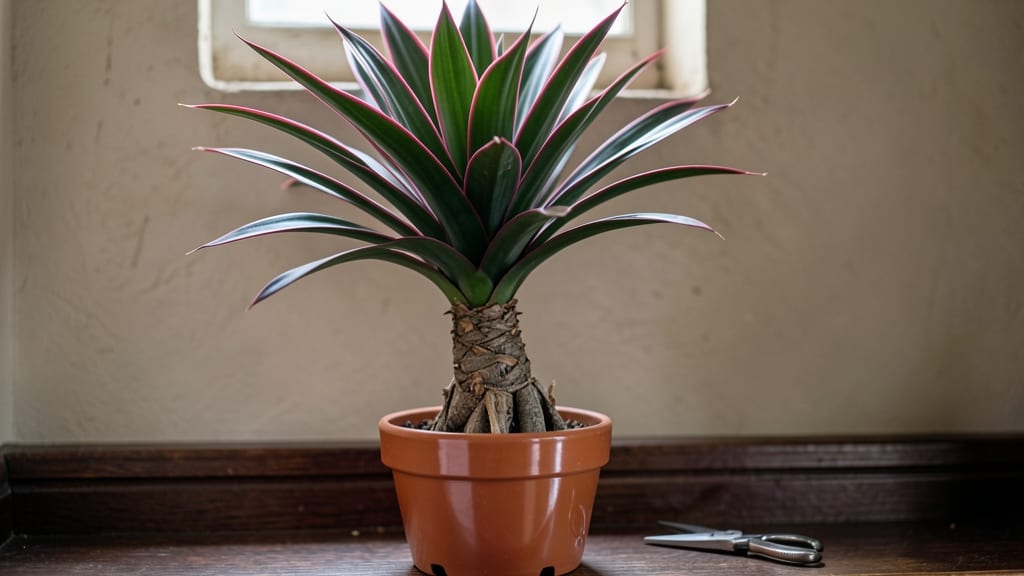
Your dragon tree finally flowering is a rare indoor gardening triumph—and pruning those rare blooms in late winter sets the stage for next year’s show. 🌱 I’ve watched my own Dracaena marginata produce its first delicate, creamy-white flowers after years of neglecting humidity levels and light shifts.
The key isn’t just cutting back dead growth—it’s understanding how to coax the plant into storing energy for another bloom cycle.
Here’s the thing: dragon trees can flower indoors, but they’re picky. You need bright, indirect light (no harsh afternoon sun), consistent moisture without soggy soil, and occasional misting to mimic tropical humidity.
My plant finally bloomed after I swapped its dim corner for a south-facing windowsill and started fertilizing lightly in spring. The flowers themselves are striking—fragrant, star-shaped, and short-lived—but the real payoff is the plant’s renewed vigor afterward.
When you prune after flowering, you’re not just tidying up—you’re shaping next year’s growth. Cut back any brown stems at the base, and you’ll see fresh, arching leaves emerge within weeks.
The plant might take 2–3 years to flower again, but each cycle makes it stronger. Think of it as a slow-motion reward system for your patience.
This works for both indoor plants and outdoor specimens in warm climates (zones 10–11). If your dragon tree stays stubbornly leafy but never blooms, it’s likely waiting for better conditions. Let’s fix that—starting with the right pruning cuts.
📚 In This Guide
- What you need
- Instructions
- Tips and common mistakes
- Wrapping up and next steps
What you need
- ● Pruning shears or bypass pruners – Sharp, clean, and sterilized (70% isopropyl alcohol works great!), with a 4- to 6-inch blade for precision cuts.
- ● Rubbing alcohol (70% or higher) – 1 small bottle (4 oz) to disinfect tools before and after pruning.
- ○ Gloves (optional but recommended) – 1 pair of nitrile or leather gloves to protect against sap irritation (Dragon Tree sap can be mildly irritating!).
- ○ Horticultural sealant (optional but helpful) – 1 small bottle (e.g., Tanglefoot Tree Wound Pruning Sealer) to coat larger cuts and prevent disease.
- ● Newspaper or drop cloth – 1 large sheet to protect surfaces from sap and debris.
- ● Sharpie or permanent marker – 1 for marking cuts if you’re propagating.
- ● Small pots or propagation trays – 2-3 (4-6 inch pots) if you plan to root cuttings.
- ● Well-draining potting mix – 1 bag (e.g., cactus/succulent mix) for repotting cuttings.
- ● Watering can or spray bottle – 1 for misting cuttings post-propagation.
- ● Rooting hormone – 1 small tube (e.g., Clonex) to boost success rates for cuttings.
- ● Humidity dome or plastic bag – 1 to create a mini greenhouse for cuttings.
- ● Ladder or step stool – If your Dragon Tree is tall (6+ feet), a stable ladder ensures safe access.
- ● Trash bag – 1 large for disposing of pruned debris.
Step-by-Step guide to pruning your dragon tree flower
Reviving your dragon tree in late winter is all about strategic cuts and timing—here’s how to coax back that lush, year-round growth.
✂️ Step 1: Assess and Select Branches for Pruning
Start by examining your dragon tree (Dracaena marginata) for branches that are leggy, overgrown, or no longer producing vibrant foliage. Focus on stems that have lost their lower leaves or are growing in an unbalanced way. I like to prune in late winter—just as new growth begins—because the plant uses this time to recover before spring’s active growth phase.
Use clean, sharp pruning shears to make your cuts. Avoid tearing the stems, as jagged edges invite disease. If a branch is particularly thick, I make a small upward-facing cut just above a leaf node (the bump where leaves attach). This ensures the plant can regrow from that point without leaving a bare stem.
✂️ Step 2: Prune at the Right Angle and Height
Always cut at a 45-degree angle about ¼ inch above a leaf node or a healthy bud. This angle prevents water from pooling on the cut, which could rot the stem. If you’re pruning a long, bare stem, you can cut it back to just above a cluster of leaves or a strong side shoot—this encourages fuller regrowth.
For thicker stems, I sometimes make a second, smaller cut just below the first to avoid tearing. The goal is to leave a smooth, clean surface. If you’re unsure where to cut, look for the smallest upward-facing bud—this is where new growth will emerge. Avoid cutting too close to the base, as this can stress the plant unnecessarily.
🌱 Step 3: Encourage New Growth with Proper Aftercare
After pruning, place your dragon tree in bright, indirect light for a few weeks to reduce stress. Avoid direct sunlight immediately, as new growth can scorch if exposed too soon. Water the plant lightly—only when the top 1-2 inches of soil feel dry—to prevent overhydration while it recovers.
You’ll notice new shoots emerging from the leaf nodes within 4-6 weeks. This is your signal that the pruning worked! If growth is slow, increase humidity slightly by misting the leaves or placing a tray of water nearby. Avoid fertilizing immediately—wait until you see fresh growth before adding nutrients to prevent burning the plant’s recovery system.
☀️ Step 4: Monitor and Maintain for Year-Round Lushness
Once new growth appears, gradually reintroduce bright, indirect sunlight over a week to harden the plant. You’ll see the dragon tree’s iconic arching branches fill out more evenly, and the vibrant red-edged leaves will return with vigor. Prune lightly again in early summer to shape the plant and remove any weak or crossing branches.
Here’s the thing—dragon trees are forgiving, but consistency matters. I prune mine once a year in late winter and again lightly in summer to keep it compact and healthy. Watch for yellowing leaves or brown tips, which can signal overwatering or low humidity. Adjust your care routine based on these cues, and your dragon tree will reward you with lush, year-round growth.
Tips & tricks for perfect dragon tree flower pruning
Here's what I've learned after years of pruning my dragon trees—these small details make all the difference in getting that lush, healthy regrowth.
Timing Secret: Late winter is your golden window because dragon trees naturally slow their growth during cooler months, making them more resilient to pruning. I've found that pruning just as new growth begins (usually in late February or early March) gives the plant time to recover before spring's active growth phase. This timing prevents shock and ensures vibrant new foliage by summer.
Cutting Technique: The 45-degree angle in Step 2 isn't just about aesthetics—it's about plant health. This angle prevents water from pooling on the cut surface, which could lead to rot. For thicker stems, I make a second, smaller cut just below the first to avoid tearing. Think of it like making a clean, professional haircut—no jagged edges that could invite disease. The smallest upward-facing bud is your target because it's where the plant's energy will focus for new growth.
Aftercare Strategy: The 4-6 week window for new shoots to emerge is your progress indicator. During this time, I've learned that bright, indirect light is crucial—direct sunlight can scorch the tender new leaves. I also avoid fertilizing immediately because the plant's energy should go toward root and shoot development, not nutrient processing. Wait until you see those first fresh leaves before adding any nutrients to the soil.
Seasonal Maintenance: That second light pruning in early summer isn't just about shaping—it's about maintaining the plant's health. I remove any weak or crossing branches to improve air circulation, which prevents fungal issues. This two-pronged approach (late winter + early summer) has kept my dragon trees thriving for years, with that signature vibrant foliage all year round.
Pro Tips for Dragon Tree Flower
- Here's what I've learned after years of pruning my dragon trees—these small details make all the difference in getting that lush, healthy regrowth.
- Timing Secret: Late winter is your golden window because dragon trees naturally slow their growth during cooler months, making them more resilient to pruning.
- Cutting Technique: The 45-degree angle in Step 2 isn't just about aesthetics—it's about plant health.
Frequently asked questions
Got questions about pruning your dragon tree flower (Dracaena marginata) for that late-winter glow-up? You’re in the right place! Here are the most common queries—plus expert answers to keep your plant thriving.
When is the exact best time to prune my dragon tree?
The ideal window is late winter (February–March), just as new growth begins. Avoid pruning during dormancy (winter) or peak growth (spring/summer). A gentle trim in early fall can also encourage bushier foliage—but never prune after mid-summer, or you’ll stunt flowering (if applicable) or stress the plant.
Can I prune too much? How do I know if I’ve overdone it?
Yes! If you remove more than 1/3 of the plant’s height or foliage at once, it may shock your dragon tree. Signs of over-pruning:
- Yellowing leaves within weeks of trimming
- Stunted new growth or bare stems
- Drooping or wilted appearance
Will pruning make my dragon tree flower?
Dragon trees (Dracaena marginata) rarely flower indoors—they’re prized for their striking foliage, not blooms. However, proper pruning (like removing dead wood or crowded stems) can boost overall health, which may indirectly encourage small, fragrant clusters in mature outdoor plants (if grown in warm climates). Focus on shape and vitality!
What should I do with the cuttings?
Don’t toss those pruned stems! Dragon tree cuttings root easily—just follow these steps:
- Let cuttings dry for 1–2 hours to callus over
- Plant in well-draining soil (cactus/succulent mix works) or water
- Keep in bright, indirect light and mist occasionally
- Roots form in 4–8 weeks—transplant once established!
My dragon tree’s leaves are turning brown after pruning—what went wrong?
Brown tips or crispy edges post-pruning usually mean overwatering or low humidity. Dragon trees hate soggy roots—
- Check soil moisture: Stick your finger 2 inches deep; water only if dry
- Boost humidity: Mist leaves or place a tray with pebbles/water nearby
- Avoid cold drafts: Keep away from AC vents or windows in winter
Wrapping up and next steps
The dragon tree flower pruning process might seem daunting, but with the right tools, timing, and care, you’ll unlock vibrant, year-round growth that’s pure eye candy! 🌿 Late-winter revival isn’t just about trimming—it’s about inviting your plant to thrive, ensuring those iconic dracaena blooms (yes, they can flower!) and lush foliage for seasons to come.
Ready to take action? Grab your shears, dust off those gloves, and give your dragon tree the TLC it deserves—your green thumb (and your plant’s future) will thank you! 🌱 For extra confidence, bookmark this guide or share it with fellow plant parents to keep the momentum going.