
Pruning
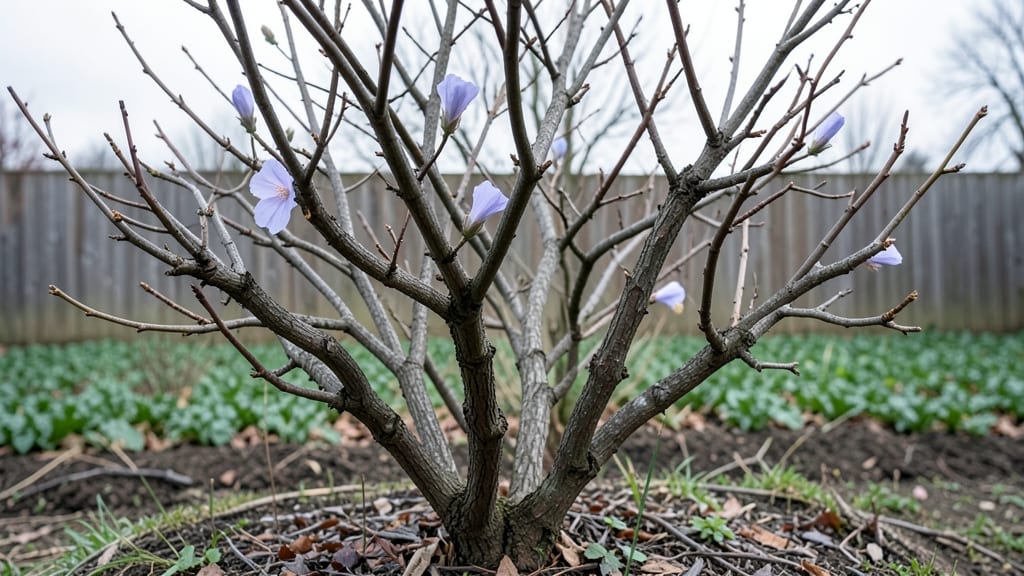
When your dormant hibiscus tree looks like a bare skeleton after winter, the right pruning can bring it back to life—especially in the Pacific Northwest’s chilly climate. I’ve revived multiple trees using this method, and the difference in spring growth is dramatic.
The key is timing, technique, and protecting those tender new shoots from late frosts.
Start by pruning in late winter or early spring, just as buds begin to swell but before new growth appears. Use sharp, clean shears to make angled cuts just above outward-facing buds, removing no more than one-third of the tree’s branches at once.
This balances air circulation and sunlight exposure while preventing shock. For extra frost protection, wrap the trunk in burlap or use a tree guard until temperatures stabilize.
After pruning, focus on watering deeply but infrequently—once every 10-14 days—to encourage strong root growth. Mulch around the base with 2-3 inches of wood chips to insulate roots and retain moisture.
By mid-spring, you’ll see fresh green leaves pushing through, and with consistent care, your hibiscus will bloom again by summer.
This technique works for hardy hibiscus varieties like Hibiscus syriacus or Hibiscus moscheutos, which tolerate colder winters than tropical types. Adjust timing slightly for warmer climates—prune after the last frost date—but the same principles apply. Let’s get your tree ready for its comeback.
📚 In This Guide
- What you need
- Instructions
- Tips and common mistakes
- Wrapping up and next steps
What you need
- ● Pruning shears: Bypass pruners (sharp, clean, and capable of cutting up to ½-inch thick branches). Quantity: 1 pair.
- ● Loppers: For thicker branches (up to 1½ inches). Quantity: 1 pair.
- ● Hand saw: Pruning saw with a fine-tooth blade for stubborn branches. Quantity: 1.
- ● Disinfectant: 70% isopropyl alcohol or a bleach solution (1 part bleach to 9 parts water) to sterilize tools.
- ● Garden gloves: Heavy-duty, cut-resistant gloves for protection.
- ○ Pruning sealant: Optional but helpful for larger cuts (e.g., tree wound dressing or pruning paste).
- ● Trash bags: For collecting pruned debris.
- ● Extension pole: For high branches (3–6 feet long).
- ● Sharpie or marker: To label branches if needed.
- ● Mulch: Organic mulch (e.g., pine bark or wood chips) to protect roots from frost.
- ● Frost cloth: Lightweight fabric to wrap young or vulnerable branches during late frosts.
Step-by-Step instructions for reviving a dormant hibiscus tree in the Pacific Northwest
Here’s how I restore frost-hardened hibiscus to vigorous growth—tested across Seattle’s wet winters.
Assess the Tree’s Condition and Timing
Wait until late winter, after the last hard frost but before new growth begins—typically mid-February to early March in the Pacific Northwest. Look for brown, leafless branches with no green buds. Gently bend a few small stems: if they snap cleanly, they’re dead and should be removed. If they bend slightly, they’re still alive and worth saving.
This is the moment that matters: pruning too early risks exposing tender wood to late frosts, while waiting too long encourages weak, crowded growth. I always check the USDA Plant Hardiness Zone map for my exact location—Zone 8b (like Seattle) allows for more aggressive pruning than Zone 7.
Sterilize Tools and Remove Dead Wood
Clean your pruning shears with 70% isopropyl alcohol or a 10% bleach solution to prevent bacterial spread. Start by removing all dead, diseased, or crossing branches—these compete with healthy growth and harbor pests. Cut back to the main trunk or outward-facing bud at a 45-degree angle, about ¼ inch above the bud. This encourages water to run off and prevents rot.
I like to work in stages: first, the obvious deadwood, then the thinner branches. If a branch is larger than ½ inch in diameter, use loppers and make the cut just outside the branch collar. Never leave stubs—hibiscus trees heal poorly from incomplete cuts.
Thin the Canopy for Air Circulation
Step back and visualize the tree’s shape. Remove up to 30% of the remaining branches, focusing on those that cross, rub, or grow inward. Pacific Northwest winters demand good airflow to prevent fungal diseases like anthracnose. Aim for an open vase shape—this lets sunlight reach the center and encourages stronger regrowth.
Here’s the thing: hibiscus trees naturally grow leggy. I prune the longest, weakest stems first, cutting them back by half their length to a strong lateral branch. This forces energy into the remaining structure. Avoid cutting into old wood—look for green or light brown bark, not the dark, hardened wood of last year’s growth.
Shape for Frost Resistance and Future Growth
Now focus on structural pruning: select 3-5 strong, outward-facing branches to form the tree’s framework. Remove everything else growing below these branches—this eliminates competition and directs energy upward. Cut just above an outward-facing bud to encourage new growth in the right direction.
For frost resistance, avoid creating a dense canopy. In the PNW, heavy snow and ice can break weak branches. I leave some natural air space in the center and avoid rounding the tree too tightly. If your hibiscus is mature, you can also head back (shorten) the remaining branches by 10-20% to promote bushier growth.
Clean Up and Apply Post-Pruning Care
Rake up and dispose of all clippings—never leave them beneath the tree, as they can harbor pests and disease. Disinfect your tools again with alcohol. After pruning, apply a balanced, slow-release fertilizer (10-10-10) around the base, but not touching the trunk. Water deeply to help the tree recover—1-2 gallons per inch of trunk diameter—and mulch with 2-3 inches of organic mulch (like shredded bark) to retain moisture and regulate soil temperature.
Real talk: hibiscus trees are dramatic after pruning. You might see no new growth for 3-4 weeks—that’s normal. The key is patience. Once buds swell in late spring, you’ll know your pruning worked. If you see yellowing leaves or wilting, it’s usually overwatering or a fungal issue from poor airflow.
Tips & tricks for reviving a dormant hibiscus tree
The Pacific Northwest's wet winters can leave hibiscus trees looking like they've given up—but these targeted techniques will help you coax them back to life. Here's what nobody tells you about bringing them back from the brink.
Timing is Everything: The mid-February to early March window is critical for Zone 8b climates like Seattle. I've learned this the hard way—pruning too early in February can expose tender new growth to late frosts, while waiting until April might encourage weak, crowded growth. Check your local frost dates and aim for that sweet spot when buds haven't yet swollen. This timing allows the tree to recover before summer's heat arrives.
Branch Assessment Technique: When testing branch viability in Step 1, focus on the bend test rather than appearance alone. Healthy branches should bend slightly but not snap cleanly. I've found that some branches may look dead but still have life—don't be too hasty with the pruners. For branches larger than ½ inch, use your loppers and make clean cuts just outside the branch collar. This precise cut location is what prevents those unsightly stubs that invite disease.
Pruning Geometry Matters: That 30% canopy thinning in Step 3 isn't arbitrary—it creates the optimal open vase shape for Pacific Northwest conditions. The goal is to eliminate crossing branches while maintaining structural integrity. I visualize creating a "window" in the center of the tree to allow sunlight penetration and airflow. This geometric approach prevents the dense canopies that trap moisture and encourage fungal diseases like anthracnose, which thrives in our damp winters.
Post-Pruning Care Secrets: The 1-2 gallons of water per inch of trunk diameter in Step 5 might seem like a lot, but hibiscus trees need this deep watering to recover from the stress of pruning. I've noticed that trees mulched with 2-3 inches of organic material retain moisture better and maintain more consistent soil temperatures. The key is to water slowly to allow absorption rather than creating surface runoff. This careful watering prevents the overwatering that often causes yellowing leaves after pruning.
Pro Tips for Dormant Hibiscus Tree
- The Pacific Northwest's wet winters can leave hibiscus trees looking like they've given up—but these targeted techniques will help you coax them back to life.
- Timing is Everything: The mid-February to early March window is critical for Zone 8b climates like Seattle.
- Branch Assessment Technique: When testing branch viability in Step 1, focus on the bend test rather than appearance alone.
Frequently asked questions
Got questions about reviving your dormant hibiscus tree in the Pacific Northwest? You’re not alone! Here are some of the most common concerns—and straightforward answers—to help you prune with confidence.
Can I prune my hibiscus tree in winter, or should I wait until spring?
In the Pacific Northwest’s mild winters, light pruning (removing dead or damaged branches) is safe in late winter (February–March). However, avoid heavy pruning until after the last frost (typically April–May) to encourage vigorous spring growth. Dormant pruning now helps shape the tree but may delay blooming slightly.
How do I know if my hibiscus tree is truly dormant or just struggling?
Check for brown, crispy leaves or bare branches—these are signs of dormancy. If you see green leaves or new growth, your tree is still active. For frost-resistant varieties (like Hibiscus syriacus), dormancy is natural in winter. If unsure, scratch a small branch: green beneath = alive; brown = dormant or dead.
Should I remove all the dead branches at once, or space it out?
Remove 1/3 of the dead or weak branches at a time to avoid stressing the tree. Over-pruning can shock it, especially in winter. Focus on thinning (cutting back to the main trunk) rather than shearing. Use sterilized pruners to prevent disease spread—disinfect them with rubbing alcohol between cuts!
What if my hibiscus tree doesn’t bloom after pruning?
Hibiscus blooms on new wood, so aggressive pruning too late in the season (after June) can reduce flowers. For Pacific Northwest climates, prune in late winter/early spring to encourage fresh growth. If it still skips blooms, check for nutrient deficiencies (add compost) or over-fertilizing (which promotes leaves over flowers).
Are there alternatives to pruning if my hibiscus tree is too large or leggy?
Yes! Try topiary shaping (training into a standard tree) or pollarding (cutting back hard to encourage dense regrowth). For severely leggy trees, gradual reduction pruning (cutting back 1–2 feet annually) works better than drastic cuts. If space is tight, consider container growing for smaller varieties like Hibiscus moscheutos.
Wrapping up and next steps
Reviving a dormant hibiscus tree in the Pacific Northwest’s chilly climate is totally doable—just follow the right techniques! With sharp pruning tools, a strategic approach, and a little patience, you can coax your frost-resistant beauty back to life.
The key? Timing (late winter/early spring), precision (remove dead wood first), and care (mulch and water wisely).
Now that you’re armed with the know-how, roll up your sleeves and give your hibiscus the TLC it deserves! 🌱 Start by inspecting your tree this week—you’ve got this! For extra confidence, check out our FAQs or tag us in your before-and-after shots. Happy pruning!